

Are you thinking about restoring a car but wondering how much it will actually cost? You’re not alone.
Restoring a vehicle can be exciting, but the expenses can quickly add up if you’re not prepared. Knowing the real costs upfront helps you plan better and avoid surprises down the road. You’ll discover the key factors that influence restoration costs and learn how to budget smartly for your project.
By the end, you’ll feel more confident about what to expect and how to make your car restoration dream a reality without breaking the bank. Keep reading to uncover the true price of bringing your car back to life.

Credit: www.youtube.com
Factors Affecting Restoration Costs
Restoring a car can be exciting. Costs vary a lot. Several key factors affect the final price. Knowing these helps plan your budget better. Understanding each factor makes the process clear.
Car Make And Model
Luxury or rare cars cost more to restore. Common models have cheaper parts and services. Classic cars may need special attention. This raises the restoration price. The car’s brand and model shape the cost.
Extent Of Damage
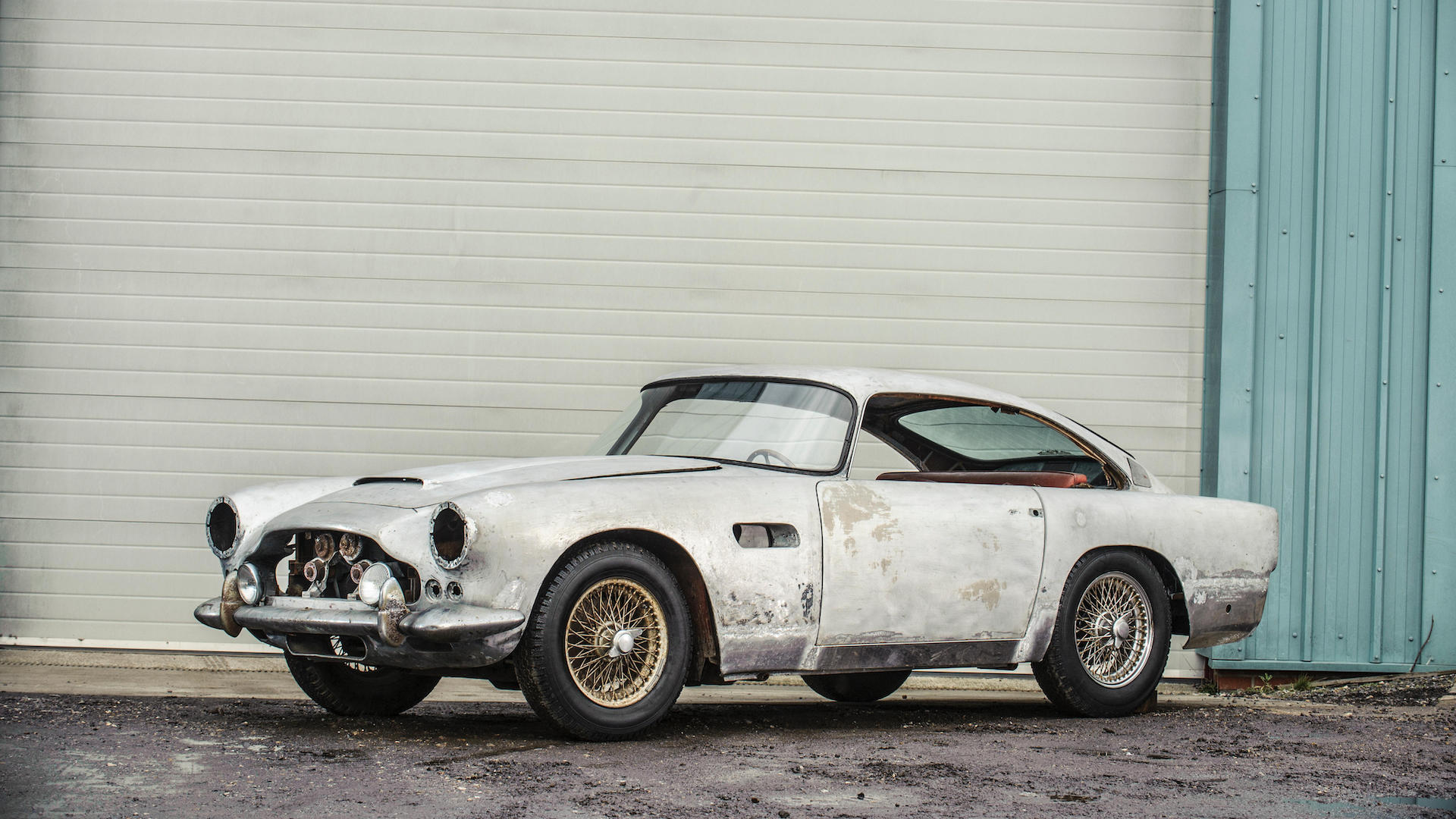
Minor scratches cost less to fix. Major rust or frame damage is expensive. Engine or transmission issues add to costs. The more damage, the higher the price. Assessing damage is crucial before starting.
Parts Availability
Easy-to-find parts are cheaper. Rare or old parts cost more. Sometimes parts need custom making. Shipping parts can add to expenses. Availability strongly impacts restoration cost.
Labor Expenses
Skilled mechanics charge higher rates. Complex work needs more hours. Simple jobs cost less in labor. Labor costs vary by shop and expertise. Labor often forms a large part of the budget.
Location Influence
Restoration costs differ by region. Big cities often have higher prices. Rural areas may offer cheaper labor. Local demand affects parts and service fees. Location plays a strong role in cost.
Credit: bidgarage.com
Common Restoration Expenses
Restoring a car involves many costs that add up quickly. Knowing common expenses helps plan a budget better. Each part of the car needs special care and repair. Some areas cost more than others, depending on the damage and work needed.
Bodywork And Paint
Fixing dents, rust, and scratches can be costly. The paint job requires skill and good materials. A fresh paint coat protects the car and makes it look new. Prices vary based on the car’s size and paint type.
Engine And Transmission
Engine repairs or rebuilds are often the highest costs. Transmission work also needs expert handling. Both parts are critical for the car to run smoothly. Expect higher prices for rare or classic car engines.
Interior Repairs
Seats, carpets, and dashboard need fixing or replacing. Custom upholstery or rare materials raise the price. Interior work improves comfort and the car’s value. Small tears and stains can add to the cost.
Electrical Systems
Wiring, lights, and battery replacements are common. Faulty electrical parts can cause many problems. Repairs require careful diagnosis and sometimes new parts. Modern cars may have more complex electrical systems.
Suspension And Brakes
Suspension fixes improve ride comfort and safety. Brake repairs or replacements are essential for safe driving. Parts like shocks, springs, pads, and rotors cost money. Proper maintenance keeps the car reliable and secure.
Estimating Budget For Different Restoration Levels
Estimating a budget for car restoration depends on the level of work needed. Different restoration levels require different costs and time. Understanding these levels helps set realistic expectations. It also helps avoid surprises during the project.
Basic Cosmetic Fixes
Basic cosmetic fixes are the least expensive. This includes paint touch-ups, minor dent repairs, and cleaning. Interior work may involve replacing seat covers or fixing small tears. These fixes improve the car’s look without heavy labor. Costs usually range from a few hundred to a few thousand dollars.
Mechanical Overhaul
A mechanical overhaul focuses on the engine and parts that make the car run. It may include fixing or replacing the engine, brakes, and suspension. This work is more complex and costly than cosmetic fixes. Budget can range from several thousand to over ten thousand dollars. Proper mechanical work ensures the car runs smoothly and safely.
Full Frame-off Restoration
Full frame-off restoration is the most detailed and expensive level. The car is taken apart completely and restored piece by piece. This includes bodywork, engine, interior, and electrical systems. The process can take months or even years. Costs often start at tens of thousands of dollars and can go much higher. This level is for those wanting the car to look and run like new.
Cost-saving Tips
Restoring a car can be expensive, but there are ways to save money. Smart choices help keep costs down without losing quality. Small steps add up to big savings over time. Here are some tips to help reduce your restoration expenses.
Diy Vs Professional Work
Doing some work yourself cuts labor costs. Simple tasks like sanding or painting can be done at home. But complex jobs need a professional’s skill. Weigh your skills and time before starting. Mistakes can cost more to fix later.
Sourcing Used Parts
Used parts often cost less than new ones. Check salvage yards, online marketplaces, or car clubs. Ensure parts fit your car model and are in good condition. This approach saves money and keeps the project authentic.
Prioritizing Repairs
Focus on essential repairs first. Fix safety and engine issues before cosmetic ones. Prioritizing helps spread costs over time. It also ensures the car runs safely while you work on other parts.
Finding Reliable Shops
Choose shops with good reviews and fair prices. Ask for quotes and compare services. A trustworthy shop avoids costly surprises. Building a good relationship may bring discounts or better service later.
Unexpected Expenses To Watch For
Restoring a car can bring surprises that cost more time and money. You might think the price is fixed, but unexpected expenses can change your budget. Knowing these hidden costs helps you prepare and avoid shocks.
Hidden Rust And Damage
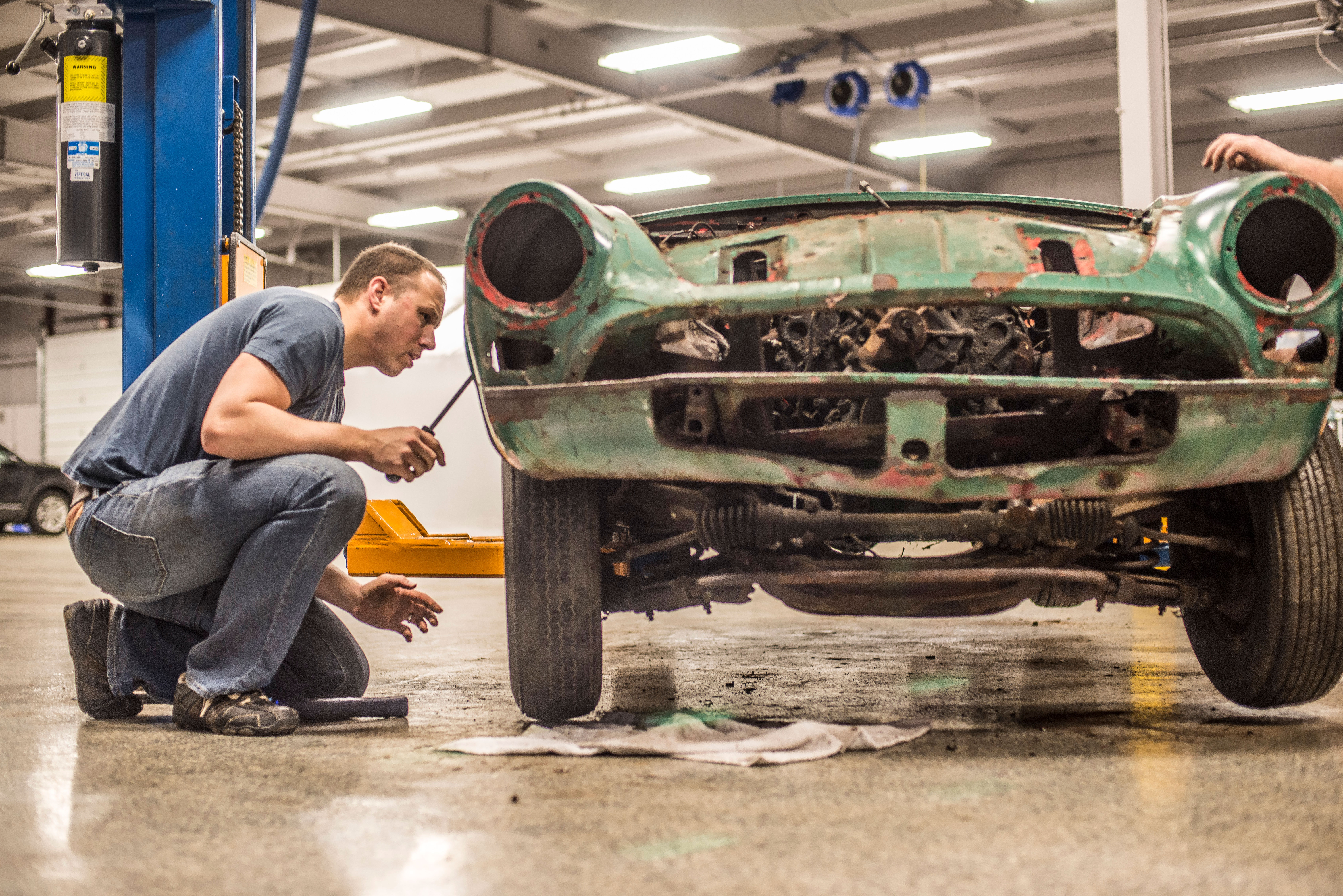
Rust often hides under paint or inside panels. It spreads quietly, damaging metal parts. Repairing rust takes extra work and new materials. Sometimes, parts need full replacement. This adds to your restoration cost quickly.
Upgrading Safety Features
Old cars may lack modern safety gear. Seat belts, airbags, or brakes might need upgrading. These parts protect you and others on the road. Adding them costs money but improves safety. Skipping this can be risky and illegal.
Compliance And Inspection Fees
Restored cars must pass inspections and meet rules. Fees for testing and paperwork can add up. Some areas require emissions tests or special certifications. Budgeting for these ensures your car is street-legal without surprises.
Credit: www.hagerty.com
Financing Your Restoration Project
Restoring a car can be a rewarding project. It also needs money. Many people wonder how to pay for it. Financing your restoration project means finding ways to cover the costs. This section explains some options to fund your work. Choose what fits your budget and needs best.
Personal Savings
Using personal savings is the simplest way to pay. It avoids extra fees or interest. Save money little by little before starting. This method keeps your project debt-free. Plan your budget carefully to avoid running out of funds.
Loans And Credit Options
Loans and credit can help if savings are low. Car restoration loans may have lower rates. Credit cards offer quick access to funds but can cost more. Compare interest rates and terms before borrowing. Borrow only what you need to avoid debt problems.
Crowdfunding And Sponsorships
Crowdfunding lets you raise money from many people online. Share your story and car photos to attract donors. Sponsorships involve businesses supporting your project. Offer promotion or advertising in return. Both methods need effort and good communication to succeed.
Frequently Asked Questions
How Much Does A Basic Car Restoration Cost?
A basic car restoration typically costs between $10,000 and $25,000. This includes minor repairs, paint touch-ups, and interior cleaning. Prices vary depending on the car’s condition and parts availability.
What Factors Influence Car Restoration Costs?
Car restoration costs depend on the vehicle’s age, condition, parts needed, and labor rates. Customizations and rare parts increase expenses. The more extensive the work, the higher the total cost.
Is It Cheaper To Restore A Car Yourself?
DIY restoration saves labor costs but requires tools, skills, and time. It’s cost-effective for those experienced. However, mistakes can increase expenses, so assess your skills before starting.
How Long Does A Full Car Restoration Take?
A full car restoration can take from several months to over a year. Time depends on the project’s complexity, parts availability, and the restorer’s schedule.
Conclusion
Restoring a car can cost less or more, depending on many factors. Parts, labor, and the car’s condition all affect the price. Setting a clear budget helps avoid surprises later on. Taking time to plan saves money and stress. Remember, restoring a car is a rewarding project.
It brings old vehicles back to life. Choose wisely, prepare well, and enjoy the process. Your dream car can become real with patience and care.

