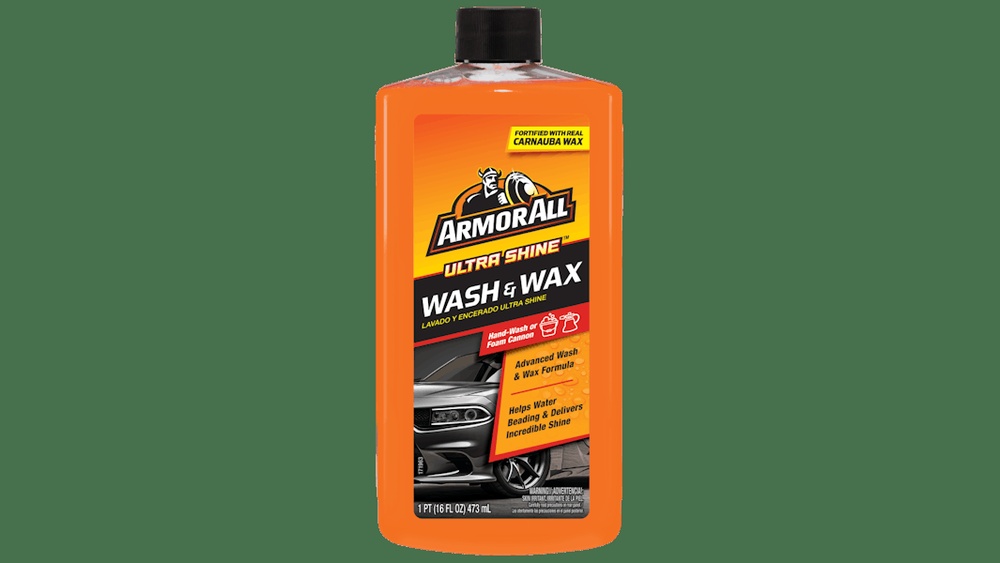
You want your car to look its best, right? A shiny, well-waxed car not only turns heads but also protects your paint from dirt, scratches, and harsh weather.
But waxing your car the right way can feel tricky if you’re not sure where to start. Don’t worry—this guide will show you exactly how to properly wax your car, step by step. By the end, you’ll have the skills to keep your ride looking fresh and glossy, just like it rolled off the showroom floor.
Ready to learn the secrets to a perfect wax job? Let’s dive in.
Choosing The Right Wax
Choosing the right wax is important for a shiny and protected car. Different waxes suit different needs. The right wax keeps your car looking fresh and guards the paint from damage. Understanding wax types helps pick the best one for your vehicle.
Types Of Car Wax
Car wax comes in several forms. Paste wax offers strong protection and a deep shine. Liquid wax is easy to apply and dries fast. Spray wax works well for quick touch-ups and light protection. Each type has pros and cons depending on your time and effort.
Wax For Different Paint Finishes
Cars have various paint finishes like gloss, matte, or metallic. Glossy paint benefits from wax that enhances shine. Matte finishes need special wax that protects without adding gloss. Metallic paints look best with wax that highlights the tiny metal flakes. Choose wax that matches your car’s paint style.
Natural Vs Synthetic Waxes
Natural waxes come from carnauba, a plant-based material. They give a warm, deep shine but wear off faster. Synthetic waxes are made from polymers. They last longer and protect better against weather. Decide between natural shine or long-lasting protection based on your needs.

Credit: www.turtlewax.com
Preparing Your Car
Preparing your car is the first and most important step before waxing. It helps the wax stick better and last longer. A clean and smooth surface ensures a shiny and protected finish. Skipping preparation can cause uneven wax and poor results.
Washing And Drying
Start by washing your car with a gentle car shampoo. Use a soft sponge or mitt to avoid scratches. Rinse well with clean water to remove all soap. Dry the car fully with a microfiber towel. Avoid air drying to prevent water spots.
Removing Surface Contaminants
Check your car’s surface for dirt or grime that washing missed. Use a specialized cleaner or surface prep spray. These products remove oily residues and old wax traces. Wipe the surface with a clean cloth after applying. This step creates a perfect base for waxing.
Clay Bar Treatment
Clay bar treatment removes tiny particles stuck to the paint. It feels like smooth clay that picks up dirt and metal bits. Lubricate the surface with a clay bar lubricant. Gently rub the clay over the paint in straight lines. Wipe off any residue with a microfiber towel. Your car will feel smooth and ready for wax.
Waxing Tools And Materials
Waxing your car requires the right tools and materials. These help protect your paint and give your car a smooth, shiny finish. Using proper items makes the job easier and improves results.
Choose quality tools designed for car waxing. Each tool has a special role. Knowing which to use helps you wax like a pro.
Applicator Pads
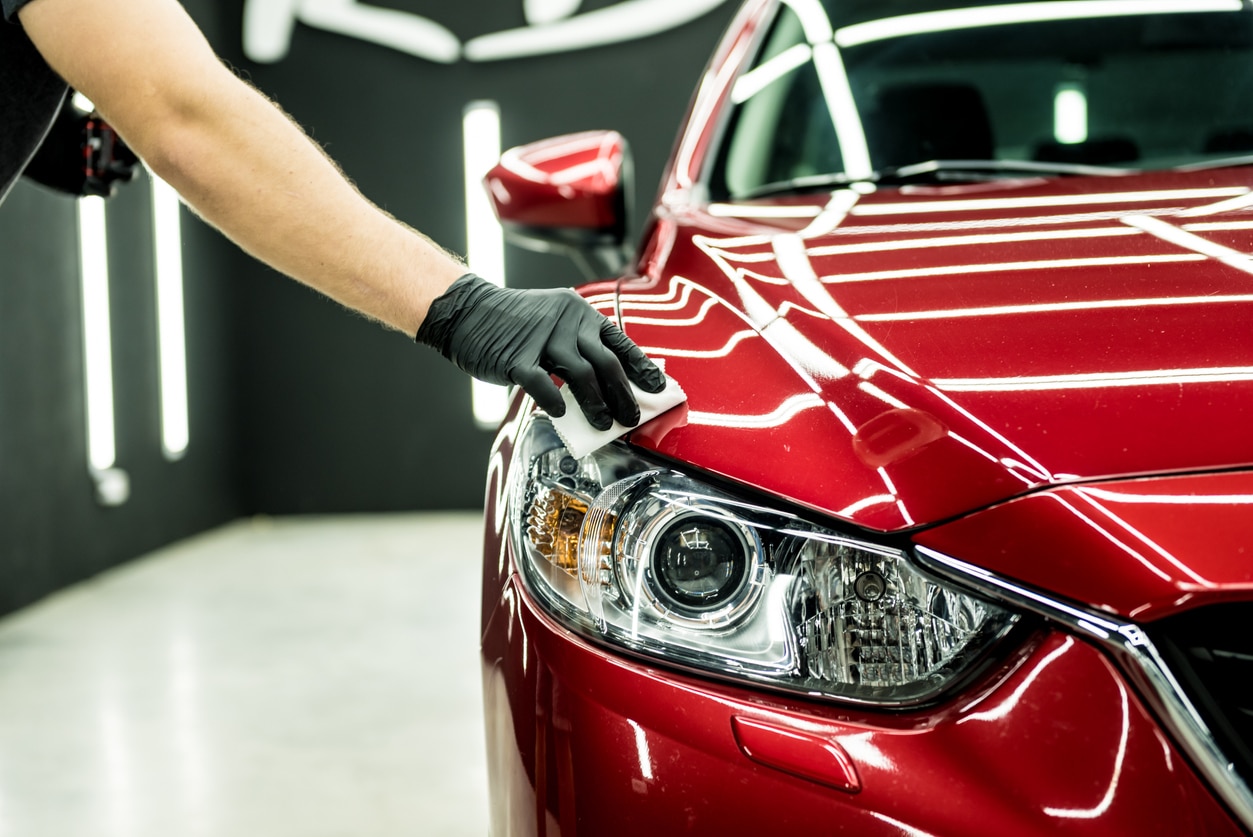
Applicator pads spread wax evenly on the car surface. Soft foam or microfiber pads work best. They hold the wax and allow smooth application. Use small, circular motions with light pressure. This avoids streaks and wasted wax.
Microfiber Towels
Microfiber towels remove excess wax and buff the shine. Their soft fibers prevent scratches on paint. Use clean, dry towels for best results. Change towels often to avoid spreading wax residue. Gentle wiping brings out a bright, clear finish.
Buffers And Polishing Machines
Buffers speed up waxing and polishing jobs. They apply wax evenly and reduce effort. Use low speed to avoid heat damage. Machines suit large surfaces and thick wax layers. Practice control for smooth, swirl-free results.
Credit: www.simoniz.uk
Waxing Techniques
Waxing your car improves its shine and protects the paint. Using the right techniques helps you get the best results. These simple steps make waxing easier and more effective. Follow them to keep your car looking great.
Applying Wax Evenly
Spread the wax thinly and evenly on the car’s surface. Avoid thick layers that take longer to dry. Use a soft applicator or cloth for smooth coverage. Even application prevents streaks and blotches on the paint.
Working In Small Sections
Divide the car into small areas before waxing. Focus on one section at a time for better control. This way, the wax does not dry too fast or get sticky. Small sections help you cover the entire car properly.
Using Circular Motions
Apply wax using small, gentle circles. This motion spreads wax evenly and helps it bind to the paint. Circular rubbing also reduces swirl marks and scratches. Keep the pressure light to protect the car’s surface.
Removing Excess Wax
Removing excess wax is a key step in car waxing. It ensures a smooth, shiny surface without residue. Removing wax properly protects the paint and improves the car’s look. This step requires patience and care to avoid streaks and smudges. Follow these tips to get the best results after waxing your car.
Optimal Drying Time
Wait for the wax to dry before wiping it off. Drying time varies depending on the wax type and weather. Usually, 10 to 15 minutes is enough. The wax should look hazy or cloudy when dry. Avoid leaving wax on too long; it can be harder to remove.
Buffing For A Glossy Finish
Use a clean, soft microfiber cloth to buff the wax. Buff in small circular motions to lift excess wax. Apply gentle pressure to avoid scratching the paint. Change to a fresh cloth if it gets too dirty. Buffing brings out a deep shine and smooth texture.
Avoiding Streaks And Smudges
Wipe in consistent directions to prevent streaks. Avoid pressing too hard during removal. Use a dry, clean cloth for the final wipe. Check the surface under sunlight to find missed spots. Removing wax carefully keeps the car looking fresh and polished.
Maintaining Wax Protection
Maintaining wax protection is key to keeping your car’s paint shiny and safe. Wax acts like a shield. It guards your car from dirt, water, and small scratches. Without proper care, wax can wear off fast. This section explains how to keep your wax job lasting longer and your car looking great.
Regular Washing Tips
Wash your car often to keep wax working well. Use a gentle car shampoo. Avoid harsh detergents that strip wax away. Rinse with clean water and dry with a soft cloth. Clean dirt and dust help wax stay smooth and strong.
Reapplying Wax Schedule
Wax does not last forever. Check your car’s shine every 6 to 8 weeks. If water no longer beads on the surface, it is time to wax again. Follow product instructions for the best results. Regular waxing keeps paint protected and looking fresh.
Protecting Against Environmental Damage
Park your car in shade when possible. Sunlight and rain can break down wax. Avoid bird droppings and tree sap. Clean these off quickly to prevent paint damage. Wax helps but extra care protects your car better.
Common Waxing Mistakes
Waxing your car is a great way to protect its paint and keep it shiny. Many people make simple mistakes that reduce the wax’s effectiveness. Avoiding these common errors helps you get the best results and saves time.
Waxing In Direct Sunlight
Waxing under the hot sun dries the wax too fast. It becomes hard to spread evenly. The heat can cause streaks and spots. Work in the shade or on a cool surface instead. This helps the wax settle smoothly on the paint.
Using Too Much Product
Applying too much wax does not make the car shinier. It only wastes product and makes removal harder. A thin, even layer works best. Use small amounts and add more if needed. This saves wax and gives a better finish.
Ignoring Paint Condition
Wax sticks poorly to damaged or dirty paint. Dirt, scratches, and oxidation reduce shine and protection. Clean and polish the paint before waxing. Fix any major damage first. This improves wax adhesion and makes your car look great.

Credit: www.thedetailingmafia.com
Frequently Asked Questions
How Often Should I Wax My Car For Best Results?
Wax your car every three to four months to maintain shine and protection. Frequent waxing prevents paint damage and keeps the surface smooth. However, avoid over-waxing, which can cause buildup and dullness.
What Type Of Wax Is Best For Car Surfaces?
Carnauba wax offers a deep, natural shine but wears off faster. Synthetic waxes last longer and provide better protection. Choose based on your preference for shine versus durability.
Can I Wax My Car In Direct Sunlight?
Avoid waxing your car in direct sunlight. Heat causes wax to dry too quickly, making it hard to buff. Always wax in a shaded, cool area for best results.
How Long Should Wax Dry Before Buffing?
Let the wax dry for 5 to 10 minutes until it hazes. This ensures it bonds properly to the paint. Buff gently with a microfiber cloth for a smooth finish.
Conclusion
Waxing your car protects its paint and keeps it shiny. Regular waxing helps remove dirt and minor scratches. Use the right wax and soft cloth for best results. Take your time and work in small sections. Clean your car before waxing for a smooth finish.
With care, your car looks fresh and new for longer. Simple steps make a big difference in car care. Try waxing soon and enjoy a brighter, cleaner ride.