

If you’ve noticed squeaky brakes or a pulsing pedal, it might be time to replace your brakes and rotors. But before you schedule a service, you’re probably wondering: how much does Toyota charge for brakes and rotors?
Knowing the cost upfront can help you avoid surprises and plan your budget better. You’ll get clear answers on pricing, what affects the cost, and tips to keep your brakes in great shape without breaking the bank. Keep reading to find out exactly what to expect when you bring your Toyota in for brake service.
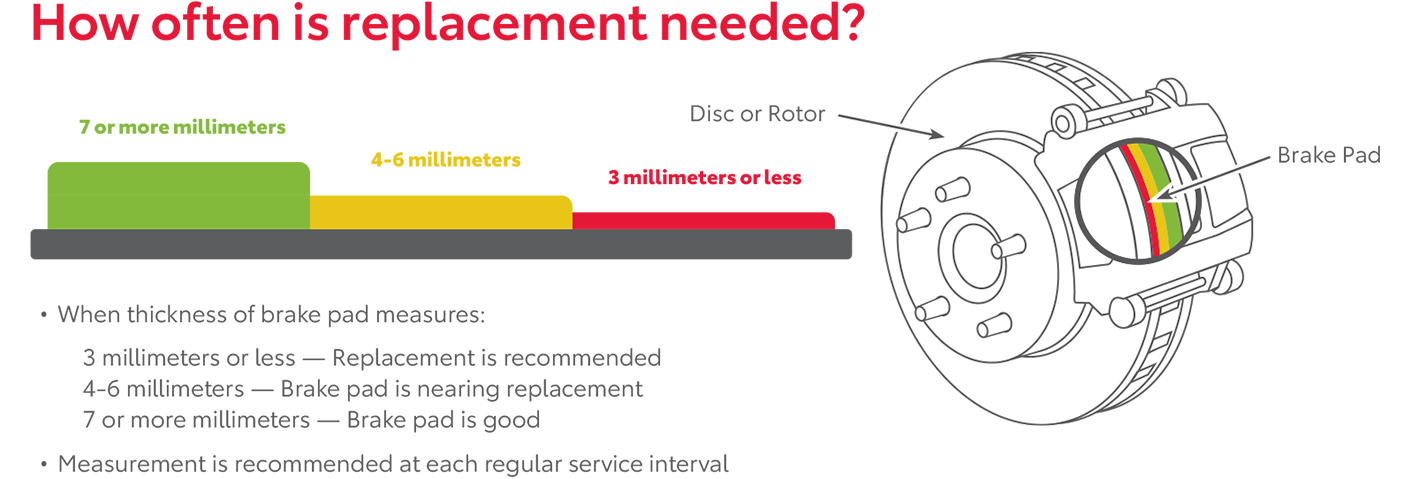
Credit: www.rosevilletoyota.com
Toyota Brake Service Costs
Toyota brake service costs vary depending on the type of repair. Brake pads and rotors wear out over time and need replacement. Understanding these costs helps you plan your car maintenance budget. The prices below reflect common charges at Toyota service centers.
Brake Pad Replacement Prices
Brake pad replacement usually costs between $150 and $300. This price depends on your Toyota model and brake pad quality. Toyota uses high-quality pads for safety and durability. Some models need special brake pads, which can raise the price.
Rotor Replacement Fees
Replacing brake rotors costs more than brake pads. Expect to pay between $200 and $400 per axle. The price depends on rotor type and Toyota model. Some rotors are vented or drilled, which costs more. Rotors must match your car’s specifications for safety.
Labor Charges Breakdown
Labor charges for brake service vary by location. Typical labor costs range from $80 to $150 per hour. Brake pad replacement takes about one hour. Rotor replacement may take one to two hours. Toyota technicians ensure proper installation and safety checks.
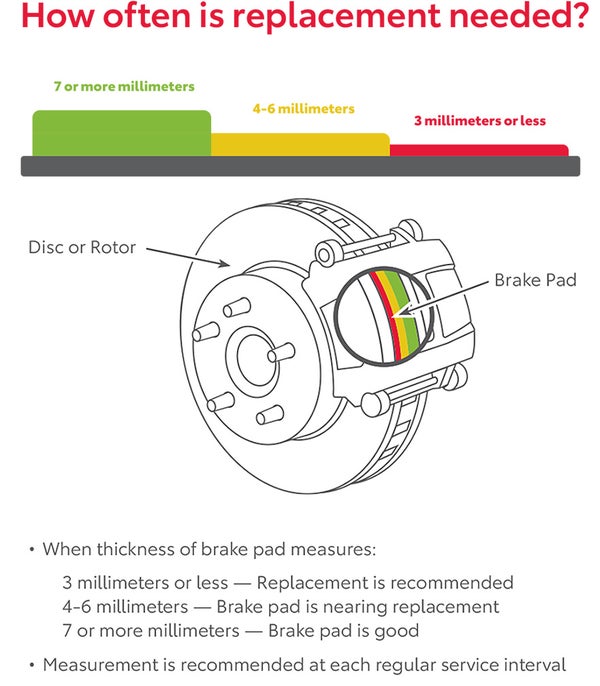
Credit: www.rosevilletoyota.com
Factors Influencing Brake Repair Prices
Brake repair costs can differ widely. Many factors affect how much Toyota charges for brakes and rotors. Understanding these factors helps you know what to expect. It also helps you make better decisions about your car maintenance.
Prices vary because every vehicle and situation is unique. The type of car, parts quality, and location all play a role. Let’s explore the main factors that influence brake repair prices.
Vehicle Model And Year
Different Toyota models need different brake parts. Newer models often have advanced brake systems. These can cost more to fix or replace. Older vehicles may use simpler parts, costing less. Luxury or sport models usually require pricier components. The year of the car also matters. Newer cars might need updated parts that are more expensive.
Brake Part Quality
Brake parts come in many qualities. OEM parts are made by Toyota and cost more. They fit perfectly and last longer. Aftermarket parts are cheaper but may vary in quality. Some parts offer better performance or durability. Choosing higher quality parts raises the repair price. Lower quality parts reduce costs but may wear out faster.
Location And Dealership Variations
Brake repair prices differ by location. Urban areas often have higher labor rates. Rural areas might offer lower prices. Dealerships charge more than independent shops. They use official parts and have certified technicians. Some regions have higher taxes or fees. These add to the total repair cost. Always check local prices for a better estimate.
Comparing Toyota Prices With Other Brands
Comparing Toyota’s brake and rotor prices with other brands shows clear differences. Toyota tends to charge more for parts and labor than some competitors. Understanding these differences helps car owners make smart choices. Prices depend on part type and where you get the service. Let’s explore these factors to see how Toyota stacks up.
Aftermarket Vs Oem Parts
OEM parts come from the car maker, like Toyota. They fit perfectly and keep your warranty safe. These parts cost more but last longer and work well. Aftermarket parts come from other companies. They cost less but may not fit as well. Quality can vary a lot. Some aftermarket parts work fine, but others wear out faster. Choosing between OEM and aftermarket affects the total cost and brake performance.
Independent Shops Vs Dealerships
Dealerships charge more for brakes and rotors. They use OEM parts and have certified mechanics. Service is often faster but pricier. Independent shops offer lower labor costs. They may use aftermarket or OEM parts based on your choice. Quality depends on the shop’s skill and reputation. Many drivers save money at independent shops without losing quality. This option works well if you trust the mechanic.
Tips To Save On Brake And Rotor Replacement
Brake and rotor replacement can be costly. Saving money is possible with smart choices. Simple tips help reduce expenses without risking safety.
Focus on maintaining parts, finding deals, and picking the right service. These steps stretch your budget and keep your car safe.
Maintenance To Extend Brake Life
Check brake pads regularly. Worn pads wear down rotors faster. Drive gently to lower brake wear. Avoid sudden stops and hard braking. Keep brake fluid clean and at proper levels. This prevents system damage and costly repairs.
Finding Discounts And Coupons
Search online for brake service coupons. Many shops offer seasonal discounts. Join local car clubs or forums for deals. Ask your dealer about promotions. Use credit card offers that cover auto services.
Choosing The Right Service Provider
Compare prices from multiple shops. Read reviews to check service quality. Choose certified mechanics with brake experience. Avoid very cheap options that use poor parts. Trust shops that offer warranties on work.
Signs You Need Brake Or Rotor Replacement
Brake and rotor wear happens over time. Knowing the signs helps avoid costly repairs. Ignoring these signs can lead to unsafe driving conditions. Watch for changes in how your car stops and sounds it makes. Early detection saves money and keeps you safe on the road.
Common Symptoms
Squeaking or grinding noises when braking are clear signs. Your car may pull to one side during stops. The brake pedal might feel soft or sink to the floor. Vibrations or shaking in the steering wheel can mean rotor issues. Longer stopping distances also show brake wear. These signs need quick attention to avoid further damage.
Safety Risks Of Worn Brakes
Worn brakes reduce your car’s ability to stop quickly. This increases the risk of accidents and injuries. Damaged rotors cause uneven braking and loss of control. Brake failure can happen without warning. Safe brakes are essential for protecting you and others on the road. Do not ignore warning signs; act fast to keep safe.
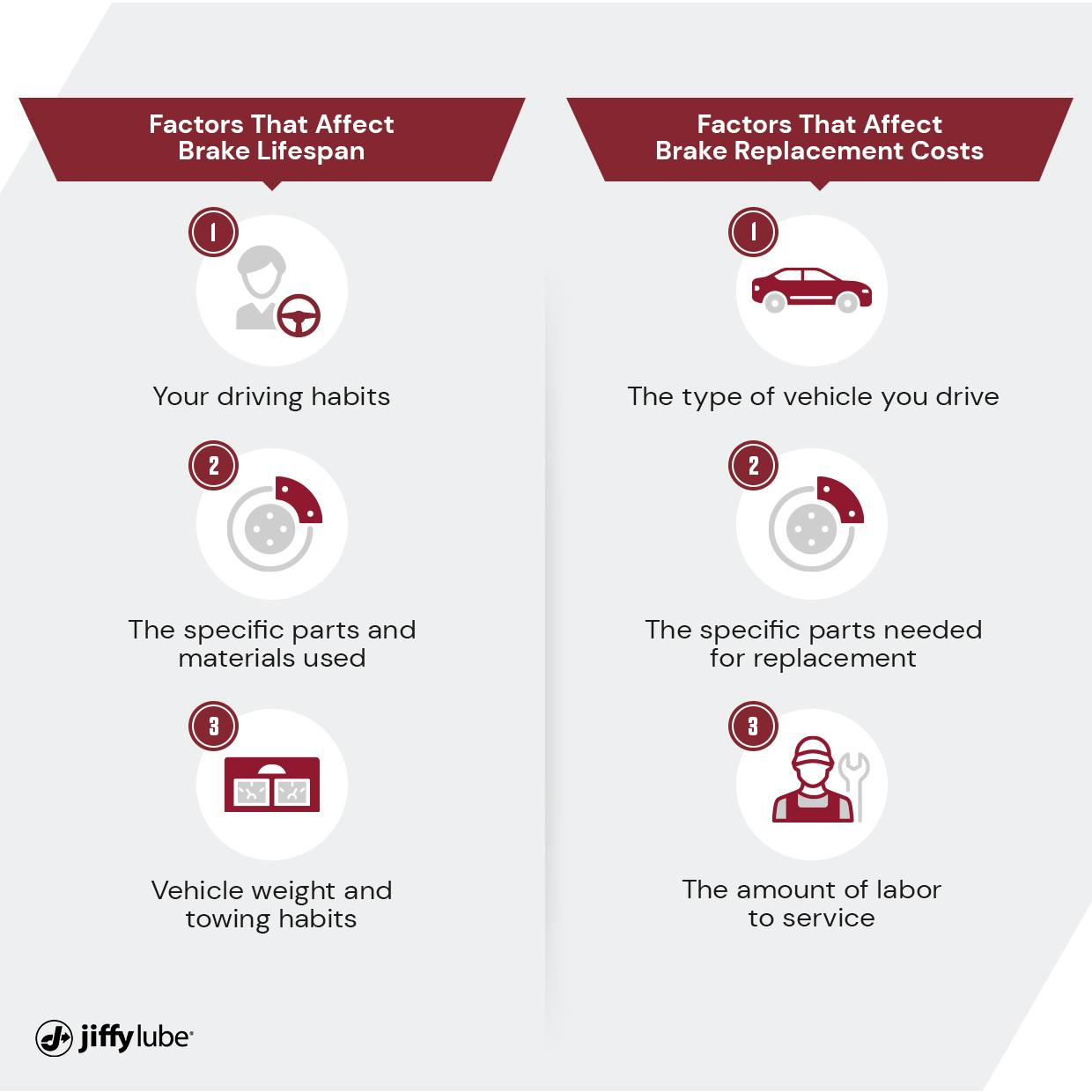
Credit: www.jiffylube.com
Frequently Asked Questions
How Much Does Toyota Charge For Brake Pad Replacement?
Toyota typically charges between $150 and $300 for brake pad replacement. Prices vary by model and location. This cost includes parts and labor.
What Is The Average Cost For Toyota Rotor Replacement?
Replacing rotors at Toyota dealerships usually costs between $200 and $400 per axle. The price depends on the vehicle model and rotor type.
Are Toyota Brake And Rotor Services Covered Under Warranty?
Toyota’s basic warranty covers brake components for 3 years or 36,000 miles. Wear-and-tear parts like pads and rotors may not be fully covered.
How Long Does Toyota Take To Replace Brakes And Rotors?
Brake and rotor replacement at Toyota service centers typically takes 1 to 2 hours. Time depends on the vehicle and service complexity.
Conclusion
Knowing the cost of Toyota brakes and rotors helps you plan your budget. Prices vary by model and location. Genuine parts ensure your car stays safe and runs well. Regular brake checks can prevent costly repairs later. Choose trusted service centers for quality work.
Keep your Toyota’s brakes in good shape for smooth driving. Staying informed saves time and money. Simple steps keep your car reliable and safe on the road.


