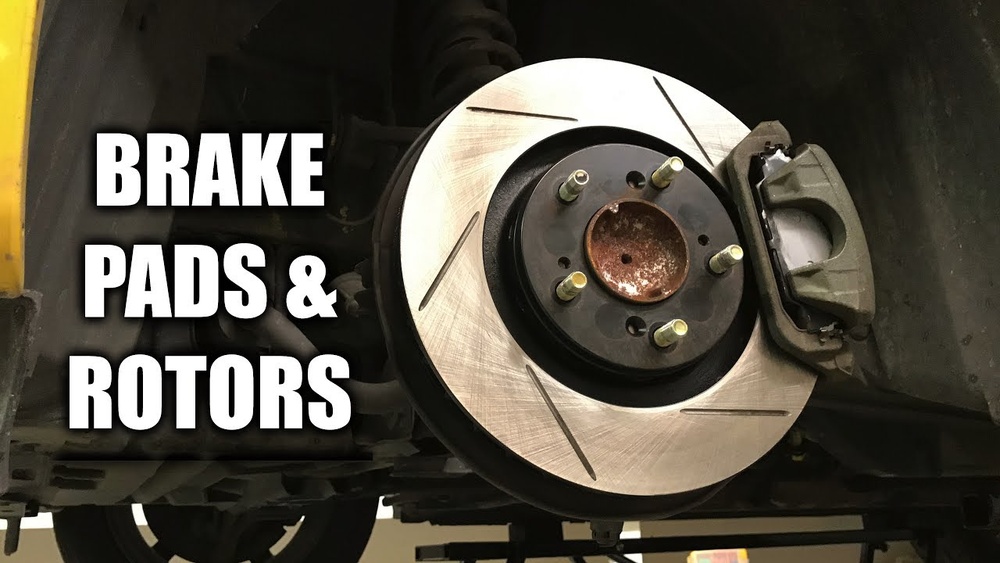
Have you ever wondered how long your brake rotors really last? Knowing the answer can save you from unexpected repairs and keep you safe on the road.
Your brake rotors play a crucial role in stopping your car smoothly and quickly. But when do they wear out? And how can you tell if it’s time to replace them? You’ll discover the key signs of rotor wear, factors that affect their lifespan, and simple tips to extend their life.
Keep reading to make sure your brakes are always ready when you need them most.
Factors Affecting Rotor Lifespan
The lifespan of a brake rotor depends on many factors. Knowing these helps you care for your vehicle better. Some elements affect how fast rotors wear out. Others influence their overall performance.
Understanding these factors can save money and improve safety. This section explains key points that impact rotor life.
Material Types
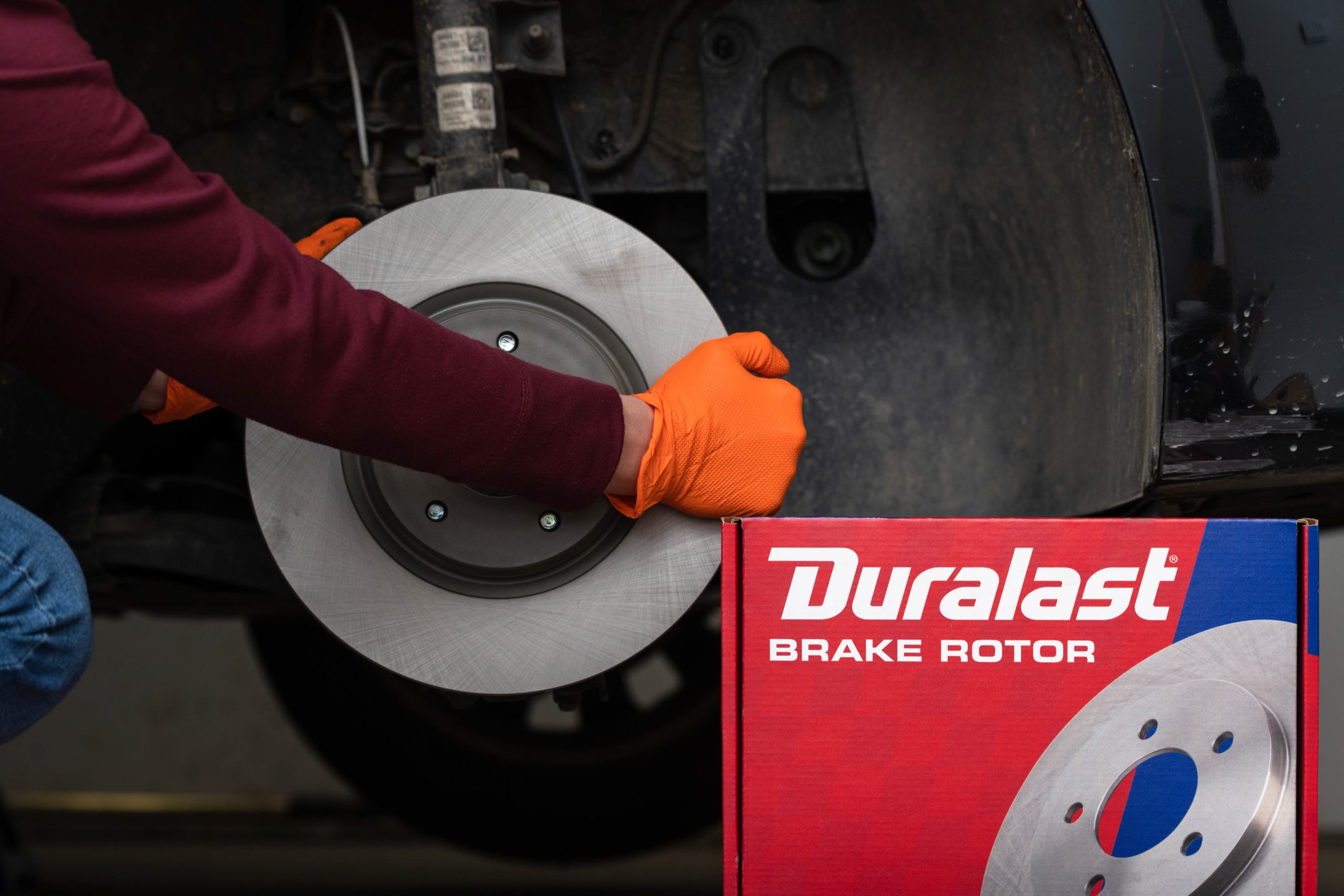
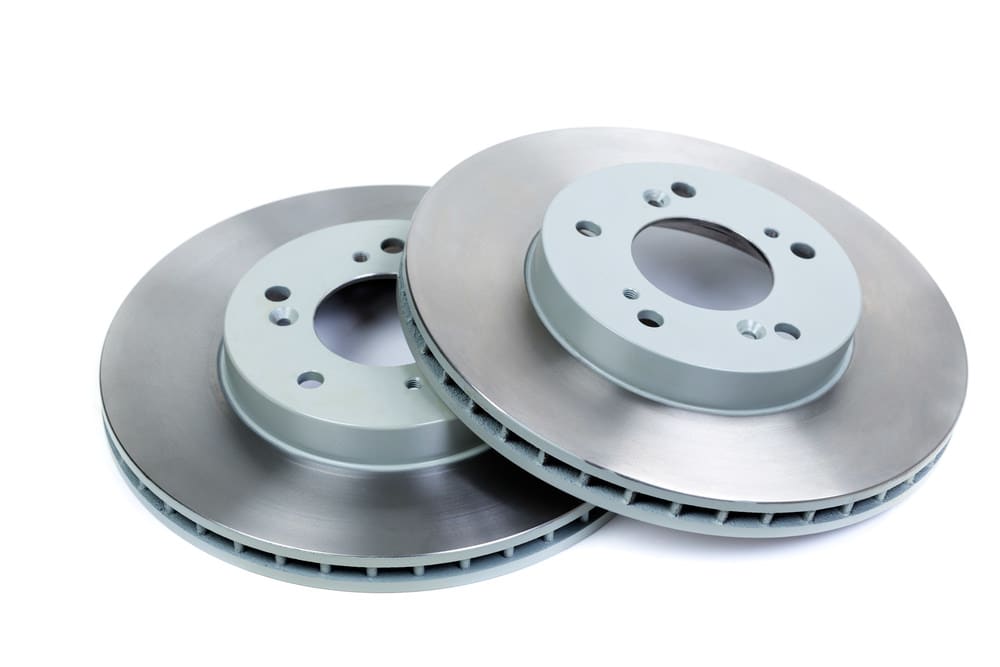
Brake rotors come in different materials. Common types include cast iron, steel, and carbon composite. Cast iron rotors are strong and affordable. Steel rotors last longer but cost more. Carbon composite rotors offer high performance but wear out faster under regular use. The material choice affects heat resistance and wear rate. Better materials usually mean longer rotor life.
Driving Habits
How you drive changes rotor wear. Hard braking and sudden stops increase heat and stress. Frequent stop-and-go traffic wears rotors faster. Gentle braking extends rotor life. Long downhill drives using brakes a lot cause more wear. Smooth driving reduces rotor damage and helps them last longer.
Vehicle Weight
Heavier vehicles put more pressure on rotors. Trucks and SUVs have thicker rotors to handle weight. Passenger cars have lighter rotors that wear out sooner under heavy loads. Carrying extra weight or towing increases rotor strain. The more weight, the faster the rotor wears.
Environmental Conditions
Weather and road conditions affect rotor lifespan. Wet or salty roads cause rust and corrosion. Dirt and debris can scratch rotor surfaces. Hot climates increase brake heat and wear. Cold weather can cause metal to contract and crack. Clean, dry roads help rotors last longer.
Credit: www.autozone.com
Average Brake Rotor Lifespan
Brake rotors are a key part of your vehicle’s braking system. They help stop your car safely. Knowing how long rotors last helps keep your car in good shape. Rotor life depends on many things like driving style and road conditions.
Rotors wear down over time and need replacing. Understanding their average lifespan helps you plan maintenance. This can save money and avoid brake problems.
Typical Mileage Range
Most brake rotors last between 30,000 and 70,000 miles. Some can last even longer with gentle driving. Heavy braking or stop-and-go traffic wears rotors faster. Mountain roads or carrying heavy loads also shorten rotor life.
Signs Of Wear
Look for vibrations when braking or a squealing sound. Deep grooves or cracks on the rotor surface also show wear. If the brake pedal feels soft or the car pulls to one side, check the rotors. These signs mean rotors need inspection or replacement.
Manufacturer Recommendations
Car makers suggest checking rotors every 20,000 to 30,000 miles. Some recommend replacing rotors with every brake pad change. Always follow the vehicle’s service manual for the best advice. Proper rotor care keeps brakes working well and safe.
Symptoms Of Worn Rotors
Worn brake rotors show clear signs that you should not ignore. These signs affect your car’s safety and driving comfort. Recognizing them early helps avoid bigger problems and costly repairs.
Vibration Or Pulsation
Feeling a vibration in the brake pedal is common with worn rotors. The pedal may pulse when you press it. This happens because the rotor surface is uneven. The brake pads cannot grip smoothly. The steering wheel might shake too during braking.
Squeaking Or Grinding Noises
High-pitched squeaks or grinding sounds mean rotor damage. Squeaks occur when the rotor surface gets rough. Grinding happens if the rotor is very thin or scored. These noises worsen as the rotors wear out more. They warn that rotor replacement is needed soon.
Brake Performance Issues
Reduced braking power often links to worn rotors. Your car may take longer to stop. The brakes might feel soft or spongy. Sometimes, the car pulls to one side during braking. These problems mean the rotors and pads cannot work properly together.
Rotor Maintenance Tips
Brake rotors play a key role in your vehicle’s safety. Keeping them in good shape helps you stop smoothly. Proper care also extends the rotor’s life. Follow these simple maintenance tips to protect your rotors and ensure safe driving.
Regular Inspections
Check your rotors often for signs of wear. Look for cracks, grooves, or rust on the surface. Pay attention to any noise or vibration when braking. Early detection can stop bigger problems. Regular inspections save money and keep you safe.
Brake Pad Replacement
Change brake pads before they wear out completely. Worn pads can damage rotors fast. New pads press evenly on the rotor, preventing uneven wear. Replace pads at the right time to protect your rotors and maintain good braking power.
Avoiding Overheating
Overheating can warp brake rotors and reduce their life. Avoid hard braking for long periods, especially downhill. Use engine braking when possible to lower heat. Give your brakes time to cool after heavy use. Cooler rotors last longer and perform better.
When To Replace Brake Rotors
Knowing when to replace brake rotors helps keep your vehicle safe. Rotors wear down over time. Driving with worn rotors can cause poor braking and damage other parts. Watch for signs that your rotors need replacing. Checking rotors regularly saves money and prevents accidents.
Thickness Measurement
Brake rotors have a minimum thickness limit set by manufacturers. Use a micrometer to measure rotor thickness. If the rotor is thinner than this limit, replace it. Thin rotors may crack or warp easily. Always check thickness during brake service.
Visible Damage
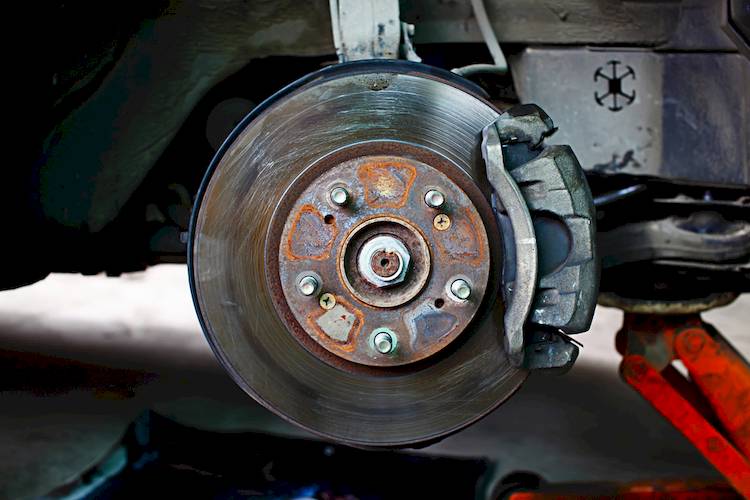
Look for grooves, cracks, or rust on the rotor surface. Deep grooves affect braking smoothness. Cracks can lead to rotor failure. Rust weakens the metal and causes noise. Any visible damage means the rotor should be replaced soon.
Cost Vs. Repair
New rotors cost less than fixing brake problems caused by worn rotors. Repairing warped or damaged rotors takes more time and money. Replacing rotors is often the best choice. It ensures brake safety and saves costs long term.
Credit: www.yourmechanic.com
Extending Rotor Life
Extending the life of your brake rotors saves money and keeps your vehicle safe. Rotors wear down over time, but careful actions can slow this process. Simple steps can make a big difference in rotor durability.
Smooth Braking Techniques
Brake gently and avoid sudden stops. Hard braking heats rotors quickly, causing wear. Gradual pressure lets rotors cool and last longer. Anticipate traffic and slow down early. This reduces stress on brake parts.
Quality Parts Selection
Choose rotors made from durable materials. Cheap rotors wear out faster and may warp. Opt for parts that meet vehicle specifications. Quality parts fit better and perform well. This prevents early damage and improves safety.
Professional Servicing
Have brakes checked regularly by a mechanic. Professionals spot issues before damage occurs. Proper maintenance includes cleaning and measuring rotor thickness. Timely repairs keep rotors in good shape. Trust experts to maintain brake health.
Credit: www.yourmechanic.com
Frequently Asked Questions
How Long Do Brake Rotors Typically Last?
Brake rotors usually last between 30,000 and 70,000 miles. Factors like driving habits and road conditions affect their lifespan significantly.
What Signs Indicate Brake Rotor Replacement Is Needed?
Common signs include vibrations, squealing noises, and reduced braking efficiency. Warped or deeply grooved rotors should be replaced promptly to ensure safety.
Can Brake Rotors Be Resurfaced Instead Of Replaced?
Yes, rotors can be resurfaced if thickness is adequate and damage is minor. Resurfacing restores a smooth surface, improving brake performance and extending rotor life.
How Does Driving Style Impact Brake Rotor Lifespan?
Aggressive braking and frequent stops increase rotor wear. Smooth driving with gradual braking helps extend rotor life and maintains overall brake system health.
Conclusion
Brake rotors usually last between 30,000 and 70,000 miles. Driving habits and road conditions affect their lifespan. Regular checks help spot wear early. Replacing rotors on time keeps your brakes safe and effective. Don’t ignore strange noises or vibrations when braking.
Proper maintenance saves money and prevents accidents. Stay aware and take care of your brake system. Safety on the road starts with good brakes.