

Are your brakes making strange noises or feeling less responsive? You might be wondering, “How much will it cost to change my brakes and rotors?” It’s a question that can make anyone hesitate before heading to the mechanic.
But knowing the right price can save you from surprises and help you keep your car safe without breaking the bank. You’ll discover clear answers and helpful tips to understand exactly what affects the cost and how to get the best value for your money.
Keep reading—you deserve to feel confident every time you hit the road.
Credit: www.jiffylube.com
Brake And Rotor Replacement Basics
Brake and rotor replacement is a key part of car care. It keeps your vehicle safe and running well. Understanding the basics helps you spot problems early. It also guides you in choosing the right parts and knowing when to replace them.
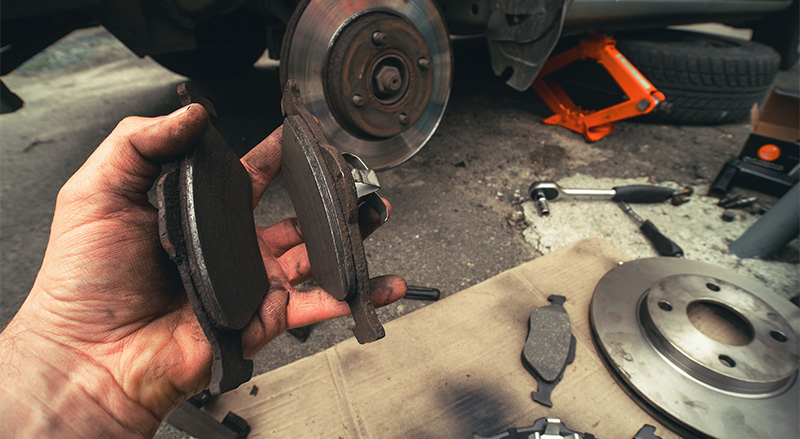
Brakes wear down over time. Rotors can get damaged or warped. Both need checks and timely replacement to avoid accidents or extra costs. Let’s explore the important points about brakes and rotors.
Signs You Need New Brakes And Rotors
Loud squealing or grinding sounds come from your brakes. Your car pulls to one side when braking. The brake pedal feels soft or sinks. Vibrations happen during braking. The brake warning light turns on. These signs mean brake or rotor issues. Acting fast can save money and improve safety.
Types Of Brake Pads And Rotors
Brake pads come in three main types: organic, semi-metallic, and ceramic. Organic pads are quiet and soft but wear fast. Semi-metallic pads last longer and cool well. Ceramic pads are quiet, clean, and durable but cost more.
Rotors come as solid or drilled/slotted. Solid rotors fit most cars and are affordable. Drilled or slotted rotors cool better and resist warping. They suit performance or heavy-duty driving.
Factors Influencing Replacement Frequency
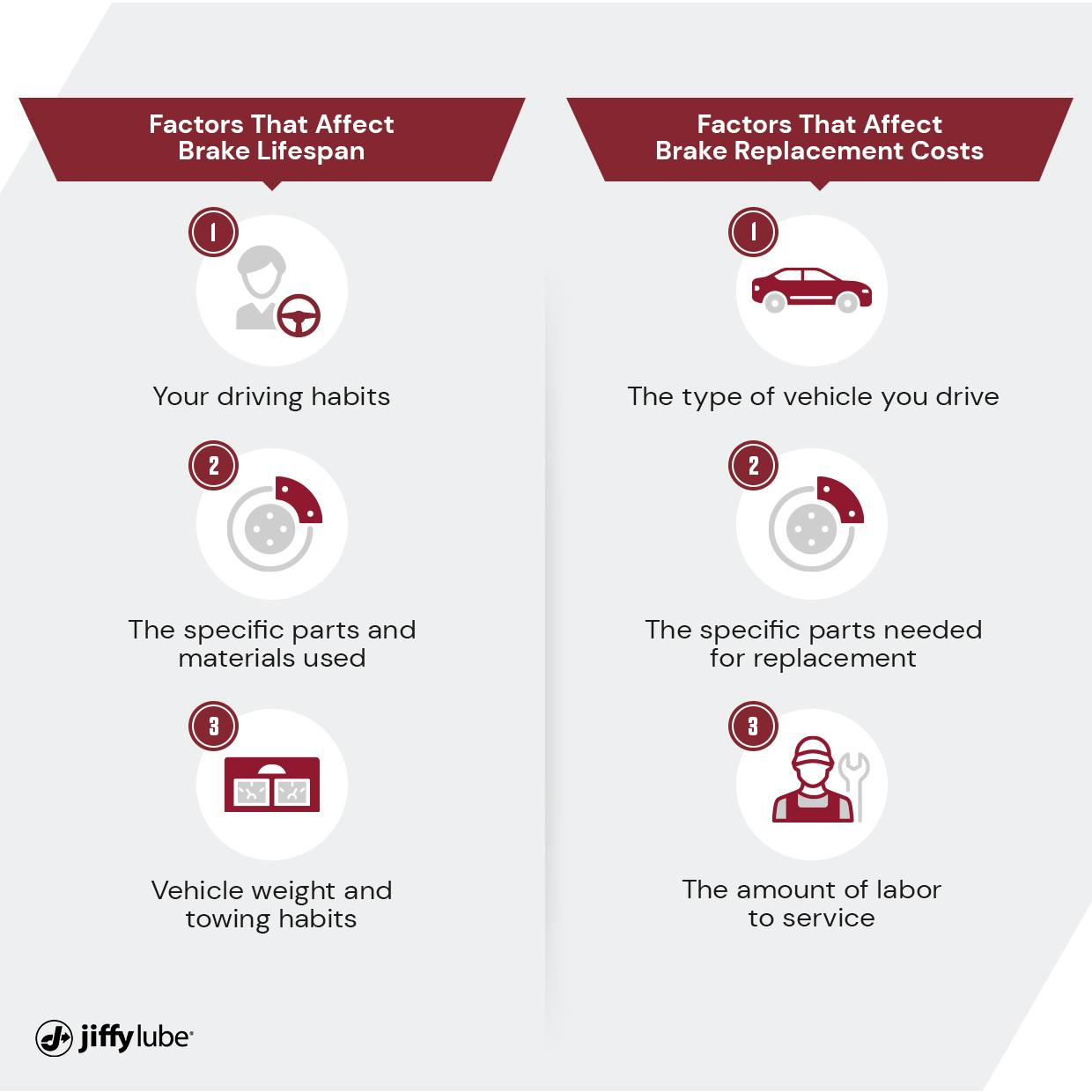
Driving style affects brake wear. Hard braking shortens brake life. City driving with many stops wears brakes faster. Weather also matters; wet or salty roads cause rust. Quality of brake parts influences how long they last. Regular inspections help catch wear early. Proper care can extend brake and rotor life.
Credit: blog.napacanada.com
Cost Breakdown For Brakes And Rotors
Understanding the cost breakdown for brakes and rotors helps in planning your car maintenance budget. Brake repair costs depend on parts and labor. Each factor influences the total price you pay at the shop.
Knowing average prices for brake pads and rotors gives a clearer idea of expenses. Labor charges vary by location and mechanic skill. Vehicle type also affects the overall cost for brake service.
Average Price For Brake Pads
Brake pads usually cost between $30 and $80 per set. The price depends on the brand and material quality. Standard pads are cheaper, while premium ones cost more. Most cars need two sets for both front or rear wheels.
Average Price For Rotors
Rotors often cost between $40 and $100 each. Some high-performance or large vehicle rotors can be more expensive. Rotor quality affects price. Cheaper rotors may wear out faster, leading to earlier replacement.
Labor Costs Explained
Labor charges typically range from $70 to $150 per hour. Replacing brakes and rotors usually takes one to two hours. More complex vehicles can require extra time. Labor cost depends on the mechanic’s expertise and shop rates.
Cost Variations By Vehicle Type
Smaller cars usually have lower brake service costs. Larger trucks and SUVs require bigger parts, raising prices. Luxury or sports cars often need specialized parts and more labor. This increases the overall cost significantly.
Diy Vs. Professional Replacement
Changing brakes and rotors is a common car repair task. Many car owners wonder if they should do it themselves or hire a professional. Each choice has its own benefits and risks. Understanding these can help you decide the best option for your situation.
Pros And Cons Of Diy Brake Service
Doing brake service yourself can save money. Parts cost less without labor fees. You learn new skills and gain confidence in car care. Yet, it takes time and effort. Mistakes can cause safety risks or more damage. Not everyone has a safe workspace or the right tools. DIY is best for those with some mechanical knowledge and patience.
When To Seek Professional Help
Choose a pro if you lack tools or experience. Professionals ensure brakes and rotors fit and work properly. They spot hidden problems that DIY might miss. Brake failure can cause accidents and injuries. Quick and correct service is crucial. Also, some car models require special tools or software. A shop offers warranty and peace of mind.
Tools Needed For Diy Replacement
Basic tools include a jack, jack stands, and lug wrench. You also need a C-clamp or brake caliper tool. A socket set and screwdriver are essential. Brake cleaner and grease help maintain parts. A torque wrench ensures bolts tighten to spec. Having a repair manual or guide is very helpful. Without these tools, the job becomes risky and difficult.
Ways To Save On Brake And Rotor Replacement
Brake and rotor replacement can be costly. Finding ways to save helps manage your budget. Saving money does not mean sacrificing safety or quality. Small choices make a big difference in costs.
Choosing Affordable Parts
Parts vary in price. Choose parts that fit your car and budget. Aftermarket parts often cost less than original equipment. Look for brands with good reviews and warranties. Avoid cheap parts that wear out quickly. Quality parts last longer and save money over time.
Discounts And Coupons
Many shops offer discounts or coupons. Check online for deals before your service. Some stores have seasonal sales or promotions. Ask if they offer discounts for seniors or military. Using coupons can cut the bill by a good amount. Always compare prices from different places.
Maintenance Tips To Extend Brake Life
Proper care extends brake and rotor life. Avoid hard braking and sudden stops. Keep tires inflated to the right pressure. Regularly check brake fluid and replace if dirty. Clean brakes to prevent rust and dirt build-up. These steps reduce wear and delay replacement.
Trends And Predictions For 2025
Brake and rotor changes are essential for vehicle safety. In 2025, many new trends will affect these services. These changes will impact costs, technology, and maintenance needs. Understanding these trends helps drivers plan better for their car care.
Innovations In Brake Technology
Brakes are becoming more advanced. New materials improve strength and reduce wear. Sensors now monitor brake health in real-time. This helps prevent sudden failures. Some brakes will use less dust and noise. These innovations will make brakes safer and cleaner.
Expected Changes In Service Costs
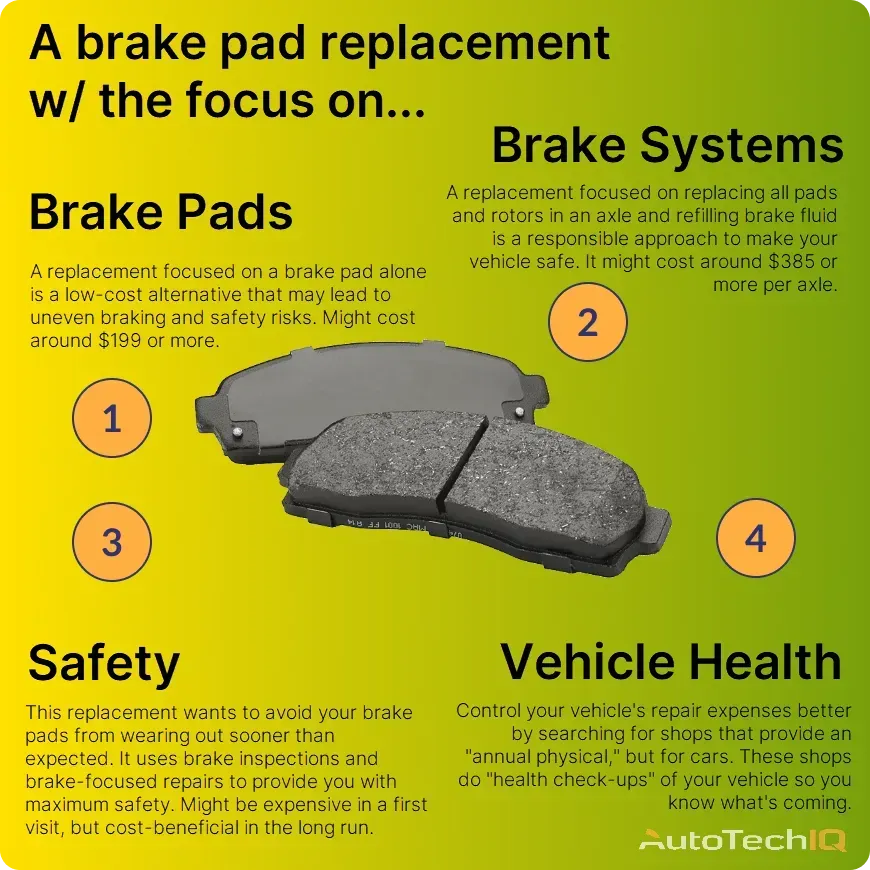
Brake service costs will shift slightly in 2025. New technology parts may cost more at first. Labor costs might change due to new skills needed. Some savings may come from longer-lasting parts. Overall, prices will vary by vehicle and location.
Impact Of Electric Vehicles On Brake Maintenance
Electric vehicles (EVs) use brakes differently than gas cars. They rely on regenerative braking, which reduces rotor wear. This means fewer brake changes for EV owners. Brake parts for EVs might cost more or less. Maintenance routines will adapt to these new needs.
Credit: www.autotechiq.com
Frequently Asked Questions
How Much Does A Brake And Rotor Change Cost?
The average cost to change brakes and rotors ranges between $250 and $500. Prices vary by vehicle type and parts quality.
What Factors Affect Brake And Rotor Replacement Prices?
Costs depend on vehicle model, labor rates, and parts used. Premium rotors or brake pads increase the total price.
How Often Should Brakes And Rotors Be Replaced?
Brakes and rotors typically need replacement every 30,000 to 70,000 miles, depending on driving habits and conditions.
Can I Replace Brakes And Rotors Myself To Save Money?
Yes, if you have tools and mechanical skills. However, improper installation risks safety and may cause more damage.
Conclusion
Brake and rotor replacement costs vary by car type and location. Choosing quality parts helps ensure safety and long-term value. Regular brake checks prevent costly repairs and keep you safe. Always compare prices and services before deciding. Timely maintenance saves money and avoids unexpected breakdowns.
Keep your brakes in good shape for smooth, safe driving.


