Is your car’s braking feeling a bit rough or squeaky? Rust on your brake rotors could be the culprit.
But what if you could remove that rust without the hassle of taking off your wheels? Imagine saving time, effort, and avoiding unnecessary tools—all while getting your brakes back to smooth and safe. You’ll discover simple, effective ways to clear rust from your brake rotors quickly and easily, right where they are.
Keep reading to learn how to get your brakes working like new again without the extra work you’d expect.
Signs Of Rust On Brake Rotors
Rust on brake rotors is common, especially after a car sits unused for a while. Recognizing rust early helps keep your brakes working well. Rust can cause noise, vibration, and poor brake response. Spotting signs of rust lets you act before it worsens. Below are key signs to watch for on your brake rotors.
Visual Rust Indicators
Rust often looks like an orange or brown coating on the rotor surface. It may appear as small spots or cover the whole rotor. The rust is usually flaky or rough to touch. Sometimes, rust forms around the edges or near the wheel hub. Light rust can appear after rain or washing the car. Heavy rust looks more serious and may cause pitting.
Impact On Braking Performance
Rust on rotors affects how well brakes work. It can cause the brake pedal to feel spongy or uneven. You might hear squeaking or grinding noises while braking. Rust build-up can make brakes less responsive and increase stopping distance. Vibrations or pulsations in the brake pedal are common with rusty rotors. These signs show rust is interfering with safe braking.

Credit: bookmyboat.ca
Tools Needed For Rust Removal
Removing rust from brake rotors without taking off the wheel needs the right tools. Having proper supplies makes the job easier and safer. Prepare everything before starting to avoid interruptions.
Essential Cleaning Supplies
Start with a wire brush or a wire wheel attached to a drill. These help scrub off the rust fast. Use brake cleaner spray to remove dirt and grease. Clean rags or paper towels help wipe the surface. Sandpaper or a sanding block can smooth rough spots. A container for the cleaner keeps your workspace tidy.
Safety Equipment
Rust removal can create dust and debris. Wear safety goggles to protect your eyes. Use gloves to keep your hands safe from chemicals and sharp edges. A dust mask stops you from breathing in rust particles. Dress in old clothes to avoid stains. Proper safety gear keeps you comfortable and secure.
Preparing Your Vehicle
Preparing your vehicle is the first step before removing rust from brake rotors without taking off the wheel. This step ensures safety and stability during the process. Proper preparation helps prevent accidents and makes the task easier. Follow simple but important steps to get your car ready.
Parking And Securing The Car
Park your car on a flat and solid surface. Avoid slopes or uneven ground. Apply the parking brake firmly. Turn off the engine and remove the key from the ignition. Place wheel chocks or blocks behind the wheels that will stay on the ground. This stops the car from moving unexpectedly.
Ensuring Wheel Stability
Check that the wheels are steady and will not roll. Use a jack stand for extra support if you lift the car slightly. Make sure the wheel you want to work on does not wobble. A stable wheel allows you to clean the rotor safely and effectively. Stability reduces the risk of injury during the task.
Step-by-step Rust Removal Process
Removing rust from brake rotors without taking off the wheel is possible. This step-by-step process helps clean the rust safely and quickly. Follow each step carefully to restore your rotors and improve braking performance.
Applying Rust Remover
Choose a rust remover made for metal surfaces. Spray or apply it directly onto the rusty areas of the rotor. Let the remover sit for 5 to 10 minutes. This softens the rust and makes it easier to clean. Avoid letting the product dry completely on the rotor.
Scrubbing The Rotor Surface
Use a stiff brush or a scouring pad to scrub the rotor. Focus on the rusty spots and move in a circular motion. Apply firm but gentle pressure. This helps remove rust without damaging the rotor. Repeat scrubbing until most rust is gone.
Wiping And Inspecting
Wipe the rotor with a clean cloth to remove residue. Check the rotor surface for any remaining rust patches. If rust remains, repeat the rust remover and scrubbing steps. Once clean, make sure the rotor is dry before driving. Proper cleaning keeps brakes working well and safe.
Alternative Methods For Minor Rust
Minor rust on brake rotors is common, especially after a car sits unused. Removing this rust does not always need wheel removal or complex tools. Simple methods can clear the rust and restore smooth braking quickly. These alternative ways work well for light surface rust and keep your brakes ready to perform.
Driving To Naturally Remove Rust
One easy way to clear rust is to drive your car. Rust often forms from moisture and air exposure. When you drive, the brake pads rub against the rotors. This friction scrapes off the thin rust layer. It usually takes a short drive on dry roads to clean the rotors. Avoid heavy braking during this time. Gentle braking helps remove rust without wearing out brake parts.
Using Brake Cleaner Spray
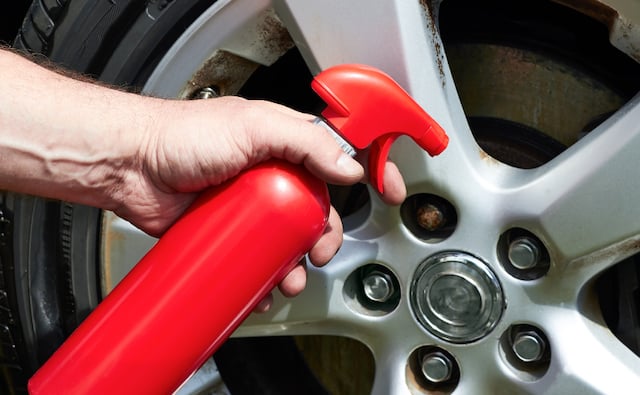
Brake cleaner spray is another effective option. Spray it directly on the rotor surface through the wheel gaps. The cleaner dissolves rust and dirt quickly. Let it sit for a minute, then brake gently to wipe off the loosened rust. This method is safe for brake parts and easy to use. It also removes oil and grease, improving brake grip and performance.
Credit: www.buybrakes.com
Preventing Future Rust Build-up
Rust on brake rotors can cause problems like noise and uneven braking. Preventing rust build-up saves time and money. It also keeps your brakes working well for longer.
Simple steps can protect your rotors from rust. Small efforts make a big difference over time. Follow these tips to keep rust away and ensure safety on the road.
Regular Maintenance Tips
Check your brake rotors often for signs of rust. Clean them gently with a wire brush or brake cleaner. Avoid harsh chemicals that can damage parts.
Drive your car regularly to stop moisture from settling on rotors. Short trips may not heat the brakes enough to dry them. Long drives help remove surface rust.
Keep your wheels tightened properly. Loose wheels let dirt and water reach the rotors. Store your car in a dry place if possible.
Protective Coatings
Apply anti-rust spray or brake rotor paint to form a protective layer. This layer blocks moisture and slows rust formation. Use products made for brake parts only.
Reapply coatings after cleaning or every few months. Check manufacturer instructions for the best results. Avoid covering the braking surface to keep performance safe.
Consider ceramic coatings for long-lasting protection. They resist heat and rust well. Ceramic coatings may need professional application.
When To Seek Professional Help
Knowing when to seek professional help is important for brake rotor rust issues. Some rust problems are simple to fix at home. Others can be dangerous and need expert care. Understanding the signs helps keep your car safe and working well.
Rust on brake rotors affects braking ability. Sometimes, rust is only surface-level and easy to remove. Other times, the damage is deep or severe. Choosing the right option can save time and money.
Signs Rust Is Too Severe
Deep grooves or pitting on rotors show severe rust. Rust that flakes off or causes noise during braking also signals a problem. If braking feels uneven or the pedal vibrates, rust may be too bad to fix alone. Visual checks alone might miss hidden damage. Severe rust often needs rotor replacement or professional resurfacing.
Risks Of Diy Rust Removal
Removing rust without proper tools can harm the rotor. Using harsh chemicals or rough tools can worsen damage. Mistakes can reduce braking power and cause safety risks. DIY methods may not fully remove rust, leading to faster return. Professionals use correct tools and techniques to protect your brakes. Avoid risks by trusting experts with serious rust problems.

Credit: www.youtube.com
Frequently Asked Questions
How Can I Remove Rust From Brake Rotors Without Wheel Removal?
You can remove rust by using a wire brush or sandpaper through the wheel openings. Applying a rust remover spray also helps dissolve surface rust without wheel removal.
Is It Safe To Drive With Rusted Brake Rotors?
Light rust on rotors is usually harmless and clears after driving. However, heavy rust can reduce braking efficiency and should be removed promptly.
What Tools Are Needed To Clean Brake Rotors Without Removing Wheels?
Essential tools include a wire brush, sandpaper, rust remover spray, and a rag. These help scrub and clean rust off rotors without wheel removal.
How Often Should Brake Rotors Be Cleaned To Prevent Rust?
Cleaning rotors every few months or after exposure to moisture prevents rust buildup. Regular maintenance ensures optimal braking performance and rotor longevity.
Conclusion
Rust on brake rotors can cause noise and reduce braking power. Cleaning rust without removing the wheel saves time and effort. Use simple tools like a wire brush or sandpaper for best results. Regular maintenance keeps your brakes safe and working well.
Always check your work and test brakes carefully after cleaning. Taking small steps can prevent bigger problems later. Keep your car safe and smooth by removing rust early.