

Have you ever wondered how much fuel should actually be in your fuel filter? It’s a simple question, but the answer can make a big difference to your vehicle’s performance and longevity.
If your fuel filter isn’t filled just right, you could face engine problems or costly repairs down the road. You’ll discover exactly what the right amount of fuel is and why it matters for your engine’s health. Keep reading—understanding this small detail could save you time, money, and frustration.
Credit: www.opelgt.com
Fuel Filter Basics
Understanding the basics of a fuel filter helps keep your vehicle running smoothly. The fuel filter cleans the fuel before it reaches the engine. Clean fuel means better engine performance and longer engine life.
The fuel filter also stops dirt, rust, and other particles from entering the engine. These particles can cause damage and reduce fuel efficiency. Knowing the fuel filter basics helps in maintaining your car properly.
Purpose Of A Fuel Filter
The main job of a fuel filter is to remove impurities from the fuel. It protects the engine parts from damage caused by dirt and debris. A clean filter ensures the fuel flows smoothly to the engine. This helps the engine burn fuel more efficiently. A blocked filter can cause poor engine performance and increased fuel consumption.
Types Of Fuel Filters
There are several types of fuel filters used in vehicles. The most common types include cartridge filters and spin-on filters. Cartridge filters are often found inside a housing and require replacement of just the filter element. Spin-on filters look like small cans and are replaced entirely. Some vehicles use in-line filters placed along the fuel line. Each type works to keep the fuel clean and protect the engine.
Fuel Quantity In Filters
The amount of fuel inside a fuel filter matters a lot. It helps the engine run smooth and clean. Too little fuel can cause problems. Too much fuel can also be an issue. Understanding fuel quantity in filters helps keep engines healthy. This section explores typical fuel levels and factors that affect fuel amount in filters.
Typical Fuel Levels
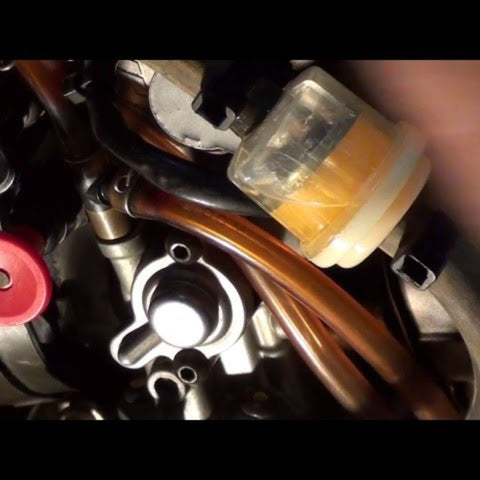
Fuel filters usually hold just enough fuel to do their job. Most filters contain a small amount of fuel, enough to keep the filter wet. This wetness prevents air from entering the fuel system. Usually, the fuel level inside the filter stays consistent during engine operation. It varies from a few milliliters to a small cup, depending on the filter size.
Fuel filters do not store large fuel quantities. Their main job is to clean fuel before it reaches the engine. The fuel amount should be enough to cover the filter media fully. This helps trap dirt and particles effectively.
Factors Affecting Fuel Amount
Several things affect how much fuel is in the filter. Engine type and size change the fuel flow and volume. A bigger engine often needs a larger filter with more fuel capacity. Fuel pump pressure also plays a role in maintaining proper fuel levels.
Fuel quality affects filter performance too. Dirty or contaminated fuel can clog filters faster and reduce fuel flow. Temperature changes impact fuel viscosity, influencing how fuel moves through the filter. Regular maintenance keeps fuel levels steady and prevents fuel starvation or flooding in the filter.
Fuel Filter Maintenance
Fuel filter maintenance is key to keeping your engine running smoothly. The fuel filter cleans dirt and rust from the fuel before it reaches the engine. Over time, the filter can fill with debris and fuel. This can affect how much fuel flows to the engine and reduce performance. Regular checks and timely replacements help avoid engine problems.
Signs Of Low Fuel In Filter
Low fuel in the filter can cause the engine to sputter or stall. You may notice a loss of power during acceleration. The engine might run rough or hesitate. Sometimes, the car may fail to start. These signs often point to a clogged or dry fuel filter.
When To Replace The Filter
Replace the fuel filter every 20,000 to 40,000 miles. Check your vehicle’s manual for exact timing. Also, change the filter if you see the warning signs. A clean fuel filter ensures steady fuel flow. This helps maintain engine performance and fuel efficiency.

Credit: www.youtube.com
Impact Of Fuel Levels On Engine
The level of fuel in the fuel filter plays a crucial role in engine health. It affects how well the engine runs and how much fuel it uses. Fuel filters clean the fuel before it reaches the engine. Too little fuel in the filter can cause problems. Too much fuel can also lead to issues. Understanding this balance helps keep the engine in good shape.
Performance Issues
Low fuel in the filter can cause the engine to sputter. The engine may stall or hesitate during acceleration. Dirt and debris can block the filter if fuel levels drop. This blockage reduces fuel flow and power. Engines need a steady fuel flow to run smoothly. An empty or nearly empty fuel filter disrupts this flow. This leads to rough idling and poor acceleration.
Fuel Efficiency Concerns
Incorrect fuel levels in the filter can lower fuel efficiency. The engine uses more fuel to compensate for poor flow. This wastes fuel and reduces miles per gallon. A clogged or dry filter forces the engine to work harder. This extra effort burns more fuel than normal. Keeping the right fuel level helps the engine burn fuel cleanly. This saves money and reduces pollution.
Best Practices For Fuel Filter Care
Fuel filters play an important role in keeping engines clean and running smoothly. Proper care extends their life and improves fuel efficiency. Knowing the best practices for fuel filter care helps avoid problems and costly repairs.
Regular Inspection Tips
Check the fuel filter regularly for dirt and debris. Look for cracks or leaks around the filter. Listen for engine sputtering or loss of power. These signs may mean the filter is clogged. Replace the filter as recommended by the vehicle manual. Regular checks keep the fuel system clean and protect the engine.
Choosing The Right Fuel Filter
Select a fuel filter that matches your vehicle’s make and model. Using the correct filter ensures proper fuel flow. Choose filters from trusted brands for quality and durability. Avoid cheap, low-quality filters that may fail quickly. The right filter improves engine performance and saves money in the long run.
Credit: riiroo.com
Frequently Asked Questions
How Much Fuel Should Be In The Fuel Filter?
The fuel filter should be filled just enough to cover the filter element. Overfilling can cause leaks or reduce filtration efficiency. Proper fuel level ensures optimal engine performance and prevents air from entering the fuel system.
Why Is Fuel Level Important In The Fuel Filter?
Maintaining the correct fuel level prevents air bubbles and clogging. It ensures clean fuel reaches the engine, improving combustion and performance. Incorrect fuel levels can cause engine hesitation or damage fuel system components.
Can Too Much Fuel Damage The Fuel Filter?
Yes, excess fuel can overflow or leak, causing contamination and damage. Overfilled fuel filters may reduce filtration effectiveness, leading to engine problems. Always follow manufacturer guidelines for the correct fuel amount.
How Often Should You Check The Fuel Filter Level?
Check the fuel filter level during routine vehicle maintenance or fuel system servicing. Regular inspection helps detect leaks or blockages early. This practice prolongs engine life and maintains fuel efficiency.
Conclusion
Fuel filters need the right amount of fuel to work well. Too little fuel can cause engine problems. Too much fuel might make the filter spill or clog. Check your vehicle’s manual for the exact fuel level. Regularly inspect and clean the fuel filter to keep your engine healthy.
Small care steps help your vehicle run smoothly and last longer. Keep fuel filters balanced for better performance and fewer repairs. Simple actions save time and money in the long run.


