

When it comes to keeping your fuel injection system running smoothly, choosing the right micron filter is crucial. But how do you know which micron size is best for your vehicle?
Using the wrong filter can cause clogged injectors, poor engine performance, or even damage over time. You’ll discover exactly how many microns your fuel injection filter should have to protect your engine and boost efficiency. By the end, you’ll feel confident in making the right choice to keep your ride in top shape.
Keep reading to unlock the key to cleaner fuel and a healthier engine.
Fuel Injection Basics
Fuel injection is a key part of modern engines. It controls how fuel enters the engine. This process helps engines run smoothly and use fuel well. Understanding fuel injection basics helps you choose the right parts. One important part is the fuel filter, which protects the system.
This section explains types of fuel injection systems and the role of fuel filters. Knowing these can help with maintenance and performance.
Types Of Fuel Injection Systems
There are two main types of fuel injection systems. The first is port fuel injection. It sprays fuel just before the engine’s intake valve. This method mixes fuel and air before entering the cylinder.
The second type is direct fuel injection. It sprays fuel directly into the cylinder. This allows better control of fuel and air mix. Direct injection improves power and fuel efficiency.
Role Of Fuel Filters
Fuel filters clean dirt and debris from fuel. Clean fuel protects the fuel injectors. Dirty fuel can clog injectors and damage the engine. A good fuel filter keeps the system safe and running well.
Choosing the right micron size for a fuel filter is crucial. It ensures proper filtration without restricting fuel flow. Filters that are too fine can reduce fuel flow. Filters that are too coarse may let dirt pass through.

Credit: www.speedwaymotors.com
Micron Rating Explained
Understanding the micron rating is key to choosing the right fuel filter. It tells you how small the particles the filter can catch are. This helps protect your fuel injection system from damage and keeps your engine running smoothly.
What Micron Size Means
Micron size measures the filter’s ability to trap tiny particles. One micron equals one millionth of a meter. The smaller the micron number, the finer the filter. For example, a 10-micron filter catches larger particles than a 2-micron filter. Choosing the right size depends on your fuel system’s needs.
Impact On Fuel Filtration
The micron rating affects how clean the fuel will be. Smaller micron filters remove more dirt, rust, and debris. This protects fuel injectors and helps maintain engine performance. Yet, very fine filters can reduce fuel flow if not matched correctly. Balancing filtration and fuel flow is crucial for engine health.
Choosing The Right Micron Filter
Fuel injection systems need clean fuel for good performance. Dirt and debris can cause damage and reduce engine life. Choosing the right micron filter helps keep fuel clean. It protects the fuel injectors and improves engine efficiency.
Picking the correct micron size depends on many things. The filter must catch small particles but allow fuel to flow easily. The wrong filter can block fuel or let dirt pass. This section explains how to choose the right micron filter for fuel injection.
Factors Influencing Micron Selection
Fuel type affects the micron filter choice. Diesel fuel often needs finer filters than gasoline. Engine design also matters. Some engines require very clean fuel for proper injection.
Operating conditions like temperature and pressure play a role. High-performance engines may need smaller micron filters. The quality of the fuel source is important too. Poor quality fuel needs finer filtration to protect injectors.
Common Micron Ratings For Fuel Injection
Fuel injection filters usually range between 2 and 30 microns. A 10-micron filter is common for many gasoline engines. Diesel engines often use 2 to 5-micron filters for better protection.
Smaller micron filters catch finer particles but can clog faster. Larger micron filters allow better flow but catch bigger particles only. Choosing a rating depends on balancing fuel cleanliness and flow rate.
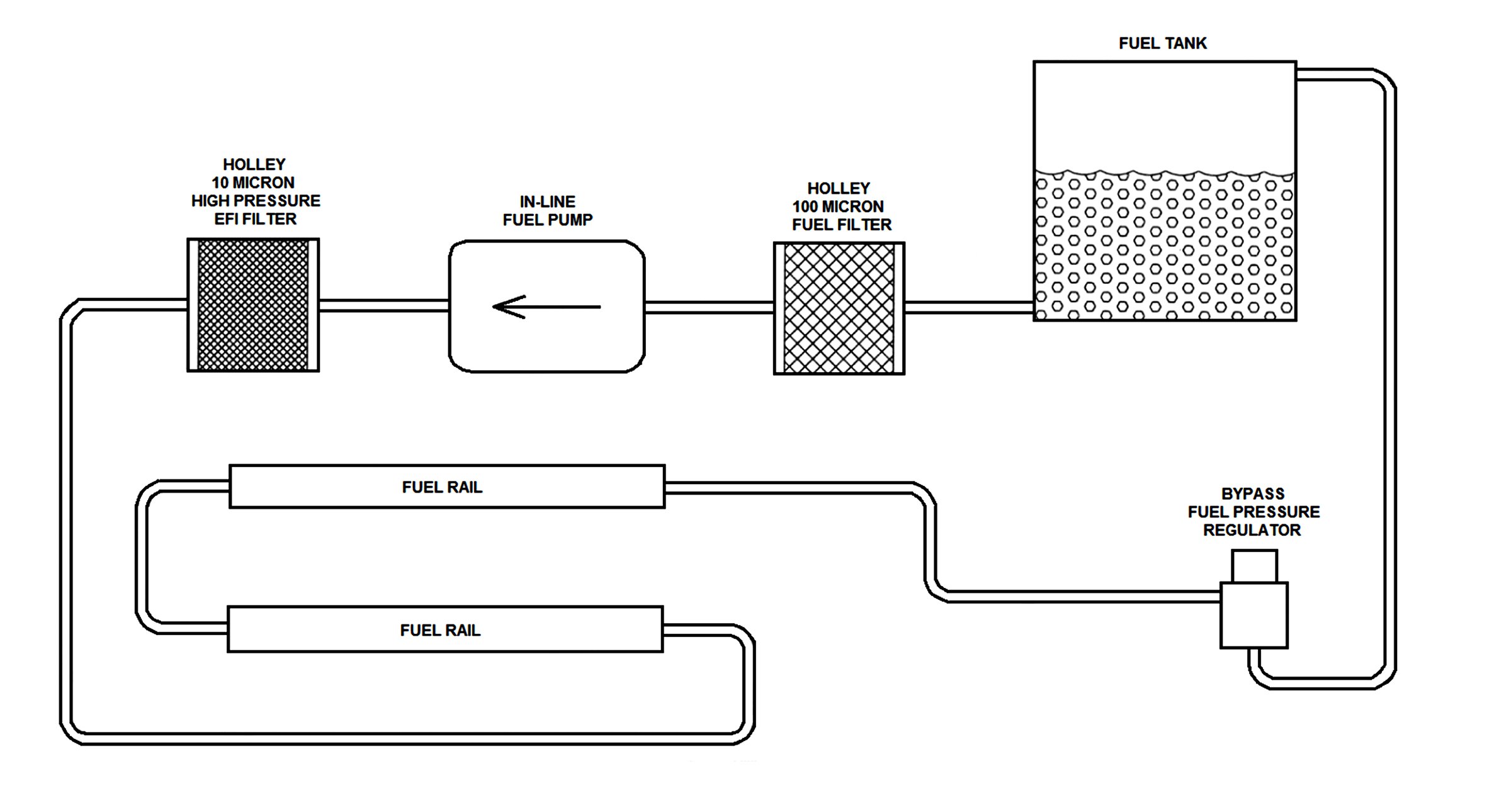
Credit: www.holley.com
Effects Of Incorrect Micron Size
Choosing the wrong micron filter size for fuel injection causes many problems. It affects engine performance and fuel system health. The filter must block dirt but allow enough fuel flow. Using the wrong size leads to either poor filtration or fuel starvation. Both harm your engine and reduce its lifespan. Understanding these effects helps you pick the right filter.
Risks Of Too Large Micron Filters
Filters with too large micron size let dirt and debris pass. These particles can clog injectors and damage engine parts. Dirt buildup reduces fuel efficiency and power output. Over time, this causes costly repairs and engine failure. A large filter size fails to protect the fuel system properly.
Also, dirty fuel causes rough idling and poor acceleration. It increases emissions and can lead to engine stalling. The engine works harder, wasting fuel and reducing performance. Overall, too large filters cause serious damage and higher maintenance costs.
Risks Of Too Small Micron Filters
Filters with too small micron size block even tiny particles. This sounds good but causes fuel flow restriction. The fuel pump works harder to push fuel through the tight filter. This can lead to pump wear and early failure.
Small filters clog faster, requiring frequent replacements. Fuel starvation risks increase, causing misfires and engine hesitation. The engine may run lean and overheat, damaging components. Using too small filters reduces reliability and raises maintenance efforts.
Filter Materials And Technologies
Choosing the right filter material and technology is key for clean fuel injection. The filter traps dirt and tiny particles. This keeps the fuel system safe and working well. Different materials and technologies offer various levels of protection.
Understanding these options helps pick the best filter for your engine. The right filter improves fuel flow and engine life. It also stops damage caused by dirty fuel.
Common Filter Media
Paper is the most common filter material. It catches small dirt particles and is cost-effective. Many fuel filters use pleated paper for more surface area.
Foam filters trap larger particles and are washable. They are less common in fuel injection systems but useful in some cases.
Wire mesh is another material. It filters larger debris and supports finer media inside. It helps keep the filter stable under pressure.
Advanced Filtration Technologies
Synthetic fibers improve dirt capture and last longer than paper. These fibers resist moisture and heat well.
Nanofiber technology uses very fine fibers. It traps particles smaller than traditional filters. This tech is growing in fuel injection filters.
Some filters use multiple layers. Each layer targets different particle sizes. This design boosts overall filtration and fuel flow.

Credit: yourpghlawyer.com
Maintenance And Replacement Tips
Proper maintenance and timely replacement of your fuel injection filter keep your engine running smoothly. A clean filter protects the fuel system from dirt and debris. Neglecting the filter can cause poor engine performance and damage. Regular checks and knowing when to replace the filter are key to avoiding costly repairs.
Signs Of Filter Clogging
Watch for engine hesitation or rough idling. The engine may lose power during acceleration. Hard starts or frequent stalling can also signal a clogged filter. You might notice a drop in fuel efficiency. Strange noises from the fuel pump can indicate strain caused by a blocked filter.
Recommended Replacement Intervals
Replace the fuel injection filter every 20,000 to 40,000 miles. Check your vehicle’s manual for specific guidance. Change the filter sooner if driving in dusty or dirty conditions. Frequent filter changes help maintain fuel flow and engine health. Keep a regular schedule to avoid unexpected breakdowns.
Optimizing Fuel Efficiency
Optimizing fuel efficiency is important for saving money and protecting the environment. Fuel injection systems need clean fuel to work well. Using the right micron filter helps keep dirt and particles out. This keeps the engine running smoothly and uses fuel better.
Choosing the correct micron filter size affects how well the fuel system works. A filter that is too fine can slow fuel flow. A filter that is too coarse lets dirt through. Finding the right balance improves fuel efficiency.
Filter Impact On Engine Performance
The fuel filter catches dust, rust, and dirt from the fuel. If the filter is clogged, the engine gets less fuel. This causes poor performance and higher fuel use. A clean, proper micron filter helps the engine run stronger. It keeps fuel flow steady and prevents damage to engine parts.
Best Practices For Fuel System Care
Replace fuel filters regularly based on your vehicle’s guide. Use the recommended micron size for your fuel injection system. Avoid cheap, low-quality filters that may not protect well. Keep the fuel tank clean and avoid filling from dirty sources. Regular checks help catch problems early and keep fuel efficient.
Troubleshooting Fuel Filter Issues
Troubleshooting fuel filter issues is important for maintaining your vehicle’s fuel injection system. A clogged or dirty fuel filter can cause engine problems and reduce performance. Identifying problems early helps avoid costly repairs and keeps your engine running smoothly.
Fuel filters protect the fuel injection system by trapping dirt and debris. Over time, these filters can become blocked. Knowing common problems and how to solve them can save time and money.
Common Problems And Solutions
One common problem is reduced engine power. This happens when the fuel filter is clogged and fuel flow decreases. Replacing the filter usually solves this issue.
Another issue is engine misfires or rough idling. Dirt in the fuel filter can cause inconsistent fuel supply. Cleaning or changing the filter can restore smooth engine operation.
Fuel leaks near the filter area also occur. Check for cracks or loose connections. Tighten fittings or replace damaged parts to stop leaks.
When To Consult A Professional
Fuel filter problems can sometimes be complex. Persistent engine trouble after replacing the filter needs expert help.
Signs like sudden stalling or difficulty starting may require professional diagnosis. Mechanics have tools to test fuel pressure and inspect the system.
Consult a professional if you notice fuel leaks or suspect contamination. Safety is important when dealing with fuel system components.
Frequently Asked Questions
What Micron Filter Is Best For Fuel Injection Systems?
A 10-micron filter is commonly recommended for fuel injection systems. It effectively removes dirt and debris while maintaining proper fuel flow. This micron size protects injectors from clogging and ensures optimal engine performance.
Why Use A 10-micron Filter For Fuel Injection?
A 10-micron filter balances filtration and fuel flow. It traps harmful particles without restricting fuel delivery. This prevents injector damage and maintains efficient combustion, improving engine reliability and longevity.
Can Smaller Micron Filters Harm Fuel Injection?
Filters smaller than 10 microns may restrict fuel flow. This can cause fuel starvation and poor engine performance. Using the right micron size ensures clean fuel without compromising system efficiency.
How Often Should Fuel Injection Filters Be Replaced?
Fuel injection filters should be replaced every 20,000 to 30,000 miles. Regular replacement prevents clogging and protects injectors. Follow your vehicle manufacturer’s guidelines for best results.
Conclusion
Choosing the right micron filter keeps your fuel injection system clean. A 10 to 30 micron filter usually works best. It stops dirt without blocking fuel flow. Clean fuel means better engine performance and longer life. Always check your vehicle’s manual for specific advice.
Regular filter changes prevent costly repairs. Keep your engine running smoothly and avoid downtime. Small steps like this make a big difference. Trust in simple care for reliable driving every day.


