

Are you hearing squeaks or feeling vibrations when you brake? It might be time to change your brake pads and rotors.
But before you head to the mechanic, you’re probably wondering—how much is a brake and rotor change going to cost you? Knowing the price upfront can help you avoid surprises and make smarter choices for your car and wallet. You’ll discover the typical costs, what affects the price, and tips to save money without compromising safety.
Keep reading to get the full picture and protect your ride today.
Credit: www.jiffylube.com
Brake And Rotor Change Basics
Brakes and rotors are key parts of your car’s stopping system. They work together to slow down or stop your vehicle safely. Over time, these parts wear out and need replacing to keep your car safe on the road.
Changing brake pads and rotors is a common maintenance task. It helps avoid accidents and saves money on bigger repairs. Knowing the basics helps you understand why and when to replace them.
Signs You Need A Replacement
Listen for squeaking or grinding sounds when braking. These noises mean the brake pads are worn out. Feeling a vibration or pulsing in the brake pedal is another warning sign. Your car may also take longer to stop than usual. If the brake warning light on your dashboard turns on, check the brake system immediately.
Types Of Brake Pads And Rotors
Brake pads come in three main types: ceramic, semi-metallic, and organic. Ceramic pads are quiet and last long but cost more. Semi-metallic pads provide good stopping power and are less expensive. Organic pads are softer and cheaper but wear out faster.
Rotors can be solid, vented, or drilled. Solid rotors are simple and cheaper. Vented rotors have cooling channels to reduce heat. Drilled rotors have holes for better cooling and performance. Choosing the right type depends on your driving style and car model.
Credit: www.aaa.com
Cost Factors
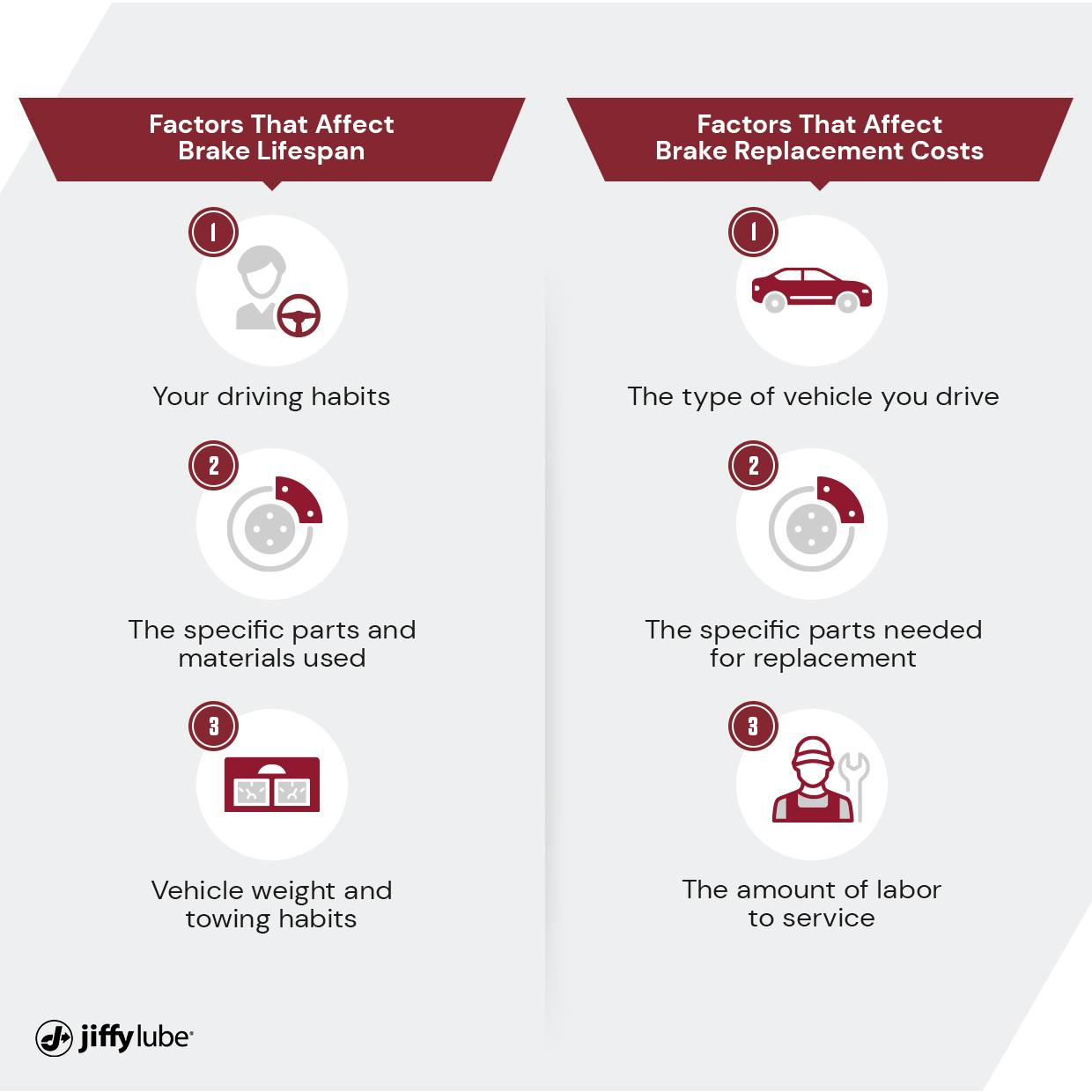
Several factors affect the cost of a brake and rotor change. Understanding these helps plan your budget better. Costs vary widely depending on parts, labor, and your vehicle type. Each element plays a crucial role in the final price.
Parts Price Range
Brake pads and rotors come in many types and qualities. Standard parts cost less but may wear out faster. Premium parts last longer but have a higher price. Prices for brake pads range from $30 to $100 per set. Rotors can cost between $40 and $150 each. The choice of parts greatly influences the total parts price.
Labor Costs Explained
Labor charges depend on the shop and location. Mechanics usually charge between $70 and $120 per hour. A brake and rotor change typically takes one to two hours. Complex jobs or damaged parts may require extra time. Labor costs add a significant amount to the total bill.
Vehicle Make And Model Impact
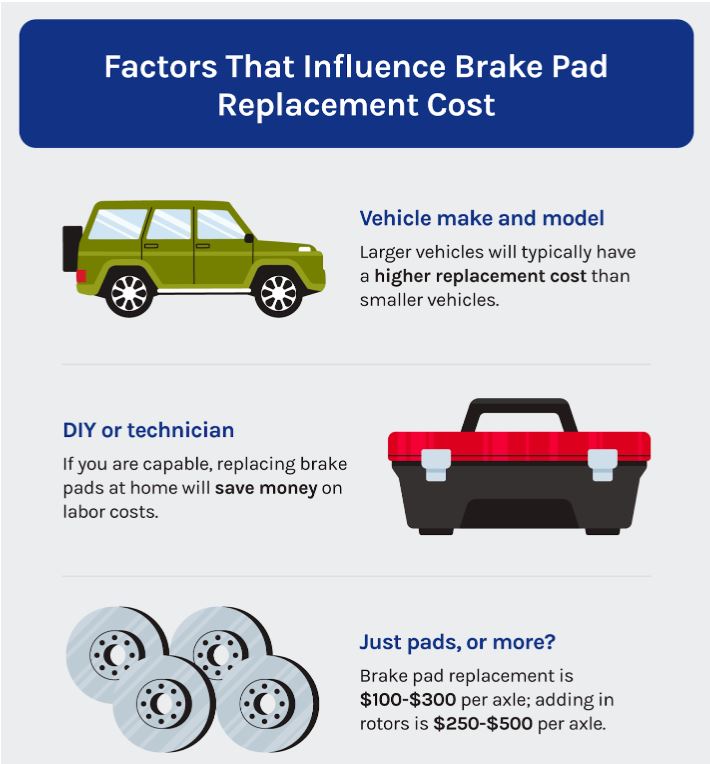
Some cars need special parts or tools. Luxury and performance vehicles often have higher costs. Older cars may require more work if parts are hard to find. Small cars usually have cheaper brake service. The type of vehicle is a key factor in cost differences.
Average Cost Estimates
Knowing the average cost of brake and rotor changes helps plan your car maintenance budget. Costs vary by car type, parts quality, and labor charges. Understanding these costs guides you to make smart decisions.
Brake Pad Replacement Costs
Brake pad replacement usually costs between $100 and $300. This price includes parts and labor. Economy brake pads are cheaper but wear out faster. Premium pads cost more but last longer. The cost depends on your car model and mechanic rates.
Rotor Replacement Costs
Replacing brake rotors costs more than pads. Expect to pay from $200 to $400 per axle. Rotors must match your vehicle’s size and type. Some cars need special rotors, raising the price. Labor time for rotor replacement is longer than for pads.
Combined Brake And Rotor Change Pricing
Changing both brake pads and rotors together saves money on labor. Total cost ranges from $300 to $700 for one axle. This price varies by car type and parts quality. Combining services avoids repeated shop visits and extra fees.
Diy Vs Professional Service
Deciding between doing a brake and rotor change yourself or hiring a professional is important. Both options have benefits and drawbacks. Understanding these can help you save money and stay safe on the road.
Pros And Cons Of Diy
Doing the brake and rotor change yourself can save labor costs. You only pay for parts. It gives you control over the work and timing. Learning new skills feels good.
DIY risks include improper installation. This can cause brake failure or damage. You need proper tools and a safe workspace. It takes time, especially if you are a beginner. Mistakes can cost more later.
When To Choose A Mechanic
Choose a mechanic if you lack experience or tools. Professionals ensure the job meets safety standards. They can spot related problems during the service. A mechanic saves you time and stress.
Complex brake systems need expert care. If your car is under warranty, professional service might be required. Mechanics provide warranties on their work. This protects you from future costs.
Money-saving Tips
Changing brakes and rotors can be costly. Saving money on this repair is important. Simple tips help reduce costs. Spending less does not mean low quality. Smart choices protect your car and wallet.
Choosing Quality Parts
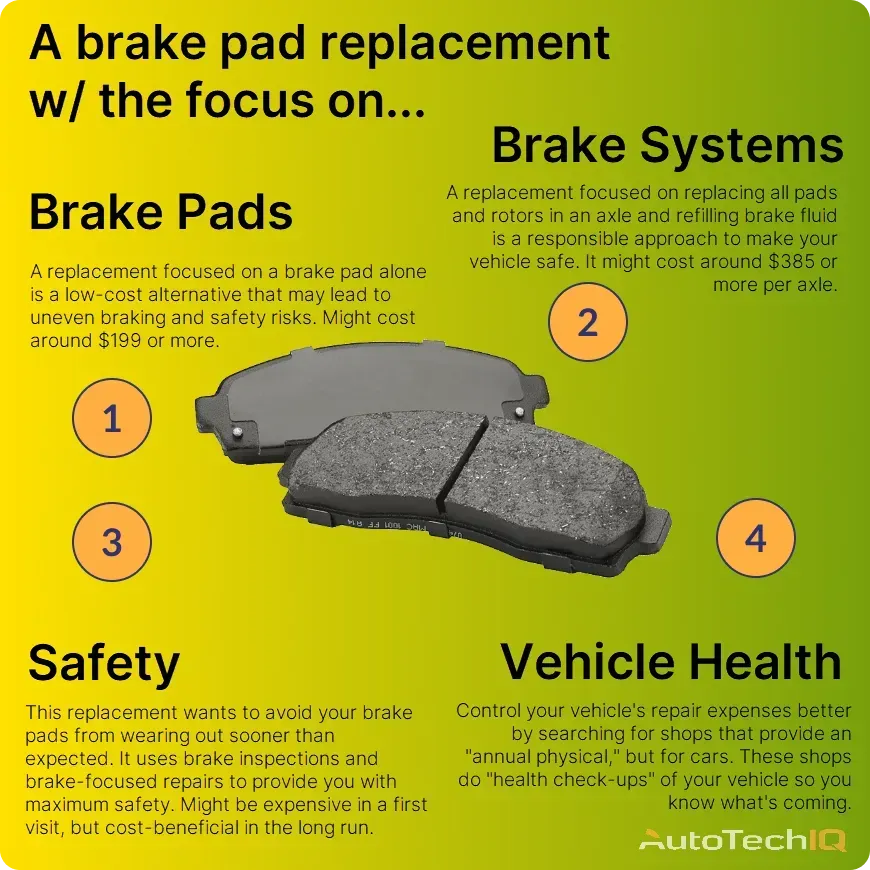
Pick parts that last long. Cheap parts wear out fast. Good parts save money over time. Look for trusted brands. Ask the mechanic about part quality. Quality parts fit well and work better.
Finding Discounts And Deals
Search for coupons or special offers. Many shops offer discounts on brake services. Check online for promotions. Some stores sell parts cheaper during sales. Save money by comparing prices before buying.
Maintenance To Extend Brake Life
Clean brakes regularly to avoid dirt build-up. Avoid hard braking to reduce wear. Check brakes often for early signs of damage. Proper care makes parts last longer. Saving on repairs starts with good habits.
Credit: www.autotechiq.com
Common Mistakes To Avoid
Changing brakes and rotors can be costly. Avoid mistakes that raise the bill or cause safety issues. Simple errors can lead to bigger problems later. Knowing what to avoid saves money and keeps your car safe.
Ignoring Warning Signs
Brake noise and vibration are clear warning signs. Do not wait until brakes fail completely. Early signs mean you need a checkup or replacement. Ignoring these signs can cause damage to rotors and other parts. This leads to higher repair costs.
Using Low-quality Parts
Cheap brake pads and rotors wear out fast. They might not fit well or last long. Poor parts reduce braking performance and safety. Use parts that meet or exceed car maker standards. Good quality parts save money over time.
Skipping Professional Inspection
Brake systems need expert checks for safety. Professionals spot hidden problems you might miss. They ensure parts fit correctly and work well. Skipping inspections risks brake failure and costly repairs. Regular professional checks keep brakes reliable and safe.
Frequently Asked Questions
How Much Does A Brake And Rotor Change Cost?
A brake and rotor change typically costs between $250 and $500. Prices vary based on vehicle type, parts quality, and labor rates. Luxury or larger vehicles often incur higher fees. Always get a detailed estimate from your mechanic before proceeding.
How Long Does A Brake And Rotor Change Take?
A brake and rotor change usually takes about 1 to 2 hours. Time depends on the vehicle model and technician’s experience. Scheduling an appointment can reduce waiting time. Quick service shops may complete the job faster.
Can I Change Brake Pads And Rotors Myself?
Yes, experienced DIYers can change brake pads and rotors with proper tools. However, safety is critical; improper installation can cause brake failure. If unsure, consult a professional to avoid costly mistakes and ensure vehicle safety.
When Should I Replace Brake Rotors And Pads Together?
Replace brake pads and rotors together if rotors are warped or deeply scored. This ensures optimal braking performance and longevity. Mechanics often recommend changing both to avoid uneven wear and noise.
Conclusion
Brake and rotor changes cost varies by car and location. Parts and labor affect the total price. Regular checks keep brakes safe and working well. Don’t wait for problems to get worse. Choosing a trusted mechanic saves money and stress.
Remember, good brakes protect you and others on the road. Stay informed and keep your car in top shape. Your safety depends on well-maintained brakes. Simple maintenance can prevent costly repairs later. Drive carefully and take care of your vehicle.


