

If you’ve noticed squeaking brakes or a grinding sound when you stop, it’s a sign your rotor and brake pads might need replacing. But how much will that cost you?
Understanding the price can help you avoid surprises and keep your vehicle safe. You’ll get clear answers about the expenses involved in replacing rotors and brake pads. By the end, you’ll know what to expect and how to make smart choices for your car and your wallet.
Keep reading to find out how to protect your brakes without breaking the bank.
Factors Influencing Replacement Cost
Replacing rotors and brake pads involves several cost factors. These factors affect the total price you pay at the shop. Knowing them helps you prepare your budget better.
Vehicle Make And Model
Different cars need different parts. Luxury or sports cars often require costly brake components. Common models usually have cheaper options. Some vehicles need special tools or more time to fix brakes. This can raise labor costs too.
Type Of Brake Pads And Rotors
Brake pads come in many types, like ceramic, semi-metallic, and organic. Ceramic pads cost more but last longer and are quieter. Rotors vary too; some are plain, others are drilled or slotted for better cooling. Upgraded parts increase the overall price.
Labor Charges And Location
Labor prices differ by region and shop. Big cities tend to have higher rates. Independent shops might charge less than dealerships. The time needed to replace brakes also changes labor costs. Complex jobs take longer and cost more.

Credit: vatire.com
Average Cost For Brake Pads
Replacing brake pads is a common car repair that keeps your vehicle safe. The cost varies depending on the type of pads and installation choice. Knowing the average price helps you plan your budget better.
Brake pads usually cost between $30 and $100 for parts alone. Labor fees add to the total if you choose professional service. Prices can change based on your car model and location.
Standard Vs. Performance Pads
Standard brake pads are the most affordable option. They work well for everyday driving and last a good time. Performance pads cost more but offer better stopping power. These pads handle heat better and suit sporty driving. Choose based on your driving needs and budget.
Diy Vs. Professional Installation
Installing brake pads yourself saves money but requires tools and skill. It takes about one to two hours for an average driver. Professional installation costs between $80 and $150 in labor. Pros ensure pads fit and work correctly. Weigh your skills and safety before deciding.
Average Cost For Rotor Replacement
Replacing rotors is a common part of brake maintenance. Knowing the average cost helps plan your budget. On average, rotor replacement costs between $200 and $400 per axle. Prices vary based on vehicle type, labor rates, and rotor quality. This cost usually includes both parts and labor.
Costs may rise if you need to replace both rotors and brake pads together. Some vehicles need special rotors, which cost more. Labor time typically ranges from 1 to 2 hours. Understanding these factors can help you make better repair decisions.
Resurfacing Vs. Replacing Rotors
Rotors can either be resurfaced or replaced. Resurfacing means removing a thin layer of rotor surface to fix damage. It costs less, usually $10 to $30 per rotor. But not all rotors can be resurfaced. If rotors are too thin or damaged, replacement is necessary.
Replacing rotors costs more but ensures better brake performance. New rotors improve safety and last longer. Mechanics check rotor thickness to decide the best option. Resurfacing may save money short-term but could cause issues later.
Impact Of Rotor Quality
Rotor quality greatly affects the total cost. Cheap rotors cost less but wear out faster. High-quality rotors last longer and resist heat better. They provide smoother braking and less noise. Premium rotors cost more but save money over time.
Choosing quality rotors can reduce future repair needs. It also improves your driving safety. Balance price and quality to get the best value. Ask your mechanic for recommendations on rotor brands and types.
Combined Brake Pad And Rotor Replacement
Replacing both brake pads and rotors at the same time can save money and time. This combined service keeps your car’s braking system working well. It avoids future repairs and keeps driving safe. Many car owners choose this option to get the best value.
Cost Savings With Combined Service
Replacing pads and rotors together lowers the total cost. Labor fees are less because the mechanic works once. Parts may come as a set, reducing prices. This service stops small problems from becoming big ones. You spend less on future repairs and keep your brakes reliable.
Signs You Need Both Replaced
Listen for squealing or grinding sounds when braking. Feel vibrations or pulsing in the brake pedal. Check if stopping distance grows longer than before. Look for deep grooves or cracks on the rotor surface. If brake pads are very thin, rotors often need replacing too.
Tips To Reduce Replacement Costs
Replacing rotors and brake pads can get expensive. Small steps help lower the total cost. Smart choices and care keep your brakes working longer. Here are some tips to save money on replacements.
Choosing Quality Parts
Pick brake parts that fit your car well. Quality parts last longer and work better. Cheap parts wear out fast and cost more over time. Check for parts that meet safety standards. This avoids frequent replacements and keeps you safe.
Finding Reliable Mechanics
Choose a mechanic with good reviews and fair prices. Skilled mechanics fix brakes right the first time. Poor work can cause more damage and higher costs. Ask for quotes from different shops. Compare services to find the best deal.
Regular Maintenance To Extend Lifespan
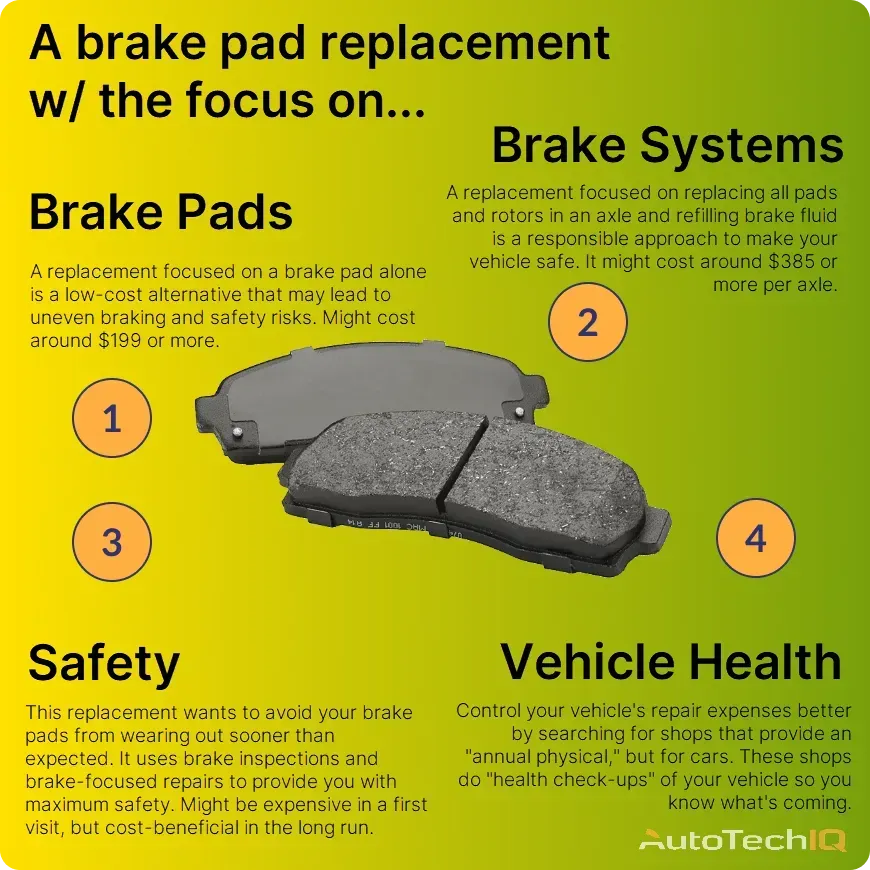
Keep brakes clean and check them often. Regular inspections catch small problems early. Replace brake fluid as recommended to avoid wear. Driving gently helps brakes last longer. Avoid hard stops and heavy loads when possible.
Credit: www.autotechiq.com
When To Replace Brake Components
Knowing when to replace brake components is key for safe driving. Brake rotors and pads wear out over time. Ignoring signs can lead to costly repairs or accidents. Regular checks keep your vehicle safe and smooth. Understanding the warning signs helps you act early.
Common Warning Signs
Squeaking or grinding noises mean brake pads are worn. A vibrating brake pedal shows rotor issues. Longer stopping distances signal worn brakes. A burning smell after heavy braking can mean overheating. If your car pulls to one side during braking, check brakes immediately.
Inspection Frequency Recommendations
Check brake pads every 10,000 to 15,000 miles. Inspect rotors every 20,000 to 30,000 miles. Have a mechanic check brakes during oil changes. More frequent checks are needed in city driving. Harsh driving and heavy loads wear brakes faster. Regular inspections prevent sudden brake failure.

Credit: www.youtube.com
Frequently Asked Questions
How Much Does It Cost To Replace Brake Pads And Rotors?
The average cost to replace brake pads and rotors ranges from $250 to $500 per axle. Prices vary based on vehicle type, parts quality, and labor rates at the repair shop.
When Should I Replace Brake Rotors And Pads Together?
Replace rotors and pads together when rotors are warped or below minimum thickness. This ensures optimal braking performance and prevents uneven pad wear.
Can I Replace Brake Pads Without Changing Rotors?
Yes, but only if rotors are in good condition. Worn or damaged rotors require replacement to avoid brake noise and reduced stopping power.
How Long Does Brake Pad And Rotor Replacement Take?
Brake pad and rotor replacement typically takes 1 to 2 hours. Time depends on vehicle model and mechanic’s experience.
Conclusion
Replacing rotors and brake pads costs depend on car type and location. Parts and labor both affect the total price. Choosing quality parts helps your brakes last longer. Regular brake checks keep you safe on the road. Don’t wait until brakes fail; act early.
Knowing the costs helps you plan your budget. Safe brakes mean safer driving for you and others. Keep this guide handy when considering brake repairs.


