

Are you hearing strange noises when you brake or feeling your car pull to one side? It might be time to replace your brake pads and rotors.
But how much is a brake pad and rotor replacement going to cost you? Knowing the price beforehand can save you from surprises and help you plan your budget. You’ll discover the factors that affect the cost, what to expect from the repair, and tips to get the best value.
Keep reading to make sure your car stays safe without breaking the bank.

Credit: www.youtube.com
Brake Pads And Rotors Basics
Understanding brake pads and rotors is key to knowing brake repair costs. These parts work together to stop your vehicle safely. Knowing their roles helps spot problems early. It also helps you understand why replacements cost what they do.
Role Of Brake Pads
Brake pads press against the rotors to slow the car. They create friction that stops wheel movement. Pads wear down over time and need replacing. Good pads ensure safe and smooth braking. Worn pads reduce braking power and increase risk.
Function Of Rotors
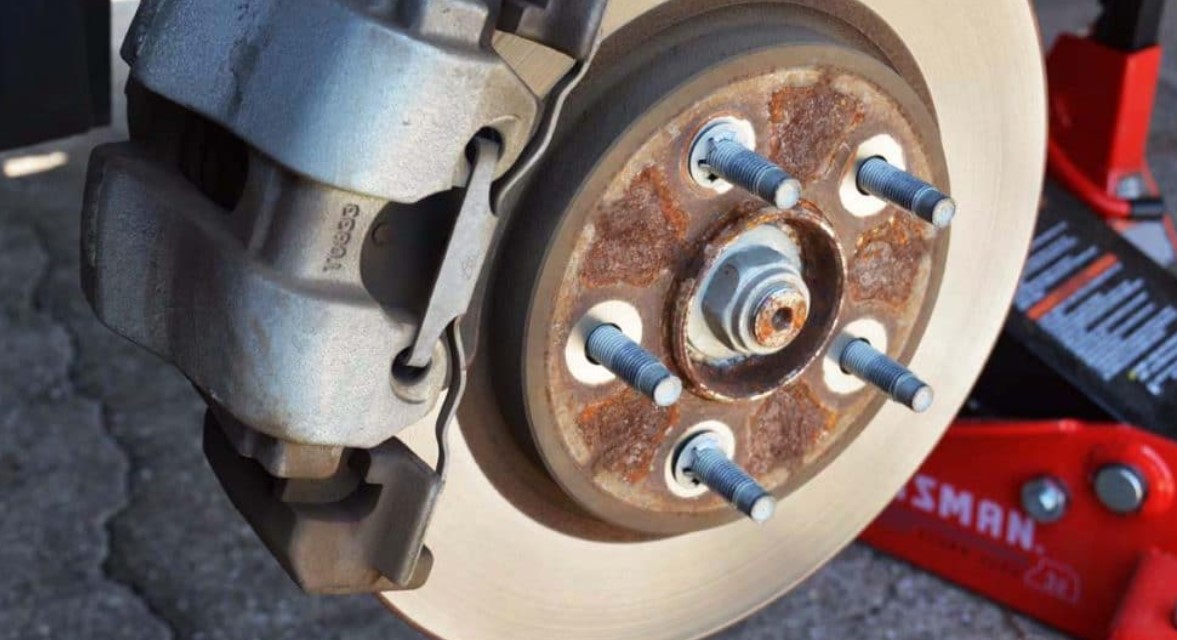
Rotors are metal discs attached to the wheels. They spin with the wheels and provide a surface for pads. When pads press on rotors, the car slows down. Rotors can wear unevenly or warp from heat. Damaged rotors cause vibrations and reduce braking safety.
Signs Of Wear
Squealing or grinding noises mean pads are worn out. A vibrating brake pedal often points to rotor issues. Longer stopping distances can signal both parts failing. Visual checks can show thin pads or grooved rotors. Catching wear early can save money on repairs.
Factors Affecting Replacement Costs
Several factors affect the cost of brake pad and rotor replacement. These costs vary widely depending on specific details about the vehicle and parts. Understanding these factors helps prepare for the total expense. Here are the main elements that influence the price.
Vehicle Make And Model
The make and model of your vehicle greatly affect replacement costs. Luxury and high-performance cars usually need expensive parts. Common cars use standard parts, which cost less. Some vehicles have complex brake systems that require more time to service.
Type Of Brake Pads
Brake pads come in different types. Organic pads are cheaper but wear out faster. Semi-metallic pads offer better performance at a moderate price. Ceramic pads last longer and create less dust but cost more upfront.
Rotor Material And Quality
Rotors vary in material and quality. Standard iron rotors are affordable but may wear quicker. High-performance rotors, made from composite or carbon, cost more but last longer. Quality rotors reduce noise and improve braking.
Labor Charges
Labor costs depend on the mechanic’s experience and shop rates. Dealerships usually charge more than independent shops. The time required for replacement also affects labor fees. Complex brake systems take longer to fix, increasing costs.
Geographic Location
Location plays a role in pricing. Urban areas often have higher labor and parts prices. Rural locations may offer lower rates but fewer service options. Cost of living and local demand influence these prices as well.
Average Cost Breakdown
The cost of brake pad and rotor replacement varies by several factors. These include the type of vehicle, parts quality, and labor charges. Understanding the average costs helps plan your budget better. Below is a breakdown of typical expenses for each service.
Brake Pad Replacement Prices
Brake pad replacement usually costs between $100 and $300. The price depends on the material and brand of the pads. Standard ceramic pads are often cheaper than premium or performance types. Labor fees also impact the total cost. Most shops charge $70 to $150 for labor.
Rotor Replacement Prices
Rotor replacement prices range from $150 to $400 per axle. The cost rises with the rotor’s size and quality. Some rotors are designed to last longer but cost more upfront. Labor fees for rotor replacement can add $80 to $150 to the bill. Resurfacing old rotors might reduce costs but is not always recommended.
Combined Replacement Costs
Replacing both brake pads and rotors usually costs between $250 and $700. This price covers parts and labor for both components. Many shops offer package deals that reduce total expenses. Combined replacement ensures better braking performance and safety. Planning for this maintenance saves money over time.
Cost Differences Between Diy And Professional Service
The cost difference between doing brake pad and rotor replacement yourself and hiring a professional can be quite large. Doing it yourself usually costs less but needs some skills and tools. Professionals charge more but bring experience and save time. Understanding these differences helps you decide the best option for your car and budget.
Tools And Equipment Needed
DIY brake replacement requires special tools like a jack, lug wrench, and brake caliper tool. You also need new brake pads and rotors. Professionals have all these tools ready. Buying tools for DIY can increase the initial cost. But tools can be reused for future repairs.
Time Investment
Replacing brake pads and rotors yourself takes a few hours. It can be longer if you are new to car repairs. Professionals usually finish the job within one or two hours. Using a professional service saves time and effort. For busy people, paying more might be worth it.
Risks And Benefits
DIY brake replacement saves money but carries risks. Mistakes can affect car safety and cause extra costs. Professionals reduce risk by doing the job correctly. They also check other brake system parts. Choosing DIY means learning and careful work. Professional service offers peace of mind and warranty on work.
Ways To Save On Brake Service
Brake service can be costly, but there are ways to save money. Simple choices and good habits help keep expenses low. Spend less without risking your safety or car quality.
Choosing Aftermarket Parts
Aftermarket parts often cost less than brand-name parts. They meet safety standards and work well. Check reviews and ratings to find reliable options. This choice can cut your brake repair bill significantly.
Taking Advantage Of Discounts
Many shops offer discounts or coupons. Watch for seasonal sales or special promotions. Some places give lower prices for returning customers. Ask about deals before scheduling your service.
Regular Maintenance Tips
Keep brakes in good shape to avoid big repairs. Clean brake parts and check pads often. Replace worn pads early to protect rotors. Regular checks help spot issues before they grow.

Credit: www.youtube.com
When To Replace Brake Pads And Rotors Together
Knowing when to replace brake pads and rotors together can save time and money. Both parts work closely in your car’s braking system. Replacing them at the same time ensures better performance and safety. This section explains key signs to watch and the cost benefits of combined replacement.
Wear Patterns To Watch
Look for uneven wear on brake pads and rotors. Deep grooves or scoring on rotors mean damage. Thin or cracked brake pads need quick replacement. A vibrating brake pedal can signal warped rotors. Squealing or grinding noises often show worn pads and rotors. Checking these wear patterns helps decide if both parts need changing.
Cost Efficiency Of Combined Replacement
Replacing brake pads and rotors together often costs less. Labor fees lower because mechanics work on both parts at once. Buying parts as a set can reduce prices. Combined replacement prevents uneven wear on new pads or rotors. It also reduces trips to the repair shop. This approach saves money and keeps your brakes safe longer.
Impact Of Quality On Safety And Longevity
Choosing the right brake pads and rotors affects both safety and how long your brakes last. Quality parts offer better stopping power and resist wear. Cheap parts may fail sooner and put you at risk. Understanding these differences helps you make a smart choice for your vehicle.
High-quality Vs. Budget Parts
High-quality brake pads and rotors use strong materials. They handle heat well and wear evenly. This means safer braking and less frequent replacements. Budget parts often use cheaper materials. They wear out faster and can cause noise or vibration. Using high-quality parts reduces the chance of brake failure.
Warranty Considerations
Quality parts usually come with a warranty. This protects you if parts fail early. Budget parts may have little or no warranty. A good warranty shows the maker trusts their product. It also saves money if replacement is needed soon. Always check the warranty before buying brake parts.
Credit: omegaautocare.com
Frequently Asked Questions
How Much Does Brake Pad And Rotor Replacement Cost?
Brake pad and rotor replacement typically costs between $250 and $600. Prices vary by vehicle type, labor fees, and part quality. Luxury cars or trucks may cost more. Always get a detailed quote before service.
How Often Should Brake Pads And Rotors Be Replaced?
Brake pads usually need replacement every 30,000 to 70,000 miles. Rotors last longer but may require replacement every 50,000 to 70,000 miles. Regular inspections help determine exact timing based on wear and driving habits.
Can I Replace Brake Pads And Rotors Myself?
Yes, if you have mechanical skills and proper tools, you can replace them. However, improper installation risks safety and vehicle damage. Professional service is recommended for most drivers.
What Factors Affect Brake Pad And Rotor Replacement Cost?
Costs depend on vehicle model, labor rates, and part quality. OEM parts cost more than aftermarket. Additional repairs, such as caliper replacement, increase the bill. Location also impacts labor fees.
Conclusion
Brake pad and rotor replacement costs vary by car and location. Knowing the price helps plan your budget well. Quality parts and skilled labor keep your car safe. Regular brake checks prevent costly repairs later. Choose trusted mechanics for fair prices and good work.
Keep your vehicle running smooth and reliable. Stay informed about maintenance to avoid surprises. Your brakes matter—take care of them wisely.


