

Are you hearing an annoying squeal or feeling a constant drag when you drive? Your brake pads rubbing on the rotor could be the culprit.
This problem not only affects your car’s performance but can also wear down important parts faster than you think. The good news? You don’t have to be a mechanic to fix it. You’ll discover simple, step-by-step solutions to stop that rubbing noise and get your brakes working smoothly again.
Keep reading—your car (and your peace of mind) will thank you.
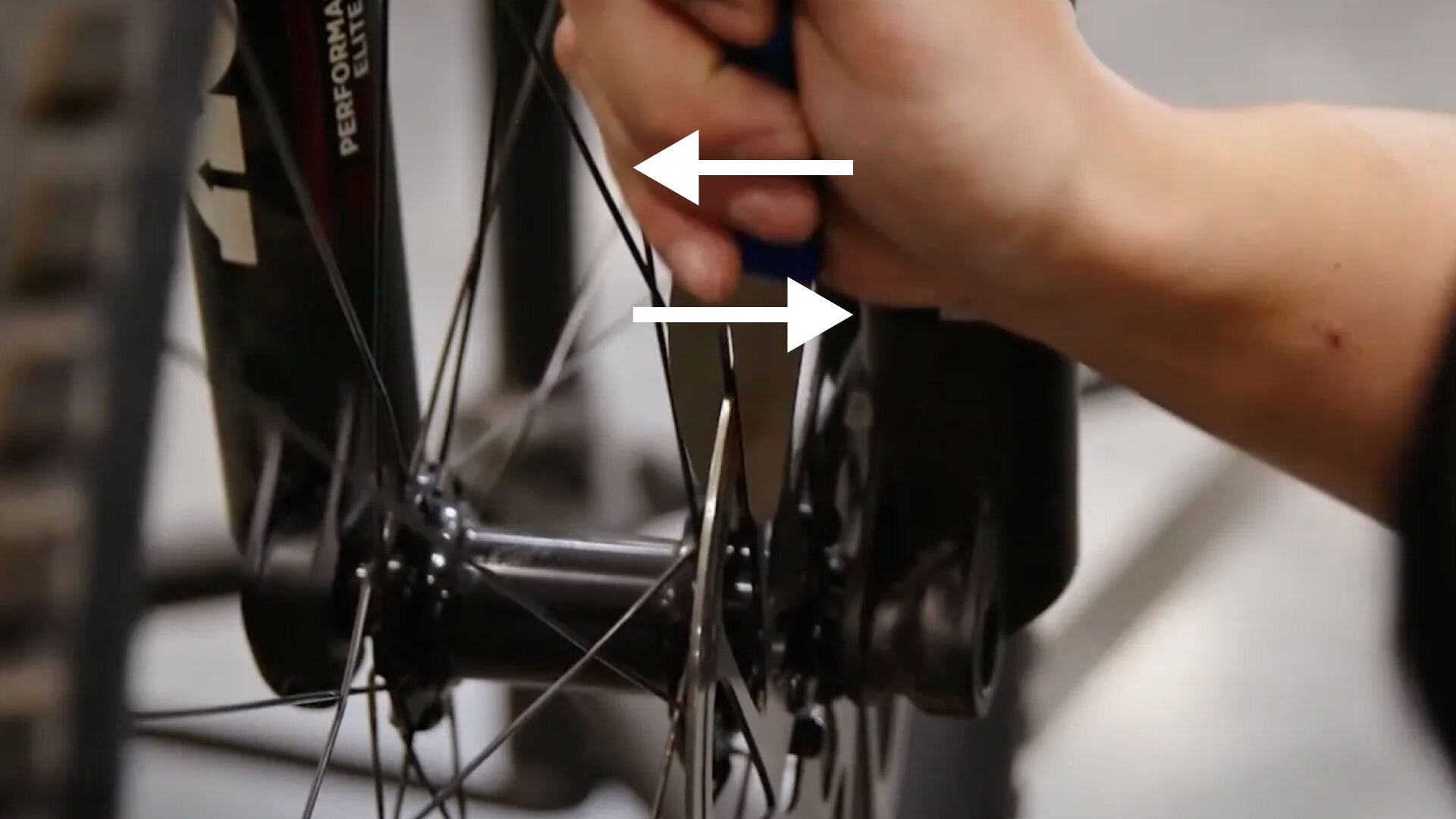
Credit: www.theproscloset.com
Causes Of Brake Pads Rubbing
Brake pads rubbing on the rotor can cause noise, vibration, and faster wear. Understanding the causes helps fix the problem quickly. Several factors can lead to this unwanted contact. Identifying the right cause saves time and money.
Warped Rotors
Rotors can warp from heat or age. Warped rotors create uneven surfaces. This causes the brake pads to rub constantly. The rubbing leads to a shaking feeling when braking. Warped rotors need resurfacing or replacement.
Stuck Caliper Pistons
Caliper pistons push the brake pads onto the rotor. If pistons get stuck, pads stay pressed. This constant pressure causes rubbing. Stuck pistons often result from dirt or corrosion. Cleaning or replacing the caliper can fix this.
Misaligned Brake Pads
Brake pads must sit correctly inside the caliper. Misalignment causes pads to touch the rotor unevenly. This leads to constant rubbing and noise. Proper installation ensures the pads align well. Adjusting or repositioning the pads can solve this issue.
Debris Between Pads And Rotors
Small stones, dirt, or rust can get stuck between pads and rotors. This debris causes continuous rubbing and noise. It can also damage the rotor surface. Cleaning the brake area removes debris and stops rubbing.
Credit: www.reddit.com
Tools And Materials Needed
Fixing brake pads rubbing on the rotor needs the right tools and materials. Having these ready makes the job easier and safer. This section lists what you need to prepare before starting the repair.
Basic Hand Tools
Start with a set of basic hand tools. You need a wrench or socket set to remove the wheel and caliper bolts. A screwdriver helps to pry off the pads if stuck. A C-clamp or brake piston tool pushes the caliper piston back. Gloves protect your hands during the work.
Brake Cleaner
Brake cleaner removes dust, grease, and dirt from the brake parts. Use it on the rotor, pads, and caliper. It keeps the brakes clean and improves performance. Spray it generously and let it dry before reassembling.
Lubricants
Use special brake lubricant on the pad backing plates and caliper slides. This prevents noise and keeps parts moving smoothly. Do not put lubricant on the rotor or pad friction surface. Choose high-temperature grease made for brakes.
Replacement Parts
Sometimes, worn brake pads or damaged rotors cause rubbing. Keep new brake pads and rotors ready if needed. Check the size and type to match your vehicle model. Always replace parts in pairs for balanced braking.
Step-by-step Fixes
Fixing brake pads rubbing on the rotor requires careful steps. Follow these simple actions to solve the problem safely and effectively. Each step helps identify and fix common issues causing the rubbing.
Inspecting The Brake System
Start by checking the brake system closely. Look for worn or damaged brake pads. Check if the pads sit correctly inside the caliper. Examine the rotor for uneven spots or warping. Ensure the caliper moves freely without sticking.
Cleaning The Rotor And Pads
Dirt and debris cause brake pads to rub on the rotor. Use a brake cleaner spray to clean both the rotor and pads. Wipe the surfaces with a clean cloth. Remove any dust, grease, or oil that may cause friction. Clean parts work better and reduce rubbing.
Adjusting Or Replacing Brake Pads
Check if the brake pads need adjustment. Pads may be too close to the rotor. Loosen the caliper bolts slightly and reposition the pads. If the pads are thin or cracked, replace them with new ones. Properly fitted pads stop the rubbing noise.
Lubricating Caliper Components
Apply brake grease on the caliper pins and slides. This allows smooth movement of brake parts. Avoid putting grease on the pad or rotor surfaces. Lubricated parts help the brake pads retract fully and prevent rubbing.
Checking And Replacing Rotors
Inspect the rotor for deep grooves or warps. Use a dial gauge to check rotor runout. If the rotor is damaged or uneven, replace it. Installing a new rotor restores smooth braking and stops pad rubbing.
Preventive Maintenance Tips
Preventive maintenance keeps your brakes working well and stops rubbing problems early. Small checks and good habits save time and money. Follow these simple tips to keep brake pads and rotors in top shape.
Regular Brake Inspections
Check your brakes often for wear and tear. Look at pads and rotors for cracks or grooves. Early signs of rubbing include noise or vibration. Catch issues before they get worse. Inspect brake parts every 6,000 miles or during oil changes.
Proper Brake Bedding
Brake bedding helps pads and rotors work smoothly together. It creates an even layer of brake pad material on the rotor. Drive slowly and brake gently several times after installing new pads. This process reduces uneven wear and rubbing. Take your time to bed brakes correctly.
Avoiding Harsh Driving Habits
Hard braking and rapid stops stress brake parts. They cause pads to overheat and wear unevenly. Avoid sudden stops and heavy braking. Drive smoothly and keep a safe distance from cars ahead. Gentle driving protects your brakes and prevents rubbing on rotors.
When To Seek Professional Help
Fixing brake pads rubbing on the rotor can be simple. Yet, some problems need expert care. Knowing when to seek professional help keeps your car safe. It saves you time and avoids bigger damage.
Signs Of Severe Brake Damage
Listen for loud grinding or squealing noises from brakes. These sounds show worn-out brake pads or damaged rotors. Notice if your car pulls to one side when braking. It means uneven brake wear or rotor issues. Feel a vibration or pulsation in the brake pedal. This signals warped rotors that need repair. If brake warning lights turn on, do not ignore them. These signs need a mechanic’s inspection right away.
Complex Brake System Issues
Brake systems have many parts working together. Problems with calipers, brake lines, or ABS sensors need skill. These issues can cause brake pads to rub or fail. A professional has tools and knowledge for precise fixes. Attempting complex repairs alone risks safety and costs more later. Trust a mechanic to diagnose and fix tricky brake problems properly.

Credit: www.reddit.com
Frequently Asked Questions
Why Are My Brake Pads Rubbing The Rotor?
Brake pads rub the rotor due to misalignment or stuck calipers. Dirt or debris can cause pads to stick. Worn parts also lead to constant contact. Proper inspection and cleaning often fix this issue.
How Can I Stop Brake Pads From Rubbing?
To stop rubbing, check caliper pins and slides for smooth movement. Clean the rotor and pads. Adjust caliper alignment. Replace worn components if needed. Regular maintenance prevents rubbing problems.
What Tools Are Needed To Fix Rubbing Brake Pads?
You need a jack, lug wrench, socket set, C-clamp, and brake cleaner. A screwdriver and torque wrench help with adjustments. Proper tools ensure a safe and effective repair.
Can Worn Brake Pads Cause Rotor Damage?
Yes, worn pads can damage the rotor. Metal-on-metal contact creates grooves and uneven wear. Replacing pads timely protects the rotor and maintains braking performance.
Conclusion
Fixing brake pads rubbing on the rotor improves your bike’s safety. Check the alignment and clean the rotor regularly. Tighten loose bolts and adjust the caliper carefully. Small fixes can stop noise and wear quickly. Keep your brakes in good shape for smooth rides.
Regular maintenance saves money and avoids bigger problems. Remember, a little care goes a long way. Stay safe and enjoy every ride without worry.


