

Are you wondering how much a car inspection in Virginia will cost you? Whether you’re buying a new car, renewing your registration, or just making sure your vehicle is safe, knowing the price upfront can save you time and stress.
You’ll discover the typical costs, what affects the price, and how to get the best value for your money. Keep reading to make sure your next car inspection in VA doesn’t catch you off guard.
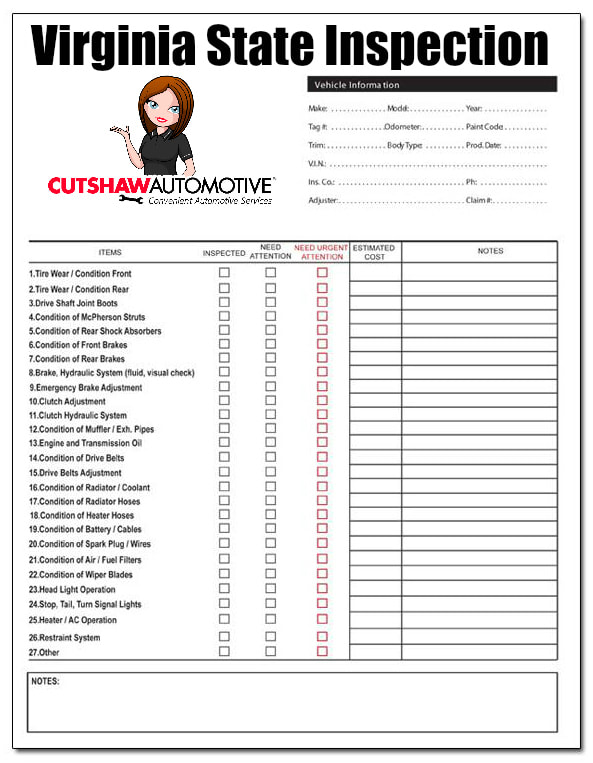
Credit: www.cutshawautomotive.com
Car Inspection Basics In Virginia
Car inspections in Virginia help keep roads safe. They check if vehicles meet safety and environmental rules. Knowing the basics helps you prepare for the inspection. It also helps you understand costs and requirements.
Every car owner must follow these rules. Inspections happen at state-approved stations. The process is quick and important. Learn about why inspections matter and the types required.
Why Inspections Matter
Inspections find problems that could cause accidents. They check brakes, lights, tires, and more. This keeps drivers and passengers safe. Inspections also reduce pollution from cars. Clean air is better for everyone. Virginia enforces inspections to protect health and safety.
Types Of Inspections Required
Virginia requires two main inspections. Safety inspection checks vehicle parts and systems. Emissions inspection tests pollution levels. Some areas need both tests. Others may require only safety checks. Certain vehicles, like new cars, have different rules. Knowing your car’s inspection type saves time and money.
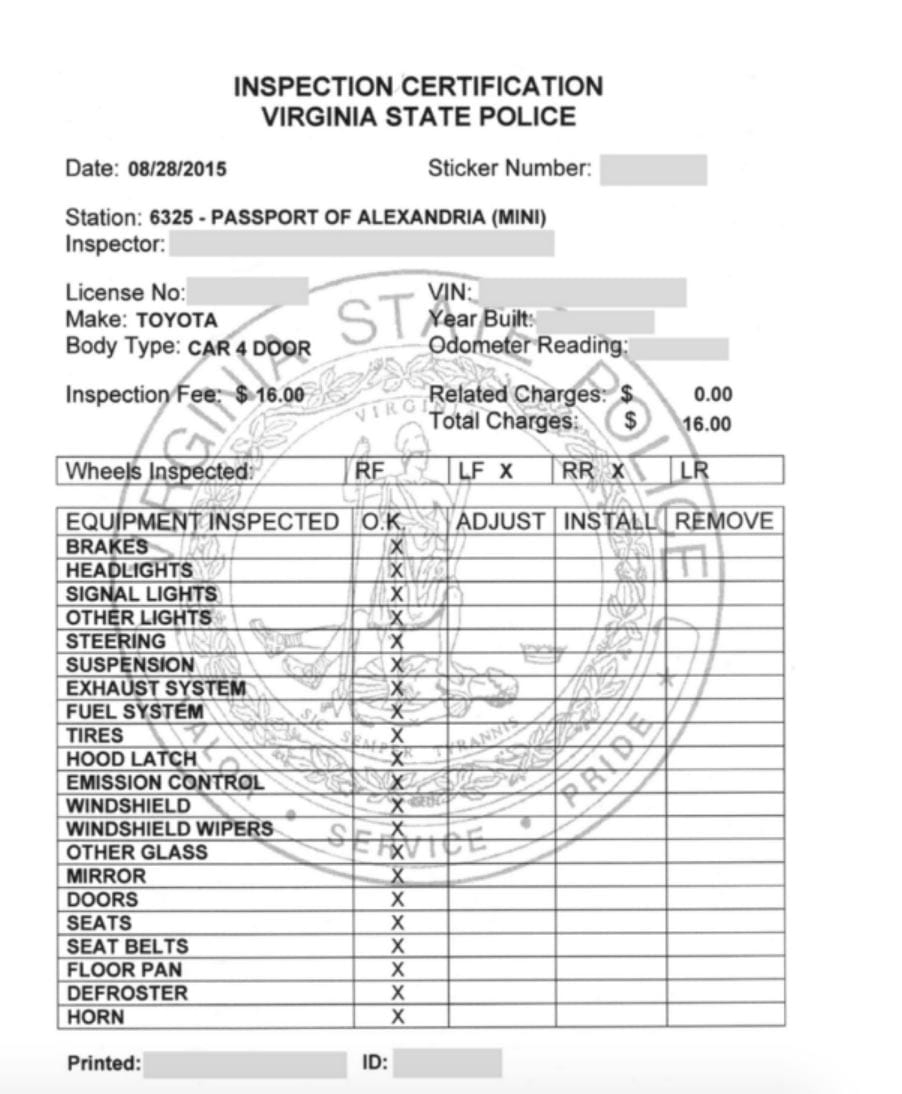
Credit: hostnery.weebly.com
Typical Inspection Costs
Knowing the typical costs of a car inspection in Virginia helps you prepare. Prices can vary, but most inspections fall within a certain range. This section breaks down the common fees and extra costs you might face.
Standard Fees Across Virginia
Most vehicle inspections in Virginia cost between $15 and $30. This fee covers the basic safety check required by the state. Some stations may charge a flat rate, while others base the price on the vehicle type. Passenger cars usually pay the lower end of the range. Larger vehicles like trucks might be slightly more expensive. The price includes checks on brakes, lights, signals, and emissions.
Additional Charges To Expect
Extra fees may appear if repairs are needed before passing. Some stations charge a re-inspection fee, often around $10 to $20. If emissions testing is separate, expect an added cost near $20. Certain inspection locations might charge for diagnostic tests. Always ask about possible extra charges before the inspection starts. Knowing this can help avoid surprises at the payment counter.
Factors Influencing Inspection Prices
The cost of a car inspection in Virginia varies. Several factors affect the price. Understanding these helps you prepare for the inspection fee.
Prices are not fixed. They change based on the vehicle and where you get the inspection done. Knowing these details saves time and money.
Vehicle Type And Age
The type of vehicle matters. Cars, trucks, and motorcycles have different inspection needs. Larger vehicles may cost more to inspect.
Older vehicles often require a more detailed check. This can increase the price. Newer cars usually have simpler inspections, costing less.
Inspection Location Variations
Inspection costs vary by location within Virginia. Urban areas may charge more than rural spots. Some stations set their own prices.
State-run stations might have standard fees. Private shops can vary prices based on demand and services offered.
Where To Get Your Car Inspected
Finding the right place for your car inspection in Virginia is important. The inspection must meet state standards. Choosing a trusted location ensures a smooth process. Two main options for inspections exist. Each has benefits depending on your needs.
Authorized Inspection Stations
Authorized inspection stations are common and easy to find. These stations are certified by the state to perform inspections. They follow strict rules to check your car’s safety and emissions. Many repair shops and service centers offer inspection services. Prices at these stations are often affordable and clear. These locations provide quick service to get your car inspected fast.
Dealership Options
Car dealerships also offer inspection services. They specialize in your car’s brand and model. Dealerships have trained technicians who know your vehicle well. They can spot brand-specific issues during the inspection. Dealership inspections may cost a bit more than other stations. This option suits those who want expert care and detailed checks.
Preparing Your Car For Inspection
Preparing your car for inspection in Virginia can save time and money. A well-prepared car often passes without issues. This means fewer trips to the garage and no extra fees. Taking simple steps before the inspection day helps your car meet all requirements. It also makes the process smoother and faster for you.
Checklist Before Inspection Day
- Check all lights: headlights, brake lights, and turn signals.
- Make sure windshield wipers work well and the blades are not worn out.
- Ensure tires have enough tread and are properly inflated.
- Look for any fluid leaks under your car.
- Test the horn to confirm it works properly.
- Check your mirrors for cracks or damage.
- Make sure the seat belts lock and retract correctly.
- Clean your windshield to avoid visibility issues.
Common Issues That Cause Failures
- Broken or non-working lights are a frequent problem.
- Worn-out tires can cause automatic failure.
- Cracked windshields may lead to rejection.
- Leaking fluids suggest engine or brake problems.
- Faulty brakes often fail the safety test.
- Missing or damaged mirrors reduce visibility.
- Seat belts that do not latch properly cause failure.
- Excessive smoke from the exhaust can also fail inspection.
Cost-saving Tips For Inspections
Car inspections in Virginia can add to your vehicle costs. Saving money on these inspections helps keep your budget in check. Simple strategies can reduce the inspection fee without sacrificing quality. Small efforts often lead to noticeable savings.
Timing Your Inspection Right
Schedule your inspection early in the week. Many shops offer lower prices on slow days. Avoid weekends when demand is high and prices may rise. Check if the inspection station has special rates during certain hours. Off-peak times often mean less waiting and better deals.
Using Coupons And Discounts
Search for coupons online before your visit. Many inspection stations list discounts on their websites. Local newspapers and community boards sometimes have printable coupons. Ask the station if they offer discounts for first-time customers or seniors. Combining offers can cut costs significantly.
What Happens If Your Car Fails
Failing a car inspection in Virginia means your vehicle does not meet state safety or emissions standards. You cannot legally drive it until the issues are fixed. The inspection station will give you a detailed report of what needs repair. This report helps you understand the problems clearly.
Act quickly to avoid fines or registration problems. The report usually lists parts or systems that failed. Common issues include brakes, lights, tires, or emissions. Knowing the exact faults makes it easier to plan repairs.
Repair Options And Costs
You can choose to repair your car yourself or hire a mechanic. Minor fixes like bulbs or wiper blades cost little. Major repairs, such as brake work or engine issues, cost more. Prices vary by the problem and shop rates.
Some repair shops offer discounts for inspection failures. Ask about warranties on parts and labor. Keep all receipts to show proof of repair during reinspection. This helps avoid extra fees and delays.
Reinspection Procedures
After repairs, your car must pass a reinspection. Virginia allows free reinspection within 30 days of the failed test. Bring the repair receipt and the original inspection report.
The reinspection focuses only on the failed areas. If your car passes, you get a new inspection sticker. Failing again means more repairs and possibly higher costs. Passing keeps your vehicle legal and safe to drive.
Credit: help.wingz.me
Frequently Asked Questions
How Much Does A Car Inspection Cost In Va?
Car inspections in Virginia typically cost between $20 and $30. Prices vary based on location and inspection type. This fee covers safety and emissions checks required by the state.
Is The Car Inspection Fee Refundable In Virginia?
No, the car inspection fee in Virginia is non-refundable. It must be paid each time you get a vehicle inspection. The fee supports the inspection process and state regulations.
How Often Is A Car Inspection Required In Va?
Virginia requires a vehicle inspection once every year. This applies to most passenger cars and trucks. Inspections ensure vehicles meet safety and emissions standards.
What Factors Affect Car Inspection Costs In Va?
Inspection costs in Virginia depend on location, inspection type, and vehicle size. Some stations charge more for emissions testing. Additional repairs may increase overall costs after inspection.
Conclusion
Car inspections in Virginia usually cost between $15 and $30. Prices can vary by location and vehicle type. Regular inspections help keep your car safe and legal. It’s a small cost for peace of mind on the road. Plan ahead to avoid last-minute fees or delays.
Knowing the price helps you budget better. Stay informed and keep your vehicle in good shape. Simple steps make a big difference in car care.


