

Have you ever wondered what would happen if your car’s alternator suddenly stopped working? You might think your vehicle would shut down right away, but the truth is more surprising.
Understanding how long your car can run without an alternator could save you from getting stranded and help you act fast when trouble strikes. Keep reading to discover the crucial facts about your car’s electrical system and what you need to know to keep moving safely.

Credit: ksbautostyling.co.uk
Role Of The Alternator
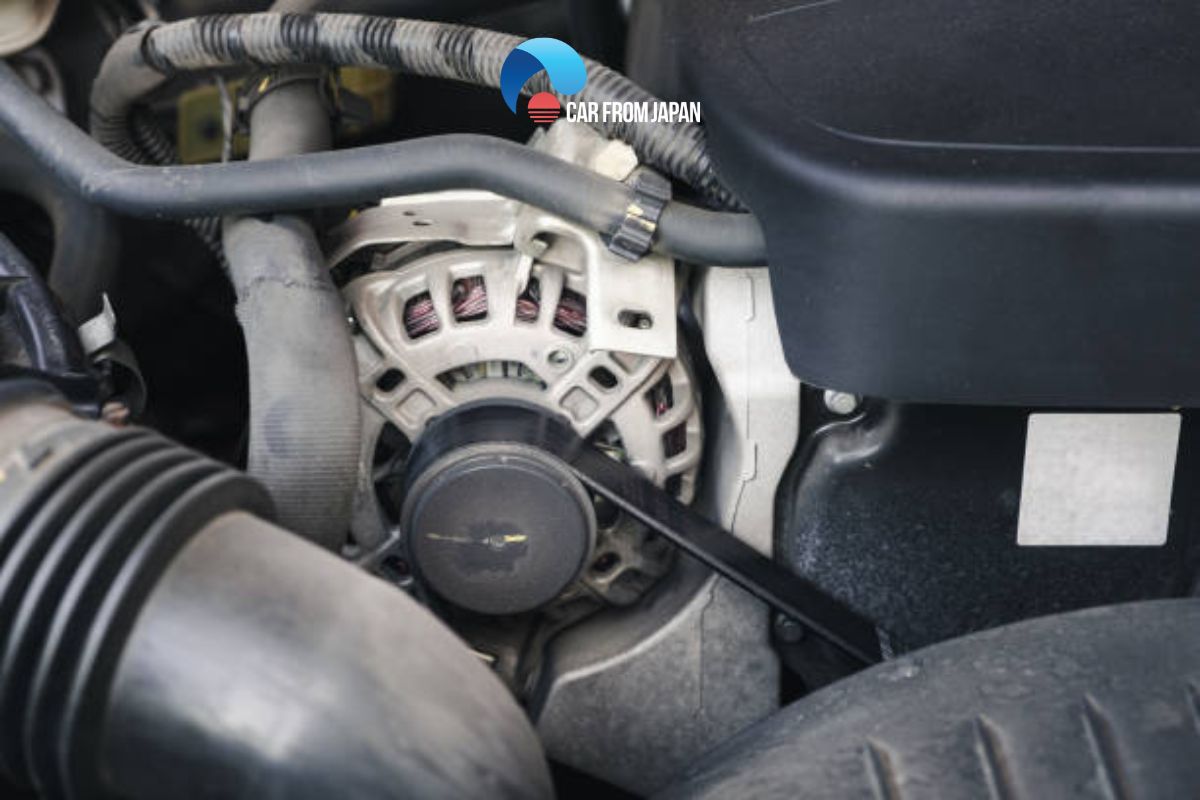
The alternator is a key part of a car’s electrical system. It keeps the battery charged and powers the vehicle’s electrical parts. Without it, the battery would drain quickly. This can cause the car to stop working. Understanding the alternator’s role helps explain how long a car can run without it.
The alternator works while the engine runs. It changes mechanical energy into electrical energy. This energy powers lights, radio, and other devices. It also charges the battery to keep it full.
Function In Vehicle
The alternator creates electricity from engine movement. It sends power to the battery and car parts. This keeps the battery from running out of energy. The alternator works every time the engine is on. It supports all electrical needs in the car.
Without the alternator, the battery must supply all electrical power. This is not sustainable for long. The alternator also helps the car run smoothly by stabilizing voltage.
Impact On Battery
The battery stores energy to start the engine. The alternator recharges the battery while driving. If the alternator fails, the battery drains fast. The battery only has limited power for lights and electronics.
Once the battery is empty, the car will stop. The battery cannot keep the engine running alone. Running without a working alternator is possible but only for a short time.
Signs Of Alternator Failure
Knowing the signs of alternator failure helps protect your car from sudden stops. The alternator charges the battery and powers electrical parts. When it fails, the car may run for a short time but then lose power. Watch out for early warning signs. Acting fast can save you from getting stranded.
Warning Lights
The dashboard often shows a battery or alternator light. This light may glow red or yellow. It means the alternator is not charging the battery properly. Ignoring this light can lead to a dead battery. Check the light as soon as it appears.
Electrical Issues
Flickering headlights or dim interior lights suggest alternator problems. Other electrical parts may work slowly or stop. Power windows and radio might lose strength. These issues happen because the alternator cannot keep up. Electrical troubles are clear signs to inspect the alternator.
Battery Life Without Alternator
The battery in a car provides power to start the engine and run electrical parts. Without the alternator, the battery cannot recharge itself. This means the car relies only on the battery’s stored energy. Knowing how long the battery lasts helps avoid being stranded on the road.
Typical Duration
A car battery usually lasts 30 minutes to 2 hours without an alternator. This depends on the battery’s condition and power use. Newer batteries with full charge can last longer. Older or weak batteries drain faster. Running headlights, radio, or air conditioning reduces battery life quickly.
Factors Affecting Battery Drain
Several things affect how fast the battery loses power. Battery age and health are key factors. Cold weather can lower battery efficiency. Electrical load also matters. Using many devices drains power faster. A faulty alternator can drain the battery even when the engine runs. Driving style and speed have little effect on battery life without alternator support.
Credit: carfromjapan.com
Driving Limitations
The alternator is a key part of a car’s electrical system. It keeps the battery charged and powers the electronics. Without it, the car runs only on the battery’s stored energy. This causes limits while driving. These limits can affect your car’s performance and safety on the road.
Understanding these driving limitations helps you avoid problems and stay safe. Here are two main areas to consider.
Performance Impact
Without an alternator, your car’s battery drains quickly. The engine may run rough or stall. Headlights and dashboard lights grow dim. Power windows and radio might stop working. The car’s fuel efficiency can drop. Electronic controls may not work well. Overall, the car’s performance becomes unreliable.
Safety Concerns
Driving without an alternator is risky. Dim or dead headlights reduce visibility at night. Brake lights may fail, causing accidents. Power steering and anti-lock brakes might stop working. The car can suddenly lose power and stall. This can happen in dangerous spots like highways. Always consider these safety risks when the alternator fails.
Emergency Measures
Running a car without an alternator is risky. The alternator charges the battery and powers electrical parts. Without it, the battery drains fast. You need quick action. Emergency measures help you keep the car running longer. They protect your battery and avoid sudden stops.
How To Extend Battery Life
Turn off all non-essential electronics. This includes the radio, air conditioning, and lights. Use headlights only when necessary. Drive at a steady speed to reduce power use. Avoid sudden stops and starts. Keep windows down instead of using air conditioning. These steps save battery power and help your car run longer.
When To Stop Driving
Listen for warning signs like dimming lights or engine stalling. These show the battery is low. Stop driving as soon as possible. Continuing can leave you stranded. Park safely off the road. Turn off the engine to save the last bit of battery. Call for help or a tow to avoid damage.
Repair And Replacement Options
When a car’s alternator fails, the battery can only power the vehicle for a short time. Repairing or replacing the alternator is necessary to keep the car running. Different options exist depending on the urgency and budget. Some fixes offer temporary relief. Others require professional service to restore proper function. Understanding these choices helps you act quickly and safely.
Temporary Fixes
Temporary fixes can help you reach a repair shop. Jump-starting the car may give extra power from another battery. This works only for a short drive. Disconnecting non-essential electrical devices reduces battery drain. Turning off the radio, lights, and air conditioning helps. Using a portable battery charger can also add power. These solutions do not fix the alternator. They only delay the battery’s complete drain. Drive cautiously and avoid long trips until repair.
Professional Repair
Professional repair is the best choice for a faulty alternator. Mechanics test the alternator and battery to find the problem. They can fix minor issues like loose belts or connections. If the alternator is damaged, they replace it with a new or rebuilt unit. This ensures the battery charges properly while driving. Professional service includes testing the car’s electrical system. This prevents future breakdowns related to power supply. Repairs usually take a few hours. After service, the car runs reliably without battery worries.

Credit: www.batteriesplus.com
Frequently Asked Questions
How Long Can A Car Run Without An Alternator?
A car can run 20 to 30 minutes without an alternator. It depends on the battery’s charge and electrical load.
What Happens When A Car Alternator Fails?
When an alternator fails, the battery drains quickly. The car may stall, lights dim, and electrical systems malfunction.
Can You Drive A Car Without An Alternator?
You can drive briefly without an alternator, but only until the battery is dead. It’s unsafe for long distances.
How To Tell If Your Alternator Is Bad?
Signs of a bad alternator include dim lights, battery warning light, slow engine crank, and electrical issues.
Conclusion
A car can run only a short time without an alternator. The battery powers the car until it runs out of charge. Driving without an alternator is risky and not recommended. It can cause the car to stop suddenly. Regular checks help avoid alternator problems.
Fixing alternator issues early saves time and money. Keep your car’s electrical system healthy for safe driving. Don’t wait until the battery dies to get help. Stay safe and maintain your vehicle well.


