
Are you wondering how much it will cost to change your brakes and rotors? If your car is making strange noises or you feel a vibration when braking, it might be time to replace these parts.
But before you head to the mechanic, you probably want to know what to expect on the bill. Understanding the cost can help you avoid surprises and make smarter decisions about your car’s maintenance. Keep reading to discover the factors that affect the price and how you can save money without risking your safety.
Brake And Rotor Replacement Basics
Brakes and rotors are key parts of your car’s stopping system. They work together to slow down and stop the vehicle safely. Over time, brakes and rotors wear out and need replacement. Knowing the basics helps you keep your car safe and avoid costly repairs.
Replacing brakes and rotors is a common maintenance task. It keeps your car running well and protects you on the road. Understanding the signs and differences between brakes and rotors helps you act in time.
Signs You Need New Brakes And Rotors
Listen for squeaking or grinding noises when braking. These sounds often mean brake pads are worn out. Feel if the brake pedal is soft or sinks too low. It can show brake problems. Notice if the car pulls to one side when braking. This can mean rotor or brake issues.
Look for vibrations in the steering wheel or brake pedal. Warped rotors often cause this. Check if the brake warning light is on. It signals a problem that needs fixing. Early detection saves money and keeps you safe.
Difference Between Brakes And Rotors
Brakes refer to brake pads. They press against the rotors to stop the car. Brake pads create friction and wear down over time. Rotors are metal discs attached to the wheels. They spin with the wheels and slow down when pads press on them.
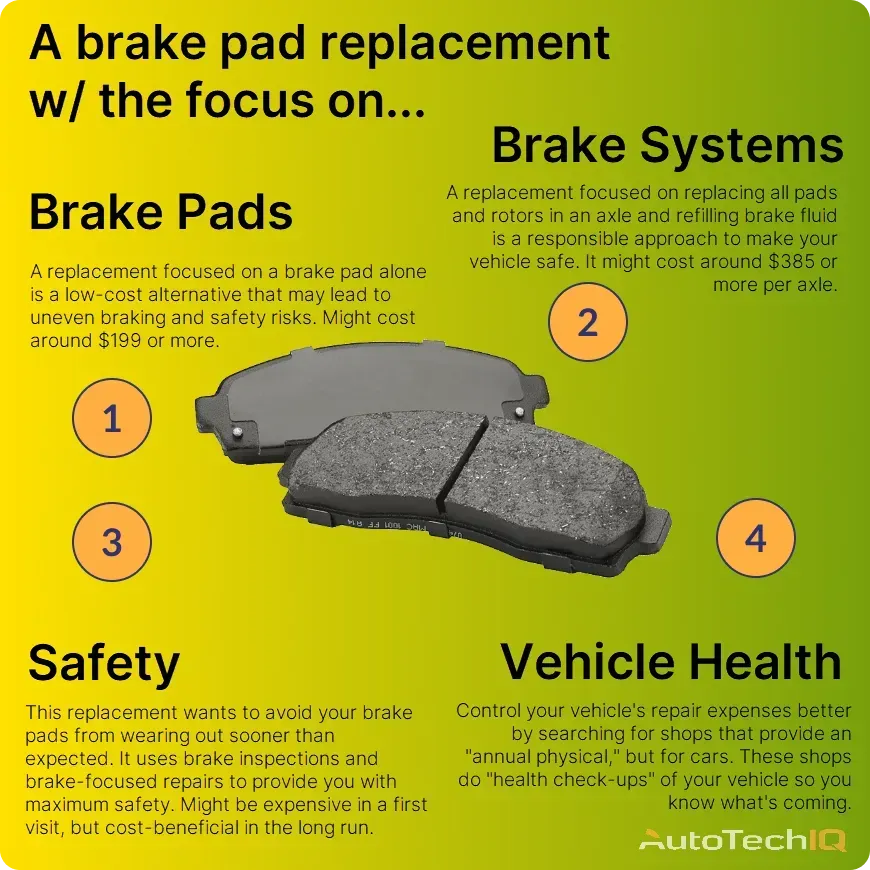
Brake pads need replacing more often than rotors. Rotors can warp or get thin from heat and use. Both parts must be in good shape for safe braking. Replacing both at once is common to ensure smooth stopping.
Factors Influencing Replacement Cost
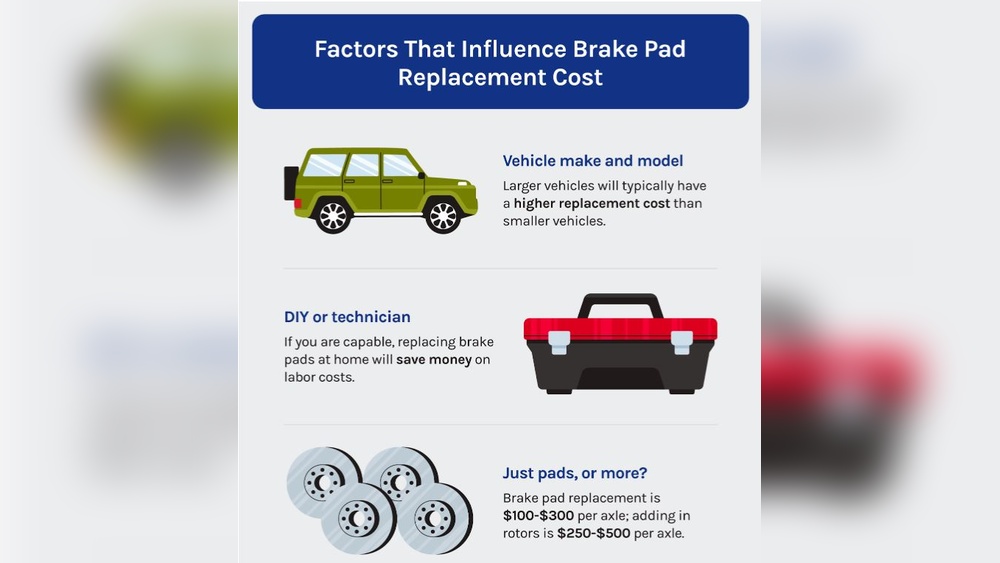
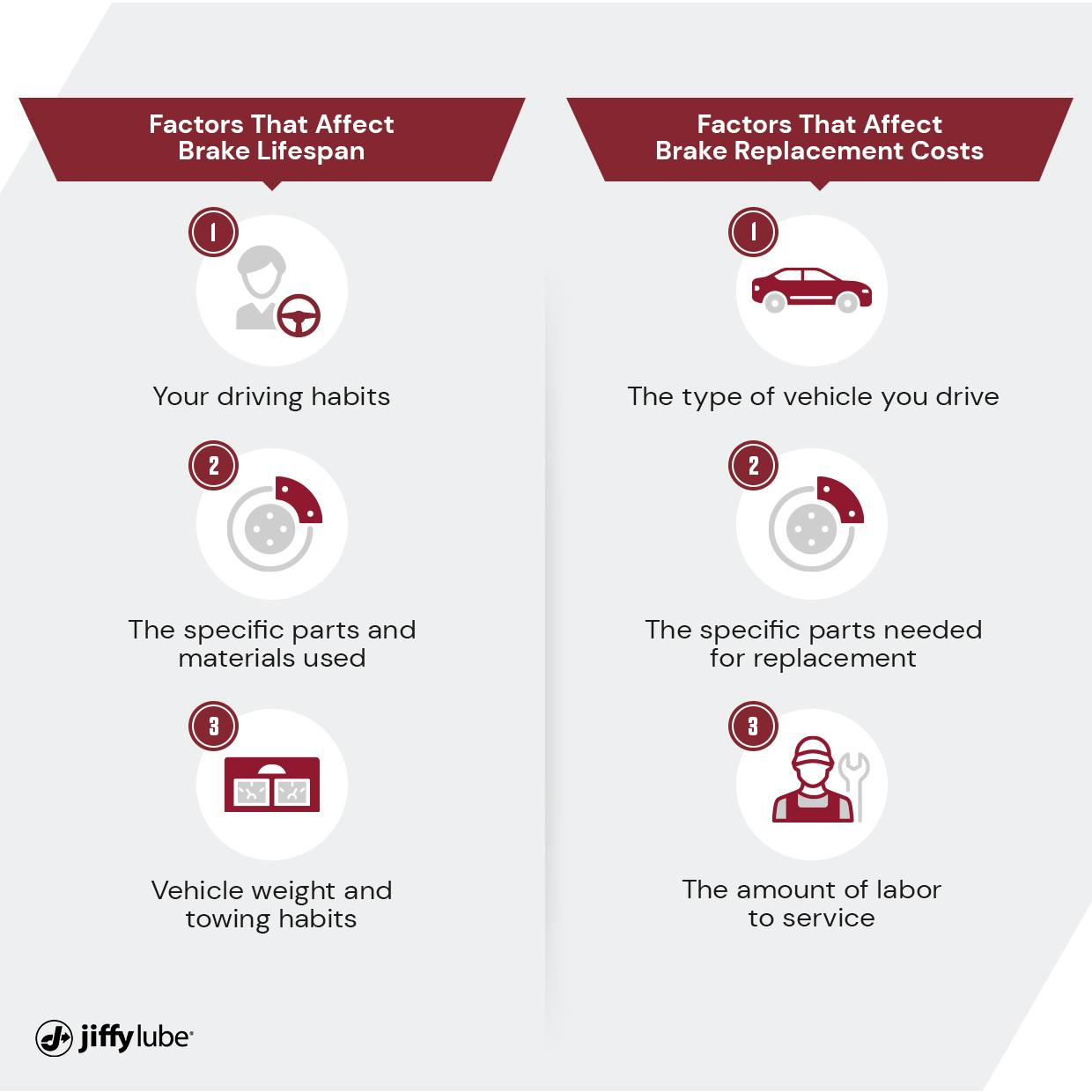
Several factors affect the cost to change brakes and rotors. Understanding these can help you prepare for the expense. Costs vary depending on your vehicle, the parts you choose, labor, and location. Each factor plays an important role in the total price.
Type Of Vehicle
The make and model of your vehicle impact brake and rotor costs. Luxury and sports cars need special parts. These parts usually cost more than those for standard cars. Some vehicles require larger or more complex rotors. This adds to the price of replacement.
Quality Of Parts
Brake and rotor quality affects durability and cost. Cheap parts cost less but wear out faster. High-quality parts last longer but come with a higher price. Choosing OEM (original equipment manufacturer) parts often costs more. Aftermarket parts offer cheaper alternatives but vary in quality.
Labor Charges
Labor fees depend on the mechanic’s experience and shop rates. Some shops charge by the hour, others by job. Complex brake systems take longer to fix, increasing labor costs. Simple brake jobs take less time and cost less. Labor rates differ widely across service providers.
Location And Service Provider
Where you get your brakes changed impacts the price. Urban areas often have higher service costs than rural areas. Dealerships usually charge more than independent mechanics. Local shops may offer competitive prices and discounts. Always compare prices to get the best deal.
Cost Breakdown Of Brake Replacement
Understanding the cost of brake replacement helps you plan your budget better. Brake repair involves several parts and labor charges. Knowing each cost item gives a clear picture of the total expense. This section breaks down the price for common brake parts and services.
Price Range For Brake Pads
Brake pads usually cost between $30 and $100 per set. The price depends on the material and brand. Organic pads are cheaper but wear out faster. Ceramic pads cost more but last longer and perform better. Labor charges for replacing pads range from $80 to $150.
Additional Brake Components
Rotors are another key part of brake repair. They cost between $40 and $150 each. Some vehicles require replacing rotors with every brake job. Brake calipers may also need replacement, costing $70 to $200 each. Other small parts like brake fluid and hardware add to the total cost.
Cost Breakdown Of Rotor Replacement
Replacing brake rotors affects your car’s safety and performance. Knowing the cost helps plan your budget well. Rotor prices vary by type, size, and quality. Labor charges also add to the total expense. Understanding these details avoids surprises at the repair shop.
The next sections explain rotor types and their costs. Also, learn when to resurface rotors or replace them.
Rotor Types And Their Prices
Standard rotors are the most common and cheapest option. They usually cost between $30 and $75 each. These rotors work well for normal driving conditions.
Performance rotors offer better heat resistance and durability. Prices range from $75 to $150 per rotor. They suit sporty or heavy-duty vehicles.
Drilled or slotted rotors improve brake cooling and reduce fade. These cost about $100 to $200 each. They are popular for high-performance cars.
Luxury or specialty rotors can cost over $200. These rotors often come from premium brands or use advanced materials.
When To Resurface Vs Replace Rotors
Resurfacing rotors means removing a thin layer to fix grooves or roughness. It costs less, around $10 to $25 per rotor. This works if rotors have enough thickness left.
Replacing rotors is best if they are too thin or cracked. Thin rotors risk brake failure and safety issues. Replacement ensures better braking performance and safety.
Check rotor thickness against the manufacturer’s minimum limit. Also, avoid resurfacing if rotors warp or crack. In these cases, replacement is safer and more effective.
Diy Vs Professional Replacement
Changing brakes and rotors involves two main choices: do it yourself or hire a professional. Each option has pros and cons. Understanding these helps you decide what fits your needs and budget. Safety and quality should guide your choice. Below, explore the cost savings and risks of DIY work and the benefits of professional service.
Cost Savings And Risks Of Diy
Doing brake and rotor replacement yourself saves labor costs. Parts may cost less if you shop smart. You gain skills and satisfaction from completing the job. Yet, risks exist. Mistakes can cause brake failure or damage. Wrong tools or poor installation increase danger. Time spent may be longer than expected. DIY work needs careful attention to safety rules.
Benefits Of Professional Service
Professionals offer expert knowledge and proper tools. They ensure brakes and rotors are installed correctly. This reduces risk of accidents and costly errors. Professionals often provide warranties on parts and labor. They save you time and stress. Their experience helps diagnose other brake issues. Choosing a pro means peace of mind and reliable brakes.
Credit: www.jiffylube.com
Ways To Save On Brake And Rotor Replacement
Brake and rotor replacement can be costly. Saving money helps keep your car safe without spending too much. Simple steps can lower your bill. Knowing your options makes a big difference.
Some choices affect price more than others. Parts and service deals are key areas to save. Smart decisions here help your budget.
Choosing Aftermarket Vs Oem Parts
OEM parts come from your car maker. They fit perfectly but cost more. Aftermarket parts are made by other brands. They cost less and often work well.
Aftermarket brakes and rotors can save money. Quality varies, so check reviews and ratings. Good aftermarket parts last long and keep you safe.
OEM parts suit those who want exact matches. Aftermarket suits those who want lower costs. Both can work for brake and rotor changes.
Discounts And Service Packages
Many shops offer discounts on brake services. Look for coupons or seasonal deals. These can cut your total bill.
Service packages bundle parts and labor. They often cost less than separate purchases. Packages can include brake checks and rotor replacement.
Ask your mechanic about discounts or packages. Small savings add up, lowering your brake repair cost.
Frequency Of Brake And Rotor Replacement
Knowing how often to change brakes and rotors helps keep your car safe. Worn brakes can lead to longer stopping times. Damaged rotors affect brake performance. Understanding replacement frequency helps plan maintenance and budget.
Brake and rotor wear varies widely. Several factors affect how fast they wear out. Regular checks can prevent costly repairs and unsafe driving conditions.
Average Lifespan
Brake pads usually last between 30,000 and 70,000 miles. Rotors often need replacement every 50,000 to 70,000 miles. These numbers depend on vehicle type and quality of parts. Some cars need changes sooner, others can go longer. Checking brakes every 10,000 miles is a good habit.
Driving Habits Impact
Hard braking wears brakes faster. City driving with frequent stops wears pads quicker. Highway driving causes less wear on brakes. Carrying heavy loads increases rotor wear. Smooth driving helps brakes last longer. Aggressive driving can double replacement costs.

Credit: www.youtube.com
Credit: www.autotechiq.com
Frequently Asked Questions
How Much Does It Cost To Change Brakes And Rotors?
The average cost to change brakes and rotors ranges from $250 to $500. Prices vary by vehicle type and labor rates.
Can I Change Brake Pads And Rotors Myself?
Yes, with basic tools and mechanical skills, you can change brake pads and rotors at home safely.
How Often Should Brakes And Rotors Be Replaced?
Brakes and rotors typically need replacement every 30,000 to 70,000 miles, depending on driving habits and vehicle model.
What Factors Affect Brake And Rotor Replacement Costs?
Costs depend on parts quality, vehicle type, labor charges, and whether you replace just pads or both pads and rotors.
Conclusion
Changing brakes and rotors costs vary by car and parts quality. Labor fees also affect the total price. Regular brake checks help avoid costly repairs later. Choose trusted mechanics for safe and reliable service. Keeping brakes in good shape ensures your safety on the road.
Now, you know what to expect for brake and rotor replacement costs. Stay informed and maintain your vehicle well.


