If you’ve noticed your brakes squeaking or your car pulling to one side when you stop, it’s time to check your front brake pads and rotors. Replacing them might sound complicated, but with the right guidance, you can do it yourself and save money.
You’ll learn exactly how to replace your front brake pads and rotors step by step. By the end, you’ll feel confident taking control of your car’s safety and performance. Ready to get started? Let’s dive in.
Tools And Materials Needed
Replacing front brake pads and rotors requires specific tools and materials. Having the right items ensures the job is safe and effective. Prepare all tools and parts before starting the work.
Essential Tools
Basic hand tools include a lug wrench and socket set. A C-clamp or brake caliper tool helps compress the caliper piston. A jack and jack stands lift and secure the vehicle safely. Use a torque wrench to tighten bolts to correct specs. A wire brush cleans rust from brake parts. Brake cleaner spray removes dirt and grease. A flathead screwdriver or pry bar helps remove old pads.
Brake Pads And Rotors Selection
Select brake pads designed for your car’s make and model. Choose rotors that match your vehicle’s specifications. Consider ceramic or semi-metallic pads for good performance. OEM parts fit best but aftermarket options can save money. Check rotor size and thickness to ensure proper fit. Buy quality parts for better braking and longer life.
Safety Gear
Wear safety goggles to protect your eyes from dust and debris. Use gloves to keep hands clean and avoid cuts. A dust mask prevents inhaling brake dust. Wear closed-toe shoes to protect feet. Work in a well-ventilated area to avoid fumes. Keep a fire extinguisher nearby for emergencies.
Preparing Your Vehicle
Preparing your vehicle is the first step to replace front brake pads and rotors safely. This part of the process ensures your car stays still and secure. It also helps you access the brake parts easily. Taking time to prepare will make the job smoother and safer.
Parking And Securing
Park your car on a flat, hard surface. Avoid soft ground or slopes. Set the parking brake firmly. Place wheel chocks behind the rear wheels. This stops the car from moving during work. Turn off the engine and remove the keys. Safety is the top priority before lifting the car.
Removing The Wheel
Use a lug wrench to loosen the wheel nuts slightly. Do not remove them yet. Position a jack under the car’s frame near the wheel. Lift the car until the wheel is off the ground. Remove the wheel nuts completely. Pull the wheel straight off and set it aside. Now, the brake parts are easy to reach and work on.
Removing Old Brake Components
Removing old brake parts is a key step in changing brake pads and rotors. This process needs care and the right tools. Old parts must come off cleanly to fit new ones well. Follow these steps to remove the brake components safely and easily.
Detaching The Caliper
Start by loosening the caliper bolts. Use a wrench that fits well. Carefully lift the caliper off the rotor. Hang it with a wire or rest it on something strong. Avoid letting the caliper hang by the brake hose. This can damage the hose and cause leaks.
Taking Out Old Brake Pads
Next, slide the old brake pads out of the caliper bracket. They may be stuck from dirt or rust. Use a flat tool to pry them gently. Check the pads for wear to confirm replacement. Remove any clips or springs holding them in place.
Removing The Rotor
Remove any screws or clips holding the rotor. If the rotor is stuck, tap it lightly with a rubber mallet. Avoid hitting too hard to prevent damage. Slide the rotor off the wheel hub carefully. Clean the hub surface before installing a new rotor.

Credit: www.youtube.com
Installing New Brake Parts
Installing new brake parts is a key step in replacing front brake pads and rotors. This process ensures your vehicle stops safely and smoothly. Take your time and follow each step carefully. Proper installation helps avoid future problems and extends the life of your brakes.
Cleaning And Inspecting
Start by cleaning the hub and surrounding areas. Use a wire brush to remove rust and dirt. Clean surfaces help the new rotor sit flat and tight. Check the hub for damage or deep rust. Inspect the caliper and brake lines for leaks or cracks. Clean parts ensure a smooth brake job and safe driving.
Placing The New Rotor
Align the new rotor on the hub carefully. It should fit snugly without gaps or wobble. Use a few lug nuts to hold the rotor in place. Tighten the nuts just enough to keep the rotor from moving. This step keeps the rotor stable while you install the brake pads.
Installing New Brake Pads
Remove the old brake pads from the caliper bracket. Check the bracket for damage or wear. Apply brake grease to the back of the new pads and the contact points. Slide the new brake pads into the bracket. Make sure they fit firmly and do not move freely. Proper pad placement prevents noise and uneven wear.
Reattaching The Caliper
Compress the caliper piston using a brake tool or C-clamp. This step makes space for the new brake pads. Place the caliper back over the rotor and pads. Align the bolt holes and insert the caliper bolts. Tighten the bolts securely but avoid over-tightening. Double-check all parts to ensure a safe fit.
Final Steps
The final steps are crucial for safety and proper function after replacing brake pads and rotors. This part wraps up the job and gets your vehicle ready to drive. Follow each step carefully to ensure the brakes work perfectly.
Reinstalling The Wheel
Place the wheel back on the hub carefully. Align the holes with the wheel studs. Hand-tighten the lug nuts to hold the wheel in place. Avoid using the wrench too early to keep the wheel from moving.
Lowering The Vehicle
Use the jack to slowly lower the vehicle to the ground. Remove the jack once the car sits firmly on the floor. Tighten the lug nuts with a wrench in a star pattern. This ensures even pressure and safe driving.
Testing The Brakes
Before driving, press the brake pedal several times. This helps the pads settle against the rotors. Test the brakes at low speed in a safe area. Listen for noises and check for smooth stopping. Adjust if needed before normal driving.
.jpg)
Credit: www.cbac.com
Maintenance Tips
Proper maintenance keeps your brakes working well after replacement. It helps avoid accidents and costly repairs. Follow these simple tips to make your brake pads and rotors last longer. Stay safe on the road with regular care.
Break-in Procedures
After installing new brake pads and rotors, do a break-in. This process helps the pads and rotors wear evenly. Start with gentle braking for the first 200 miles. Avoid hard stops or sudden braking during this time. This step improves brake performance and extends part life.
Signs Of Wear To Watch
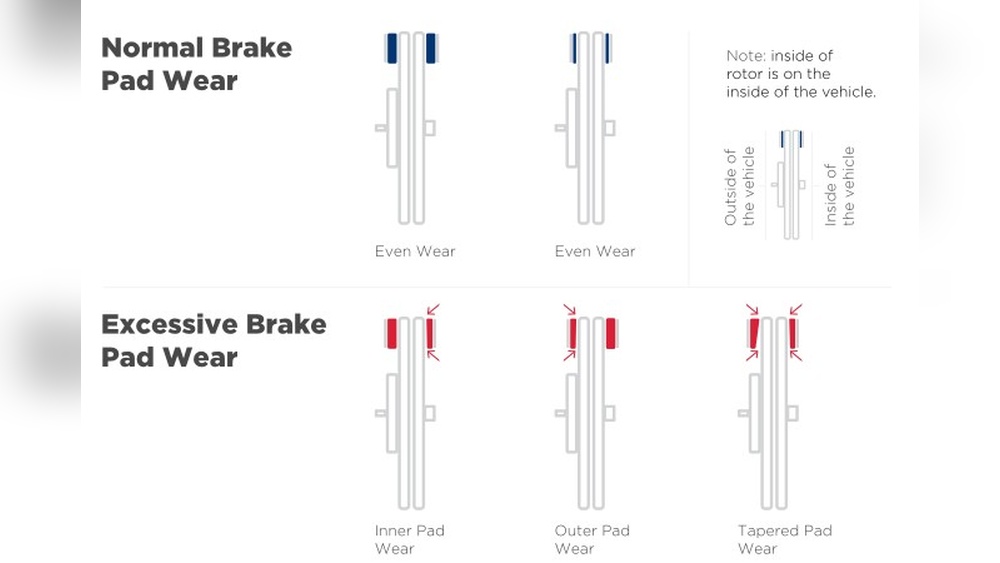
Listen for squealing or grinding noises when braking. These sounds may mean worn brake pads or damaged rotors. Notice if your car pulls to one side when braking. Feel for vibration or a soft brake pedal. Check these signs early to prevent bigger problems.
Regular Inspection Schedule
Check your brakes every 6,000 miles or at every oil change. Look at the pad thickness and rotor surface for damage. Clean any dirt or dust around the brake parts. Replace pads or rotors before they wear too thin. Keeping a schedule helps maintain safe braking power.

Credit: www.amazon.com
Frequently Asked Questions
How Do I Know When To Replace Brake Pads And Rotors?
You should replace pads and rotors when you hear squealing, grinding, or feel vibration. Visual wear or reduced braking power also indicates replacement time.
What Tools Are Needed To Replace Front Brake Pads And Rotors?
You need a jack, lug wrench, C-clamp, socket set, brake cleaner, and new pads and rotors. Having gloves and safety glasses is also recommended.
Can I Replace Brake Pads Without Removing The Rotor?
No, it’s best to remove the rotor for a thorough inspection and proper pad installation. This ensures safety and optimal brake performance.
How Long Does It Take To Replace Front Brake Pads And Rotors?
On average, it takes about 1 to 2 hours for a DIY brake pad and rotor replacement. Time varies based on experience and vehicle type.
Conclusion
Replacing front brake pads and rotors is a simple task. Follow the steps carefully and take your time. Use the right tools and safety gear for protection. Check your work twice before finishing. Good brakes keep you safe on the road.
Regular maintenance helps avoid costly repairs later. Practice makes perfect, so don’t rush. This guide makes the job easier and clear. You can save money and gain confidence. Drive safe and enjoy the smooth brake feel.