

If you’ve noticed squeaking brakes or a spongy pedal, it might be time to replace your brake pads and rotors. But before you head to the shop, you probably want to know—how much is this going to cost you?
Understanding the expenses involved can help you avoid surprises and make smarter decisions for your car and your wallet. You’ll discover the real costs behind replacing brake pads and rotors, what affects the price, and how to get the best value without compromising safety.
Keep reading to get the clear answers you need to protect your brakes—and your budget.
Brake Pads And Rotors Basics
Understanding the basics of brake pads and rotors helps in knowing their replacement costs. These parts work together to keep your car safe on the road. Knowing their roles and signs of wear saves money and prevents accidents.
Role Of Brake Pads
Brake pads press against the rotors to stop your car. They create the friction needed to slow down the wheels. Brake pads wear out over time and need regular checks.
Function Of Rotors
Rotors are metal discs attached to each wheel. When brake pads press on them, the rotors slow down the wheel’s spin. Rotors can warp or get thin and must be replaced sometimes.
Signs Of Wear
Squeaking or grinding noises mean brake pads may be worn out. A pulsing brake pedal often shows rotor problems. Longer stopping distances also warn that pads or rotors need attention.
Credit: www.aaa.com
Factors Affecting Replacement Costs
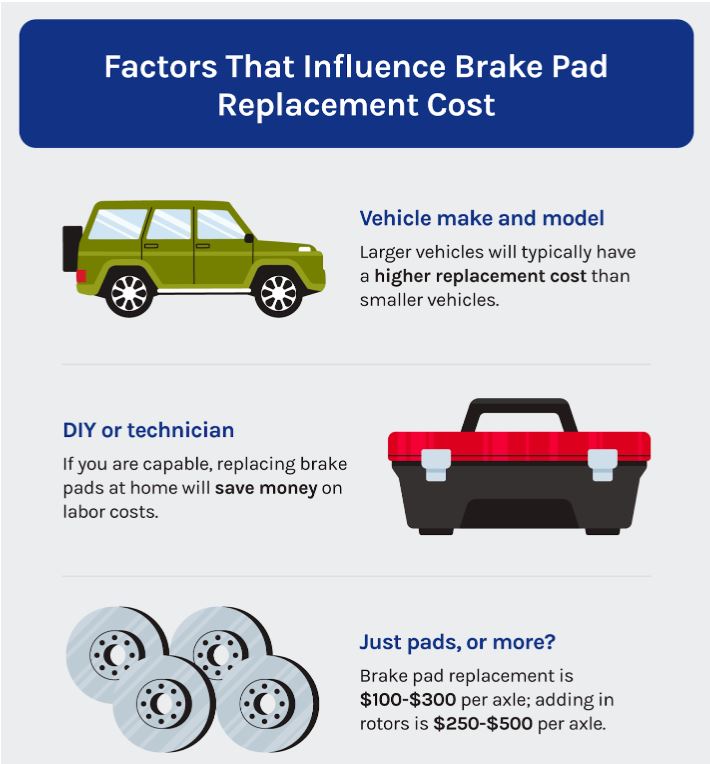
Several key factors influence the cost to replace brake pads and rotors. Understanding these helps you plan your budget better. Prices vary based on parts, labor, and vehicle specifics.
Vehicle Make And Model
Different car brands and models need specific brake parts. Luxury and sports cars often require expensive components. Common cars have more affordable, widely available parts. Some vehicles need special tools or extra time for repairs. This can increase labor costs.
Type Of Brake Pads
Brake pads come in various materials like ceramic, semi-metallic, and organic. Ceramic pads cost more but last longer and work quietly. Semi-metallic pads are cheaper and offer good performance. Organic pads are the least expensive but wear out faster. Choosing the right type affects overall replacement cost.
Rotor Material And Quality
Rotors vary by material and quality. Standard rotors are affordable but may wear quickly. High-performance rotors cost more but resist heat and last longer. Some rotors are drilled or slotted for better braking. These special features raise the price. Quality rotors ensure safer, smoother stops.
Labor Charges
Labor costs depend on the mechanic’s hourly rate and job difficulty. Dealerships usually charge more than independent shops. Complex vehicles or those with stuck parts take longer to service. Labor prices also differ by location and shop reputation. Always ask for a clear labor estimate before work starts.
Average Cost Breakdown
Understanding the average cost to replace brake pads and rotors helps you plan your car maintenance. Prices vary by car type, parts quality, and labor charges. This section breaks down typical costs for brake pad replacement, rotor replacement, and combined services. This way, you get a clear picture of what to expect.
Brake Pad Replacement Prices
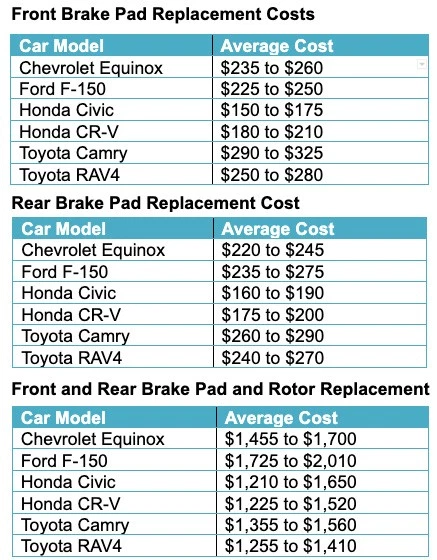
Brake pad replacement usually costs between $100 and $300 per axle. The price depends on the brake pad material and your car model. Standard pads cost less but wear out faster. Premium pads last longer but cost more. Labor fees also affect the total price.
Rotor Replacement Prices
Replacing rotors costs more than brake pads. Average prices range from $200 to $400 per axle. Rotors vary by size and quality. Some rotors can be resurfaced, lowering the cost. Others require full replacement, which is pricier. Labor time also impacts the total cost.
Combined Replacement Costs
Changing both brake pads and rotors together costs about $300 to $700 per axle. Buying parts and labor as a package often saves money. This combined service ensures better brake performance. It also extends the life of your braking system. Check local shops for exact prices.
Credit: www.ebay.com
Diy Vs Professional Replacement
Replacing brake pads and rotors can be done in two main ways: doing it yourself or hiring a professional. Both options have costs, benefits, and risks. Choosing the right method depends on your skills, tools, and budget. Understanding the differences helps you make a smart choice.
Pros And Cons Of Diy
Doing brake replacement yourself saves money on labor. Parts cost the same, but no extra fees apply. You learn new skills and gain confidence. Yet, mistakes can happen, causing safety problems. It takes time and patience, especially if it’s your first attempt. Tools and a good workspace are necessary. Without proper knowledge, you may damage parts or your car.
When To Choose A Mechanic
Professional mechanics have experience and right tools. They finish the job faster and ensure safety. If your brakes have serious damage, a mechanic is better. Complex brake systems need expert handling. Choosing a mechanic reduces the chance of errors. It costs more but gives peace of mind. Also, shops offer warranties on parts and work.
Tools And Safety Tips
Proper tools make brake replacement easier and safer. You need a jack, lug wrench, brake caliper tool, and more. Always wear safety glasses and gloves. Work on a flat surface and use wheel chocks. Never rely only on a jack; use jack stands. Follow the car manual for specific steps. Test brakes carefully before driving after replacement.
Saving Money On Brake Repairs
Brake repairs can be costly, but there are ways to save money without losing quality. Spending wisely on parts and services helps keep your car safe and your budget intact. Small steps can make a big difference in how much you pay for brake pads and rotors.
Choosing Affordable Parts
Opt for brake parts that fit your car and budget. Many brands offer quality pads and rotors at lower prices. Avoid very cheap parts that wear out fast or cause damage. Balance cost and quality to get the best value. Buying parts from trusted sellers reduces risks of defects.
Maintenance Tips To Extend Life
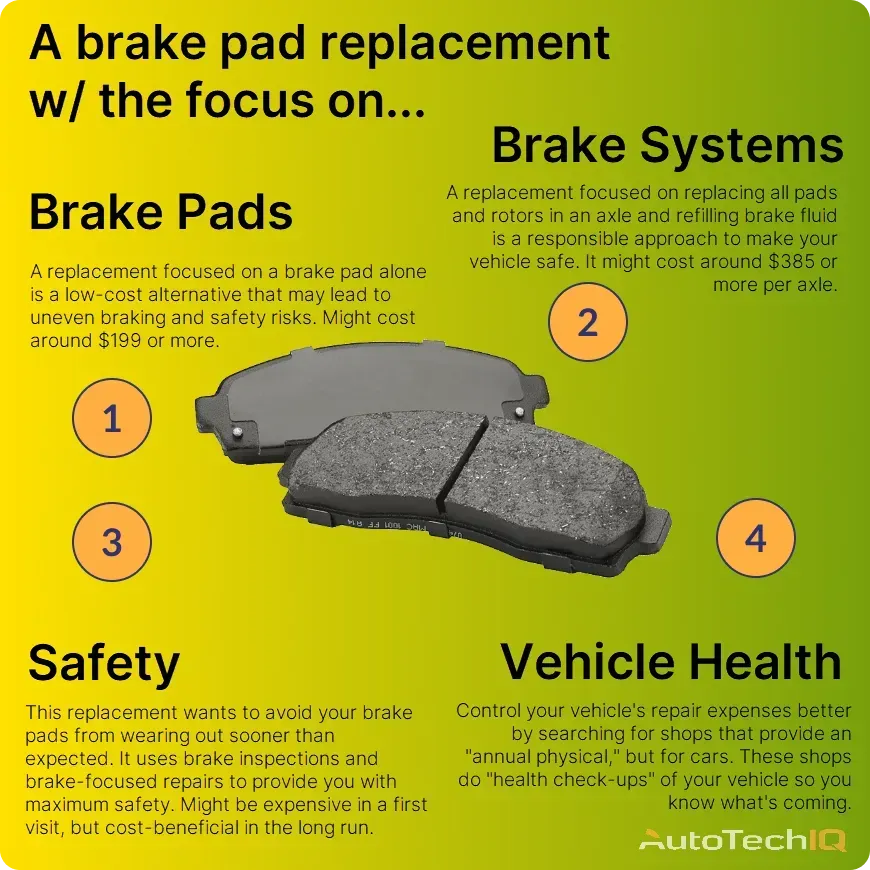
Regular brake checks help catch problems early. Clean your brakes to prevent dirt and rust buildup. Avoid hard braking to reduce wear on pads and rotors. Driving smoothly helps brakes last longer and saves money. Replace brake fluid as recommended to keep the system working well.
Finding Reliable Service Deals
Search for local shops offering fair prices and good reviews. Some places provide discounts or package deals on brake repairs. Ask if they use quality parts and offer warranties. Compare prices from a few shops before deciding. Reliable service means fewer repairs and better savings over time.
Common Mistakes To Avoid
Replacing brake pads and rotors can be costly if mistakes happen. Avoid common errors to save money and keep your car safe. Knowing what not to do helps you get the best results from your repair.
Ignoring Warning Signs
Brake noise, vibration, or longer stopping times are warning signs. Ignoring them leads to bigger damage and higher costs. Pay attention to these signs early to avoid full rotor replacements.
Using Low-quality Parts
Cheap brake pads and rotors may save money at first. They wear out faster and can cause brake failure. Choose parts that meet safety standards for better performance and durability.
Improper Installation
Incorrect fitting of brake pads and rotors causes uneven wear. This leads to poor braking and more frequent repairs. Use a trusted mechanic or follow instructions carefully for proper installation.
Credit: www.autotechiq.com
Frequently Asked Questions
How Much Does It Cost To Replace Brake Pads And Rotors?
Replacing brake pads and rotors typically costs between $250 and $500. Prices vary based on vehicle type and parts quality. Labor fees and location also affect the total cost. High-performance or luxury cars may incur higher expenses.
What Factors Affect Brake Pad And Rotor Replacement Cost?
Costs depend on vehicle make, brake part quality, and labor rates. Additional repairs like caliper replacement increase expenses. The shop’s location and warranty offerings also influence the final price. DIY replacements can reduce costs but need expertise.
How Often Should Brake Pads And Rotors Be Replaced?
Brake pads usually last 30,000 to 70,000 miles; rotors may last 50,000 miles or more. Driving habits and conditions impact wear. Regular inspections help prevent costly damage. Replacing both together ensures optimal braking performance.
Can I Replace Brake Pads And Rotors Myself?
Yes, if you have mechanical skills and proper tools, DIY replacement is possible. Follow safety guidelines and vehicle manuals carefully. Incorrect installation risks braking failure and safety hazards. Otherwise, professional service is recommended for best results.
Conclusion
Replacing brake pads and rotors costs depend on your car and parts. Labor fees also affect the total price. Choosing quality parts can save money in the long run. Regular brake checks help avoid costly repairs later. Keep your brakes in good shape for safety.
Understanding costs helps you plan your budget better. Don’t wait until brakes wear out completely. Timely replacement keeps your car running smoothly and safely. Simple steps can prevent bigger problems down the road. Stay informed and make smart decisions about brake care.

