

Have you ever wondered how much pressure car washes use to clean your vehicle? Knowing this can help you protect your car’s paint and avoid damage.
Whether you go through an automatic wash or use a pressure washer at home, understanding the right pressure is key. You’ll discover exactly how much pressure car washes apply and why it matters for your car’s care. Keep reading to learn how to keep your vehicle spotless without risking harm.
Car Wash Pressure Basics
Car wash pressure plays a key role in cleaning vehicles effectively. It uses water force to remove dirt and grime. The right pressure cleans well without harming the paint or surface.
Understanding how pressure works helps choose the best car wash method. It also helps avoid damage to your car’s finish. Pressure depends on many factors like water flow and equipment type.
Pressure Units Explained
Pressure is measured in pounds per square inch (PSI). This shows how much force water puts on a small area. Higher PSI means stronger water force. Some car washes also use bars or kilopascals (kPa).
One bar equals about 14.5 PSI. Kilopascals are common in many countries. 1 PSI equals 6.9 kPa. These units help compare pressure levels easily.
Typical Pressure Ranges
Most car washes use pressure between 1200 and 1900 PSI. This range cleans dirt without damaging paint. Handheld pressure washers for cars usually stay below 2000 PSI.
Automatic car washes use lower pressure, about 1200 PSI. High-pressure systems over 2000 PSI are for tough cleaning tasks. Too much pressure can cause paint scratches or water damage.
Types Of Car Wash Systems
Car washes use different systems to clean vehicles. Each system applies water pressure differently. Understanding these types helps you know what to expect during a wash. It also explains the pressure levels used on your car’s surface.
Automatic Car Washes
Automatic car washes use machines to clean cars fast. They spray water at medium to high pressure, usually between 1200 and 1800 PSI. Brushes or cloth strips scrub the car while water rinses dirt away. This system is quick and easy but may use stronger pressure on some spots.
Self-service Wash Stations
Self-service stations let you wash your car by hand with a pressure wand. The pressure ranges from 1000 to 2500 PSI. You control the water spray and cleaning time. This method allows careful cleaning of delicate areas with less pressure if needed.
Professional Hand Washes
Professional hand washes use low-pressure water, usually under 1000 PSI. Workers clean cars gently using sponges and soft cloths. This method protects paint and finishes better than machines. It’s the safest option for cars with sensitive surfaces or special coatings.
Pressure Levels In Different Systems
Car washes use different pressure levels depending on the system. Each type has its own water pressure to clean your vehicle effectively. Understanding these pressures helps you choose the best wash for your car’s needs.
Soft Cloth Automatic Washers
Soft cloth automatic washers use low pressure to avoid damage. The water pressure is usually around 1000 to 1200 PSI. This gentle pressure cleans dirt without harming the paint or finish. The soft cloth brushes add extra care while washing.
High-pressure Self-service Units
High-pressure self-service units offer stronger water flow. They often operate between 1500 and 3000 PSI. This pressure removes tough grime and mud. Users can control the spray distance and pressure for better results. It is ideal for heavy dirt but needs careful use.
Professional Detailing Pressure
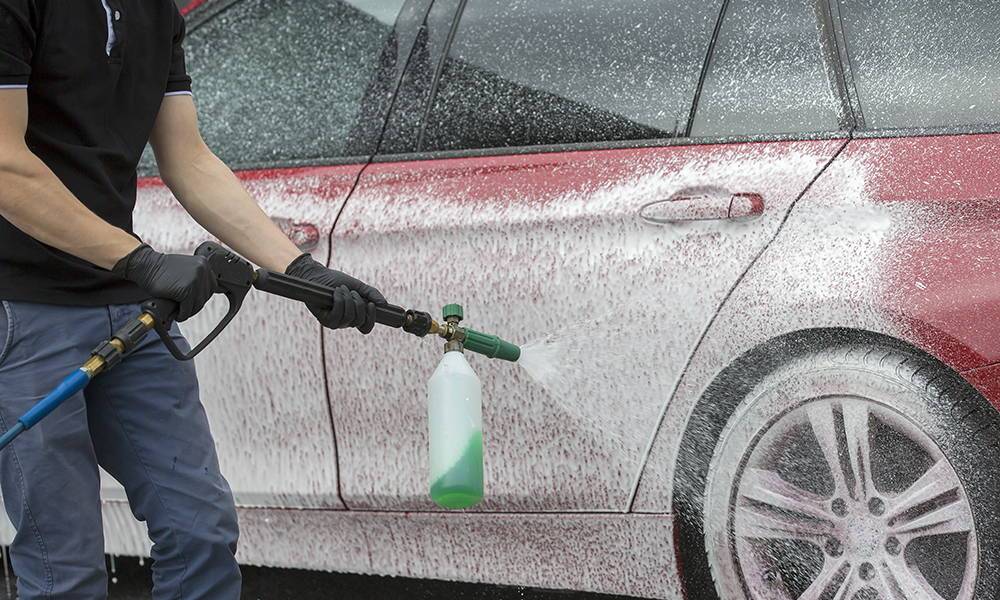
Professional detailers use specialized pressure washers for deep cleaning. Their machines can reach up to 3000 PSI or higher. This high pressure removes stubborn stains and debris. Detailers combine this with special soaps to protect the car’s surface. It is best for thorough cleaning and restoration.
Credit: www.torquedetail.com
Impact Of Pressure On Vehicle Surfaces
Pressure from car washes plays a big role in cleaning vehicles. Too little pressure may not remove dirt well. Too much pressure can harm the car’s surface. Understanding how pressure impacts vehicle surfaces helps keep cars safe and clean.
Safe Pressure Thresholds
Most car surfaces handle pressure between 1,200 and 1,900 PSI. This range cleans dirt without damage. Soft surfaces like paint need lower pressure. Harder parts like tires can take higher pressure safely.
Risks Of Excessive Pressure
Pressure above 2,000 PSI can cause problems. It may chip paint or scratch clear coats. Water can push dirt into the paint, causing damage. Excessive pressure can also hurt seals and trim.
Protecting Paint And Finish
Use soft brushes or cloths with pressure washers. Avoid spraying close to the surface. Keep the nozzle moving to prevent damage. Regular waxing helps protect paint from pressure effects.
Choosing The Right Pressure For Your Car
Choosing the right pressure for your car during a wash is important. The right pressure cleans well without causing damage. Different cars need different pressure levels. Dirt and grime levels also affect the choice. Balancing cleaning power with safety helps protect your vehicle’s paint and parts. Understanding these factors makes car washing safe and effective.
Assessing Your Vehicle Type
Cars have different paint finishes and materials. Some have delicate paint that can chip easily. Others have tougher surfaces designed for rough use. Older cars may need gentler pressure. Newer cars with strong finishes can handle higher pressure. Knowing your car’s type helps pick the best pressure level.
Considering Dirt And Grime Levels
Light dirt only needs low pressure to remove. Heavy mud or grime may require stronger pressure. Avoid using high pressure on light dirt to protect paint. For tough stains, increase pressure carefully. This prevents damage while cleaning well.
Balancing Cleaning Power And Safety
Strong pressure cleans quickly but can harm paint or seals. Low pressure is safer but may not remove all dirt. Find a middle ground that cleans well and keeps your car safe. Always test pressure on a small area first. This avoids surprises and keeps your car looking good.
Pressure And Environmental Factors
Pressure in car washes affects not only cleaning power but also the environment. High pressure uses more water and energy. This can lead to waste and pollution. Understanding these factors helps choose better car wash methods.
Water Consumption And Waste
Car washes use large amounts of water. High-pressure jets spray water to clean cars quickly. This water often runs off and carries dirt and chemicals into the ground. Some car washes recycle water to reduce waste. Saving water helps protect local water supplies.
Energy Use In Car Washes
Running pumps and heaters uses electricity. High pressure needs strong pumps that consume more energy. Many car washes operate for long hours, increasing power use. Lower energy use means less pollution from power plants. Choosing energy-efficient equipment lowers the environmental impact.
Eco-friendly Pressure Practices
Using moderate pressure cleans well and saves water. Some car washes use sensors to control water flow. This avoids wasting water on already clean parts. Biodegradable soaps reduce harm to plants and animals. Combining good pressure with green methods helps the planet.
Myths About Car Wash Pressure
Many people have wrong ideas about the pressure used in car washes. These myths can cause confusion and worry. Understanding the truth helps you take better care of your car.
Higher Pressure Means Better Clean
Some think higher pressure cleans the car better. This is not true. Too much pressure can harm the paint and seals. Good car washes use the right pressure, not the highest.
Pressure Alone Removes All Dirt
Pressure helps remove dirt, but it is not enough alone. Soap, brushes, and water temperature also play key roles. A balance of these elements cleans the car well.
Pressure Can Damage All Cars
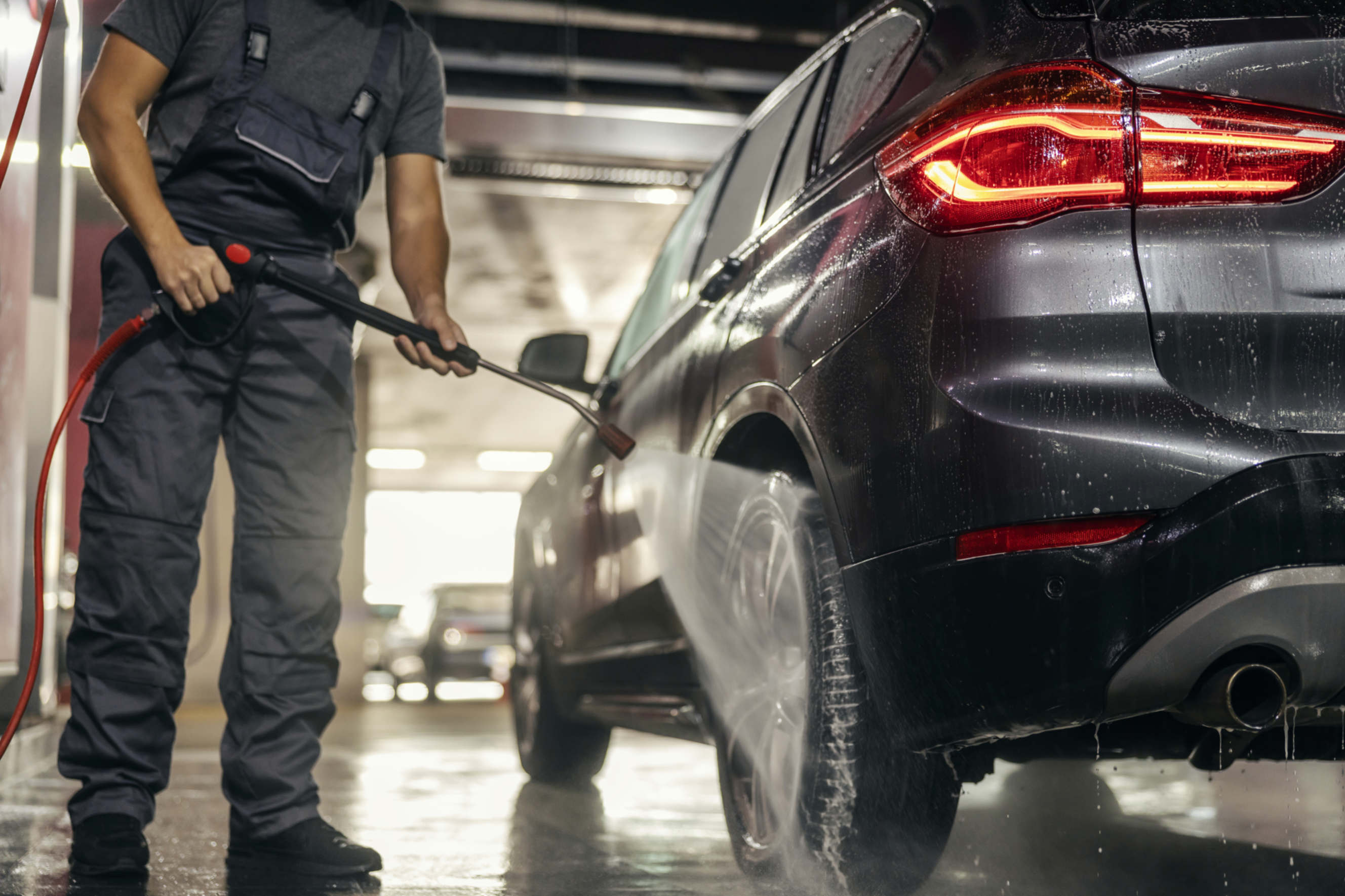
High pressure can damage some cars, but not all. Most cars handle car wash pressure fine. Always follow your car maker’s advice about washing methods.

Credit: www.turtlewax.com
Credit: www.airtasker.com
Frequently Asked Questions
What Is The Typical Pressure Range Of Car Washes?
Car washes usually operate between 1200 and 1900 PSI. This range effectively removes dirt without damaging the car’s paint. Higher pressures might harm the vehicle’s surface, so most washes maintain this safe range.
How Does Pressure Affect Car Wash Effectiveness?
Pressure helps remove grime and dirt efficiently. Too low pressure might not clean thoroughly. Too high pressure can damage paint or trim. Optimal pressure ensures a balance between cleaning power and vehicle safety.
Can High-pressure Damage My Car’s Paint?
Yes, extremely high pressure can chip or scratch paint. Most car washes use regulated pressure to prevent damage. Always avoid DIY washing with excessive pressure to keep your paint intact.
Why Do Touchless Car Washes Use Different Pressure Levels?
Touchless washes rely more on chemicals and moderate pressure. They use lower pressure to avoid physical contact but still remove dirt effectively. This method protects delicate surfaces while cleaning efficiently.
Conclusion
Car washes use different pressure levels to clean cars well. Low pressure is gentle and safe for most vehicles. High pressure can remove tough dirt but may harm paint. Knowing the right pressure helps protect your car’s surface. Choose a car wash that matches your car’s needs.
A good wash keeps your car looking fresh and clean. Always consider pressure to avoid damage and get the best results. Clean cars last longer and stay attractive on the road.


