

Are you wondering how much pressure is just right for washing your car without causing damage? Using too much pressure can harm your paint, while too little might leave dirt behind.
Finding the perfect balance is key to making your car shine and keeping it safe. You’ll discover exactly what pressure level works best for a thorough, safe car wash. Keep reading to learn the secrets that will protect your vehicle and give it that fresh, spotless look you want every time.
Ideal Pressure Range
The ideal pressure for a car wash is usually between 1200 and 1900 PSI. Too much pressure can damage the paint, while too little won’t clean well. Finding the right balance keeps your car safe and shiny.
Pressure Levels For Different Car Surfaces
The ideal pressure range for car washing depends on the surface. Soft surfaces like paint need gentle pressure. Around 1200 to 1900 PSI works well here. This range cleans dirt without harming the paint.
Glass and windows require less pressure, about 1000 to 1400 PSI. Too much pressure can cause cracks or damage seals. Tires and wheels are tougher. They can handle higher pressure, around 2000 to 3000 PSI. This helps remove brake dust and grime effectively.
Balancing Power And Safety
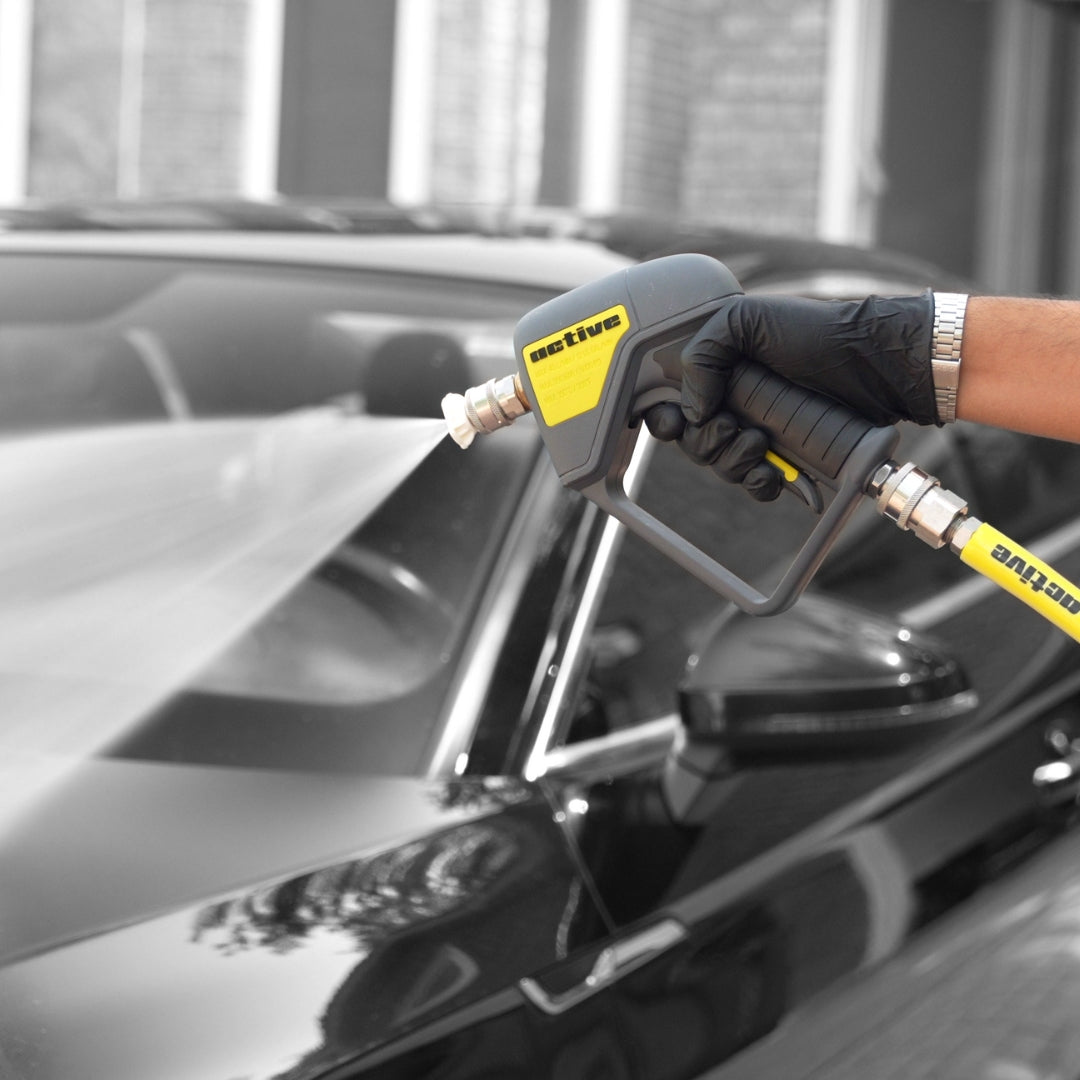
Strong pressure cleans better but can hurt your car. Too much force may strip paint or cause scratches. Use the lowest pressure that still cleans well. Always keep the nozzle at least six inches from the surface. Test the pressure on a small area first.
Use a wide spray tip to spread the force. This reduces damage risk. Remember, safety protects your car and your investment. Proper pressure keeps your car shiny and safe.
Credit: activeproducts.com
Types Of Pressure Washers
Pressure washers come in different types, each designed for specific uses. Choosing the right type helps clean your car effectively without damage. Understanding these types makes your car wash safer and easier.
Electric Vs Gas Pressure Washers
Electric pressure washers are quieter and lighter. They work well for small to medium cleaning jobs. These models need less maintenance and are easy to store.
Gas pressure washers offer more power. They suit heavy-duty cleaning and large areas. These machines are louder and require more care and fuel.
For car washing, electric washers usually provide enough pressure. Gas washers might be too strong and risk paint damage.
Choosing The Right Psi
PSI means pounds per square inch. It shows how strong the water pressure is. Too much PSI can harm your car’s paint and windows.
For cars, a PSI between 1200 and 1900 is safe. This range removes dirt and grime without damage. Higher PSI suits trucks or tough stains but use carefully.
Low PSI may not clean well, causing extra scrubbing. Pick a pressure that balances cleaning power and safety.
Effects Of High Pressure
High pressure in car washing can clean dirt very fast. It pushes water out with strong force. This force removes tough grime and mud easily.
Strong pressure can be helpful but also risky. Too much force may harm your car’s surface. It is important to know how high pressure works.
Potential Damage Risks
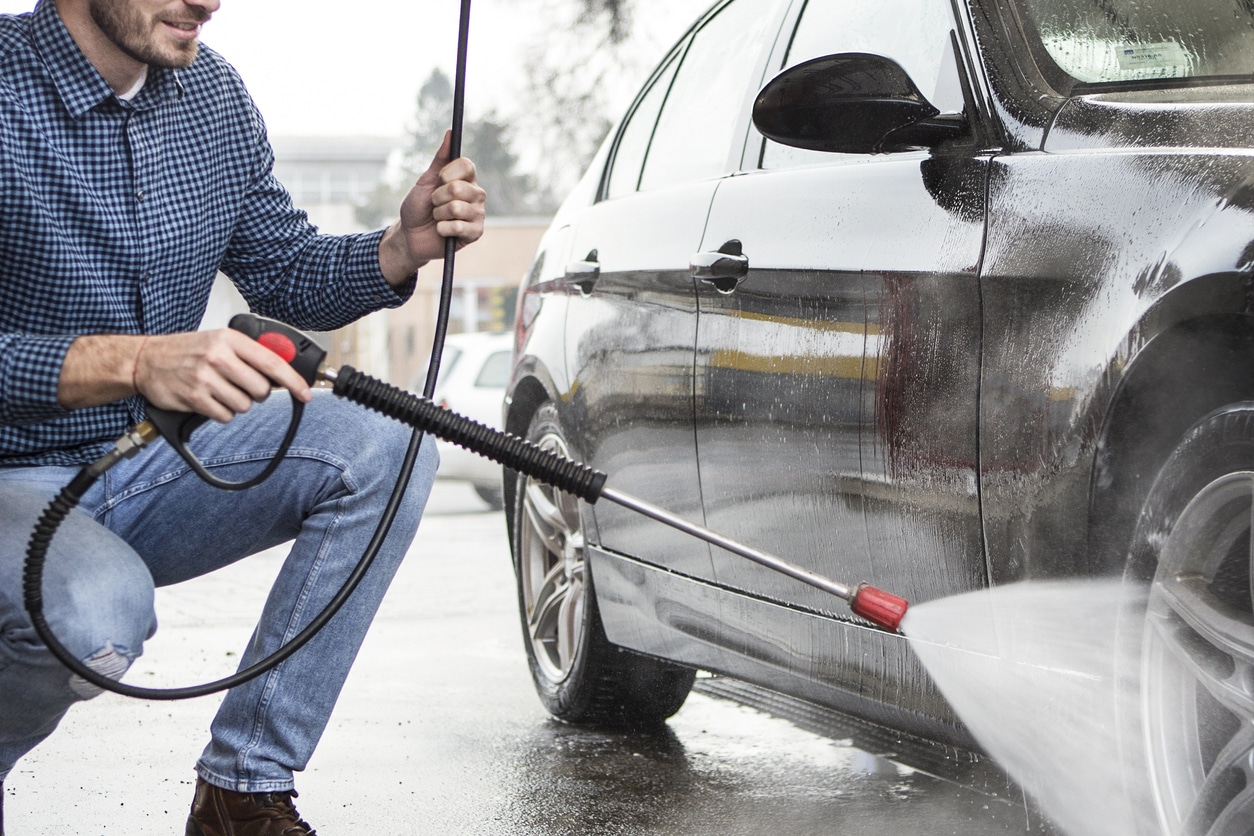
High pressure can chip paint or scratch the surface. It may break seals around windows or doors. Water can get inside parts where it should not.
Plastic parts may crack or fade under strong pressure. Tires and rims can also get damaged. Paint chips can cause rust on metal parts.
When To Avoid High Pressure
Avoid high pressure on old or fragile cars. Use low pressure on soft materials like vinyl or rubber. Steer clear of high pressure near electrical parts.
Do not use strong pressure on windows or mirrors. Avoid spraying close to decals or stickers. Gentle cleaning is best for delicate surfaces.
Credit: www.simoniz.uk
Benefits Of Low To Moderate Pressure
Using low to moderate pressure for car washing offers many benefits. It cleans the car well without causing damage. This pressure level is gentle enough to protect the car’s surface while removing dirt effectively. It balances power and care for a great wash experience.
Protecting Paint And Finish
Low to moderate pressure prevents paint damage. High pressure can strip paint or cause scratches. Gentle pressure helps keep the car’s finish smooth and shiny. It also stops water from forcing dirt deeper into crevices. This protects the car’s look for a longer time.
Effective Cleaning Techniques
Using moderate pressure helps remove dirt without hard scrubbing. It washes away dust, mud, and grime safely. Combining this pressure with good soap and a soft brush improves cleaning. It reaches tight spots without harming delicate areas. This method cleans well and keeps the car safe.
Nozzle Selection And Distance
Nozzle selection and distance play a big role in car washing. The right nozzle controls water pressure. This affects how well dirt gets removed and protects the car’s paint. Holding the nozzle at the correct distance keeps the surface safe. Too close can cause damage. Too far reduces cleaning power.
How Nozzle Type Affects Pressure
Nozzles change the water’s spray shape and pressure. A narrow nozzle creates a strong, focused stream. It cleans tough dirt but can harm paint. Wide nozzles spread water out. They lower pressure and are safer for paint. Use a nozzle that matches the cleaning task. A 25-degree nozzle works well for most cars. A zero-degree nozzle is very strong but risky. Choose nozzles with care to avoid damage.
Safe Distance For Washing
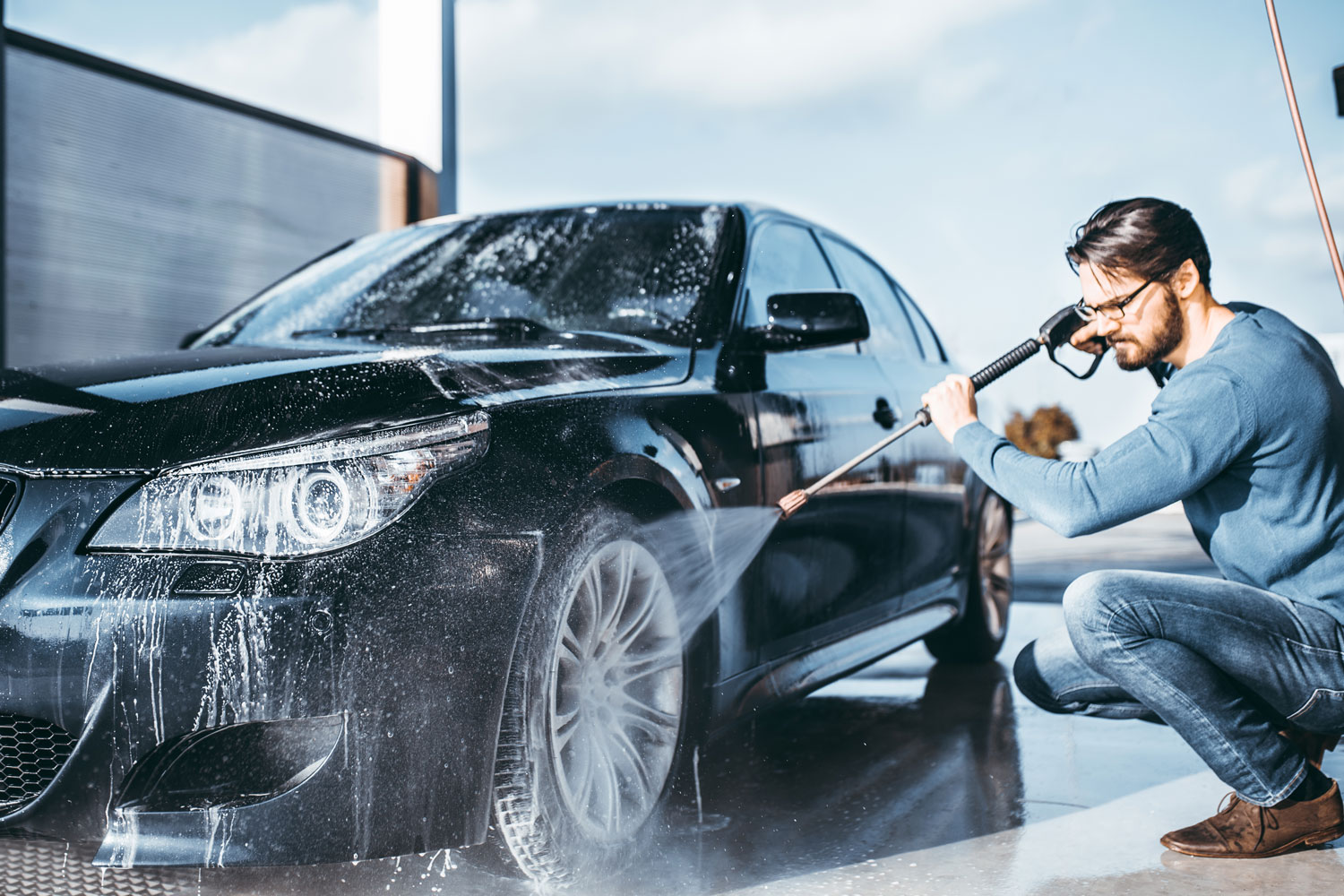
Keep the nozzle at least 6 to 12 inches from the car. This distance helps avoid paint damage. Close spraying can chip paint or cause scratches. Holding the nozzle too far makes water weak. Dirt stays on the surface and needs more scrubbing. Adjust the distance based on nozzle type and pressure. Watch the water spray and change distance if needed. Safe distance protects your car and cleans well.
Additional Tips For Car Wash
Washing a car is more than just using the right pressure. Small steps can protect your paint and keep your car shining longer. Follow these extra tips for a better car wash experience.
Using Detergents Safely
Choose detergents made for cars. Avoid harsh chemicals that can damage paint.
Mix the detergent with water before applying. Use a soft sponge or cloth to clean.
Rinse the car well after washing to remove all soap. Leftover detergent can leave marks.
Post-wash Care
Dry the car with a clean microfiber towel. This stops water spots from forming.
Apply wax or sealant to protect the paint. It also makes future washing easier.
Check tires and windows for any missed dirt. Clean these areas gently for a complete wash.
Credit: www.capitalone.com
Frequently Asked Questions
What Pressure Is Ideal For Washing A Car?
The ideal pressure for car washing is between 1200 and 1900 PSI. This range effectively removes dirt without damaging the paint or surface.
Can High Pressure Damage My Car’s Paint?
Yes, pressures above 2000 PSI can strip paint or cause dents. Always use moderate pressure to protect your car’s finish.
Is Low Pressure Effective For Car Cleaning?
Low pressure, below 1200 PSI, may not remove tough dirt. It’s suitable for delicate areas but less effective for heavy grime.
How To Adjust Pressure For Different Car Parts?
Use lower pressure for windows and mirrors, higher for wheels and body. Adjusting pressure prevents damage and ensures thorough cleaning.
Conclusion
Choosing the right pressure for a car wash matters a lot. Too much pressure can harm your paint and parts. Too little pressure may not clean well. Usually, 1200 to 1900 PSI works best for most cars. Always test a small area first.
Use a gentle spray to avoid damage. Keep your car looking shiny and safe. Clean smart, clean safe, clean right. Your car will thank you for it.


