Have you ever wondered how powerful your average car wash really is? When you drive your car through those spinning brushes and jets of water, there’s more happening than just a simple rinse.
The pressure behind that water plays a big role in cleaning your vehicle effectively without causing damage. Understanding how much pressure a typical car wash puts out can help you make smarter choices about where and how you wash your car.
Keep reading to discover the surprising facts about car wash pressure and how it affects your car’s shine and safety.
Car Wash Pressure Basics
Pressure plays a key role in cleaning cars effectively. It helps remove dirt, grime, and mud from the vehicle’s surface. Understanding pressure in car washes can help you choose the right wash method. It also explains why some car washes feel stronger than others.
Pressure varies depending on the type of car wash machine. Different machines use different pressure levels to clean safely without damaging the paint. Knowing basic pressure facts makes car washing easier to understand.
What Is Pressure In Car Washes?
Pressure in car washes is the force of water pushed out of the spray nozzles. It helps break up dirt and wash it away from the car’s surface. Higher pressure means the water hits the car with more force. Lower pressure is gentler but may not clean tough dirt well.
Car wash pressure must balance cleaning power and surface safety. Too much pressure can harm paint and trim. Too little pressure may not clean properly. Professionals design car wash machines to use the right pressure level for effective cleaning.
Units Used To Measure Pressure
Pressure is measured in units that show force per area. The most common unit for car wash pressure is pounds per square inch, or PSI. This tells how many pounds of force hit each square inch of the car’s surface.
Another unit sometimes used is bar. One bar equals about 14.5 PSI. Knowing these units helps compare pressure from different car wash machines or home pressure washers. Most car wash pressures range from 1000 to 2000 PSI, enough to clean well but safe for vehicles.

Credit: www.roadandtrack.com
Average Pressure Levels
Car washes use water pressure to clean vehicles effectively. The pressure level plays a big role in removing dirt and grime. Different car washes use different pressure strengths. Knowing the average pressure helps understand their cleaning power.
Typical Psi Range For Car Washes
Most car washes operate between 1200 and 1900 PSI (pounds per square inch). This range is strong enough to clean the car without damaging paint. The pressure is higher than a regular garden hose but lower than some power washers. It balances cleaning power with safety for the vehicle’s surface.
Differences Between Types Of Car Washes
Touchless car washes use higher pressure, often near 1900 PSI. They rely on water force and strong detergents to clean. Soft cloth or brush car washes use lower pressure, usually around 1200 to 1500 PSI. The brushes help scrub dirt gently. Hand washes use variable pressure depending on the tools, but usually stay under 1500 PSI. Each type chooses pressure based on cleaning method and care level.
Pressure And Cleaning Power
Pressure plays a key role in car washing. It helps remove dirt and grime from the vehicle’s surface. The right pressure cleans effectively without damaging paint or parts. Understanding pressure and cleaning power helps you choose the best car wash method.
How Pressure Affects Dirt Removal
Pressure pushes water against the dirt on your car. Higher pressure can break loose tough grime and mud. Too much pressure may harm the paint or seals. Most car washes use pressure between 1200 and 1900 PSI. This range cleans well and stays safe for the car.
Low pressure often misses stubborn dirt. High pressure sprays reach into tight spots. It helps clean wheels, grills, and undercarriage. Pressure alone does not clean everything; it works best with other factors.
Role Of Water Flow And Detergents
Water flow moves dirt off the car surface. A strong flow washes away loosened dirt and soap. Car washes combine pressure with good water flow for better cleaning. Detergents break down grease and stains.
Soap softens dirt, making it easier to rinse. Detergents also protect paint and shine. The mix of pressure, water flow, and detergent cleans your car well. Each part plays a unique role in the cleaning process.

Credit: contractorssupplyllc.com
Potential Risks Of High Pressure
High-pressure water jets clean cars effectively but can cause problems. The pressure at many car washes may be too strong for some parts of your vehicle. This section explains the risks linked to using high pressure during car washes.
Damage To Car Paint And Surfaces
Strong water pressure can chip or peel car paint. It may also scratch delicate surfaces and trim. Over time, repeated high-pressure washing can wear down the clear coat. This layer protects your car’s paint from fading and damage. Plastic parts and decals can also become loose or damaged. Small dents may form if the pressure is very high.
Safety Concerns For Users
High-pressure water jets can hurt people nearby. The strong spray can cause cuts or bruises on skin. It may also push dirt or debris into eyes, causing irritation or injury. Children and pets should stay far from the wash area. Users must handle equipment carefully to avoid accidents. Proper safety gear, like goggles, can reduce risks.
Comparing Diy And Professional Car Washes
Comparing DIY and professional car washes reveals clear differences in pressure and cleaning power. Many car owners consider washing their cars at home to save money. Others prefer professional services for better results and convenience. Understanding the pressure levels used by each method helps to choose the best option for your car.
Pressure Levels In Home Equipment
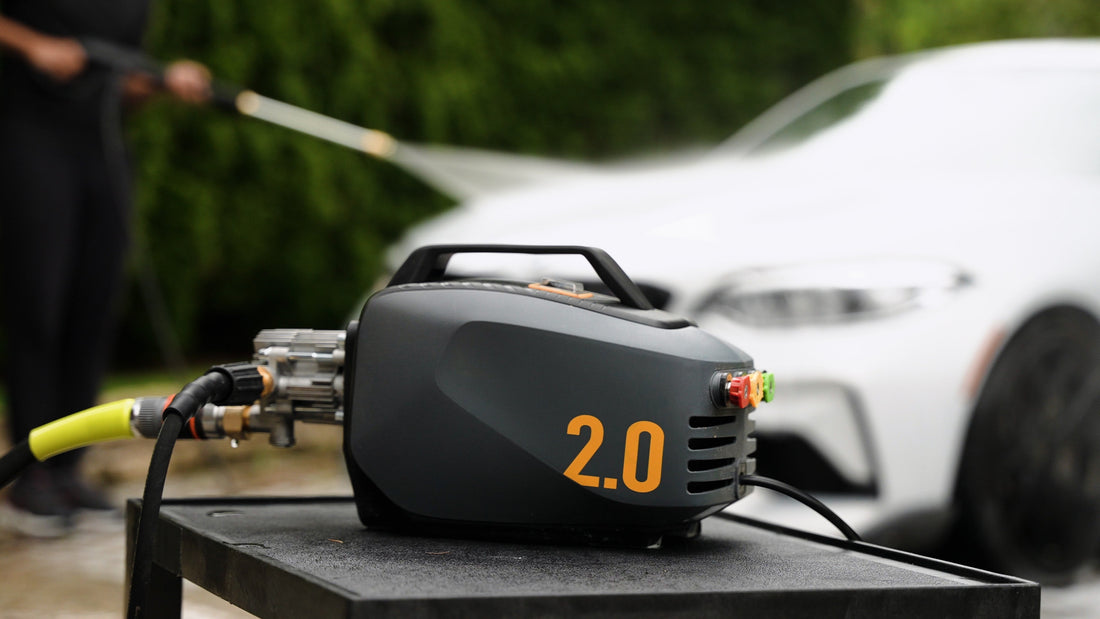
Home car wash equipment usually puts out lower pressure than professional machines. Most pressure washers for home use run between 1200 to 2000 PSI. This pressure is enough to remove dirt and mud but might not clean tough stains. Many home users rely on hoses or simple spray nozzles that produce even less pressure. Low pressure means safer washing but may require more effort and time.
Advantages Of Professional Services
Professional car washes use machines with higher pressure, often between 2000 and 3000 PSI. This strong pressure cleans dirt quickly and reaches hard spots on the car. Experts use special soaps and brushes that protect the paint while cleaning. Professionals have training to avoid damage and provide a polished finish. Their equipment also dries the car faster, preventing water spots.
Credit: activeproducts.com
Innovations In Car Wash Technology
Car wash technology has improved a lot over the years. New machines use better pressure controls. These changes help clean cars well without causing damage. The technology adapts to different vehicle types and dirt levels. It also saves water and energy, which helps the environment.
Modern car washes use smart systems to adjust pressure. This makes the cleaning process safer and more effective. Many places now focus on eco-friendly methods. They use less water and reduce chemical waste. These innovations make car washing easier and greener.
Pressure Adjustments For Different Vehicles
Car washes now adjust pressure depending on the vehicle. Smaller cars get gentler sprays to avoid damage. Bigger vehicles get stronger pressure to remove tough dirt. Some systems sense the car’s size automatically. This avoids guessing and ensures the right pressure every time.
Pressure changes also depend on the dirt level. Light dirt needs less force, heavy dirt needs more. This precision helps protect paint and parts. It keeps cars looking new longer. Pressure control is a key part of modern car wash tech.
Eco-friendly Pressure Use
Many car washes use less pressure to save water. Lower pressure means less water waste during cleaning. Machines recycle water and use it again. This reduces the total water needed per wash.
Using the right pressure also cuts down on chemicals. Less water and chemicals mean less pollution. Eco-friendly car washes help protect nature. They also reduce costs for owners and customers. This balance is good for the environment and business.
Shocking Pressure Facts
The pressure used in car washes can surprise many people. It is not just about water flow. The force behind that water can change the cleaning power.
Some car washes use gentle pressure to avoid damage. Others push the limits to remove tough dirt. This range of pressure is wider than most expect.
Unexpected Pressure Extremes
Average car washes usually operate between 1000 and 2000 PSI. PSI means pounds per square inch. This pressure is enough to clean without harm.
But some car washes go as low as 500 PSI. These are soft-touch systems for delicate finishes. On the other side, some use up to 3000 PSI.
Higher pressure can blast off stubborn grime and salt. Still, too much pressure can damage paint or trim parts. Operators must balance power and safety.
Record-breaking Car Wash Pressures
The strongest car washes can reach over 4000 PSI. These are rare and mostly for industrial or specialty cleaning. Such pressure can strip layers of dirt quickly.
Some professional mobile detailers use pressure washers with 3500 to 4500 PSI. They clean tough spots like engine bays and wheels. Yet, they avoid direct paint contact.
Extreme pressure car washes are not common for daily use. Most drivers choose safer, moderate pressure systems. This protects their vehicle’s finish and value.
Frequently Asked Questions
What Is The Average Pressure Of A Car Wash System?
The average car wash pressure ranges between 1200 to 1900 PSI. This pressure effectively cleans dirt without damaging the car’s paint.
How Does Car Wash Pressure Affect Cleaning Quality?
Higher pressure removes stubborn dirt quickly. However, too much pressure can harm the car’s finish. Balanced pressure ensures thorough and safe cleaning.
Can High Pressure Damage A Car’s Paint?
Yes, excessive pressure above 2000 PSI can chip paint or cause scratches. Professional car washes use optimal pressure to protect your vehicle.
What Pressure Do Automatic Car Washes Use?
Automatic car washes typically operate between 1400 and 1600 PSI. This range cleans effectively while minimizing any risk to the car’s surface.
Conclusion
Most car washes use pressure between 1200 and 1900 PSI. This range cleans well without damaging paint. Too much pressure can cause scratches or harm seals. Lower pressure might leave dirt behind. Knowing this helps you choose the right wash.
It also protects your car’s finish. Always follow your car’s care guide. Clean cars look nice and last longer. Pressure matters, but gentle care matters more. Choose wisely for a shiny, safe clean every time.