

Are you wondering how powerful your pressure washer needs to be to clean your car effectively without causing damage? Choosing the right pressure can make all the difference between a sparkling finish and unwanted scratches.
You’ll discover exactly what power level works best for washing cars, so you can protect your paint and get the job done quickly. Keep reading to learn the secret to a spotless car wash every time.

Credit: www.amazon.com
Pressure Washer Basics
Understanding the basics of pressure washers helps in choosing the right one for washing cars. Knowing how pressure works and the types of washers available makes the task easier. This section breaks down key points about pressure washers for car cleaning.
How Pressure Is Measured
Pressure is measured in PSI, which stands for pounds per square inch. It shows how much force the water has when it comes out of the nozzle. Higher PSI means stronger water pressure. Too much pressure can damage your car’s paint. Too little pressure might not clean well. Finding the right PSI is important for safe washing.
Psi Vs Gpm Explained
PSI measures pressure, but GPM means gallons per minute. GPM shows how much water flows through the washer. Both PSI and GPM affect cleaning power. High PSI and high GPM work together to remove dirt better. For cars, moderate PSI with steady GPM is best. It cleans without causing damage.
Types Of Pressure Washers
There are mainly two types of pressure washers: electric and gas-powered. Electric washers are quieter and lighter. They suit small jobs like washing cars. Gas washers are stronger and better for heavy tasks. They are louder and heavier. Most people prefer electric washers for car washing because they are safe and easy to use.
Ideal Pressure For Car Washing
Choosing the right pressure for washing your car is very important. Too much pressure can damage the paint and parts. Too little pressure will not clean the dirt well. Knowing the ideal pressure helps keep your car safe and clean.
Safe Psi Range For Cars
The best pressure for car washing is usually between 1200 and 1900 PSI. This range cleans dirt without harming the paint. Most household pressure washers fall in this range. Stay below 2000 PSI for safe cleaning.
Impact Of Too High Pressure
Using pressure over 2000 PSI can cause problems. It may chip paint or scratch the surface. It can also harm soft parts like mirrors and lights. High pressure can force water inside doors or seals. Avoid using very high pressure on cars.
Pressure Settings For Different Surfaces
Car surfaces need different pressure settings. Use lower pressure for delicate parts like windows and trim. Tires and wheels can handle higher pressure to remove grime. Adjust pressure based on the area you clean. Start with low pressure and increase if needed.
Water Flow And Cleaning Power
Water flow and cleaning power are key factors in washing cars with a pressure washer. They affect how well dirt and grime come off the car surface. Understanding these elements helps you pick the right machine for safe and effective cleaning.
Role Of Gpm In Cleaning
GPM means gallons per minute. It shows how much water flows from the pressure washer. Higher GPM moves more water, which helps rinse away dirt faster. A good GPM ensures the car surface gets clean without too much scrubbing. For cars, a GPM of around 1.2 to 1.6 works well.
Balancing Psi And Gpm
PSI means pounds per square inch. It measures water pressure. High PSI can remove tough dirt but may harm the car paint. Balancing PSI with GPM is important. Medium PSI around 1200 to 1900 with steady GPM cleans well and stays safe for car paint. Too much PSI can cause damage.
Choosing Nozzles For Effective Washing
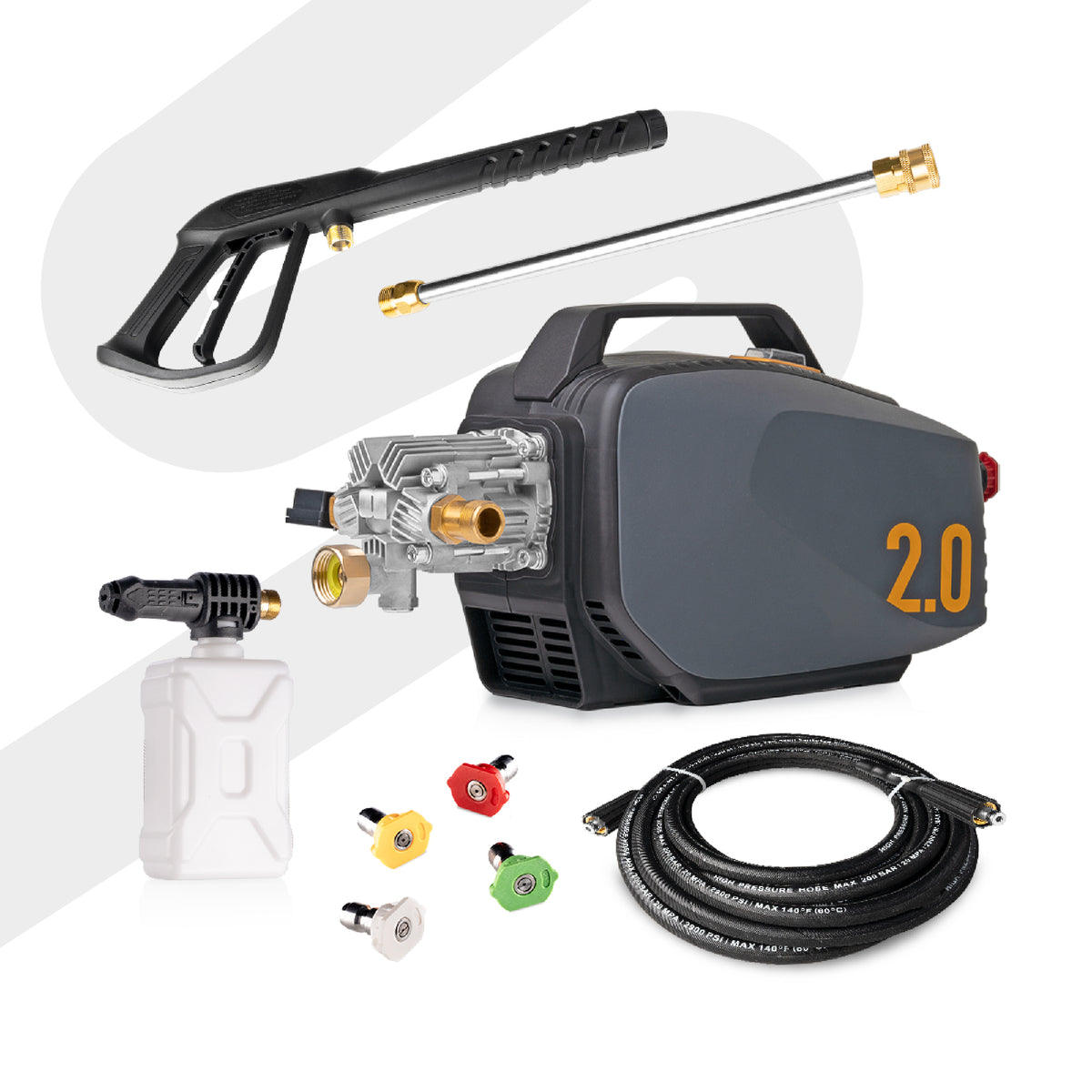
Nozzles control how water sprays from the washer. Different nozzles change the spray angle and force. A 25-degree nozzle is good for general cleaning. A 40-degree nozzle covers more area with gentle spray. Avoid narrow nozzles like 0 or 15 degrees; they are too strong for cars.
Credit: activeproducts.com
Electric Vs Gas Pressure Washers
Choosing the right pressure washer for washing cars depends on many factors. Electric and gas pressure washers serve different needs. Both types have pros and cons. Understanding these can help pick the best option for car cleaning.
Power Differences
Gas pressure washers are usually stronger than electric ones. They can deliver higher pressure and flow rates. This strength helps remove tough dirt and grime on cars. Electric washers offer moderate power. They work well for light to medium cleaning tasks. For regular car washing, electric models often provide enough pressure.
Portability And Usability
Electric pressure washers are lighter and easier to move. They start quickly with a simple switch. No need for fuel or oil changes. Gas models are heavier and louder. They require fuel and more care to operate. Electric washers are better for quick, easy car washes. Gas washers suit outdoor use where power outlets are unavailable.
Cost And Maintenance
Electric washers cost less upfront and have lower maintenance needs. No fuel or engine repairs are required. Gas pressure washers cost more and need regular upkeep. Fuel, oil changes, and engine checks add to expenses. For occasional car washing, electric options save money and effort. Gas models may pay off for heavy, frequent use.
Tips For Safe Car Washing
Washing your car with a pressure washer can save time and effort. It also cleans better than a regular hose. But using the pressure washer safely is very important. Wrong use can harm your car’s paint or parts. Follow these simple tips to keep your car safe and clean.
Maintaining Proper Distance
Keep the pressure washer nozzle at least 12 inches away from the car’s surface. Too close can cause paint chips or dents. Hold the nozzle steady and move it slowly across the car. Avoid spraying directly at sensitive areas like windows or mirrors.
Using Detergents Safely
Choose detergents made for cars to protect the paint. Avoid harsh chemicals or household cleaners. Apply the detergent with low pressure first. Let it sit for a few minutes. Then rinse it off gently with the pressure washer to avoid damage.
Avoiding Paint Damage
Use a pressure washer with power under 2000 PSI for cars. High pressure can strip off the paint. Use a wide spray nozzle to spread the water evenly. Test the pressure on a small spot first. Stop if you see paint peeling or scratches.
Recommended Models For Car Washing
Choosing the right pressure washer makes car washing easier and more effective. The power should be enough to clean dirt and grime without harming the paint. Some models fit different budgets and needs. Here are some recommended options to consider for washing cars.
Budget-friendly Options
These pressure washers offer good cleaning power at a low cost. They usually have pressure between 1200 and 1600 PSI. Perfect for light dirt and regular washing. Easy to use and good for small cars. Many come with basic nozzles and a soap dispenser.
High-end Pressure Washers
High-end models deliver stronger pressure, around 2000 to 2300 PSI. They handle tough dirt and large vehicles well. Often include adjustable pressure settings for delicate surfaces. These washers come with multiple nozzles and longer hoses. Ideal for those who wash cars often or need fast results.
Compact And Lightweight Choices
Compact models are easy to carry and store. They usually have pressure from 1300 to 1700 PSI. Great for small spaces and quick cleanups. Lightweight design helps avoid fatigue during use. Many include simple controls and basic accessories.

Credit: www.wideworldofindoorsports.com
Frequently Asked Questions
What Pressure Level Is Safe For Washing Cars?
A pressure washer with 1200 to 1900 PSI is safe for cars. It removes dirt without damaging paint or decals. Avoid using more than 2000 PSI to prevent paint chipping or panel dents. Always test on a small area first.
Can High Pressure Damage Car Paint?
Yes, high pressure over 2000 PSI can damage car paint. It may cause scratches, paint removal, or dents. Use lower pressure settings or a wider spray nozzle to protect the car’s finish. Proper distance and angle also reduce risk.
Which Nozzle Is Best For Car Washing?
A 25-degree or 40-degree nozzle is ideal for washing cars. These nozzles provide a wide spray that cleans gently without damaging paint. Avoid using zero or 15-degree nozzles, as they concentrate pressure and can cause harm.
Should I Use Hot Or Cold Water Pressure Washer?
Cold water pressure washers are generally sufficient for car washing. Hot water is unnecessary and can harm car paint or trims. Cold water removes dirt and grime effectively when combined with proper detergent.
Conclusion
Choosing the right pressure washer power keeps your car safe and clean. Too strong can damage paint; too weak may not remove dirt well. Aim for a medium pressure level for best results. Use gentle nozzles and keep distance from the surface.
Regular washing helps maintain your car’s look and value. A good balance of power and care makes washing easy and effective. Keep these tips in mind for a shiny, well-kept car every time.


