

If you want to keep your car looking spotless, knowing the right pressure to power wash it is key. Too much pressure can damage your paint, while too little might leave dirt behind.
You probably wonder: how much pressure is just right? You’ll discover exactly what pressure level works best to clean your car safely and effectively. Stick around, and you’ll learn simple tips to protect your vehicle’s finish while getting it sparkling clean every time.
Choosing The Right Pressure
Choosing the right pressure for power washing a car matters a lot. Too much pressure can damage the paint or trim. Too little pressure may not clean well. Knowing the correct pressure helps protect your car and get it clean quickly.
Recommended Psi For Cars
Most cars do well with pressure between 1200 and 1900 PSI. This range cleans dirt and grime without harming the paint. Stay below 2000 PSI to avoid peeling paint or causing dents. Use a wide spray nozzle to spread the water evenly.
Differences Between Pressure Levels
Low pressure (under 1200 PSI) is gentle but may not remove tough stains. Medium pressure (1200-1900 PSI) balances cleaning power and safety. High pressure (above 2000 PSI) can hurt the paint and delicate parts. Choose pressure based on how dirty the car is.
Pressure Settings For Various Car Surfaces
Use low pressure on soft surfaces like decals and trim. Medium pressure works well on painted metal and glass. Avoid high pressure near tires and rubber seals to prevent damage. Adjust pressure depending on the surface you clean.

Credit: www.caranddriver.com
Types Of Power Washers
Power washers come in different types. Each type has its own use and power level. Choosing the right one helps clean your car safely and well.
Knowing the types of power washers helps you pick the best for your car wash needs. Pressure matters a lot to avoid damage.
Electric Vs Gas Power Washers
Electric power washers are quiet and easy to use. They work well for small jobs like washing cars. Their pressure is usually lower, making them safer for car paint.
Gas power washers are strong and good for big jobs. They produce more pressure but can be too harsh for cars. They also need more care and fuel to run.
Nozzle Types And Their Effects
Nozzles control how water sprays from the washer. A wide spray covers more area and is gentler on the car. A narrow spray is strong and can damage paint if too close.
Use nozzles with 25 to 40 degrees for car washing. These give good cleaning without hurting the surface. Avoid 0 or 15-degree nozzles for cars.
Adjustable Pressure Washers
Adjustable washers let you change the pressure level. Lower pressure is best for delicate parts of the car. Higher pressure can remove tough dirt but use it carefully.
This flexibility helps protect your car while cleaning well. Look for washers with easy pressure settings for better control.
Preparing Your Car For Power Washing
Preparing your car for power washing is a key step. It helps protect the paint and parts. A good start makes the process easier and safer. Follow these simple steps to get your car ready.
Removing Loose Dirt
Begin by rinsing the car with water. This removes loose dirt and dust. It stops dirt from scratching the paint. Use a soft brush or cloth for stubborn spots. Clear dirt prevents damage during power washing.
Protecting Sensitive Areas
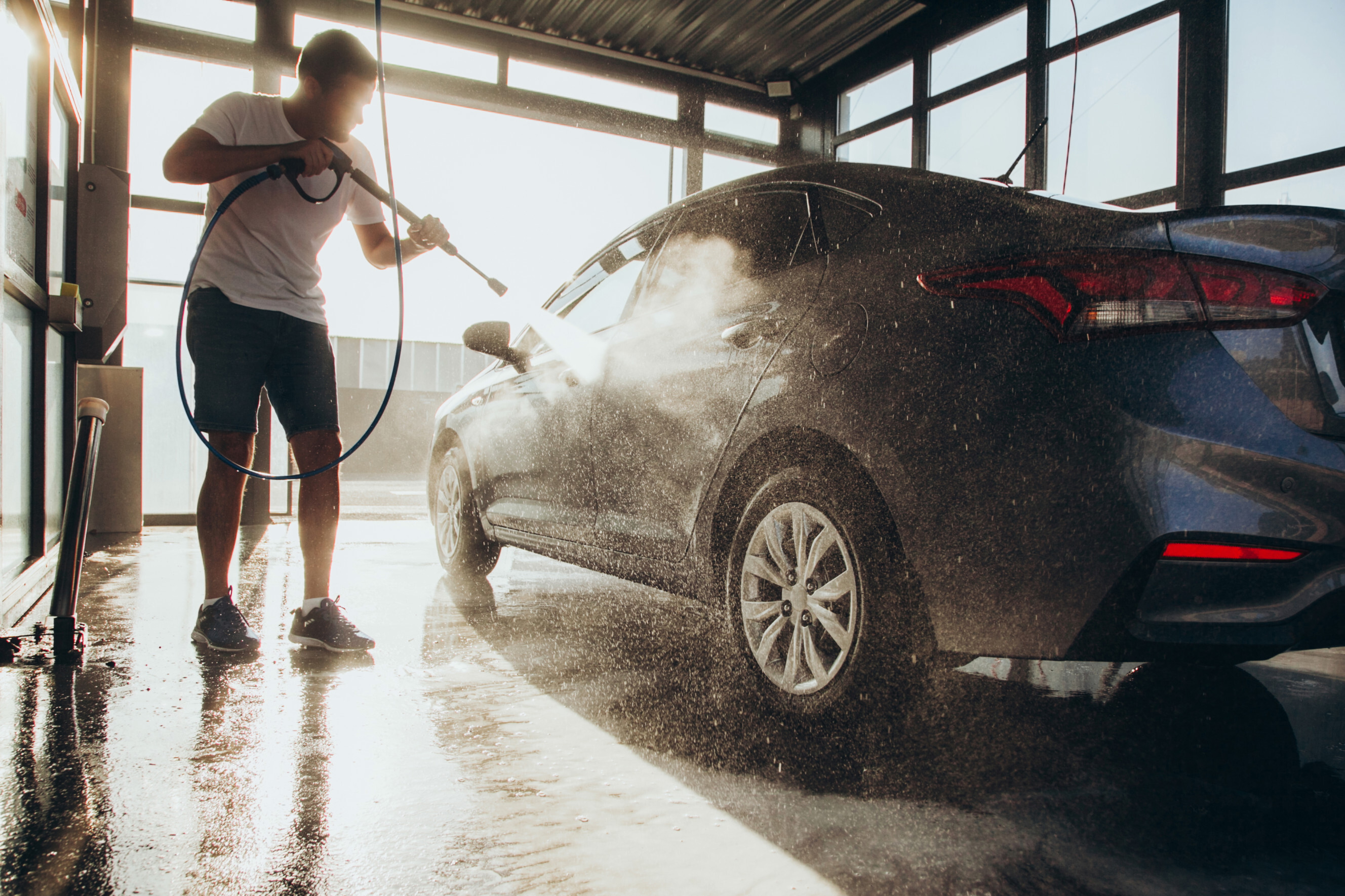
Cover parts like air intakes, lights, and mirrors. Use plastic bags or tape to shield them. These areas can get damaged by water pressure. Protecting them avoids costly repairs. Check for any open windows and close them tightly.
Choosing The Right Cleaning Agents
Select a car-safe soap or detergent. Avoid harsh chemicals that can harm paint. Use products made for automotive cleaning. These clean well and protect the car’s finish. Follow the product instructions for best results.
Credit: www.airtasker.com
Safe Power Washing Techniques
Power washing a car can make it look clean and fresh. Doing it safely keeps the paint and parts safe. Use the right pressure and method to avoid damage. Follow these tips for safe power washing.
Maintaining Proper Distance
Keep the spray nozzle at least 12 inches from the car. Too close may harm the paint and trim. Stay far enough to clean without pressure damage. Adjust distance for stubborn dirt but never too close.
Angle And Motion Tips
Spray at a 45-degree angle to the surface. This helps remove dirt without pushing water under parts. Move the nozzle in steady, even motions. Avoid staying too long in one spot to prevent damage.
Avoiding Damage To Paint And Trim
Use low to medium pressure, about 1200 to 1900 PSI. High pressure can chip paint or loosen trim. Test on a small area first. Avoid spraying directly at seals, mirrors, or lights. Use gentle detergent made for cars.
Common Mistakes To Avoid
Power washing a car can save time and effort. Yet, mistakes can cause damage. Avoiding common errors helps keep your car safe and clean. Here are some key mistakes to watch out for.
Using Excessive Pressure
Too much pressure can harm your car’s paint and windows. High pressure can strip paint or cause dents. Use a pressure level that cleans without damage. Usually, 1200 to 1900 PSI is safe for most cars.
Incorrect Nozzle Selection
Choosing the wrong nozzle affects cleaning and safety. A narrow spray nozzle can be too strong. Wide-angle nozzles spread water gently. Pick a nozzle with a 25-degree or 40-degree spray for car washing.
Power Washing Delicate Parts
Delicate parts like mirrors, tires, and seals need care. High pressure can break or loosen them. Avoid spraying directly on these areas. Use a gentle spray or clean by hand instead.
Aftercare And Maintenance
After power washing your car, proper care helps keep it looking fresh. Clean surfaces can dry quickly, but without care, spots and damage may occur. Follow simple steps to protect your car’s paint and finish.
Drying Your Car Properly
Use a soft microfiber towel to dry your car. Pat the surface gently instead of rubbing. This method avoids scratches and swirl marks. Drying also prevents water spots, which can harm the paint. Check for areas where water collects, like mirrors and door handles.
Waxing Post Wash
Apply a quality wax after the car dries. Wax adds a protective layer over the paint. It helps repel dirt and water. Use a small amount and spread evenly. Buff with a clean cloth for a smooth shine. Waxing also reduces the chance of fading from sun exposure.
Regular Power Washing Schedule
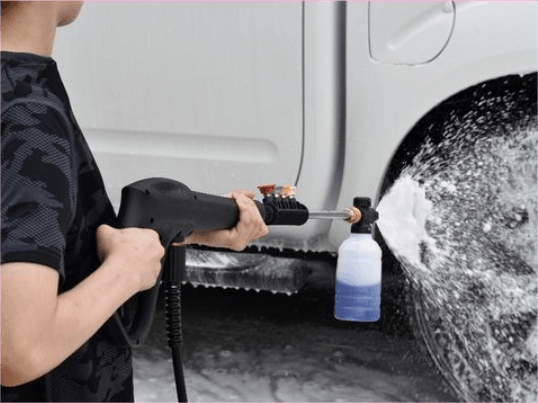
Set a routine for power washing your car. Washing every two to four weeks works for most cars. Frequent washing removes dirt that can damage paint. Avoid using high pressure too often to protect the surface. Regular cleaning keeps your car looking newer longer.
Credit: giraffetools.com
Frequently Asked Questions
What Pressure Is Safe For Power Washing A Car?
A pressure of 1200 to 1900 PSI is safe for power washing cars. This range effectively removes dirt without damaging paint or decals. Always use a wide spray nozzle for even pressure distribution and avoid focusing on one spot to prevent paint damage.
Can High Pressure Damage A Car’s Paint?
Yes, high pressure above 2000 PSI can damage car paint. It may cause scratches, paint peeling, or dents. Always stick to recommended PSI levels and maintain a safe distance when power washing to protect your car’s finish and keep it looking new.
Which Nozzle Is Best For Car Power Washing?
A 25-degree nozzle is best for washing cars. It offers a wide spray that cleans efficiently without causing damage. Narrower nozzles increase pressure and risk paint damage, while wider nozzles may not clean effectively. Choose one suited for gentle, thorough cleaning.
How Far Should The Nozzle Be From The Car?
Keep the nozzle at least 12 to 24 inches from the car surface. This distance reduces the risk of paint damage while maintaining cleaning power. Adjust distance if needed, especially for stubborn dirt, but avoid getting too close to protect your car’s finish.
Conclusion
Choosing the right pressure keeps your car safe and clean. Too much power can harm the paint or cause dents. Too little might not remove dirt well. Aim for a gentle but effective pressure level. Always test on a small spot first.
Use a wide spray nozzle to spread water evenly. Wash with care and patience for best results. Your car will look fresh without damage. Simple steps make cleaning easy and safe. Keep these tips in mind next time you power wash.


