Are you wondering how much PSI you really need for your foam cannon? Getting the pressure just right can make a huge difference in how clean and shiny your car looks.
Too little pressure, and the foam won’t stick properly. Too much, and you might waste water or damage your paint. You’ll discover the perfect PSI range that helps you get thick, rich foam every time. Keep reading to unlock the secrets of a spotless, professional-quality wash with your foam cannon.
Foam Cannon Basics
A foam cannon is a popular tool for car washing. It sprays thick foam that sticks to the surface. This foam helps loosen dirt and grime. Using a foam cannon makes cleaning faster and easier. Understanding how it works helps you get the best results.
What Is A Foam Cannon?
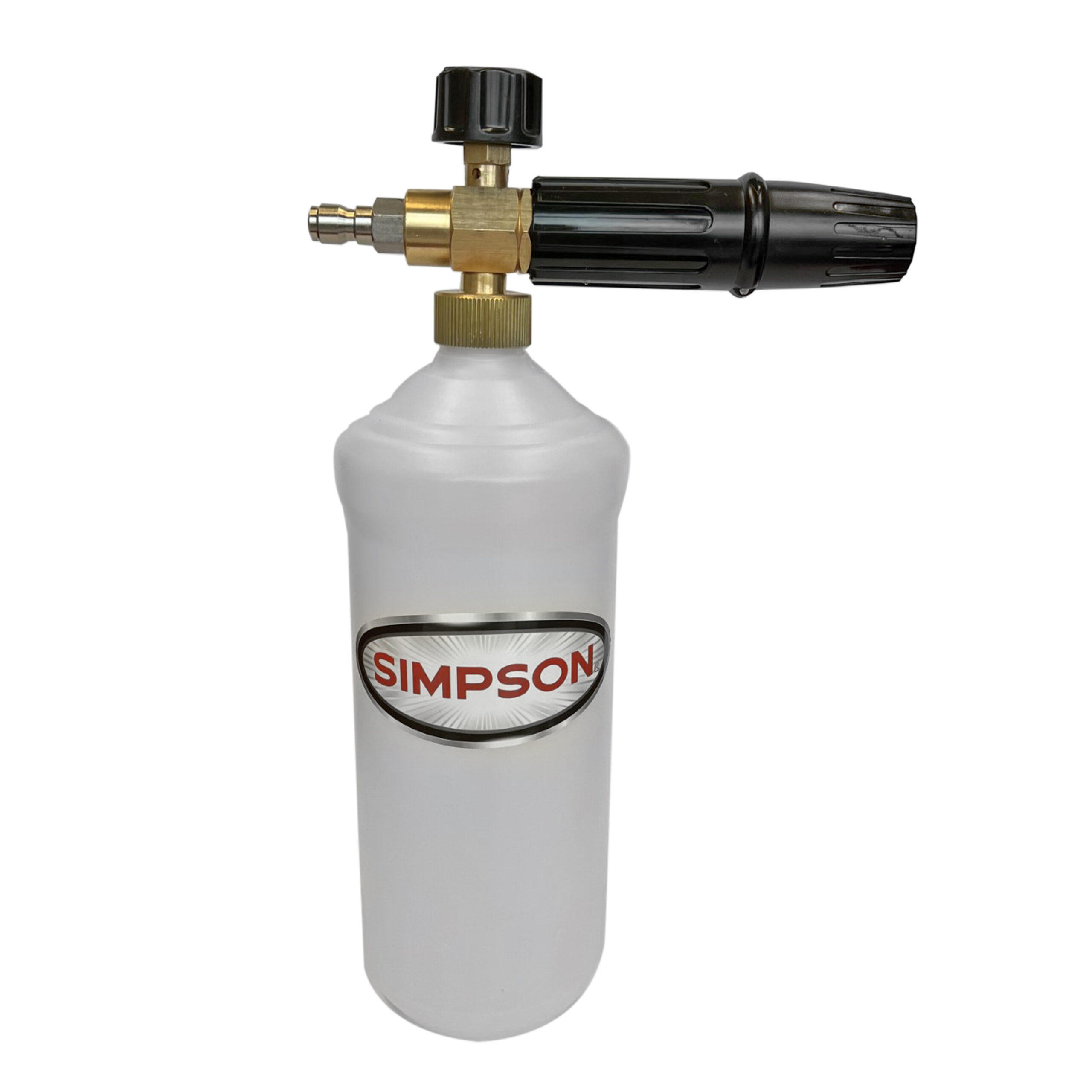
A foam cannon is a device that attaches to a pressure washer. It mixes soap and water to create foam. The foam sprays out in a thick layer. This thick foam covers your car evenly. It helps break down dirt without scrubbing hard.
How Foam Cannons Work
The pressure washer forces water through the foam cannon. Inside, soap mixes with the water. The mixture turns into foam using air and pressure. The foam sprays out through a nozzle. This thick layer clings to surfaces well.
Benefits Of Using A Foam Cannon
Foam cannons save time during car washing. The foam loosens dirt, reducing the need for scrubbing. They help protect paint from scratches. Foam covers hard-to-reach areas easily. Using a foam cannon means a cleaner car with less effort.
Credit: simpsoncleaning.com
Pressure And Psi Explained
Understanding pressure and PSI is key to using a foam cannon well. Pressure affects how thick and even the foam spray will be. PSI measures this pressure. Knowing about PSI helps you get better cleaning results.
Pressure controls the force that pushes the soap and water out. Too little pressure means weak foam. Too much pressure can waste soap and cause splashing.
What Does Psi Mean?
PSI stands for pounds per square inch. It shows how much force pushes against one square inch of area. Higher PSI means more pressure. This pressure helps spray water or foam out fast and strong.
PSI is important in many tools like pressure washers and foam cannons. It tells you how powerful the spray will be.
Role Of Psi In Foam Cannons
In foam cannons, PSI controls the spray’s reach and foam thickness. The right PSI mixes soap and water well. This creates thick foam that sticks to surfaces.
Low PSI makes weak foam that falls off quickly. High PSI can push foam too hard, causing it to break apart. PSI also affects how much soap you use.
Ideal Psi Range For Foam Cannons
Most foam cannons work best between 1000 and 2000 PSI. This range creates thick foam without splashing. It also saves soap and water.
Some foam cannons need higher PSI for bigger jobs. Others work fine with less pressure for small cars or bikes.
Check your foam cannon’s instructions to find the best PSI range. Adjusting PSI helps you get the best foam every time.
Choosing The Right Psi
Choosing the right PSI for your foam cannon is crucial for effective cleaning. PSI stands for pounds per square inch and measures water pressure. The right PSI helps produce thick foam that sticks to surfaces. It also prevents damage to delicate items. Too much pressure can harm paint or trim. Too little pressure means weak foam and poor cleaning. Understanding the ideal PSI range makes your washing easier and safer.
Factors Affecting Optimal Psi
Several factors change the best PSI for foam cannons. Water pressure from your pump or washer is key. Higher pump pressure usually means higher foam PSI. The foam cannon design also matters. Some cannons work better at lower PSI. The type of soap or detergent affects foam thickness. Weather conditions like temperature impact foam quality. Surface type and dirt level change PSI needs too.
Adjusting Psi For Different Surfaces
Different surfaces need different PSI settings. Delicate surfaces like car paint need lower PSI. High pressure can scratch or strip paint. For concrete or stone, higher PSI works well. It removes tough dirt and grime. Glass surfaces require gentle pressure to avoid cracks. Adjust PSI slowly and test on a small area. This prevents damage and ensures proper cleaning.
Common Psi Settings For Various Foam Cannons
Most foam cannons work best between 1000 and 2000 PSI. For cars and motorcycles, 1000 to 1400 PSI is ideal. Trucks and SUVs often need 1400 to 1800 PSI. Heavy-duty cleaning on driveways or decks may require 1800 to 2000 PSI. Always check your foam cannon’s instructions. Use the recommended PSI range for best results and safety.

Credit: pittsburghsprayequip.com
Equipment And Setup
Setting up the right equipment is crucial for using a foam cannon effectively. The pressure washer and foam cannon must work well together to produce thick, lasting foam. Choosing the right parts and adjusting the settings helps achieve the best cleaning results. Understanding how each component affects pressure and foam quality makes the process easier.
Selecting A Compatible Pressure Washer
Match the foam cannon to your pressure washer’s PSI and GPM ratings. Most foam cannons perform well between 1000 and 2500 PSI. Low-pressure washers may not create enough foam. High-pressure washers can damage the foam cannon if not compatible. Check the manufacturer’s guidelines for PSI limits. Also, consider the water flow rate (GPM) for proper foam production.
Nozzle Types And Their Impact On Pressure
Nozzles control water pressure and spray pattern. A 25-degree nozzle offers a wide spray and lower pressure. A 15-degree nozzle creates a narrower, stronger spray. Using the wrong nozzle can reduce foam quality or damage surfaces. Foam cannon nozzles usually mix soap and water at lower pressure. Choose a nozzle that balances pressure and foam thickness for best results.
Mixing Soap Concentration For Best Foam
The soap concentration affects foam thickness and cleaning power. Use foam cannon soap designed for pressure washers. Start with a 1:10 soap-to-water ratio. Adjust the mix to get thicker foam or stronger cleaning. Too much soap can clog the cannon. Too little soap produces weak foam. Test different mixes to find what works best for your needs.
Troubleshooting Pressure Issues
Pressure problems can affect foam cannon performance. Understanding these issues helps fix them fast. Check pressure levels and equipment condition for better foam output.
Low Foam Output Causes
Low foam can happen from low water pressure. Check your pressure washer’s PSI and GPM. Clogged nozzles or dirty filters block soap flow. Use the right soap for foam cannons. Thin soap or wrong mix reduces foam quality.
High Pressure Risks And Solutions
Too much pressure can damage the foam cannon. It may cause leaks or break parts. High PSI also wastes soap. Use a pressure regulator to limit PSI. Follow manufacturer’s PSI recommendations. Replace worn seals and gaskets regularly.
Maintaining Consistent Pressure
Consistent pressure keeps foam thick and even. Monitor pressure washer settings before each use. Clean nozzles and filters often. Avoid kinks or bends in the hose. Store equipment in a dry, safe place. Regular checks prevent sudden pressure drops.
Tips For Perfect Foam Application
Perfect foam application is key to a thorough and safe car wash. It ensures the soap covers the vehicle evenly. Proper foam helps loosen dirt without scratching the paint. Follow these simple tips to get the best results from your foam cannon.
Proper Distance And Angle
Hold the foam cannon about 2 to 3 feet from the car surface. This distance allows the foam to spread evenly. Spray at a slight angle, not straight on. Angling helps the foam cling better to vertical surfaces. Avoid spraying too close to prevent paint damage.
Timing And Coverage Techniques
Apply foam slowly and cover the entire car. Work section by section to avoid missing spots. Let the foam sit for 3 to 5 minutes. This time helps break down dirt and grime. Do not let the foam dry on the paint, or it may leave marks.
Post-foaming Wash Tips
Rinse the foam off gently with a low-pressure water stream. Use a microfiber wash mitt to clean stubborn dirt. Wash in straight lines rather than circles to reduce swirl marks. Dry the car with a soft towel to avoid water spots. Proper rinsing preserves the clear coat finish.

Credit: www.amazon.com
Frequently Asked Questions
What Is The Ideal Psi For A Foam Cannon?
The ideal PSI for a foam cannon ranges between 30 to 90 PSI. This range ensures optimal foam thickness and coverage without damaging surfaces.
Can Too Much Psi Damage My Car’s Paint?
Yes, excessive PSI above 90 can damage car paint. Always use recommended PSI levels to protect your vehicle’s finish.
How Does Psi Affect Foam Cannon Performance?
Higher PSI increases foam thickness and coverage. Lower PSI produces lighter foam, affecting cleaning efficiency and visual appeal.
What Psi Do Most Pressure Washers Use For Foam Cannons?
Most pressure washers operate between 1200 to 2000 PSI. Foam cannons attach to these, regulating output pressure for safe, effective foam application.
Conclusion
Choosing the right PSI for your foam cannon is key. Too high can waste soap and cause splashing. Too low may give a weak foam spray. Most users find 30 to 40 PSI works best. This range balances foam thickness and coverage.
Always check your washer’s PSI limits first. Adjusting pressure helps get cleaner, shinier results. Experiment a little to find your sweet spot. Good foam makes washing easier and more fun. Keep these tips in mind for great car care.