
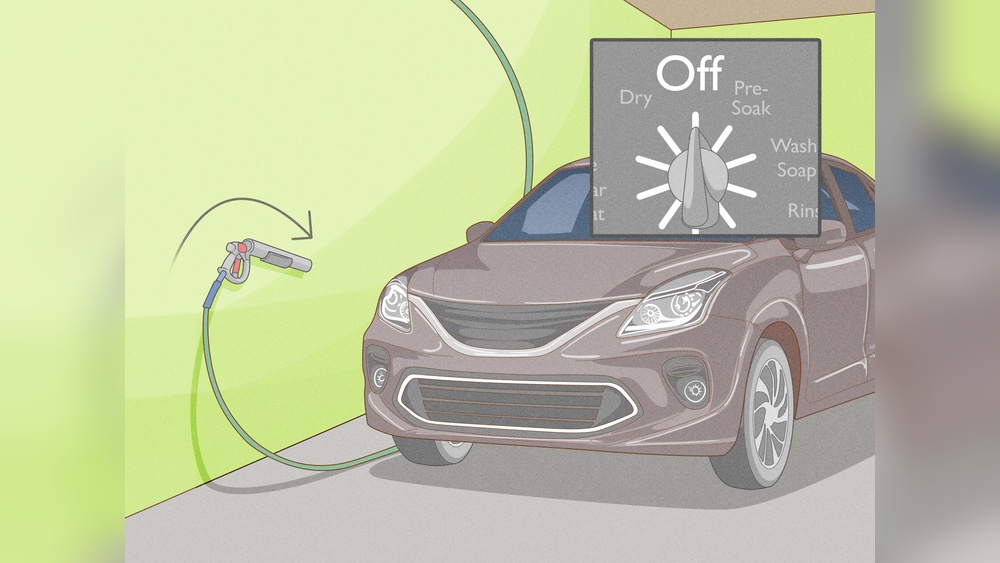
Have you ever wondered why your car looks spotless after a visit to a DIY car wash? One key factor is the water pressure used during the wash.
But what exactly is the water pressure at these places, and how does it affect your car cleaning experience? Understanding this can help you get the best results without damaging your vehicle. You’ll discover the ideal water pressure levels, how they work, and what you should look for next time you wash your car yourself.
Keep reading to unlock the secrets behind that sparkling finish!
Water Pressure Basics
Water pressure is key at DIY car wash stations. It controls how well dirt and grime wash off your car. Too low pressure means a poor clean. Too high pressure may damage your paint.
Understanding water pressure basics helps you choose the right settings. It also protects your vehicle from harm. Let’s explore how water pressure works and why it matters.
Measuring Water Pressure
Water pressure measures how hard water pushes out of the hose. It shows the force water uses to hit surfaces. Car wash places use gauges to check this force. These gauges help keep pressure in the right range.
Units Of Measurement
Water pressure is usually measured in PSI. PSI means pounds per square inch. It tells how much force presses on one square inch. Some places use bar as a measure. One bar equals about 14.5 PSI. Both units help users understand pressure levels clearly.
Importance In Car Washing
Good water pressure removes dirt effectively. It cleans without needing too much scrubbing. Correct pressure saves time and water. It also avoids paint scratches or damage. Car wash stations aim for pressure that cleans well but stays safe.
Credit: www.alibaba.com
Typical Water Pressure Levels At Diy Car Washes
Typical water pressure at DIY car wash places impacts cleaning quality. It controls how well dirt and grime wash off your vehicle. Knowing these levels helps you understand what to expect during a wash.
Standard Psi Range
Most DIY car washes offer pressure between 1000 and 2000 PSI. This range is strong enough to remove dirt without damaging paint. It balances cleaning power with safety for your car’s surface.
Variations By Location
Pressure can differ depending on the car wash station. Older machines may have lower PSI. Newer setups often provide higher pressure for better cleaning. Outdoor and indoor locations might also affect water pressure.
Factors Affecting Pressure
Water pressure depends on water supply and pump strength. Pipe size and condition also influence pressure levels. User settings like nozzle type and distance from the car matter too. These factors change the pressure you experience at the wash.
Types Of Equipment Used
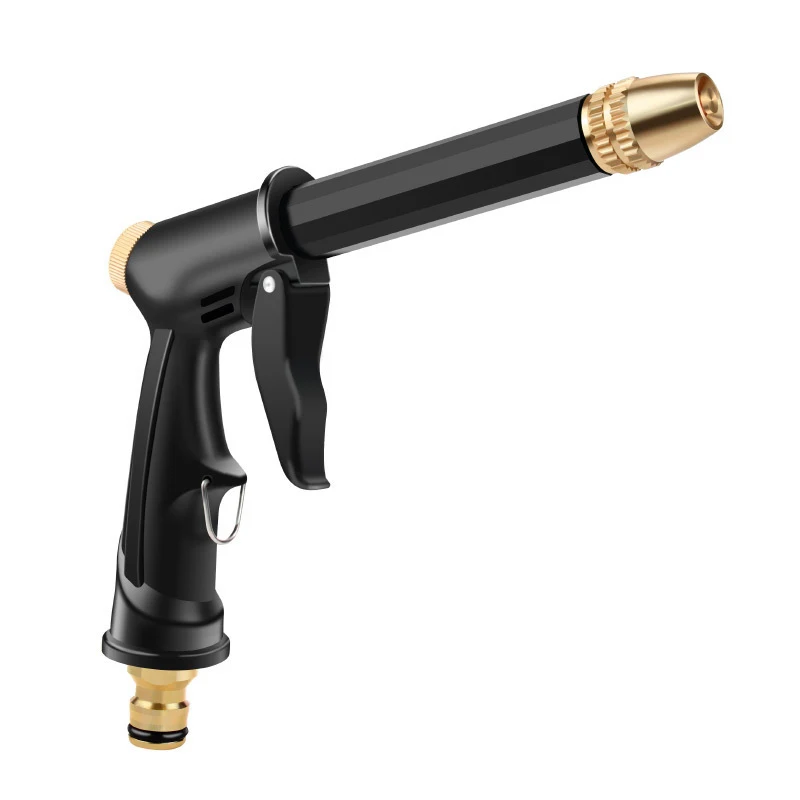
Car wash places use different tools to clean vehicles well. These tools control water pressure and spray patterns. Each piece of equipment plays a key role in the cleaning process. Understanding these tools helps explain how car washes work efficiently.
Water pressure must be just right to remove dirt without harming the car. The equipment controls this pressure and directs the water to clean all areas.
High-pressure Nozzles
High-pressure nozzles focus water into a strong, narrow spray. This spray removes tough dirt and grime from car surfaces. Different nozzle types create various spray patterns for specific cleaning tasks. They help save water by targeting only dirty spots.
Pressure Regulators
Pressure regulators keep water pressure steady during the wash. They stop the pressure from getting too high or too low. This protects car parts and the washing equipment from damage. Regulators ensure a safe and consistent cleaning experience every time.
Water Pumps
Water pumps push water through the system at the needed pressure. They create the force that powers the high-pressure nozzles. Pumps vary in size and strength depending on the car wash type. Strong pumps help clean quickly and thoroughly.
Impact Of Water Pressure On Cleaning
Water pressure plays a key role in cleaning cars at DIY car wash stations. It controls how well dirt, grime, and stains are removed from the vehicle surface. The right pressure makes washing easier and faster. Too much or too little pressure can affect cleaning results and even harm the car’s paint.
Effective Dirt Removal
High water pressure helps break down tough dirt and mud. It reaches into small crevices to wash away grime. Strong jets remove stuck particles that normal hoses cannot. This makes the car shine and look fresh. Proper pressure saves time and effort during washing.
Avoiding Vehicle Damage
Excessive pressure may harm the car’s paint and finish. It can cause scratches or peel off wax layers. Low pressure might not clean well and leave dirt behind. Using moderate pressure protects the vehicle’s surface. It keeps the paint smooth and intact for longer.
Optimal Pressure Settings
Most DIY car washes offer pressure between 1200 and 1900 PSI. This range balances cleaning power and safety. Adjusting pressure based on car type and dirt level works best. Soft paint needs lower pressure, while sturdy surfaces handle higher. Learning the right setting avoids damage and ensures good cleaning.
Comparing Diy Car Wash To Professional Wash
Comparing DIY car wash to professional wash highlights key differences. Both methods clean your car but vary in tools, cost, and results. Understanding these differences helps you choose the best option for your needs.
Pressure Differences
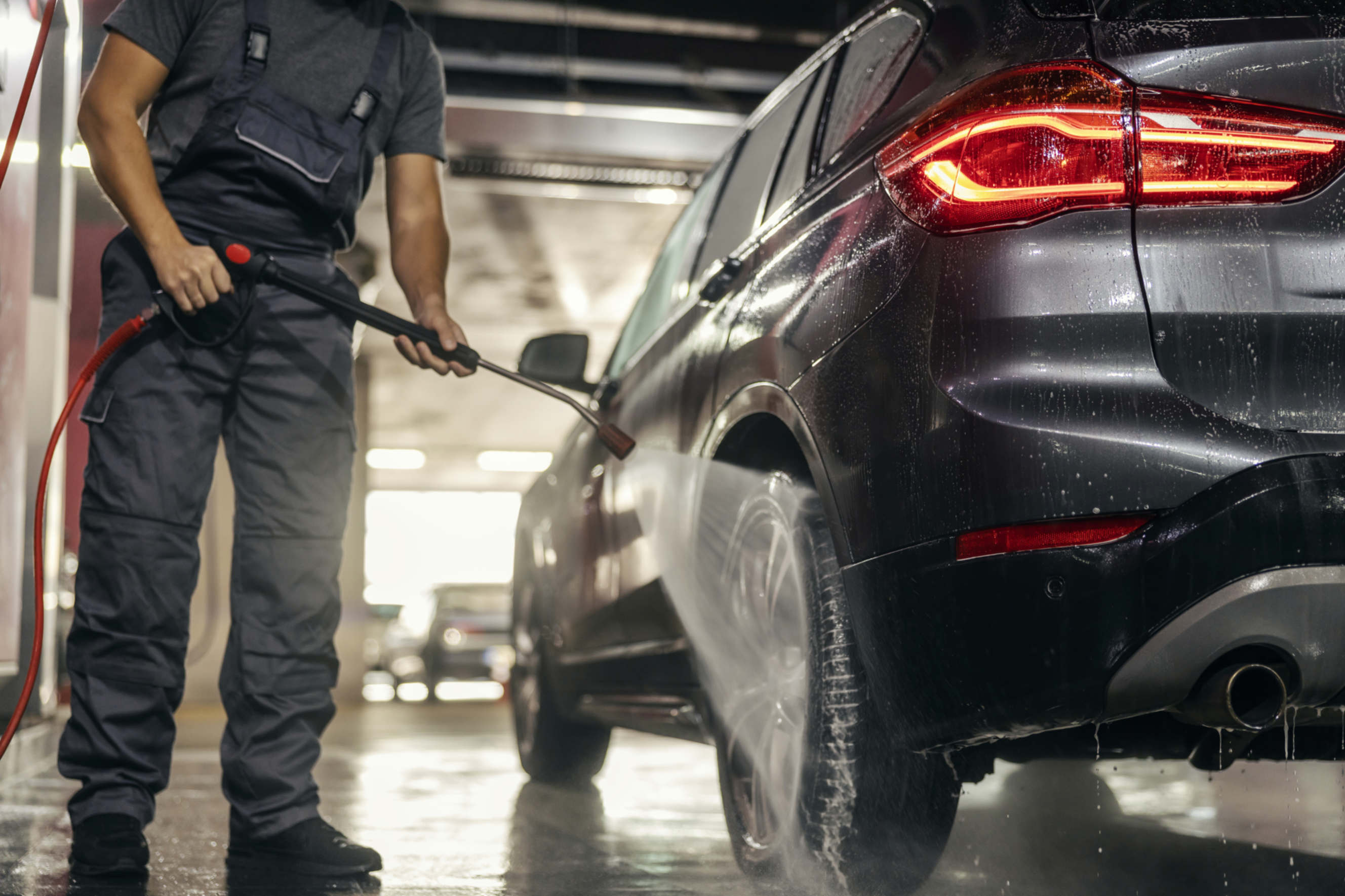
DIY car wash places usually offer pressure between 1000 and 2000 PSI. Professional car washes often use higher pressure, around 2000 to 3000 PSI. Higher pressure cleans dirt faster but risks paint damage if not used carefully. DIY spots balance pressure to protect vehicles and save water.
Cost And Convenience
DIY car washes cost less, often a few dollars per use. They allow you to wash anytime, without scheduling. Professional washes cost more but save time and effort. You drive in, and experts handle the cleaning quickly. Choosing depends on your budget and time.
Cleaning Quality
Professional washes use advanced tools and special soaps for deep cleaning. They often include drying and waxing services. DIY washes rely on your effort and basic tools. Results vary based on how carefully you wash. Professionals generally deliver a more thorough clean.
Credit: www.airtasker.com
Tips For Using Water Pressure Safely
Using water pressure at a DIY car wash needs care and attention. High pressure can clean well but can also damage paint or parts. Follow simple tips to use water pressure safely and get the best results.
Selecting The Right Pressure
Choose a pressure level that fits your car’s needs. Low to medium pressure works for most cars. Avoid very high pressure, as it can harm paint and trim. Read instructions on the machine to adjust pressure properly.
Maintaining Equipment
Check hoses and nozzles before use. Clean nozzles regularly to avoid clogging. Replace damaged parts quickly to prevent leaks or bursts. Proper care keeps pressure steady and safe during washing.
Safety Precautions
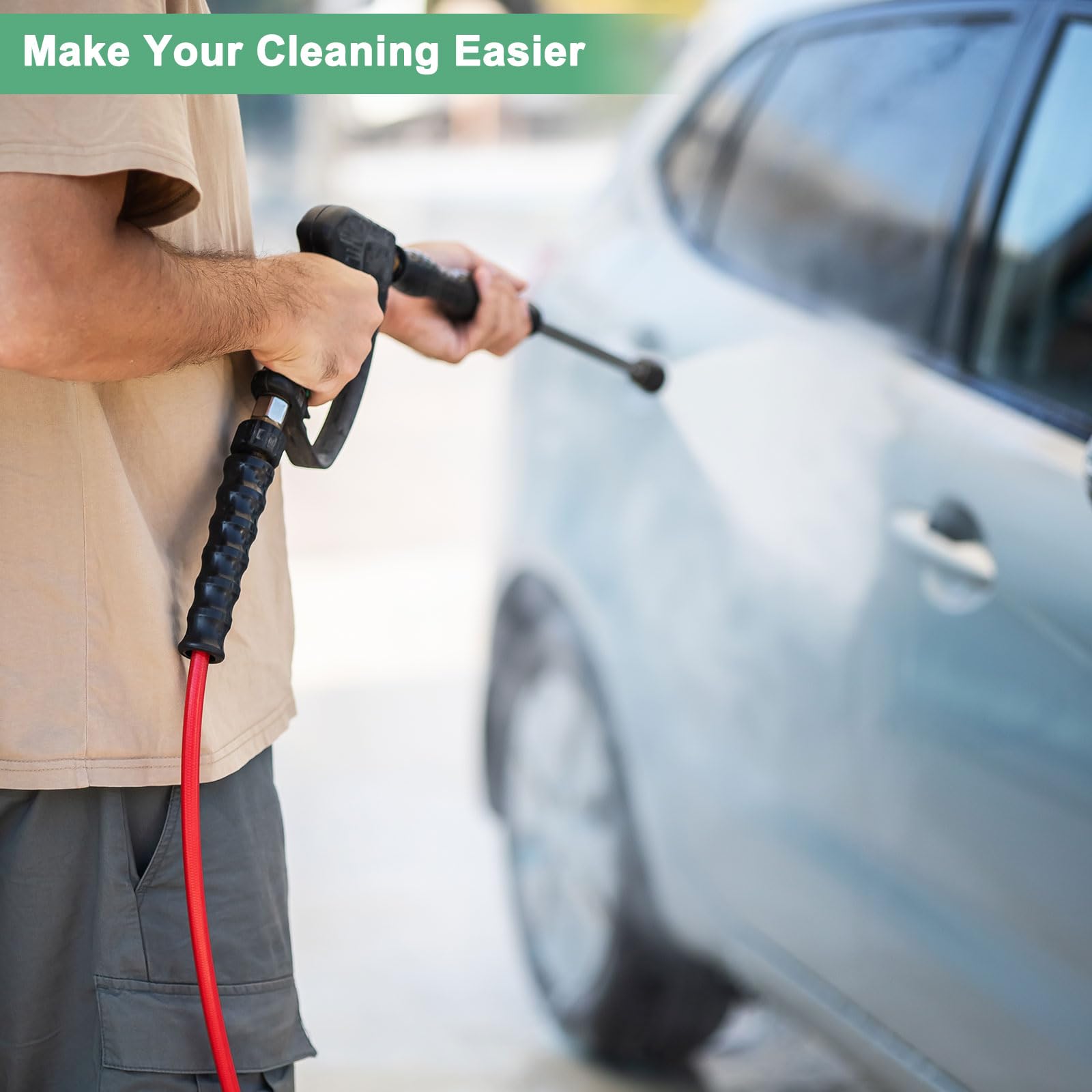
Wear protective gear like gloves and goggles. Keep a safe distance between the nozzle and car surface. Do not point the spray at people or pets. Turn off the machine before changing nozzles or moving the hose.
Environmental Considerations
Understanding the environmental impact of water pressure at DIY car wash places is important. These places use high water pressure to clean cars quickly. But this can affect the environment in many ways. Careful use of water and cleaning products helps reduce harm. Managing water runoff also plays a big role in protecting nature.
Water Conservation
Water pressure at car wash stations can use a lot of water. Using the right pressure saves water while cleaning well. Many DIY places use pressure washers that spray less water. This helps reduce waste. People should avoid using more water than needed. Small changes can save thousands of gallons yearly.
Detergent Use
Detergents help remove dirt but can harm the environment. Some soaps contain chemicals that pollute water. Choosing biodegradable and eco-friendly detergents reduces this risk. Using less detergent also limits pollution. Rinsing cars with clean water helps avoid chemical buildup in soil and streams.
Runoff Management
Water runoff from car washing can carry dirt and chemicals. This runoff can enter storm drains and local waterways. Proper runoff management stops pollution from spreading. Many car wash places use systems to capture and treat runoff. This protects rivers, lakes, and wildlife nearby. Managing runoff is key for eco-friendly car washing.
Credit: www.amazon.com
Troubleshooting Common Issues
Troubleshooting common water pressure issues at DIY car wash places helps keep your wash smooth. Many users face pressure problems that affect cleaning quality. Understanding key problems and fixes saves time and frustration. This section covers frequent issues and simple steps to solve them.
Low Pressure Problems
Low water pressure reduces cleaning power. It can be caused by clogged nozzles or dirty filters. Check hoses for kinks or leaks. Sometimes, the water source itself has low pressure. Testing the supply and clearing blockages often restores proper flow.
Equipment Malfunctions
Faulty pumps or valves often cause uneven pressure. Pumps may wear out or lose power. Valves can get stuck or break. Regular maintenance helps spot worn parts early. Replacing damaged components keeps the system working well.
Improving Pressure Consistency
Pressure fluctuates due to variable water supply or equipment wear. Installing pressure regulators ensures steady flow. Cleaning and servicing parts regularly prevents drops. Using quality hoses and fittings also stabilizes pressure. Consistent pressure improves wash results every time.
Frequently Asked Questions
What Is The Typical Water Pressure At Diy Car Wash Stations?
DIY car wash stations usually provide water pressure between 1000 to 2000 PSI. This range effectively removes dirt without damaging your vehicle’s paint.
Why Is Water Pressure Important At Diy Car Washes?
Proper water pressure ensures efficient cleaning by removing grime and debris. Too low pressure won’t clean well; too high may harm paint or seals.
How Does Water Pressure Affect Car Wash Quality?
Higher water pressure improves dirt removal and reduces washing time. However, excessive pressure can cause paint damage or water intrusion in sensitive areas.
Can I Adjust Water Pressure At Diy Car Wash Places?
Most DIY car washes offer pressure controls on their spray wands. Adjusting pressure helps protect your vehicle and tailor cleaning intensity for different dirt levels.
Conclusion
Water pressure at DIY car wash places usually ranges from 1000 to 3000 PSI. This pressure cleans dirt and grime effectively. Too high pressure can damage your car’s paint. Too low pressure may not remove tough stains. Always check the pressure before starting.
Knowing the right pressure helps protect your vehicle. It also saves water and energy. Next time you wash your car, remember these tips. Clean your car safely and efficiently every time.


