

If you’ve noticed squeaky brakes or a grinding sound when you stop, it might be time to change your brake pads and rotors. But how much will that actually cost you?
Knowing the right price beforehand can save you from surprises and help you make smart decisions for your car. You’ll discover what affects the price, how to spot when it’s time for a change, and tips to avoid paying too much.
Keep reading to protect your safety and your wallet.

Credit: www.youtube.com
Brake And Rotor Basics
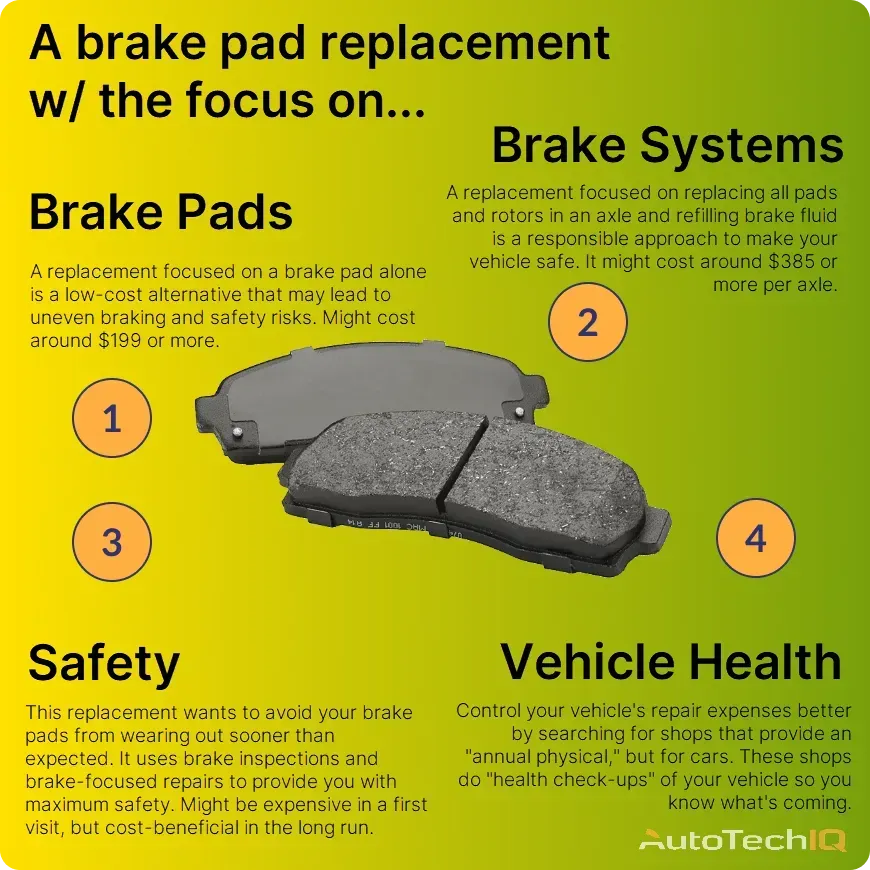
Brakes and rotors work together to stop your car safely. They are key parts of the braking system. Understanding how they function helps you know when to replace them. This knowledge can save you money and keep you safe on the road.
Brake pads press against rotors to slow down or stop the wheels. Both parts wear out over time and need changing. Knowing the basics helps you spot problems early and avoid costly repairs.
Role Of Brakes And Rotors
Brakes slow your car by creating friction. Brake pads press on rotors, which are metal discs attached to the wheels. This friction turns your car’s motion into heat, stopping the vehicle. Rotors must be smooth and strong for effective braking. Worn rotors reduce braking power and increase stopping distance.
Signs You Need Replacement
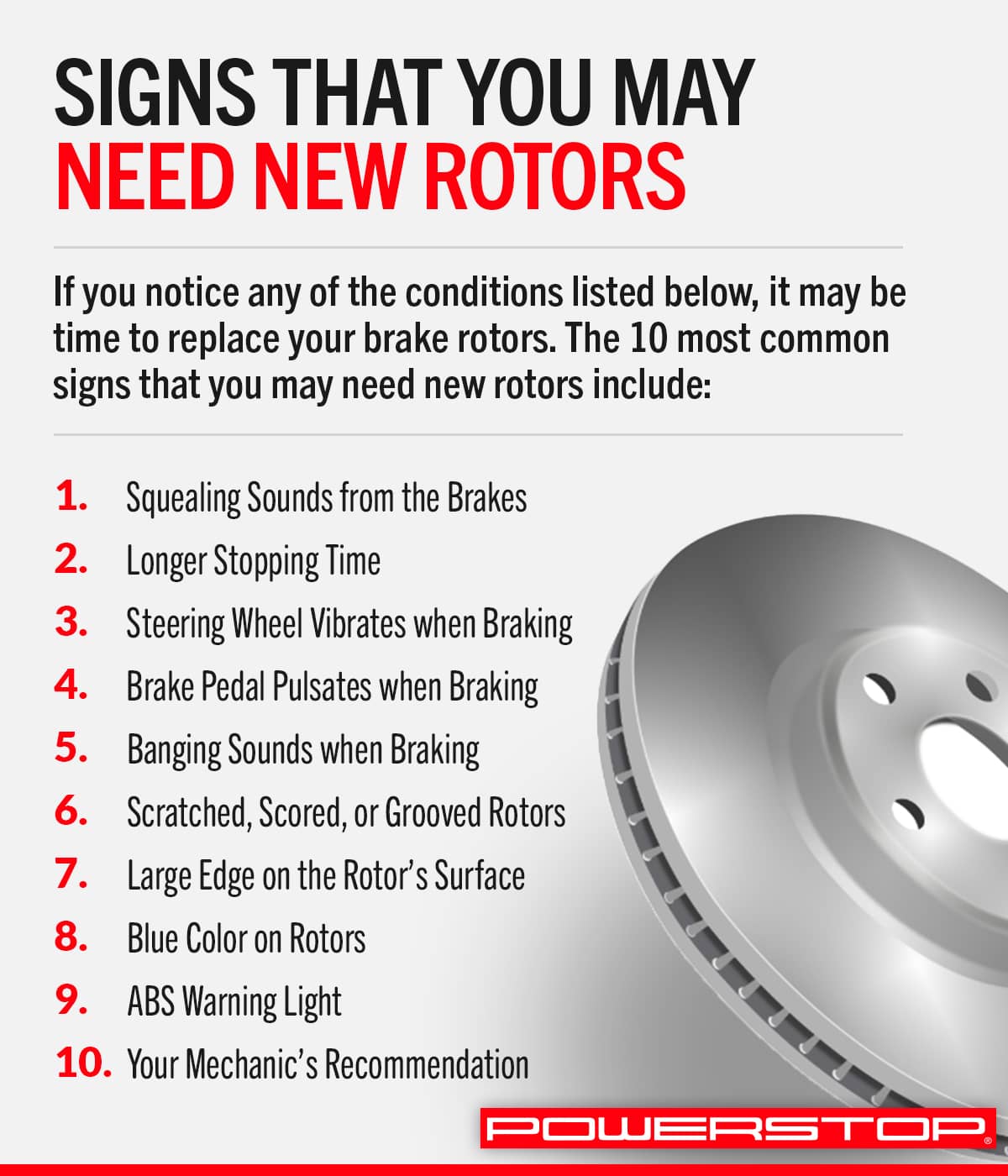
Squeaking or grinding noises mean brake pads or rotors may be worn. A vibration or pulsation when braking can signal warped rotors. Longer stopping distances also show wear. If your brake warning light is on, check your brakes immediately. Early replacement avoids damage and keeps you safe.
Credit: www.autotechiq.com
Factors Affecting Replacement Costs
Several key factors influence the cost of changing brake pads and rotors. Understanding these can help you prepare for the expense and avoid surprises. Costs vary widely depending on different conditions. Knowing what affects the price helps you make smart decisions.
Vehicle Make And Model
Luxury cars and sports models often have higher repair costs. Parts for these vehicles may be pricier and harder to find. Standard or older cars usually have cheaper replacement parts. Some models require special tools or extra work, adding to labor costs.
Quality Of Parts
Brake pads and rotors come in various qualities. High-quality parts last longer but cost more. Budget parts save money but may wear out quickly. Choosing the right balance affects total expenses and future repairs.
Labor Charges
Labor fees depend on the mechanic’s skill and experience. Complex jobs take more time and cost extra. Independent shops often charge less than dealerships. Some shops include diagnostics, others bill separately.
Location And Shop Type
Prices vary by region due to living costs and demand. Urban areas usually have higher rates than rural ones. Dealerships charge more than local garages. Choosing the right place impacts the final bill significantly.
Average Cost Breakdown
Understanding the average cost breakdown for brake and rotor changes helps plan your budget. Costs vary by vehicle type and part quality. Knowing typical prices avoids surprises during repairs.
Brake Pad Replacement Costs
Brake pads usually cost between $50 and $150 per axle. Labor charges add $70 to $120. The total price depends on the car model and brake pad brand. Cheaper pads wear out faster but save money upfront. Premium pads last longer and cost more.
Rotor Replacement Costs
Rotors range from $30 to $75 each for standard models. Labor for rotor replacement runs about $100 to $150. High-performance rotors cost more, sometimes over $100 each. Some rotors need resurfacing instead of replacement, which lowers costs.
Combined Brake And Rotor Replacement
Replacing both brake pads and rotors together costs around $250 to $500 per axle. This combined service saves labor time and ensures better brake performance. Many mechanics recommend changing both parts simultaneously to avoid uneven wear and noise.
Credit: www.powerstop.com
Diy Vs Professional Service
Deciding whether to change brake pads and rotors yourself or hire a professional affects cost and safety. Both options have benefits and risks. Understanding these can help you make the best choice for your car and budget.
Pros And Cons Of Diy
Doing the brake and rotor change yourself saves money on labor costs. You only pay for parts and tools. Learning new skills can be satisfying.
DIY work takes time, especially if you are a beginner. Mistakes can cause brake problems or accidents. Special tools and a safe workspace are needed. Not all cars are easy to work on.
When To Choose A Mechanic
Choose a mechanic for complex brake systems or limited tools. Professionals have experience and can spot hidden issues fast. They offer warranties on parts and labor for peace of mind.
Mechanics save time and reduce risk of errors. If safety or performance worries you, let a pro handle the job. This choice may cost more but adds confidence in your brakes.
Tips To Lower Replacement Costs
Replacing brake pads and rotors can be costly. Saving money is possible with smart choices. These tips help reduce the price without cutting quality.
Simple actions can make a big difference in your repair bills. Learn how to lower costs and keep your brakes safe.
Choosing Affordable Parts
Selecting parts wisely lowers expenses. Look for OEM alternatives or quality aftermarket brands. Avoid very cheap parts that wear out fast. Balance price and durability for best value.
Regular Maintenance Benefits
Keep brakes clean and check pads often. Early fixes prevent bigger damage. Well-maintained brakes last longer and cost less to repair. Regular care saves money over time.
Shop Around For Quotes
Get several estimates from local shops. Prices can vary by location and service. Compare labor fees and part costs carefully. Choose a trusted mechanic offering fair pricing.
Future Trends In Brake And Rotor Pricing
The cost to change brakes and rotors is shifting due to new trends. These trends affect prices, quality, and options for car owners. Understanding these changes helps plan your vehicle maintenance budget better.
Brake systems are evolving with new technologies and materials. These changes impact how much you pay for parts and labor. Watching market trends gives insight into future expenses.
Impact Of Technology
Advanced brake systems use sensors and electronics. These features improve safety but raise repair costs. Cars with automatic emergency braking need special tools for service. Technology raises the price of brake and rotor replacements.
Material Innovations
New materials make brakes last longer and work better. Carbon-ceramic rotors are lighter and resist heat well. These materials cost more but reduce wear and tear. Cheaper metals are still common but may need frequent changes.
Market Predictions For 2025
Experts expect brake and rotor prices to rise slightly by 2025. Manufacturing costs and raw material prices influence these changes. Demand for electric vehicles may shift brake designs and costs. Staying informed helps avoid surprise expenses in the future.
Frequently Asked Questions
How Much Does It Cost To Replace Brake Pads And Rotors?
Brake pad and rotor replacement costs range from $250 to $600. Prices depend on vehicle type, parts quality, and labor charges. Luxury or performance cars may cost more due to specialized components and service requirements.
When Should You Replace Brake Rotors And Pads Together?
Replace rotors and pads together if rotors are warped or worn below thickness limits. Changing both ensures optimal braking performance and prevents premature wear of new pads, saving money and enhancing safety.
Can I Replace Brake Pads Without Changing Rotors?
Yes, you can replace pads without changing rotors if rotors are in good condition. Inspect rotors for grooves, cracks, or warping to decide if replacement is necessary alongside pads.
How Long Does It Take To Change Brake Pads And Rotors?
Brake pad and rotor replacement typically takes 1 to 2 hours. Time varies based on vehicle model, mechanic experience, and shop workload, ensuring thorough inspection and proper installation.
Conclusion
Changing brake pads and rotors costs vary by car and location. Parts and labor affect the total price. Choosing quality parts helps ensure safety and long-lasting performance. Regular brake checks can prevent costly repairs later. Don’t wait until brakes make noise or feel weak.
Timely replacement keeps your car safe on the road. Remember, safety matters more than saving a few dollars. Keep your brakes in good shape for smooth driving. Simple steps today can avoid big problems tomorrow.


