Are your brakes making strange noises or feeling less responsive? You might be wondering, “How much will it cost to fix rotors and brake pads?” Understanding the expenses involved can save you from unexpected bills and keep your car safe on the road.
You’ll discover the key factors that affect repair costs and learn how to spot when it’s time to replace these crucial parts. Keep reading to make sure your brakes are in top shape without breaking the bank.
Brake System Basics
The brake system is a key part of any vehicle. It keeps you safe by helping you stop on time. Understanding the basics of the brake system helps you know when repairs are needed. This guide explains the main parts of the brake system and how to spot signs of wear.
Role Of Rotors And Brake Pads
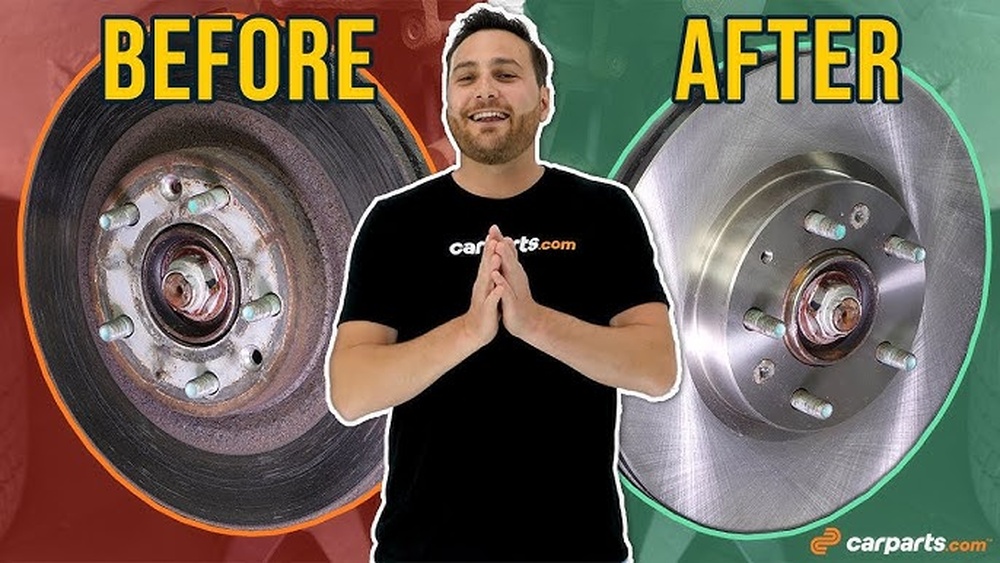
Rotors are metal discs attached to the wheels. They spin with the wheels as the car moves. Brake pads press against the rotors to slow or stop the car. This pressure creates friction that slows the wheel’s rotation. Both parts must work well for safe braking.
Signs Of Wear And Damage
Rotors and brake pads wear out over time. You may hear squealing or grinding noises when braking. The car might take longer to stop or pull to one side. You could feel vibrations in the brake pedal. These signs mean it is time to check or replace parts.
Factors Affecting Repair Costs
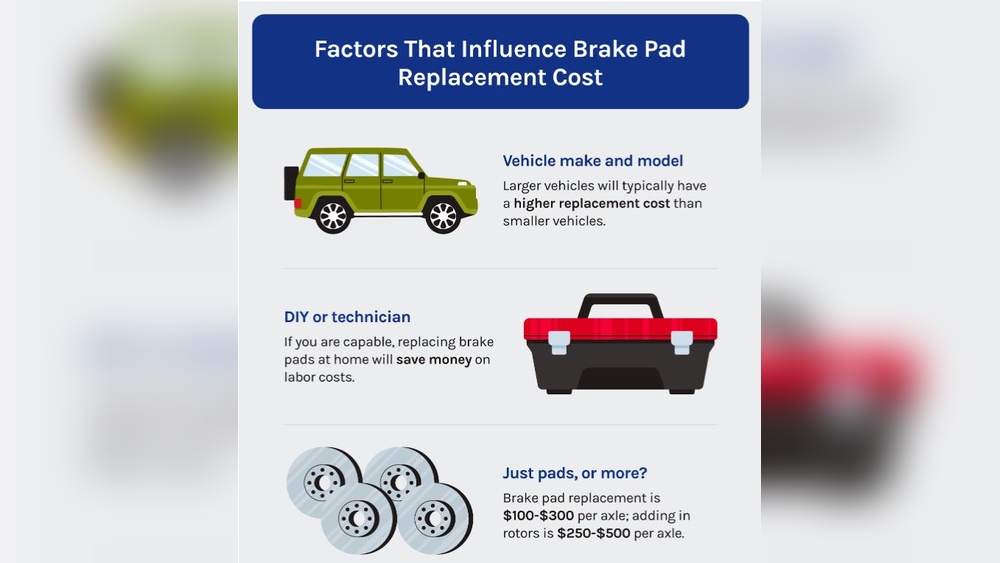
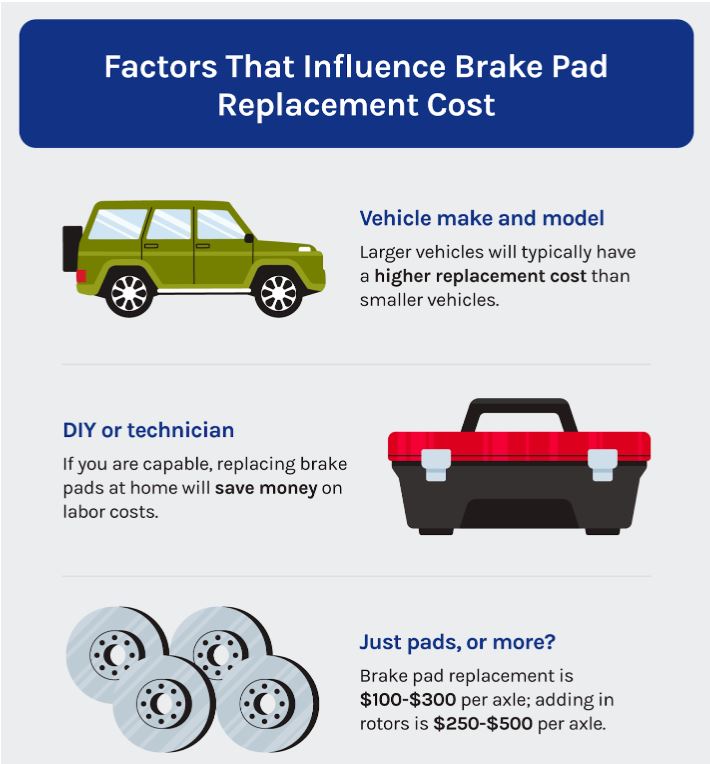
Repair costs for rotors and brake pads vary. Several factors influence the total expense. Knowing these factors helps you understand why prices differ.
Vehicle Make And Model
Some cars need special brake parts. Luxury or sports cars often cost more to fix. Common cars have cheaper parts. The design of your vehicle affects repair prices.
Type Of Brake Pads And Rotors
Brake pads and rotors come in different types. Basic pads cost less but wear out faster. High-performance pads last longer but cost more. Rotors can be standard or drilled for better cooling. The material and quality affect the price.
Labor Costs
Labor prices vary by shop. Some mechanics charge more per hour. Complex repairs take longer and cost more. Simple brake jobs are quicker and cheaper. The skill level of the mechanic also matters.
Geographical Location
Where you live changes repair costs. Big cities often have higher prices. Rural areas may offer cheaper services. Local demand and cost of living influence labor and parts costs.
Average Cost To Replace Brake Pads
Replacing brake pads is a common car repair. It keeps your vehicle safe and stops wear on other parts. The cost to replace brake pads varies. It depends on the type of pads used and the vehicle model. Knowing the average cost helps plan your budget.
Standard Brake Pads
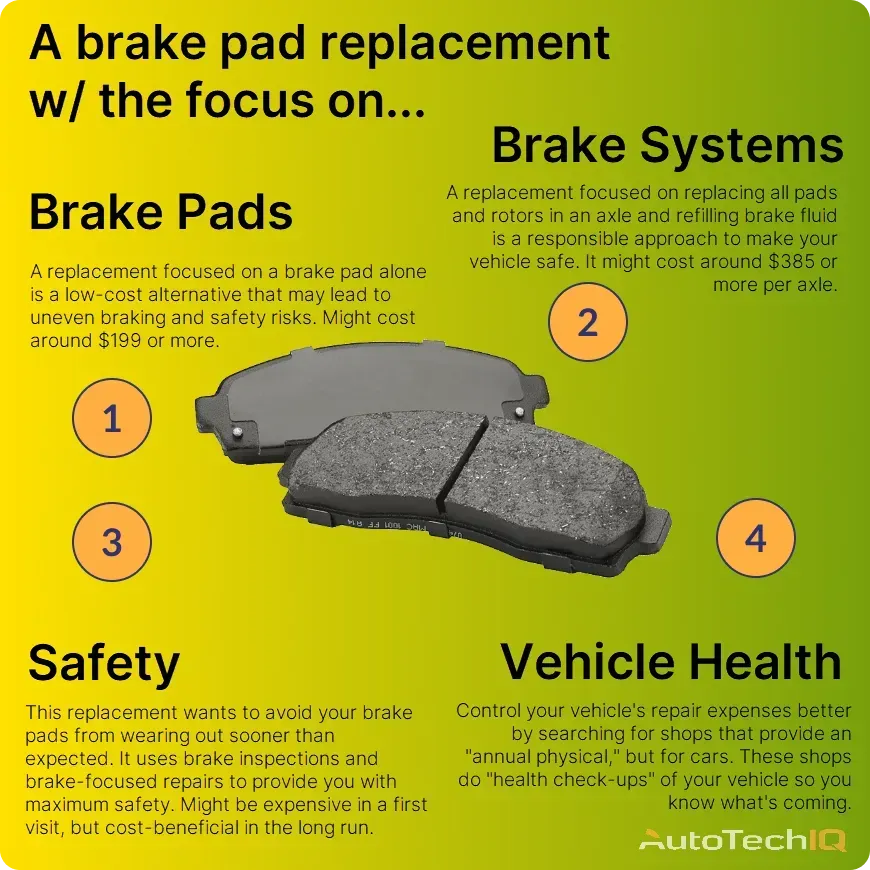
Standard brake pads cost less and suit most cars well. The price usually ranges from $50 to $150 per axle. These pads offer good stopping power for daily driving. They wear out faster than premium pads but still provide safe braking.
Labor charges add $80 to $120. Total cost for standard pads typically falls between $130 and $270. These pads are a good choice for budget-conscious drivers.
Premium And Performance Pads
Premium brake pads cost more but last longer. Prices range from $150 to $300 or higher per axle. These pads use better materials for stronger braking. They handle heat better and reduce brake dust.
Performance pads suit sporty or heavy vehicles. They can cost $200 to $400 or more per axle. Labor costs for premium pads remain similar to standard pads. Total repair can reach $280 to $520.
Credit: www.autotechiq.com
Average Cost To Replace Rotors
The average cost to replace rotors varies based on the type of rotor and your vehicle. Rotors are key parts of your brake system. They work with brake pads to stop your car safely. Over time, rotors wear out and need replacement.
Replacing rotors involves parts and labor costs. Costs depend on rotor quality and design. Some rotors are basic, while others are built for high performance. Knowing the difference helps plan your budget.
Standard Rotors
Standard rotors are the most common type. They are usually made of cast iron. These rotors cost between $30 and $75 each. Labor for replacing them can add $80 to $150. Total cost for standard rotors usually runs from $110 to $225 per rotor.
Standard rotors work well for everyday driving. They last a long time with regular use. Their price makes them a practical choice for many drivers.
High-performance And Drilled Rotors
High-performance rotors offer better heat dissipation. Drilled rotors have holes to reduce heat and improve braking. These rotors cost more, ranging from $80 to $200 each. Labor costs stay similar to standard rotor replacement.
The total price for high-performance or drilled rotors can reach $200 to $350 per rotor. These are common on sports cars or trucks. They help maintain braking power during tough driving conditions.
Combined Replacement Costs
Replacing rotors and brake pads together is common. This combined service ensures your brakes work well and last longer. Understanding the costs helps you plan your car maintenance budget better.
Replacing Both Pads And Rotors
Changing both parts at once saves time and effort. Mechanics usually charge between $250 and $400 for this service. The price depends on your car model and the parts used. Labor costs vary but expect about 1 to 2 hours of work. Using quality parts can cost more but improves safety and performance.
Cost Savings On Combined Services
Replacing pads and rotors together often costs less than doing them separately. Shops may offer discounts for combined jobs. You pay less in labor fees since the mechanic does both jobs at once. It also reduces the chance of uneven wear on your brakes. Regular combined replacements keep your braking system balanced and reliable.
Diy Vs Professional Repair
Deciding between fixing rotors and brake pads yourself or hiring a professional can be tough. Both options have their benefits and risks. Understanding these can help you save money and keep your car safe. Let’s explore the pros and cons of DIY and know when it is best to choose professional help.
Pros And Cons Of Diy
Doing the repair yourself can save money on labor costs. You buy parts only, which is cheaper than a shop’s full price. You learn new skills and understand your car better.
DIY repairs need the right tools and some car knowledge. Mistakes can cause brake failure or damage. Time spent can be long, especially if you are new.
When To Seek Professional Help
Choose a professional if you feel unsure about the repair steps. Professionals have experience and special tools to do the job safely.
If your brakes make strange noises or the pedal feels soft, visit a mechanic. Complex problems like rotor warping need expert attention. Safety is key with brakes, so trust a pro for serious issues.
Tips To Extend Brake Life
Extending the life of your brake rotors and pads saves money and boosts safety. Small changes in how you drive and care for your brakes make a big difference. Follow simple tips to keep brakes working longer and avoid costly repairs.
Driving Habits
Gentle braking reduces wear on brake parts. Avoid sudden stops whenever possible. Slow down early instead of slamming the brakes. Keep a safe distance from other cars to prevent hard braking. Use engine braking on downhill roads to ease pressure on brakes. Smooth driving helps rotors and pads last longer.
Maintenance Practices
Regular brake checks catch problems early. Inspect brake pads and rotors every 10,000 miles. Replace worn pads before they damage the rotors. Keep brake fluid clean and topped up. Clean dust and dirt from brake parts to prevent damage. Proper maintenance keeps brakes safe and extends their life.
Credit: www.aaa.com
Where To Find The Best Deals
Finding the best deals on fixing rotors and brake pads saves money and ensures safety. Many options exist for affordable repairs and quality parts. Choosing the right place affects cost and service quality. Here are some good places to find deals.
Local Repair Shops
Local shops often offer fair prices for brake repairs. They provide personal service and quick fixes. Some shops give discounts for first-time customers. Support local businesses and get expert advice. Ask about package deals for rotors and pads.
Online Parts Retailers
Online stores sell brake pads and rotors at low prices. You can compare many brands and reviews easily. Shipping fees may apply but often still cheaper than stores. Read product details carefully to match your car model. Buying online helps prepare before visiting a mechanic.
Discounts And Promotions
Check for seasonal sales or special promotions on brake parts. Many shops offer discounts during holidays or events. Coupons and loyalty programs reduce repair costs. Signing up for newsletters can alert you to deals. Always ask about available discounts before paying.

Credit: vatire.com
Frequently Asked Questions
How Much Does It Cost To Replace Brake Pads?
Replacing brake pads typically costs between $100 and $300 per axle. Prices vary by vehicle type and pad quality. Labor charges influence the total cost. High-performance pads or luxury cars may cost more. Regular maintenance can help avoid costly damage.
What Is The Average Price To Fix Rotors?
Rotor replacement usually costs between $200 and $400 per axle. The price depends on rotor quality and labor fees. Some rotors can be resurfaced for less. Worn-out rotors require full replacement to ensure safety and performance.
Can I Replace Brake Pads And Rotors Together?
Yes, replacing brake pads and rotors together is common. It ensures optimal braking performance and longer lifespan. Combined replacement usually costs between $300 and $700. Doing both prevents uneven wear and improves safety.
How Often Should Brake Pads And Rotors Be Replaced?
Brake pads typically last 30,000 to 70,000 miles. Rotors usually need replacement every 50,000 to 70,000 miles. Driving habits and conditions affect lifespan. Regular inspections help determine when replacements are necessary.
Conclusion
Fixing rotors and brake pads costs vary by car and location. Expect to pay between $150 and $400 on average. Quality parts and labor affect the final price. Regular maintenance helps avoid costly repairs later. Don’t ignore brake issues—they keep you safe on the road.
Compare prices from trusted mechanics before deciding. Taking care of brakes saves money and stress. Keep your vehicle running smoothly and safely. Simple steps can prevent bigger problems down the line. Stay informed and act quickly for the best results.