

Are you wondering how much it costs to remove Freon from your car? Whether your air conditioner isn’t cooling like it used to or you’re planning a repair, knowing the price can save you time and stress.
Removing Freon is an important step that can impact your car’s AC system and your wallet. You’ll discover what influences the cost and what to expect, so you can make the best decision for your vehicle without any surprises. Keep reading to get the clear answers you need!
Freon Removal Basics
Understanding the basics of Freon removal helps car owners maintain their vehicle’s air conditioning system properly. Freon is a key part of the cooling system. Removing it safely is important for both the car and the environment.
Knowing what Freon is and why it needs removal makes the process clearer. This knowledge helps in making smart decisions about repairs and costs.
What Is Freon?
Freon is a brand name for refrigerants used in car air conditioners. It helps cool the air inside the vehicle. This gas absorbs heat and releases it outside. Without Freon, the air conditioner cannot cool the car.
Freon is a type of chemical called a chlorofluorocarbon or hydrofluorocarbon. These chemicals can harm the environment if released. Proper handling during removal is essential.
Why Remove Freon?
Freon removal is needed when the air conditioning system needs repair. It helps prevent leaks and damage to the system. Removing old or contaminated Freon keeps the system working well.
Removing Freon also protects the environment. Freon gases can cause pollution and harm the ozone layer. Safe removal and recycling reduce this risk.
Professionals use special tools to remove Freon safely. This process avoids releasing harmful gases into the air.
Credit: carfromjapan.com
Factors Affecting Removal Cost
Several factors affect the cost to remove Freon from a car. Understanding these can help you estimate the price better. Each element plays a role in how much you will pay for the service. Let’s explore the main factors that influence the removal cost.
Car Make And Model
The type of car impacts the Freon removal cost. Some cars have complex air conditioning systems. Luxury or imported models may require special tools. These can increase the service price. Common cars usually cost less to service.
Amount Of Freon
The quantity of Freon in the system matters. More Freon means more work to remove it. Larger systems hold more refrigerant. This raises the cost of removal. Small leaks or low Freon levels lower the price.
Labor Charges
Labor costs vary by the mechanic or shop. Some charge by the hour. Others offer a flat fee. Skilled technicians may charge higher rates. Labor time depends on system complexity and Freon amount.
Location Variations
Where you live affects the price. Cities often have higher service costs. Rural areas may charge less. Local demand and competition change prices too. Some regions have strict rules about Freon handling, raising costs.
Typical Cost Range
Removing Freon from a car’s air conditioning system costs different amounts. Prices depend on the car type, location, and service provider. Understanding the typical cost range helps prepare your budget.
Average Price Estimates
Most shops charge between $100 and $300 to remove Freon. Simple systems cost less, complex ones cost more. Prices include reclaiming and disposing of the old Freon safely. Some places add extra fees for environmental handling.
The cost may rise if your car has leaks or needs repairs. Expect to pay more for premium vehicles or specialty Freon types. Always ask for a clear price quote before service.
Cost For Diy Vs Professional Service
Doing it yourself can cost $50 to $100 for tools and supplies. This includes a Freon recovery kit and safety gear. DIY risks include improper handling and legal issues. Freon is harmful and regulated by law.
Professional services guarantee safe removal and proper recycling. They use certified equipment and follow environmental rules. The extra cost often means peace of mind and no legal risks. Choosing a pro usually saves time and trouble.
Credit: smart.dhgate.com
Freon Removal Process
Removing Freon from a car is an important task for air conditioning maintenance. The process needs care to avoid harm and ensure proper handling of the gas. Understanding the steps helps car owners and technicians perform the task safely and correctly.
Tools And Equipment Needed
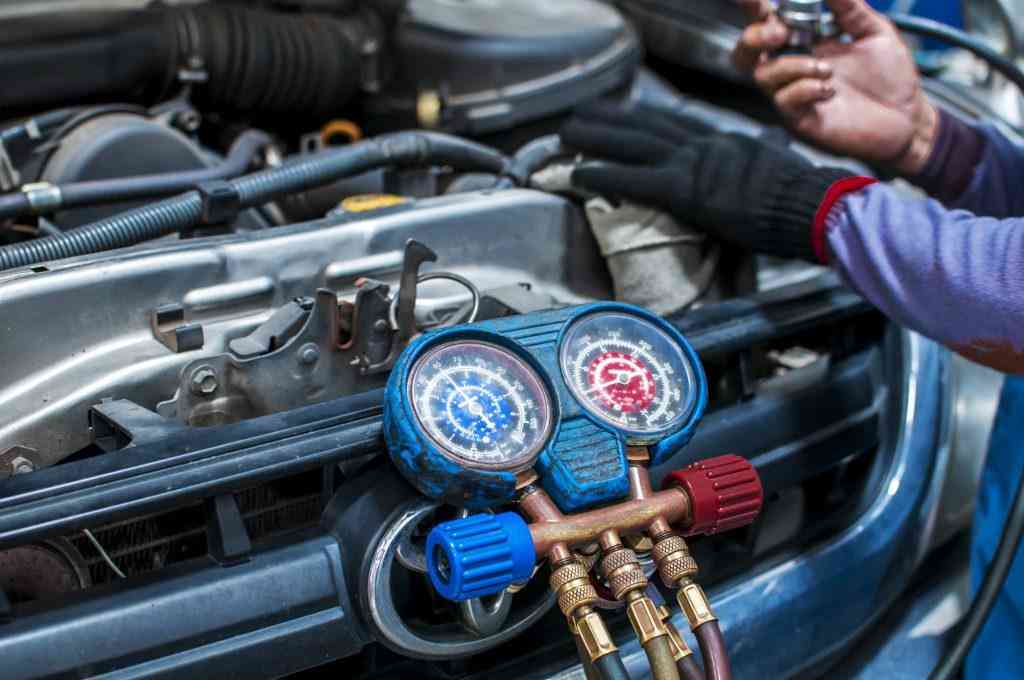
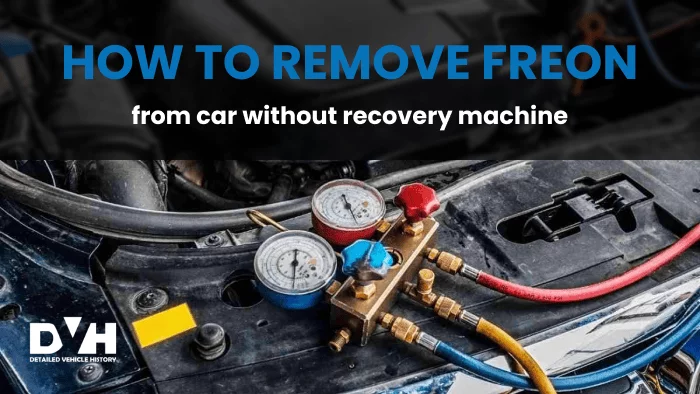
Several tools are essential for Freon removal. A refrigerant recovery machine captures the gas safely. You also need a manifold gauge set to measure pressure. Safety gloves and goggles protect the user. A vacuum pump removes air and moisture. Proper containers store the recovered Freon.
Step-by-step Procedure
First, connect the manifold gauges to the car’s AC service ports. Attach the recovery machine to these gauges. Turn on the recovery machine to start removing Freon. Watch the gauges to track the pressure drop. The machine transfers Freon into the recovery container. Wait until the pressure reads zero. This shows all Freon is removed. Turn off the machine and disconnect all tools. Check the system for leaks before refilling. Dispose of recovered Freon according to local laws.
Environmental And Legal Considerations
Removing Freon from a car involves more than just cost. There are important environmental and legal concerns. Proper handling protects nature and follows the law. Understanding these factors helps avoid fines and damage.
Freon Disposal Regulations
Freon is a chemical controlled by strict rules. Laws require certified technicians to remove it safely. Releasing Freon into the air is illegal and can lead to heavy fines. Many countries have laws to reduce harmful emissions from Freon. Proper disposal includes capturing and recycling the gas. Never vent Freon during car repairs or removal. Always check local regulations before removing Freon.
Environmental Impact
Freon harms the environment by damaging the ozone layer. It also contributes to global warming. Even small leaks can cause big problems over time. Safe removal prevents Freon from escaping into the atmosphere. Protecting the environment means using eco-friendly methods. Recycling Freon helps reduce pollution and conserve resources. Caring for the planet starts with responsible Freon handling.
Tips To Save On Freon Removal
Removing Freon from a car can be costly. Saving money on this service is important. Simple steps help reduce expenses without cutting corners. These tips focus on smart choices and care.
Understanding how to save on Freon removal keeps your car cooler and your wallet happier. Start by choosing the right service, then maintain your car well. Catch problems early to avoid bigger costs later.
Finding Reliable Service Providers
Choose a trusted mechanic or service center. Check reviews and ask for recommendations. A reliable provider uses proper tools and follows safety rules. Avoid cheap, quick fixes that may cause damage. Quality service saves money over time.
Preventive Maintenance
Regular car care reduces Freon loss. Clean or replace air filters on time. Keep the AC system clean and checked. Running your AC properly avoids unnecessary strain. Well-maintained systems need less Freon refilling.
Checking For Leaks Early
Small leaks cause big Freon loss. Inspect your AC system often for leaks. Look for oily spots or low cooling power. Fix leaks quickly to prevent costly Freon removal. Early repair keeps the system efficient and saves money.
Alternatives To Freon Removal
Removing Freon from a car’s air conditioning system is not the only option. Several alternatives can keep your AC working well without a full Freon removal. These choices often save money and protect the environment. Understanding these options helps you make a better decision for your car and budget.
Recharging Freon
Recharging Freon means adding more refrigerant to the AC system. It restores cooling power if the Freon is low. Technicians check for leaks before refilling to avoid waste. This process is faster and cheaper than full removal. Regular recharges keep the AC running smoothly. It is a common fix for weak air conditioning.
Switching To Eco-friendly Coolants
Eco-friendly coolants offer a safer choice than traditional Freon. These coolants have less harm to the environment. Cars can use options like R-1234yf, which reduces greenhouse gases. Switching coolants might require system changes. Some mechanics recommend this for newer cars. It helps lower your carbon footprint while keeping you cool.

Credit: www.youtube.com
Frequently Asked Questions
How Much Does Freon Removal Cost For A Car?
Freon removal typically costs between $100 and $200. Prices vary by location and vehicle type. Additional repairs may increase the price.
Why Remove Freon From A Car’s Ac System?
Removing Freon is necessary for repairs or system replacement. It prevents harmful leaks and protects the environment from refrigerant release.
Can I Remove Freon From My Car Myself?
Removing Freon requires special equipment and certification. DIY removal is unsafe and illegal in many places. Always hire a professional technician.
How Long Does Freon Removal Take?
Freon removal usually takes 30 minutes to 1 hour. Time depends on the car model and technician’s experience.
Conclusion
Removing Freon from your car can cost different amounts. Prices depend on your car model and the shop you choose. Knowing the cost helps you plan your budget well. Always ask for a clear price before service starts. Taking care of your car’s air system keeps it working longer.
Don’t ignore strange smells or weak cooling. Regular check-ups can save you money later. Choose a trusted mechanic who explains the process clearly. Your car’s comfort matters, and so does smart spending.
