

Have you ever wondered how many of a certain car are still out there on the road? Maybe it’s a classic model you’ve always admired or a rare edition you recently spotted.
Knowing the exact number left can change the way you see that car—making it more special, more valuable, and even more exciting to own or admire. You’ll discover the surprising facts behind these cars’ survival, why some have become so rare, and what that means for you as a fan, collector, or curious driver.
Keep reading, and you might be amazed at just how few of these cars are left—and why that matters to you.

Credit: www.howrareismycar.co.uk
Car Model History
The history of this car model tells a story of design, innovation, and change. It has gone through many phases since its first release. Each phase adds value to its legacy and influences how many are left today. Understanding this history helps to appreciate the car’s place in the market and among collectors.
Launch And Production Timeline
The car model was first launched in the early 2000s. Production started with a limited number of units. Over the years, updates and new versions were introduced. Each version brought small changes to design and performance. Production lasted about a decade before it stopped. Some special editions were made in the last years.
Initial Popularity And Sales
At launch, the car quickly gained attention. Its style and features attracted many buyers. Sales were strong in the first few years. Dealers reported high demand and quick sales. Interest slowed down after some time. This affected how many cars remained in use today. Collectors now seek the early models the most.
Factors Affecting Rarity
Many factors decide how rare a car is today. Some cars were made in small numbers. Others have special features or editions. Over time, some cars disappear due to damage or loss. These points shape how many of a certain car remain.
Limited Production Numbers
Cars made in small batches are naturally rare. Manufacturers may produce only a few units. This limited run can increase a car’s value. Fewer cars mean fewer chances to find one now. Collectors often seek these rare, low-production models.
Special Editions And Variants
Special editions add to a car’s rarity. These versions have unique colors or parts. They might celebrate an event or partnership. Variants often include performance or design changes. Such features make these cars stand out.
Common Causes Of Attrition
Many cars are lost over time. Accidents and wear can destroy vehicles. Some get scrapped when parts fail. Natural disasters also reduce the number. This attrition shrinks the pool of remaining cars.
Current Population Estimates
The current population estimates of this car reveal its rarity today. Over the years, many units have been lost or damaged. Enthusiasts and collectors keep a close eye on how many remain. These numbers help us understand the car’s true scarcity and value.
Surviving Units Worldwide
Experts estimate that only a few hundred units still exist worldwide. Many of these cars are in private collections. Others remain in museums or with vintage car clubs. The exact number changes as cars are restored or lost. Still, the overall population remains very low.
Geographical Distribution
Most surviving cars are found in North America and Europe. These regions had the highest sales when the car was new. Some units exist in Australia and Japan, but they are rare. Climate and storage conditions in these areas affect car survival. This distribution highlights where enthusiasts focus their search and care.
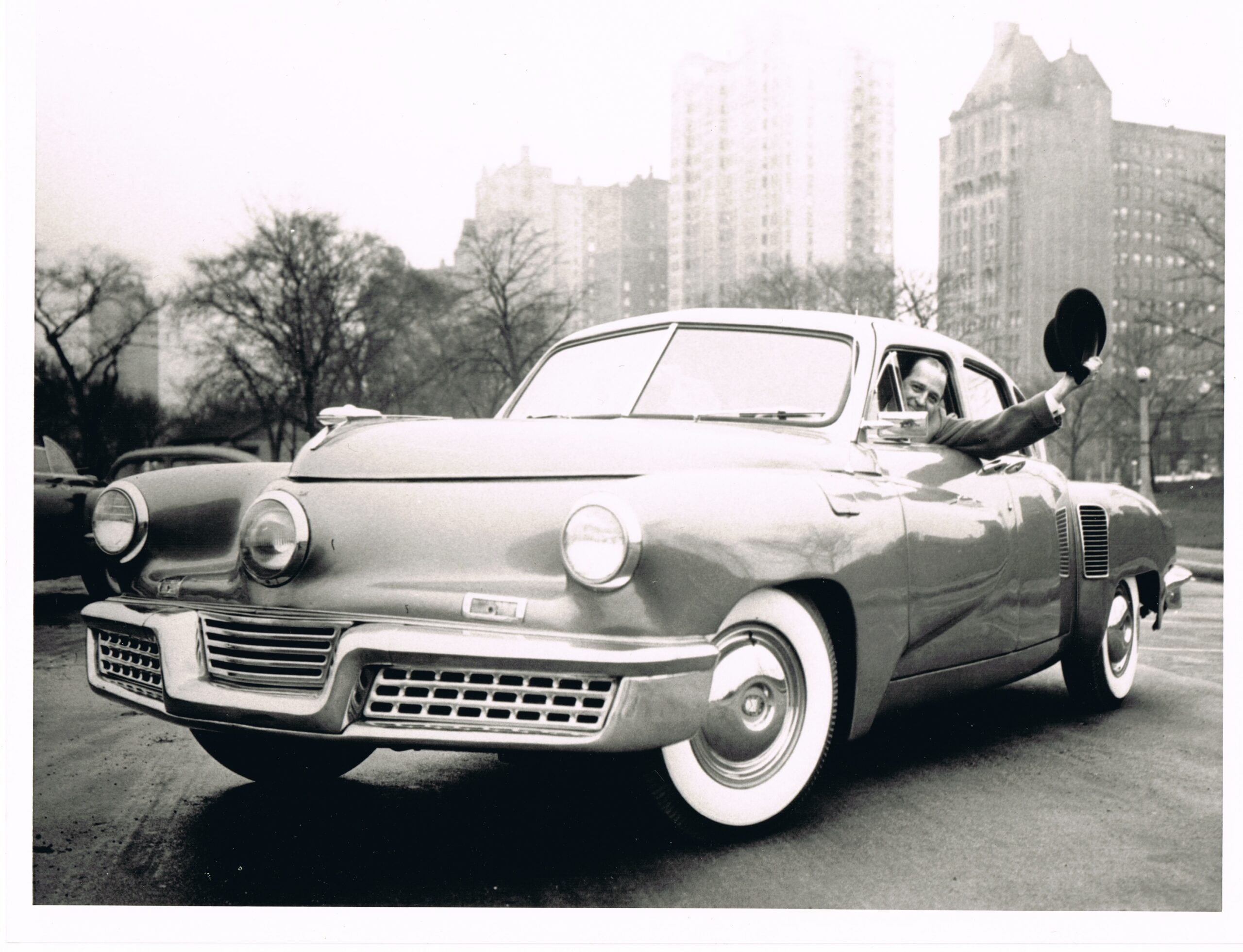
Credit: www.americanessence.com
Collector Demand
Collector demand plays a big role in the value and availability of rare cars. These vehicles are often limited in number, making them highly sought after. Collectors want cars that are unique and have historical importance. The demand affects prices and how often these cars appear for sale. Strong interest can keep prices high and make it hard to find these cars on the market.
Market Value Trends
Market value for rare cars changes over time. Prices can rise steadily as more collectors seek these models. Sometimes values spike after special events or anniversaries. Tracking these trends helps understand how much collectors want the car. Cars in better condition or with rare features often see higher values. Market trends also show which models are becoming more popular.
Notable Auctions And Sales
Auctions often reveal the true collector demand for rare cars. High-profile sales grab attention and set price records. These sales show what buyers are willing to pay. Notable auctions often feature cars with low mileage or unique history. Results from these events impact the market and future demand. Collectors watch these sales closely for signs of value shifts.
Preservation And Restoration
Preservation and restoration play a key role in keeping classic cars alive. These efforts help maintain the car’s original charm and value. Owners and enthusiasts work hard to save these vehicles from decay and damage. Every small repair brings the car closer to its former glory.
Challenges In Maintenance
Maintaining an old car is not easy. Finding original parts can be very difficult. Many parts are no longer made or sold. Rust and wear damage the metal and paint over time. Skilled mechanics are needed to fix complex engine problems. Regular care is required to keep the car running smoothly. Storage also matters. Cars need protection from weather and moisture to avoid further damage.
Restoration Success Stories
Some cars have been beautifully restored to their original state. Experts spend hundreds of hours on bodywork and engine tuning. These cars often win awards at classic car shows. Owners share their passion by displaying the cars at events. Restoration also brings history back to life. Each restored car tells a unique story of craftsmanship and dedication. These success stories inspire others to preserve classic cars too.

Credit: worksafetci.com
Future Outlook
The future of this car’s availability holds many questions. Its rarity might shift in the coming years. Various factors will shape how many remain on the roads. Understanding these changes helps collectors and fans alike.
Changes in laws and new technologies will also affect the car’s survival. These influences will either protect or reduce the number of cars left. It is important to watch these trends closely.
Predicted Rarity Changes
The number of these cars is expected to decrease slowly. Some will be lost to accidents or wear over time. Others may be saved by collectors who value their uniqueness. Limited production models tend to become rare faster. Future demand from enthusiasts can drive prices and interest up. The rarity might increase as fewer cars remain in good shape.
Impact Of Regulations And Technology
New regulations on emissions and safety may restrict older cars. Some models might no longer meet new standards. Owners may face limits on driving or maintaining these cars. Advances in electric and hybrid technology push older models out. Restoration and modification could help some cars stay on the road. Laws aimed at protecting classic cars might also help preserve them.
Frequently Asked Questions
How Many Of This Car Model Still Exist Today?
Approximately 1,500 units of this car model remain worldwide. Many were lost due to age and accidents. Collectors highly prize surviving vehicles.
Where Can I Find This Car’s Remaining Units?
Most remaining cars are in private collections and museums. Some appear in classic car auctions. Availability is limited due to rarity.
Why Are So Few Of These Cars Left?
Limited production and decades of use reduced their numbers. Many were scrapped or damaged beyond repair. Preservation efforts now help maintain existing cars.
How To Verify The Authenticity Of Remaining Cars?
Check chassis numbers, original documents, and expert appraisals. Authentic cars have matching identification and verified history. Experts can detect restored or replica models.
Conclusion
The number of these cars left is quite rare. Many have been lost or damaged over time. Collectors value them for their history and design. Owning one means having a piece of the past. Keep an eye on auctions and sales.
These cars won’t stay available for long. Their rarity makes them special and hard to find. Knowing how many remain helps you understand their true worth. Act wisely if you want to buy or sell one. The legacy of this car lives on in every remaining model.


