

Wondering how much it will cost to replace your fuel filter? You’re not alone.
A clean fuel filter is crucial for your car’s performance, but the price to fix it can vary a lot. Knowing what to expect can save you time, money, and stress. You’ll find clear answers to help you make the best decision for your vehicle and budget.
Keep reading—you’ll be glad you did.
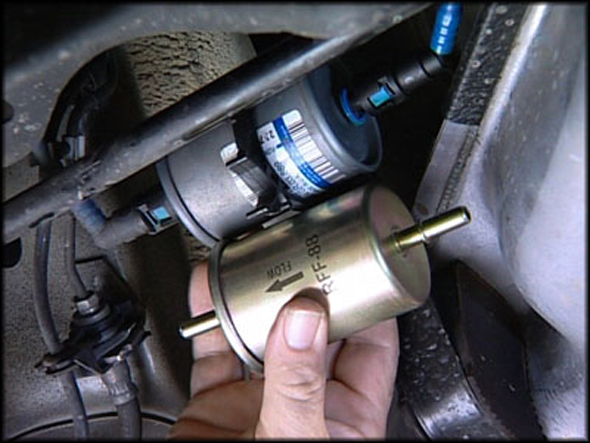
Credit: germanformula.com
Fuel Filter Replacement Basics
Replacing a fuel filter is an important part of car care. The fuel filter keeps dirt and rust from entering the engine. Over time, the filter can get clogged and stop working well. Knowing the basics helps you keep your car running smoothly.
This section covers what a fuel filter does and the signs that show it needs replacement.
Role Of A Fuel Filter
The fuel filter cleans fuel before it reaches the engine. It traps dirt, rust, and other particles. This protects the engine from damage. A clean filter helps the engine run efficiently. It also improves fuel economy and reduces emissions.
Without a good fuel filter, the engine may get dirty fuel. This can cause poor performance and costly repairs.
Signs You Need Replacement
Watch for engine problems like hesitation or stalling. These can mean the filter is clogged. A drop in fuel efficiency also signals trouble. The car might take longer to start or run rough.
Check for unusual noises from the engine. These noises may point to fuel flow issues. If your car is older, replacing the filter regularly is smart. It keeps the engine healthy and avoids breakdowns.
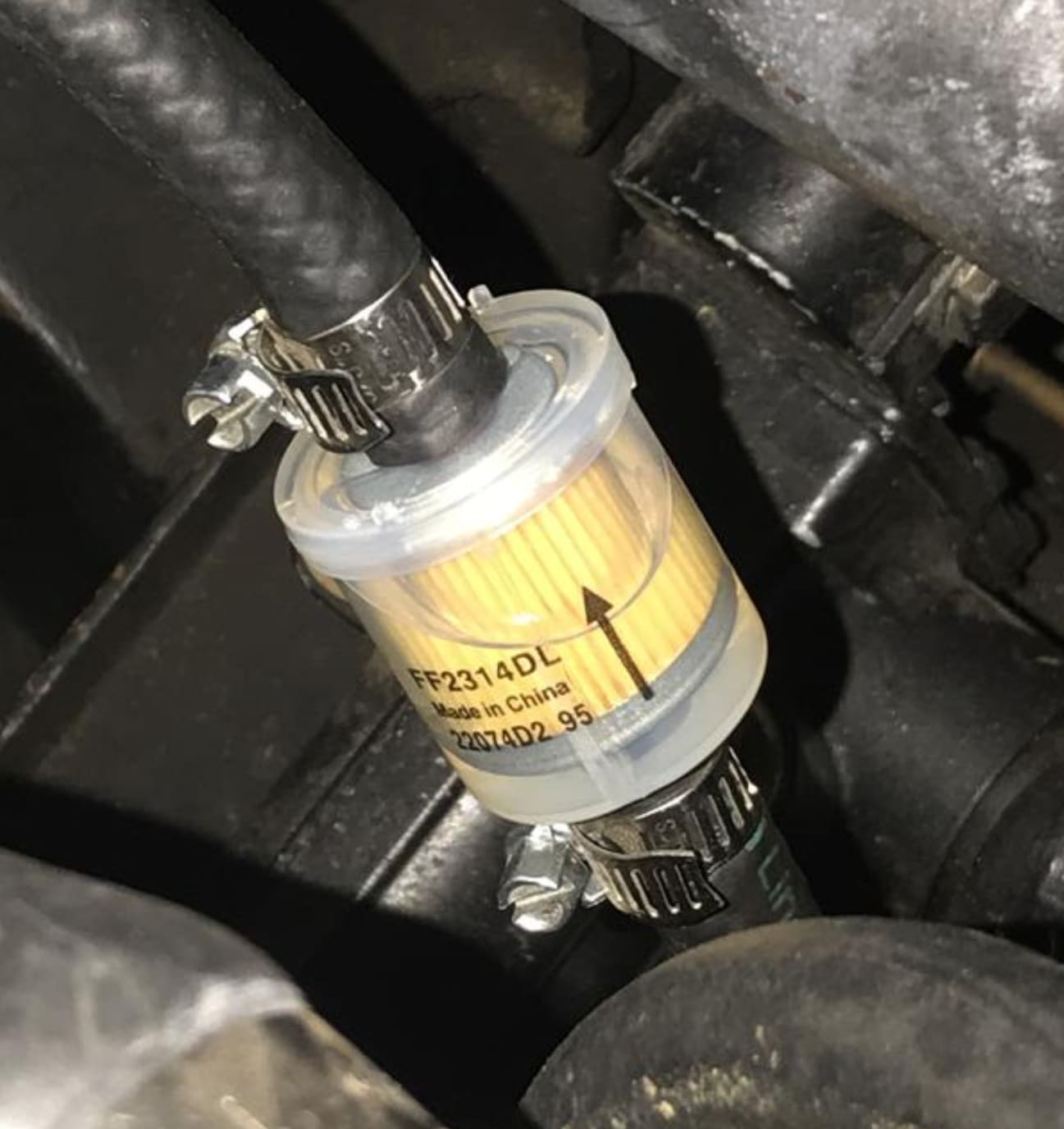
Credit: www.autozone.com
Cost Factors To Consider
Replacing a fuel filter involves several cost factors that influence the final price. Knowing these factors helps you prepare a budget. It also helps in choosing the right service and parts. Below are the key cost elements to consider.
Type Of Vehicle
Different vehicles use different fuel filters. Cars, trucks, and motorcycles have unique parts. Luxury or imported cars often need special filters. These filters cost more than standard ones. Larger vehicles might have bigger filters that cost more. The complexity of your vehicle’s fuel system affects the price too.
Fuel Filter Quality
Fuel filters come in various quality levels. Cheap filters may save money but wear out faster. High-quality filters last longer and protect your engine better. Some brands offer filters with better materials and design. Choosing a good filter means fewer replacements. It also helps maintain fuel efficiency and engine health.
Labor Charges
Labor costs vary by location and mechanic skill. Some filters are easier and quicker to replace. Others require more time and special tools. Mechanics charge either a flat fee or hourly rate. Dealerships often charge more than local shops. Checking labor rates before service helps avoid surprises.
Average Replacement Costs
Replacing a fuel filter is a routine part of vehicle maintenance. Knowing the average costs helps you budget for this service. Costs vary depending on whether you do it yourself or hire a professional. The type of vehicle also affects the price.
Diy Replacement Expenses
Doing the replacement yourself costs less. Fuel filters typically cost between $10 and $50. Basic tools you may need include wrenches and pliers. No extra fees apply if you already own the tools. Time spent depends on your skill level, usually 30 to 60 minutes.
Professional Service Pricing
Mechanics charge for parts and labor. Labor fees range from $50 to $150. Total prices often fall between $70 and $200. Shops may charge more for complex jobs. Some vehicles require special tools or additional work, increasing costs.
Price Range By Vehicle Type
Small cars have cheaper fuel filters, around $10 to $30. Larger vehicles, like trucks, cost $40 to $70 for parts. Luxury or specialty cars may need filters costing over $100. Labor also varies with vehicle design and accessibility of the fuel filter.
Where To Buy Fuel Filters
Finding the right place to buy a fuel filter is important. The quality and price can vary a lot. Choosing a trusted source saves time and money. It also helps ensure the filter fits your vehicle and works well.
Authorized Dealers
Authorized dealers offer fuel filters made by car makers. These filters fit perfectly and meet quality standards. Dealers can give advice on the right filter for your car. Prices may be higher but the parts are reliable.
Online Marketplaces
Online marketplaces have many fuel filter options. You can compare prices and read reviews easily. Some sellers offer discounts and fast shipping. Be sure to check the seller’s rating before buying. Look for filters that match your car model.
Local Auto Parts Stores
Local auto parts stores sell fuel filters for most cars. Staff can help you choose the correct filter. You get the part the same day without waiting. Prices are often reasonable, and you can see the product before buying.
Diy Replacement Tips
Replacing a fuel filter by yourself saves money and gives a sense of accomplishment. This task is simple with the right tools and steps. Follow clear instructions and take safety seriously. This guide helps you replace your fuel filter safely and quickly.
Necessary Tools
- New fuel filter matching your vehicle model
- Wrenches or socket set
- Screwdrivers
- Fuel line disconnect tool (if needed)
- Container to catch fuel spills
- Rags or paper towels
- Protective gloves
- Safety glasses
Step-by-step Guide
- Relieve fuel system pressure by removing the fuel pump fuse and starting the engine.
- Locate the fuel filter under the car or near the engine bay.
- Place a container under the filter to catch fuel drips.
- Loosen clamps or connectors on both sides of the filter.
- Remove the old filter carefully to avoid fuel spills.
- Install the new filter in the correct direction, following the arrow on it.
- Tighten clamps or connectors securely.
- Replace the fuel pump fuse and start the engine to check for leaks.
Safety Precautions
- Work in a well-ventilated area away from flames or sparks.
- Wear gloves and safety glasses to protect skin and eyes.
- Keep a fire extinguisher nearby in case of emergencies.
- Dispose of old fuel and filter properly according to local rules.
- Do not smoke or use electronics near the fuel system.
- Follow your vehicle’s manual for specific instructions.
When To Choose Professional Help
Replacing a fuel filter can be a simple task for some car owners. Yet, certain situations need a professional’s skill. Knowing when to ask for help saves time and money. It also keeps your vehicle safe and working well.
Complex Vehicle Systems
Modern cars have complex fuel systems. Some filters are hard to reach or hidden deep inside. Special tools and knowledge are often needed. Professionals understand these systems and handle them with care. This helps avoid damage to other parts or the fuel system itself.
Warranty Considerations
Your car’s warranty may require professional service. DIY repairs might void this warranty. A certified mechanic uses approved parts and methods. This keeps your warranty valid and protects your investment. Always check warranty rules before replacing the fuel filter yourself.
Avoiding Common Mistakes
Replacing a fuel filter incorrectly can cause problems. Wrong installation may lead to leaks or engine issues. Professionals know the right steps and avoid these errors. They also check for other fuel system problems. This gives you peace of mind and better car performance.
Maintenance To Extend Filter Life
Keeping your fuel filter in good shape saves money and helps your vehicle run smoothly. Proper maintenance can stretch the life of the filter. It reduces the chance of blockages that harm engine parts. A few simple habits make a big difference.
Regular Inspection
Check the fuel filter often for dirt and damage. Early signs of clogging mean you can act fast. Look for rust or leaks around the filter. Replace it before it causes engine trouble. A quick check is easy and prevents costly repairs.
Fuel Quality Impact
Use clean fuel to protect the filter. Low-quality gas or diesel contains dirt and water. These impurities clog the filter quickly. Choose fuel from trusted stations only. Clean fuel keeps the filter working longer and the engine safe.
Driving Habits
Gentle driving helps the fuel system stay healthy. Sudden stops and starts make the engine work harder. This stresses the fuel filter and shortens its life. Smooth acceleration and steady speeds reduce wear. Careful driving protects the filter and saves money.
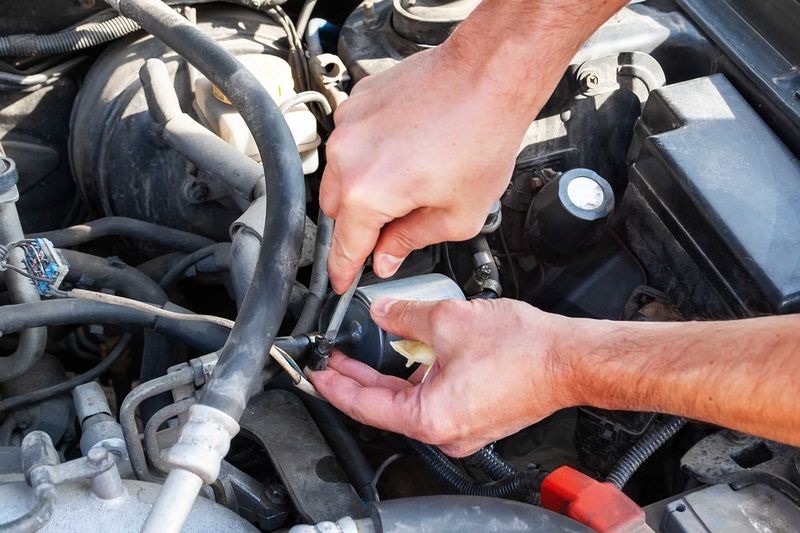
Credit: driving.ca
Frequently Asked Questions
How Much Does Fuel Filter Replacement Cost?
Fuel filter replacement typically costs between $50 and $150. Prices vary by vehicle make, model, and labor rates. DIY replacements reduce cost to just the part price, usually $10 to $40. Regular replacement ensures engine efficiency and longevity.
How Often Should I Replace My Fuel Filter?
Most manufacturers recommend replacing the fuel filter every 20,000 to 40,000 miles. Check your vehicle’s manual for exact intervals. Replacing it on time prevents clogging, improves fuel flow, and protects the engine from damage.
Can I Replace The Fuel Filter Myself?
Yes, you can replace the fuel filter yourself if you have basic mechanical skills. Use proper tools and safety precautions to avoid fuel spills. Refer to your vehicle’s service manual for detailed instructions to ensure correct installation.
What Factors Affect Fuel Filter Replacement Cost?
Cost depends on vehicle type, filter quality, and labor charges. Luxury or diesel vehicles may have higher costs. DIY replacements lower expenses but require tools and knowledge. Location and service center pricing also influence the final cost.
Conclusion
Replacing a fuel filter does not cost too much. Most fuel filters are affordable and easy to change. Knowing the price helps you plan your car care budget. Regularly changing the filter keeps your engine healthy and running well. Delaying replacement can cause bigger, more expensive problems.
Choose quality parts and trusted service for best results. Stay on top of maintenance to avoid sudden car troubles. A clean fuel filter means better fuel flow and engine life. Simple steps save money and keep your vehicle safe.


