

Are you curious about creating a suppressor using a fuel filter? If so, you’re in the right place.
This guide will walk you through each step, making it easy for you to understand and follow. Imagine having the skills to build something useful with simple materials you might already have. By the end of this article, you’ll know exactly how to turn a fuel filter into a functional suppressor.
Keep reading, and unlock a practical skill that could come in handy when you least expect it.
Materials Needed
Gathering the right materials is the first step in making a suppressor from a fuel filter. Using the proper items ensures safety and effectiveness. Prepare everything before starting the project.
Choosing The Right Fuel Filter
Select a fuel filter that is metal and cylindrical. Avoid plastic filters as they may not hold up well. The filter should have a fine mesh inside to help reduce noise. Check the size; it should fit your device correctly. An old or used filter might work but be sure it is clean inside.
Additional Tools Required
Besides the fuel filter, you will need a few tools. A drill with small bits helps create holes for airflow. Sandpaper smooths rough edges after cutting. A wrench or pliers can assist in tightening parts. Also, gloves protect your hands during assembly. Have a ruler or measuring tape for accuracy.
Safety Precautions
Safety is the most important part of making a suppressor from a fuel filter. This process involves materials and actions that can be risky. Taking the right safety steps helps protect you and others around you. Always focus on handling everything carefully and knowing the laws.
Handling Materials Safely
Wear gloves and eye protection at all times. Fuel filters may have sharp edges or chemical residues. Avoid breathing in dust or fumes. Work in a well-ventilated area. Use tools correctly to prevent accidents. Keep a fire extinguisher nearby. Never work near open flames or sparks.
Legal Considerations
Making a suppressor without permission is illegal in many places. Check your local laws before starting. Some countries require special licenses or permits. Ignoring these rules can lead to fines or jail time. Always follow the law strictly. Ask an expert if you are unsure about legal rules.
Preparing The Fuel Filter
Preparing the fuel filter is an important step for making a suppressor. This process ensures the filter is clean and ready to be used safely. Careful preparation helps improve the quality and function of the final product.
Cleaning The Filter
Start by rinsing the fuel filter with warm water. This removes dirt and oil from the surface. Use a soft brush to scrub any stuck particles gently. Avoid harsh chemicals that can damage the filter material. Let the filter dry completely before moving forward.
Disassembling Components
Next, carefully take apart the fuel filter. Separate the outer casing from the inner parts. Use small tools to remove clips or seals without breaking them. Keep all pieces organized to avoid losing any parts. This step prepares the filter for modification and assembly.
Credit: www.reddit.com
Modifying The Filter For Suppression
Modifying the filter for suppression is a key step in making a homemade suppressor. This process changes the fuel filter’s structure to reduce noise effectively. The goal is to prepare the filter so it can absorb and muffle sound.
Start by removing parts that block airflow or cause loud sounds. Then, add materials inside the filter to dampen the noise. These steps improve the filter’s ability to lower gunshot sounds.
Removing Internal Parts
Begin by carefully opening the fuel filter casing. Inside, you will find parts that restrict airflow and create noise. Take out the filter element and any plastic pieces. These parts are not useful for sound suppression. Removing them frees space for sound-absorbing materials. Use tools like pliers or screwdrivers to avoid damage. Be gentle to keep the outer shell intact. A clean, empty shell works best for the next steps.
Adding Sound-dampening Materials
After clearing the inside, add materials that reduce noise. Use steel wool or cotton balls for good sound absorption. Place these materials evenly inside the shell. They catch gas and slow its exit. Avoid packing too tightly; air must flow smoothly. Tight packing can increase pressure and noise. Secure the materials so they do not move during use. Proper placement improves the suppressor’s performance significantly.
Assembling The Suppressor
Assembling the suppressor is a crucial step in this project. It brings all parts together for proper function and safety. Careful attention ensures the suppressor works as expected without issues.
Reattaching Components
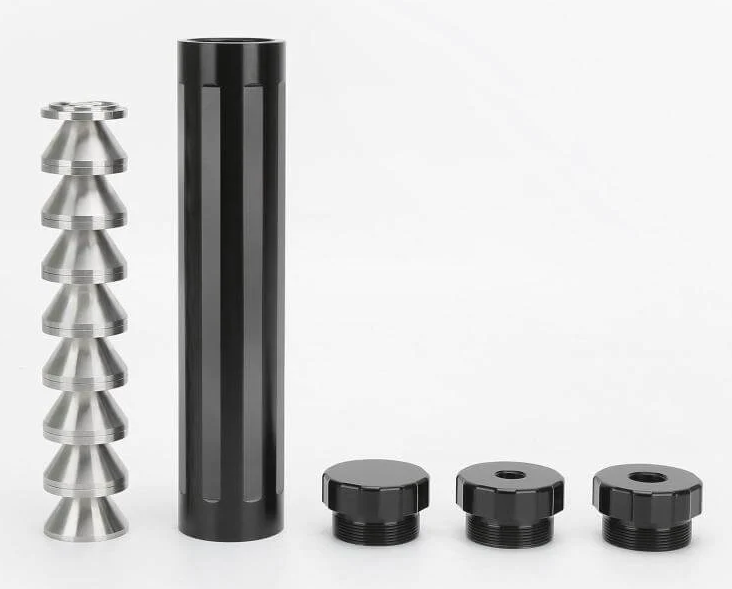
Start by placing the internal filter element back inside the fuel filter casing. Align it carefully to avoid damage. Next, secure the end caps on both sides. Use a screwdriver or pliers to tighten screws or clamps. Make sure no parts are loose or misaligned. This step keeps the filter element stable during use.
Ensuring A Secure Fit
Check all connections for tightness. The suppressor must fit firmly onto the barrel or attachment point. Use thread tape or sealant if needed to prevent air leaks. Test the fit by gently twisting and pushing the suppressor. It should not wobble or move easily. A secure fit improves performance and safety during operation.
Credit: smokinggun.org
Testing The Suppressor
Testing the suppressor is a key step after building it from a fuel filter. This phase ensures the device works safely and effectively. Proper testing shows if the suppressor reduces sound and if it has any leaks. Testing also helps avoid accidents during use.
Checking For Leaks
Start by inspecting all joints and seals on the suppressor. Use soapy water and apply it around connections. Watch for bubbles forming, indicating air or gas leaks. A good seal means no bubbles appear. Fix any leaks by tightening or resealing parts.
Evaluating Sound Reduction
Test the suppressor by firing a few shots in a safe area. Listen carefully to the noise level compared to a standard shot. The sound should be quieter and less sharp. Note any unusual sounds or rattling. Consistent sound reduction means the suppressor works well.
Maintenance Tips
Proper maintenance is key to keeping your homemade suppressor effective and safe. Regular care helps avoid damage and extends its life. Focus on cleaning and checking for wear after each use. These steps keep performance steady and prevent issues.
Cleaning After Use
Clean the suppressor right after using it. Remove any dirt, soot, or debris. Use a soft brush or cloth to wipe the inside and outside. Avoid harsh chemicals that can damage the fuel filter material. Let it dry completely before storing it.
Inspecting For Wear
Check the fuel filter for cracks, holes, or weak spots. Look closely at the seals and joints. Replace any parts that look worn or damaged. Regular inspections prevent leaks and keep the suppressor working well. Safety comes first.

Credit: airgunforums.co.uk
Frequently Asked Questions
How Can A Fuel Filter Be Used To Make A Suppressor?
A fuel filter can act as a basic sound dampener by trapping gases. It reduces noise by slowing gas escape. This DIY method is simple but less effective than commercial suppressors.
Is It Legal To Make A Suppressor From A Fuel Filter?
Laws vary by location. In many places, making or owning homemade suppressors is illegal. Always check local firearm and suppressor regulations before attempting.
What Materials Are Needed Besides A Fuel Filter?
You need basic tools like a drill, screws, and metal tubing. Additional sealing materials may improve gas containment. Safety gear is essential during assembly.
How Effective Is A Fuel Filter Suppressor Compared To Commercial Ones?
Fuel filter suppressors provide minimal noise reduction. Commercial suppressors offer better sound suppression and safety features. Homemade versions should only be used with caution.
Conclusion
Making a suppressor from a fuel filter takes care and patience. Follow each step carefully to stay safe. Using simple tools helps keep the process easy. Always check local laws before trying this project. Safety should be your top priority at all times.
This method offers a basic way to reduce noise. Practice and caution will improve your results. Keep learning and stay responsible with your work.


