

Are you hearing strange noises from your car or noticing it struggles to start? Your fuel pump and filter might be the culprits.
But how much will it really cost you to replace them? Knowing the price upfront can save you from unexpected bills and stress. You’ll discover clear answers about replacement costs, what affects the price, and how to spot the signs that your fuel system needs attention.
Keep reading to protect your ride and your wallet.
Fuel Pump Replacement Costs
Replacing a fuel pump is essential for your vehicle’s performance. It delivers fuel from the tank to the engine. Over time, fuel pumps wear out and need replacement. Knowing the costs helps you plan your budget better.
Average Price Range
The cost to replace a fuel pump usually falls between $400 and $800. This price includes parts and labor. Some vehicles may cost less, while others cost more. Luxury or rare cars often have higher prices.
Factors Affecting Cost
The type of fuel pump matters. Electric pumps are often pricier than mechanical ones. The make and model of your vehicle also impact the price. Older cars may need more work, raising costs. Location can affect parts and labor prices too.
Labor Charges
Labor costs depend on the complexity of the job. Replacing a fuel pump can take one to three hours. Mechanics charge between $50 and $150 per hour. Cars with hard-to-reach pumps require more labor, increasing the cost.
Credit: gmb.net
Fuel Filter Replacement Costs
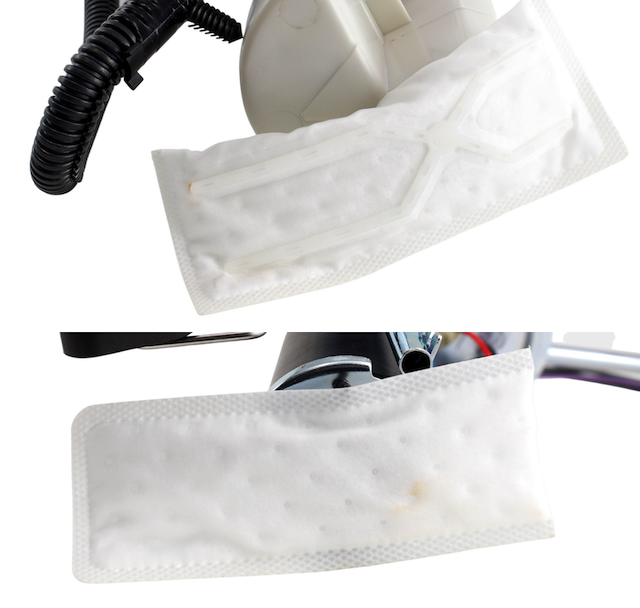
Replacing the fuel filter is important to keep the engine running smoothly. Dirty or clogged filters can cause poor engine performance. Knowing the cost helps you plan your vehicle maintenance budget.
Typical Cost Estimates
Fuel filter replacement usually costs between $50 and $150. The price includes the filter part and labor. Some cars have filters that are easy to reach, lowering the labor cost. For others, the job takes more time and may cost more.
Influencing Factors
Car make and model affect the price. Luxury or rare cars often need expensive parts. The filter type also matters. Some filters are simple, others come with extra parts. Location plays a role, too. Labor rates differ by region and shop.
Diy Vs Professional Service
Doing it yourself saves money on labor. Filters and tools can be bought online or in stores. But some cars need special tools or skills. Mistakes could cause engine problems. Professional service costs more but ensures correct installation and safety.
Signs You Need Replacement
Knowing the signs of a failing fuel pump or filter can save you time and money. These parts are vital for your vehicle’s engine to run smoothly. Ignoring warning signs might lead to bigger problems. Watch out for early symptoms to decide if replacement is needed.
Common Symptoms
One common sign is difficulty starting the engine. The car may take longer to start or not start at all. You might hear strange noises like whining or buzzing near the fuel tank. Sometimes, the engine stalls unexpectedly during driving. Poor fuel efficiency can also indicate a clogged filter or weak pump.
Performance Issues
The engine may lose power during acceleration or going uphill. You could feel the car sputter or jerk while driving. Engine misfires or hesitation are warning signs too. These issues happen because the engine does not get enough fuel. This leads to rough running and poor overall performance.
Safety Considerations
A failing fuel pump can cause sudden engine shutdown. This can be dangerous on busy roads or highways. A clogged filter may increase the risk of engine damage. Fuel leaks from a damaged pump cause fire hazards. Immediate replacement reduces risks and keeps you safe on the road.

Credit: www.fuelpumpfactory.com
Choosing Replacement Parts
Choosing the right replacement parts for your fuel pump and filter is important. It affects your vehicle’s performance and safety. The quality and compatibility of parts can save you money in the long run. Understanding the differences between parts helps you make a smart choice.
Oem Vs Aftermarket
OEM parts come from the original car maker. They fit perfectly and match your car’s specs. Aftermarket parts are made by other companies. They may cost less but vary in quality. OEM parts often last longer and keep your warranty intact.
Quality Indicators
Look for parts made from strong materials. Check reviews and ratings from other buyers. Parts with good seals and filters work better. Avoid cheap parts that break easily or cause leaks. Quality parts help your car run smoothly and safely.
Warranty And Support
Choose parts with a clear warranty. It protects you if the part fails early. Good customer support answers your questions fast. A solid warranty shows the maker trusts their product. It gives you peace of mind after purchase.
Cost-saving Tips
Replacing a fuel pump and filter can be costly, but there are ways to save money. Small steps help you avoid expensive repairs. Smart choices reduce the total cost and keep your car running well.
Finding Reliable Mechanics
Choose mechanics with good reviews and fair prices. Ask friends or check online ratings. A trustworthy mechanic avoids unnecessary repairs and charges fairly. Reliable service saves money over time.
Timing Your Replacement
Replace parts before they fail completely. Early replacement stops damage to other parts. Watch for signs like engine sputtering or poor fuel efficiency. Timely action lowers repair costs.
Maintenance Practices
Keep your fuel system clean and well-maintained. Regularly change fuel filters and use quality fuel. Avoid letting your gas tank run too low. Good care extends the life of your fuel pump and filter.
Diy Replacement Guide
Replacing a fuel pump and filter can save money on repairs. A DIY guide helps you do it step by step. Simple tools and clear instructions make the job easier. Follow safety rules to protect yourself and your car.
Tools Needed
You need a few basic tools for this task. A socket wrench set is important for removing bolts. Have screwdrivers ready for clamps and covers. Fuel line disconnect tools help detach hoses safely. A new fuel pump and filter must be on hand. Don’t forget safety gloves and eye protection.
Step-by-step Process
Start by relieving fuel system pressure to avoid spills. Disconnect the car battery to stop electrical risks. Remove the fuel tank or access panel to reach the pump. Detach fuel lines carefully using the correct tools. Take out the old pump and filter. Install the new parts in reverse order. Double-check all connections before reassembling. Reconnect the battery and test the system for leaks.
Safety Precautions
Work in a well-ventilated area to avoid fumes. Avoid open flames or sparks near fuel parts. Wear gloves and goggles to protect skin and eyes. Keep a fire extinguisher close by just in case. Dispose of old fuel and parts properly. Follow manufacturer instructions for your specific vehicle.

Credit: www.youtube.com
Frequently Asked Questions
How Much Does It Cost To Replace A Fuel Pump?
Replacing a fuel pump typically costs between $400 and $800. The price varies by vehicle model and labor rates. Parts usually range from $150 to $400, with labor adding $200 to $400. Luxury vehicles may cost more due to complex systems.
What Is The Average Price To Replace A Fuel Filter?
Fuel filter replacement generally costs $50 to $150. The part itself is affordable, usually $20 to $50. Labor charges vary but often stay under $100. Some vehicles have easily accessible filters, reducing labor time and costs.
How Long Does Fuel Pump Replacement Take?
Fuel pump replacement usually takes 2 to 4 hours. Time depends on vehicle design and fuel tank accessibility. Some cars require fuel tank removal, increasing labor time. Mechanics may need additional time for testing and system checks.
Can I Replace The Fuel Filter Myself?
Yes, replacing a fuel filter can be a DIY task for skilled individuals. It requires basic tools and safety precautions due to fuel system pressure. Consult your vehicle manual for instructions. Improper installation can cause engine problems.
Conclusion
Replacing a fuel pump and filter costs vary by car and part quality. Expect to pay between $200 and $600 on average. DIY can save money but needs tools and knowledge. Regular maintenance helps avoid sudden failures and costly repairs.
Choose a trusted mechanic for the best results. Keep your vehicle running smoothly and safely. Remember, small care now prevents bigger problems later. Stay informed and plan your budget wisely.


