

Thinking about giving your car a fresh new look with a vinyl wrap? You’re probably wondering, “How much will it cost to wrap my car in vinyl?” It’s a smart question because knowing the price upfront helps you plan better and avoid surprises.
Whether you want a full color change, a custom design, or just a protective layer, the cost can vary a lot. You’ll discover the real factors that affect the price and learn how to get the best value for your money.
Keep reading to find out exactly what you need to know before wrapping your car.
Factors Affecting Vinyl Wrap Cost
Several factors influence the cost of wrapping a car in vinyl. Each element adds to the final price. Understanding these can help you plan your budget better.
Vehicle Size And Type
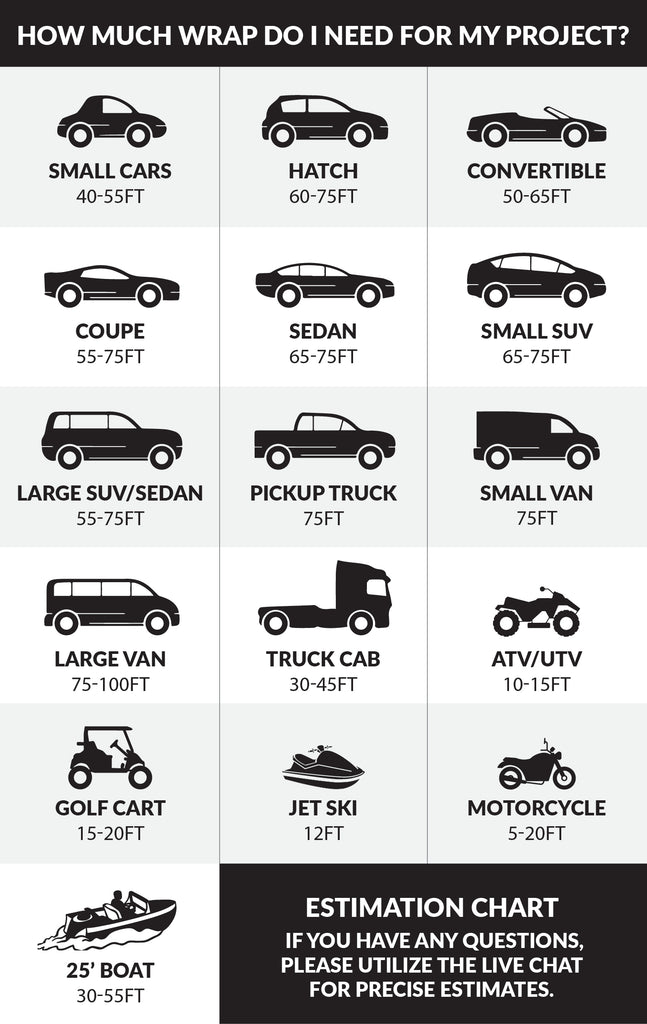
Bigger vehicles need more vinyl material. More material means higher costs. Truck or SUV wraps cost more than small cars. Curved or uneven surfaces require extra work. This also raises the price.
Quality Of Vinyl Material
Vinyl comes in different grades and finishes. High-quality vinyl lasts longer and looks better. Premium materials cost more upfront. Cheaper vinyl can save money but may fade or peel sooner.
Complexity Of Design
Simple colors cost less to wrap. Custom designs with multiple colors or patterns need more effort. Complex graphics require precise cutting and alignment. This increases both time and price.
Labor Charges
Experienced installers charge higher fees. Skilled labor ensures a smooth, bubble-free finish. Labor costs vary by location and shop reputation. Longer jobs with tricky surfaces raise charges too.
Additional Services
Services like paint protection or surface prep add to cost. Removing old wraps or decals takes extra time. Some shops offer warranties or aftercare packages. These extras affect the total price.

Credit: www.jdpower.com
Cost Breakdown By Vehicle Size
Vinyl car wrap costs vary mainly by vehicle size. Bigger vehicles need more material and work. This raises the total price. Understanding cost differences helps you plan your budget well.
Compact Cars
Compact cars are the smallest to wrap. They usually cost less because they need less vinyl. Expect prices from $1,500 to $2,500. Small cars take less time to finish, saving labor costs too.
Sedans And Suvs
Sedans and SUVs are medium-sized vehicles. They require more vinyl than compact cars. Prices typically range from $2,000 to $3,500. SUVs might cost slightly more due to their shape and size.
Trucks And Vans
Trucks and vans are large vehicles. They use a lot of vinyl and need more work. Wrapping these can cost between $3,000 and $5,000. The price depends on the vehicle’s size and design complexity.
Luxury And Specialty Vehicles
Luxury and specialty vehicles need expert care. These wraps use premium materials and detailed work. Costs often start at $4,000 and go higher. The value of the vehicle also affects the price.
Types Of Vinyl Wraps And Pricing
Vinyl wraps come in various types, each with unique looks and costs. Choosing the right wrap depends on your style and budget. Understanding these options helps decide how much to spend on wrapping your car.
Standard Glossy Wraps
Standard glossy wraps give a shiny, smooth finish like new paint. These wraps are popular and affordable. They cost less than other types but still protect the car’s surface well. Most car wraps fall in this category.
Matte And Satin Finishes
Matte wraps have no shine and create a flat look. Satin finishes are between glossy and matte, with slight sheen. These wraps look modern and stylish. They usually cost more than standard glossy wraps due to special materials.
Carbon Fiber And Textured Wraps
Carbon fiber wraps mimic the look of real carbon fiber. Textured wraps can feel rough or patterned to add depth. These wraps are more expensive because they need detailed work and special films. They offer a unique, sporty look.
Custom Graphics And Full-color Prints
Custom wraps show detailed designs, logos, or full-color images. They require digital printing and expert installation. These wraps are the most costly but allow full personalization. Perfect for businesses or those wanting a standout car.
Credit: www.carlawrap.com
Diy Vs Professional Wrapping Costs
Deciding between DIY and professional car vinyl wrapping affects your budget. Each option has different costs and benefits. Understanding these can help you choose the best method for your car and wallet.
Materials And Tools For Diy
DIY car wrapping needs specific materials and tools. You must buy vinyl wrap sheets, squeegees, heat guns, and knives. High-quality vinyl costs more but lasts longer. Tools can add up to a significant expense. Buying everything may cost $200 to $600. This price depends on car size and vinyl quality.
Risks And Challenges
DIY wrapping has many risks. Wrapping requires skill and patience. Mistakes like air bubbles or wrinkles happen easily. Removing and reapplying vinyl wastes material and time. Poor installation can damage car paint. Fixing errors might cost more than hiring a pro. It takes hours or days to finish a full wrap.
Benefits Of Professional Installation
Professionals have experience and proper tools for vinyl wrapping. They work faster and create smooth, flawless results. Quality wraps last longer and protect your car paint. Professionals offer warranties and fix issues if needed. Though more costly, professional services often cost $1,500 to $3,500. This price covers labor, materials, and expertise. It reduces stress and ensures a beautiful finish.
Additional Expenses To Consider
Wrapping a car in vinyl involves more than just the price of the wrap itself. Extra costs can add up and affect your budget. Knowing these additional expenses helps you plan better.
Paint Protection Films
Paint protection films (PPF) shield your car’s paint from scratches and chips. They cost extra but keep your car looking new longer. Some people add PPF before wrapping to protect the paint beneath. This can raise the total price but adds value.
Wrap Removal Costs
Removing an old wrap is not free. Professionals charge for safe removal to avoid paint damage. Costs depend on wrap size and how long it stayed on. Budget for removal if you plan to change or update your wrap later.
Repairs And Surface Preparation
Surface preparation is key for a smooth wrap finish. Small dents, scratches, or rust spots need repair before wrapping. These repairs cost extra but prevent problems with wrap adhesion. Clean, smooth surfaces make the wrap last longer and look better.
Credit: metrorestyling.com
Ways To Save On Vinyl Wraps
Vinyl wraps can transform your car’s look without a big cost. Saving money on vinyl wraps is possible with smart choices. You can keep your car fresh and stylish without spending too much. Here are some ways to save on vinyl wraps.
Seasonal Discounts And Promotions
Many shops offer discounts at certain times of the year. Holidays and end-of-season sales often have good deals. Checking for promotions can reduce your total cost. Booking during these sales helps you get a quality wrap for less.
Choosing Partial Wraps
Full wraps cover the entire car and cost more. Partial wraps cover only parts like the hood or roof. Partial wraps save money and still change the car’s look. Focus on areas that need the most change or are most visible.
Selecting Cost-effective Materials
Vinyl comes in different types and prices. High-end vinyl looks great but costs more. Choosing mid-range vinyl can balance quality and price well. Ask your installer about durable, affordable options that fit your budget.
Trends In Car Wrapping For 2025
Car wrapping trends for 2025 focus on style, sustainability, and ease. More drivers want unique looks that last long and help the environment. New materials and techniques make wraps better and simpler to install. These trends affect how much it costs to wrap a car in vinyl.
Eco-friendly Materials
Vinyl wraps now use eco-friendly materials. These include biodegradable and recyclable films. They reduce pollution and waste from old wraps. Many brands offer wraps made with less harmful chemicals. This change helps protect the planet while keeping cars stylish.
Innovative Finishes
New finishes bring fresh looks to car wraps. Matte, satin, and gloss finishes remain popular. Chrome and color-shift wraps gain more fans. Textured wraps, like leather or carbon fiber, add depth. These finishes change how a car stands out on the road.
Technological Advances In Installation
Installation technology improves speed and quality. Heat-free and air-release films reduce bubbles and wrinkles. Tools now help installers place wraps more precisely. This results in smoother surfaces and fewer errors. Faster installs can lower the overall price of wrapping.
Frequently Asked Questions
How Much Does A Full Car Vinyl Wrap Cost?
A full car vinyl wrap typically costs between $2,000 and $5,000. The price depends on the vehicle size, wrap quality, and complexity of the design. Higher-end materials and custom graphics can increase the cost. Labor charges also vary by location and installer experience.
What Factors Affect Vinyl Car Wrap Pricing?
Pricing depends on vehicle size, wrap type, and design complexity. Larger vehicles require more material, increasing costs. Specialty finishes like matte or chrome are pricier. Detailed graphics need more labor, raising price. Installer skill and location also influence the final cost.
Can I Wrap My Car Myself To Save Money?
DIY wrapping can save money but requires skill and tools. Mistakes may cause bubbles or peeling, affecting appearance. Professional installation ensures a smooth, durable finish. Beginners should consider the learning curve and potential additional costs for corrections.
How Long Does A Vinyl Car Wrap Last?
Vinyl car wraps generally last 5 to 7 years with proper care. Exposure to sun and harsh weather can reduce lifespan. Regular cleaning and avoiding abrasive materials help maintain the wrap’s appearance and durability over time.
Conclusion
Car vinyl wrap costs depend on size, material, and design. Small cars cost less than larger vehicles. Simple colors or patterns usually cost less than complex designs. Installation quality affects price and final look. Vinyl wrap protects paint and can change your car’s style.
Choose a trusted professional for the best results. Plan your budget carefully to avoid surprises. A vinyl wrap offers a fresh look without a full paint job. Consider all costs before making a decision.


