

Thinking about wrapping your truck but not sure how much vinyl you actually need? You’re not alone.
Getting the right amount of vinyl is key to avoiding extra costs and frustrating delays. Too little, and you’ll have gaps or seams that look messy. Too much, and you’ll waste money on material you don’t need. You’ll discover simple tips and clear calculations to figure out exactly how much vinyl will cover your truck perfectly.
Keep reading to save time, money, and get that flawless finish you want.
Measuring Your Truck
Measuring your truck is the first step to know how much vinyl you need for wrapping. Accurate measurements help avoid wasting material and extra costs. Take your time to measure all parts carefully for the best results.
Key Dimensions To Measure
Measure the length of your truck from front to back. Note the height from the ground to the roof. Check the width including mirrors, if you plan to wrap them. Don’t forget the doors, hood, roof, and tailgate areas. Each part adds to the total vinyl needed.
Tools You’ll Need
Use a tape measure for the best accuracy. A measuring wheel works well for large trucks. Carry a notebook to write down your numbers. A helper can make measuring faster and easier. A ladder might be needed for high spots.
Tips For Accurate Measurement
Measure twice to avoid mistakes. Write down each dimension clearly. Measure in inches or centimeters, but stay consistent. Keep the tape measure straight, not curved. Check angles and curves separately. Add extra length for overlaps and errors.
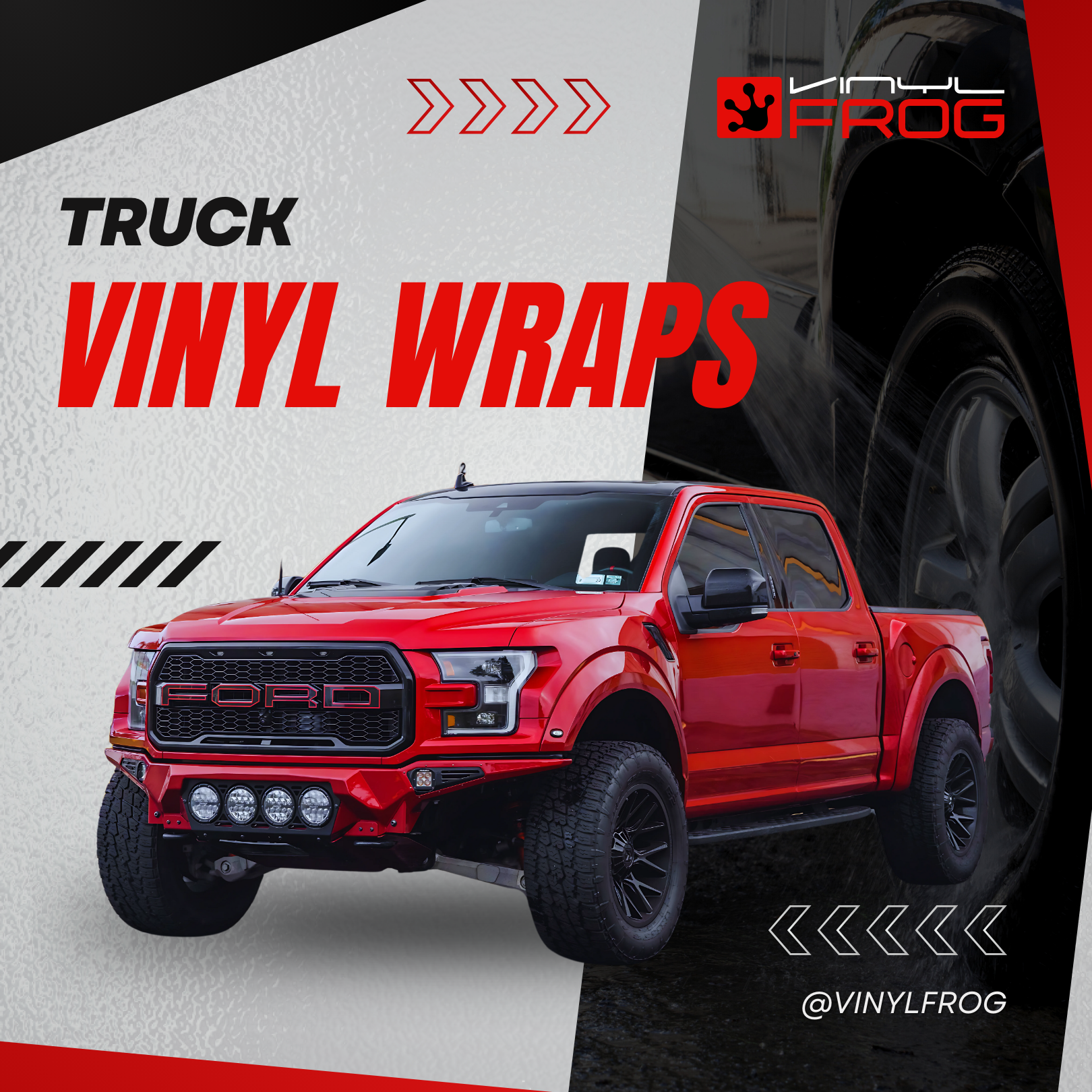
Credit: www.vinylfrog.com
Calculating Vinyl Requirements
Calculating the amount of vinyl needed to wrap a truck is crucial for a smooth project. Knowing the right quantity helps avoid extra costs and delays. It also ensures the wrap fits perfectly and looks professional. This section breaks down how to measure and estimate your vinyl needs accurately.
Estimating Surface Area
Start by measuring the truck’s length, width, and height. Include doors, hood, roof, and tailgate in your calculations. Multiply these dimensions to find the total surface area. Don’t forget to add smaller parts like mirrors and bumpers. These details affect the total vinyl amount required.
Accounting For Overlaps And Waste
Vinyl wrapping needs extra material for overlaps and trimming. Add at least 10-15% more vinyl to your estimate. This extra ensures you have enough for mistakes or adjustments. Cutting and fitting often cause some waste. Planning for this helps avoid running short of vinyl.
Considering Different Truck Sizes
Small trucks need less vinyl than larger models. A compact pickup might require around 50-70 square feet. Larger trucks or those with extended cabs need over 100 square feet. Always check your truck’s exact measurements before buying vinyl. Accurate sizing saves money and keeps the wrap neat.
Choosing Vinyl Material
Estimating vinyl needed depends on your truck’s size and shape. Measure length, height, and curves carefully. Always add extra for mistakes and overlaps.
Selecting the right vinyl for wrapping a truck is important. The material affects the look, durability, and cost of the wrap. Different vinyl types offer different finishes and strengths. Knowing these options helps you pick the best fit for your truck.
Consider how long you want the wrap to last and the style you want. Some vinyls are easier to install and remove. Others provide better protection against weather and wear. Understanding these factors makes your choice clearer.
Types Of Vinyl Wraps
There are two main types of vinyl wraps: cast and calendared. Cast vinyl is thin and flexible. It fits curves and bends well. It lasts longer and resists fading. Calendared vinyl is thicker and less flexible. It works for flat surfaces but may peel on curves. Cast vinyl is better for trucks with many shapes.
Durability And Finish Options
Vinyl wraps come in many finishes. Glossy finishes shine and catch attention. Matte finishes offer a smooth, flat look. Satin finishes sit between glossy and matte. Durability varies by material and finish. Cast vinyl lasts up to ten years. Calendared vinyl lasts around five years. Choose a finish that matches your style and needs.
Cost Implications
Vinyl costs vary by type and quality. Cast vinyl is pricier but lasts longer. Calendared vinyl is cheaper but less durable. Finishes like matte or satin may cost more than basic gloss. Also, textured vinyls add to the price. Budget for installation costs too. Good vinyl saves money by avoiding early replacement.
Planning The Wrap Layout
Planning the wrap layout is a key step before wrapping a truck. It helps estimate how much vinyl is needed. Good planning saves time and reduces waste. It also ensures the design fits the truck perfectly.
Breaking the truck into smaller parts makes the process easier. Knowing how to handle curves and edges keeps the wrap smooth. Proper design placement makes the wrap look professional and clean.
Paneling And Sections
Divide the truck into panels like doors, hood, and sides. Measure each panel separately for accurate vinyl sizing. Cutting vinyl in sections helps avoid bubbles and wrinkles. It also makes installation faster and neater. Plan panels to match the truck’s natural lines.
Handling Curves And Edges
Curves and edges need extra vinyl for stretching and wrapping. Add 10-15% more vinyl around these areas. Use heat to mold vinyl smoothly over curves. Avoid tight folds or sharp creases. Proper handling prevents peeling and damage over time.
Design Placement Tips
Place designs on flat or gently curved sections for best visibility. Avoid areas with door handles or seams. Keep important parts of the design clear of edges. Align patterns to flow with the truck’s shape. This improves overall look and durability.
Common Wrapping Challenges
Wrapping a truck requires more than just measuring vinyl. Several challenges can affect the final look and durability of the wrap. Understanding these common issues helps prepare better and avoid costly mistakes. Here are key challenges you might face during the wrapping process.
Dealing With Complex Surfaces
Truck surfaces often have curves, edges, and corners. These areas are tricky to cover smoothly. Wrapping vinyl must stretch without tearing or losing color. Careful cutting and stretching are essential to fit these shapes perfectly. Small sections of vinyl often work better than one large piece.
Avoiding Air Bubbles And Wrinkles
Air bubbles and wrinkles spoil the smooth look of a wrap. They form when the vinyl is not applied flat. Using a squeegee to push air out helps prevent bubbles. Wrinkles appear if the vinyl stretches too much or folds. Patience and slow application reduce these problems.
Temperature And Environmental Factors
Temperature affects how vinyl behaves during installation. Cold weather makes vinyl stiff and hard to stretch. Heat softens vinyl but can cause it to become too sticky. Dust and wind also interfere with smooth application. Wrapping in a clean, temperature-controlled space works best.
Tools And Accessories
Wrapping a truck with vinyl needs more than just the vinyl itself. The right tools and accessories make the process easier and give better results. These tools help apply the vinyl smoothly and prevent damage during installation. Understanding what you need saves time and avoids frustration.
Essential Wrapping Tools
Start with a squeegee to push out air bubbles. A heat gun softens the vinyl for tight curves and corners. Use a sharp utility knife to cut the vinyl cleanly. Measuring tape helps check the size before cutting. A pair of gloves protects your hands and keeps the vinyl clean.
Cleaning And Surface Prep Materials
Clean surfaces hold vinyl better. Use isopropyl alcohol to remove dirt, grease, and wax. Microfiber cloths help wipe the truck without scratching. Avoid soap or water as they leave residues. Proper cleaning stops bubbles and peeling later.
Finishing And Trimming Tools
After applying the vinyl, trim extra material with a precision knife. Use edge rollers for tight edges and corners. A soft cloth helps press down edges gently. These tools give a neat, professional look. They keep the vinyl secure for a long time.
Estimating Costs And Budgeting
Estimating the cost of wrapping a truck helps you plan your budget well. Knowing the expenses avoids surprises during the project. Costs vary depending on truck size, material, and labor choices. Breaking down each cost helps you understand where your money goes.
Vinyl Pricing Breakdown
Vinyl prices depend on quality and brand. Basic vinyl can cost around $2 to $4 per square foot. Premium vinyl may cost $5 to $8 per square foot. Glossy, matte, or specialty finishes can affect the price. Calculate the total square feet of your truck to estimate material cost.
Labor Vs Diy Costs
Hiring a professional costs more but ensures a perfect finish. Labor charges can range from $1,000 to $3,000 depending on truck size. Doing it yourself saves money but requires time and skill. Mistakes during DIY may lead to extra expenses. Choose based on your budget and confidence level.
Additional Expenses To Consider
Other costs include cleaning, prep work, and tools. You may need a heat gun, squeegees, and knives for installation. Removing old wrap or paint can add to the cost. Warranty and maintenance expenses should also be part of your budget. Plan for these costs to avoid overspending.

Credit: raxtify.com
Professional Wrapping Services
Professional wrapping services offer a reliable way to cover your truck with vinyl. Experts handle the entire process from measuring to applying the wrap. They ensure the vinyl fits perfectly and lasts longer. Hiring professionals saves time and reduces the risk of mistakes. It also gives your truck a clean and smooth finish.
When To Hire Experts
Choose experts if you lack experience with vinyl wraps. Large trucks need precise measurements and skill. DIY wrapping can cause bubbles, wrinkles, or peeling. Professionals avoid these issues and deliver quality results. Complex designs or full wraps require expert handling. Time is another factor; professionals complete jobs quickly.
Choosing The Right Service Provider
Look for providers with good reviews and experience. Check their portfolio for similar truck wraps. Ask about the vinyl brands they use. High-quality vinyl lasts longer and resists weather better. Compare prices but focus on value, not just cost. A reliable provider will explain the process clearly.
What To Expect From Professionals
Professionals start by measuring your truck accurately. They prepare the surface by cleaning and smoothing it. Application happens in a dust-free, controlled environment. Experts use tools to remove air bubbles and wrinkles. The final inspection ensures the wrap fits well. They also provide care tips for the vinyl wrap.

Credit: metrorestyling.com
Frequently Asked Questions
How Much Vinyl Is Needed For A Full Truck Wrap?
Typically, a full truck wrap requires 50 to 75 square feet of vinyl. This depends on your truck’s size and model. Always measure your vehicle carefully before purchasing vinyl for an accurate estimate.
Can I Use Less Vinyl For A Partial Truck Wrap?
Yes, partial wraps use less vinyl, usually around 25 to 40 square feet. This covers specific truck areas, saving costs while still enhancing appearance or branding.
What Factors Affect Vinyl Quantity For Truck Wraps?
Truck size, wrap design complexity, and extra material for errors impact vinyl quantity. Larger trucks and intricate designs require more vinyl to ensure full coverage and proper installation.
How Do I Calculate Vinyl Needed For Custom Truck Wraps?
Measure your truck’s length, width, and height. Multiply these to get the surface area. Add 10-15% extra vinyl for overlaps and mistakes during installation.
Conclusion
Wrapping a truck needs careful vinyl measurement. Measure length, width, and height of the truck. Add extra vinyl for curves and errors. Buy a little more than your calculation. This helps avoid running short during wrapping. Choose good quality vinyl for lasting results.
Proper preparation and tools make the job easier. Take your time and work step by step. This way, your truck wrap looks neat and smooth. Accurate vinyl amount saves money and effort. Ready to start your truck wrapping project?


