

Are you thinking about giving your car a fresh new look with a vinyl wrap? One of the biggest questions you might have is: How much vinyl do you actually need to cover your car?
Getting the right amount is key. Too little means unfinished work and delays, while too much could mean wasted money. You’ll find simple, clear answers to help you measure and calculate exactly how much vinyl is needed. By the end, you’ll feel confident about starting your car wrap project without any guesswork.
Keep reading to make sure your car looks perfect from every angle.

Credit: www.carlawrap.com
Factors Affecting Vinyl Quantity
Knowing how much vinyl you need starts with understanding key factors. These factors affect the total amount of vinyl wrap required for your car. They include the size of your car, the design you want, and the wrap coverage you choose. Each factor changes the vinyl quantity needed.
Car Size And Model
The size of your car is the main factor in vinyl calculation. Bigger cars like SUVs or trucks need more vinyl than small cars. Different car models have unique shapes and curves. These shapes affect how much vinyl you need. Some cars have hard-to-wrap areas that require extra vinyl for smooth coverage.
Design Complexity
Simple designs need less vinyl than complex ones. Patterns with many colors or shapes might need more material. Overlapping and cutting parts of the design can increase waste. Detailed designs require careful work and more vinyl for mistakes or adjustments.
Wrap Coverage Options
Wrap coverage varies from partial to full car wraps. A full wrap covers the entire vehicle and uses the most vinyl. Partial wraps cover sections like the hood or doors and need less vinyl. Spot or accent wraps require even less material. Your choice affects the total vinyl needed for the project.
Measuring Your Car
Measuring your car correctly is the first step in wrapping it with vinyl. Accurate measurements help you buy the right amount of vinyl. Avoid buying too much or too little material. Taking careful measurements saves time and money. It also ensures a smooth wrapping process without interruptions.
Taking Accurate Dimensions
Start by measuring the length, width, and height of your car. Use a tape measure for best results. Measure each side of the car separately. Include the doors, roof, hood, and trunk. Write down every measurement clearly. Double-check to avoid mistakes. Accurate numbers are key to a perfect wrap.
Calculating Surface Area
Next, calculate the total surface area of your car. Multiply the length by the width for each part. Add up all the areas you measured. This gives an estimate of the vinyl needed. Remember, surface area is not the same as car size. It shows how much vinyl covers the car’s shape.
Accounting For Curves And Contours
Curves and bumps add extra surface area. They require more vinyl than flat surfaces. Add at least 10-15% more vinyl for these areas. This extra material helps cover tricky spots fully. Wrapping curves without enough vinyl causes bubbles or tears. Plan ahead to wrap every curve smoothly.
Vinyl Roll Sizes And Types
Choosing the right vinyl roll size and type is key for a smooth car wrap. Knowing these details helps avoid waste and extra costs. Vinyl wraps come in different widths and lengths. Types vary by quality and use. Understanding these options lets you pick the best fit for your vehicle.
Standard Vinyl Roll Dimensions
Vinyl rolls usually come in widths of 24, 48, 50, or 60 inches. Lengths range from 10 to 100 feet. Most car wraps use rolls about 50 to 60 inches wide. This width fits large panels without seams. Shorter rolls suit smaller vehicles or partial wraps. Measure your car carefully to estimate how much vinyl you need.
Choosing Between Cast And Calendered Vinyl
Cast vinyl is thin and flexible. It stretches well around curves and edges. It lasts longer and resists fading. Cast vinyl costs more but offers a smooth finish. Calendered vinyl is thicker and less flexible. It suits flat surfaces or short-term wraps. It is cheaper but may peel or bubble on curves. Pick cast vinyl for full wraps and calendered for simple jobs.
Specialty Vinyl Options
Specialty vinyl includes textured, metallic, and carbon fiber styles. These add unique looks to your vehicle. Some types come with air-release technology. This helps prevent bubbles during installation. Others have extra protection against scratches and UV rays. Specialty vinyl often costs more. Choose it if you want a custom appearance or extra durability.
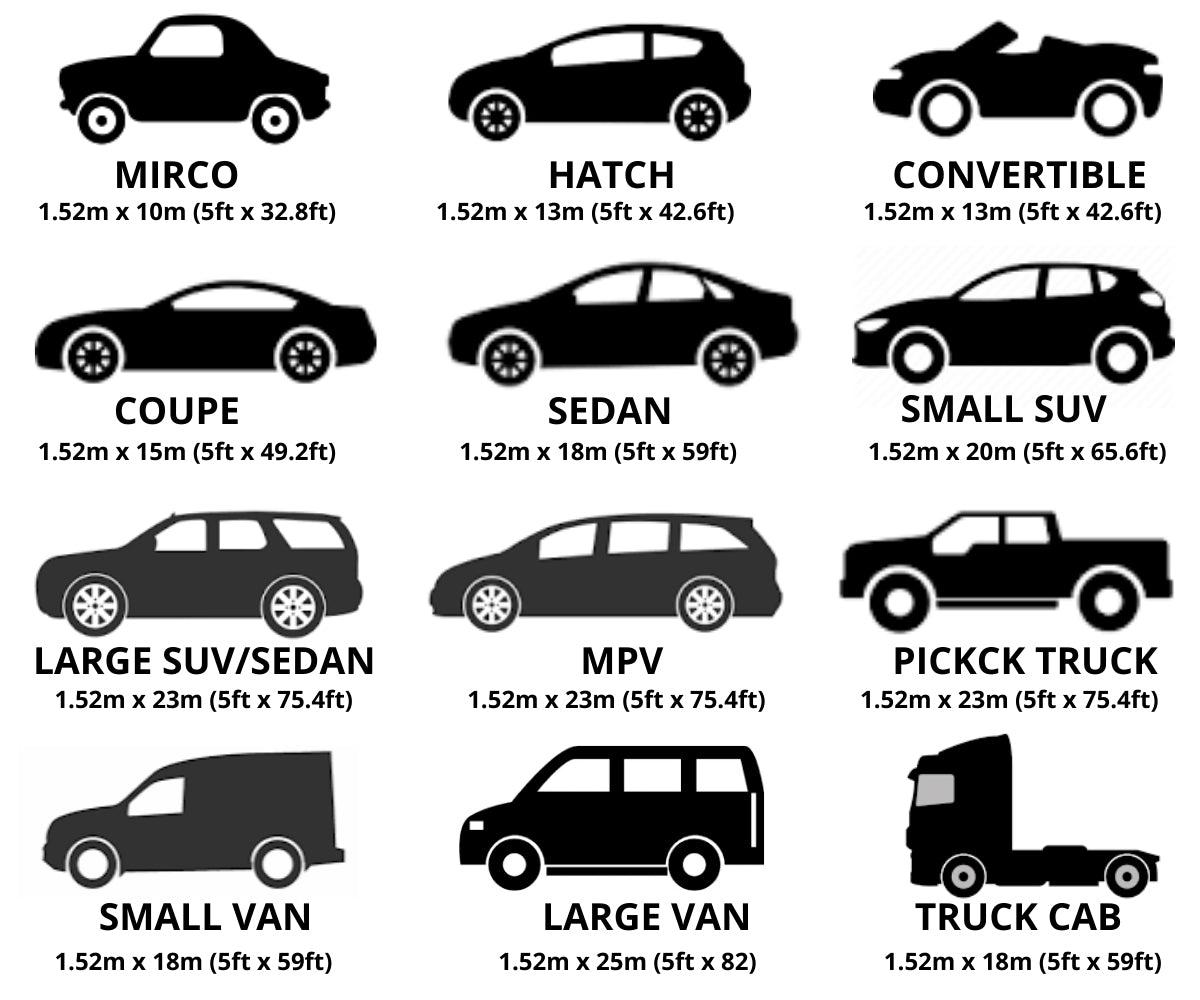
Credit: carlikewrap.com
Estimating Vinyl Required
Estimating the amount of vinyl needed to wrap a car is key for a smooth project. Too little vinyl means stopping mid-way. Too much vinyl wastes money. Knowing how to measure vinyl correctly saves time and effort. This guide breaks down simple methods to calculate your vinyl needs.
Basic Calculation Methods
Start by measuring your car’s surface. Measure length, width, and height of each section. Add all the measurements to find total area in square feet. Most cars need around 100 to 200 square feet of vinyl. Use this total area as a base for your vinyl amount.
Adjusting For Waste And Errors
Vinyl wrapping involves cutting and trimming. Some vinyl will be wasted due to mistakes or curves. Add 10% to 20% more vinyl for errors and overlaps. This extra vinyl covers small miscalculations and tricky parts. It prevents running out of material during the wrap.
Using Online Calculators
Online vinyl calculators simplify the process. Enter your car’s make and model or measurements. The tool estimates the needed vinyl based on your input. These calculators include waste allowances automatically. They save time and reduce guesswork for beginners.
Tips To Optimize Vinyl Usage
Using vinyl efficiently saves money and reduces waste. Proper planning and care help stretch the material further. These tips guide you to use vinyl smartly for your car wrap project.
Planning The Layout
Measure your car carefully before buying vinyl. Sketch the car’s main parts on paper. Plan how to place each vinyl piece. This helps avoid buying extra vinyl. Cut pieces according to your plan. Keep some extra material for mistakes or repairs.
Minimizing Overlaps And Seams
Align vinyl pieces closely to reduce overlaps. Too many seams make the wrap look messy. Use the right tools to cut precise edges. Smooth out bubbles and wrinkles as you apply. Overlaps should be small but strong enough to stick well. This creates a clean, seamless look.
Proper Handling And Storage
Store vinyl rolls in a cool, dry place. Avoid direct sunlight and dust. Handle the vinyl with clean hands or gloves. Keep the roll tight to prevent creases. Unroll only the amount you need. Proper care keeps vinyl flexible and ready to use.
Common Mistakes To Avoid
Wrapping a car with vinyl can be rewarding but tricky. Many people make mistakes that cost time and money. Knowing what to avoid helps you get better results. Here are common mistakes to watch out for when estimating vinyl needs and preparing your car.
Underestimating Material Needs
Buying too little vinyl is a common error. Cars have curves and edges that require extra vinyl. Always add extra material for mistakes and overlaps. Cutting corners on vinyl can ruin the wrap. Better to have more than run out halfway.
Ignoring Surface Preparation
Skipping cleaning or fixing dents causes poor vinyl adhesion. Dirt and grease stop the vinyl from sticking well. Small bumps or scratches show through the wrap. Prepare the surface carefully for smooth results. Good prep saves effort later.
Overlooking Environmental Factors
Wrapping outdoors on hot or cold days affects vinyl performance. Heat can stretch the vinyl too much. Cold makes it stiff and hard to apply. Dust and wind cause dirt to get under the wrap. Choose calm, moderate weather for the job.
Cost Implications
Knowing the cost of vinyl wrap helps plan your budget well. The total price depends on the amount of vinyl needed and other expenses. Costs can rise with extra supplies or professional services. Understanding these factors gives clear insight into your car wrap project.
Cost varies by vinyl quality and size. Small mistakes can add up quickly. Planning carefully keeps costs low and results great.
Price Per Square Foot
Vinyl wrap prices usually range from $2 to $5 per square foot. Higher quality vinyl costs more but lasts longer. The total square footage depends on your car’s size and shape. Larger cars need more vinyl, which increases the price. Some designs or colors may cost extra too.
Additional Supplies And Tools
Besides vinyl, you need tools like squeegees, heat guns, and knives. These help apply vinyl smoothly and avoid bubbles. You might also buy cleaning products to prep the car surface. These supplies add $50 to $150 to the project. Buying good tools helps get a better finish.
Professional Vs Diy Wrapping
Professional wrapping costs more but offers expert results. Shops charge $2,000 to $5,000 depending on car size and design. They provide warranty and fix mistakes. DIY wrapping saves money but needs time and skill. Mistakes can waste vinyl and increase costs. Choose based on budget, skill, and time available.
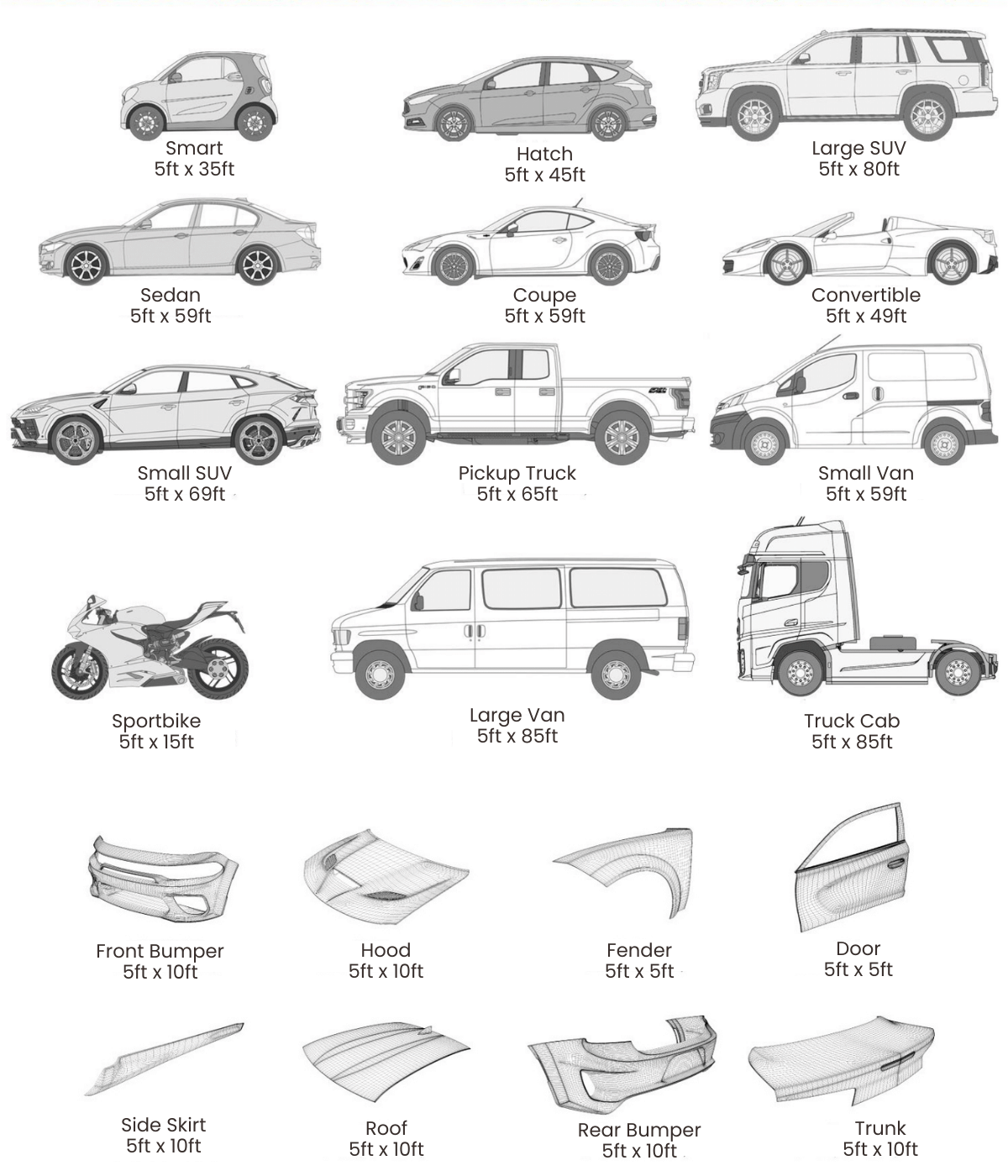
Credit: yeswrap.com
Where To Buy Vinyl Wrap
Finding the right place to buy vinyl wrap is key for a successful car wrap project. Quality vinyl ensures good results and long-lasting coverage. Choosing a reliable source saves time and money.
Trusted Online Retailers
Many people buy vinyl wrap from online stores. These sites offer wide color and texture choices. Reviews help check product quality. Shipping is fast to most areas. Prices often stay low due to competition. Some sites offer samples before buying. Easy returns add safety to purchases.
Local Suppliers And Installers
Local shops let you see vinyl before buying. Staff can give advice on best materials. You can get help with installation too. Buying locally avoids shipping delays. Some installers include vinyl in their service cost. Supporting local businesses keeps your community strong.
Custom Vinyl Printing Services
Custom printing allows unique designs on your wrap. Perfect for branding or personal style. Many companies print your image on quality vinyl. Choose size and finish for your needs. Custom wraps stand out on the road. Check reviews and samples before ordering.
Frequently Asked Questions
How Much Vinyl Wrap Covers An Average Car?
An average car requires about 50 to 75 square feet of vinyl wrap. This estimate covers the entire vehicle, including doors, hood, and roof. The exact amount depends on the car’s size and shape. Always buy a little extra for mistakes or complex areas.
Can I Wrap My Car With Less Vinyl?
Using less vinyl is possible for partial wraps or accents. However, full car wraps need sufficient vinyl to cover every surface. Insufficient vinyl can lead to visible seams or uncovered spots. Measure carefully and buy enough material to avoid issues.
What Factors Affect Vinyl Wrap Quantity Needed?
Factors include car size, shape, and wrap type. Larger vehicles need more vinyl, while complex shapes require extra for curves. Matte or textured wraps might need additional material for proper installation. Always consider these to estimate the right amount.
How To Measure My Car For Vinyl Wrap?
Measure each panel’s length and width separately. Add extra length for curves and overlaps. Include doors, hood, roof, and bumpers in your measurements. Summing all these will give you a better estimate of vinyl needed.
Conclusion
Calculating vinyl for your car wrap is simple with the right steps. Measure your vehicle’s surface carefully for the best fit. Always add extra material for mistakes or curves. This helps avoid running out mid-project. Choosing the correct amount saves time and money.
Take your time to plan before buying vinyl. This way, your car wrap looks smooth and neat. Wrapping your car becomes easier and more fun. Just remember, good preparation leads to great results.
