
Have you ever noticed those slim strips running along the sides of some cars and wondered what they do? That’s body side molding, and it plays a bigger role than you might think.
Not only does it protect your car from dings and scratches, but it can also boost its overall look. If you want to keep your car looking sharp and avoid costly repairs, understanding body side molding is a smart move.
Keep reading, and you’ll discover why this simple feature matters for your car’s style and safety.
Body Side Molding Basics
Body side molding is a small but important part of a car. It runs along the sides of the vehicle. Many drivers overlook it, but it serves useful roles. This section explains the basics of body side molding. You will learn what it does, what it is made of, and the types available.
Purpose And Function
Body side molding protects the car from minor damage. It guards against scratches and dents from doors or shopping carts. This helps keep the car’s paint and bodywork in good shape. Moldings also add a decorative touch, enhancing the car’s look. Some moldings improve aerodynamics, which can help with fuel efficiency. Overall, they combine style and protection.
Common Materials Used
Most body side moldings are made from plastic or rubber. These materials absorb impacts well. They resist weather and sunlight damage. Some moldings have a metal core for extra strength. Chrome and stainless steel are popular for a shiny finish. Paintable moldings allow matching the car’s color. Choosing the right material affects durability and appearance.
Types Of Side Moldings
There are several types of body side moldings. Some are thin strips that run along the door edges. Others are wider and cover more surface area. Some moldings have a smooth surface, while others have a textured finish. There are also removable moldings for easy replacement. Different styles suit different car models and owner preferences.
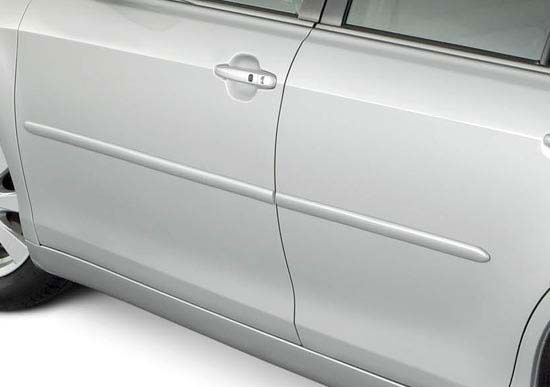
Credit: www.customautotrim.com
Benefits Of Side Molding
Body side molding offers several key benefits for car owners. It helps protect the vehicle, improves how it looks, and can increase its value. These advantages make side molding a smart choice for many drivers.
Protection Against Dents And Scratches
Side molding acts as a shield for your car doors. It absorbs impacts from other car doors, shopping carts, and small obstacles. This prevents dents and scratches on the paint. Keeping the car’s surface smooth saves money on repairs. The protective layer also reduces damage from minor accidents.
Enhancing Vehicle Appearance
Side molding adds style to a vehicle’s look. It creates clean lines along the car’s sides. The molding can match the car color or add contrast for a sporty feel. This simple addition makes the car look more polished and well cared for. It helps the vehicle stand out in parking lots or on the road.
Increasing Resale Value
A car with side molding often keeps its value better. The protection means fewer dents and scratches over time. Buyers prefer vehicles that look good and need less work. Side molding shows that the owner cared about the car’s condition. This can lead to a higher resale price and faster sale.
Choosing The Right Side Molding
Choosing the right side molding for your car is important. It affects both the look and protection of your vehicle. Picking the correct style and material helps keep your car safe from dents and scratches. It also adds a touch of style that matches your car’s design. Consider a few key points before making a choice.
Matching Vehicle Style
Side moldings should blend well with your car’s design. Some cars have a sporty look, while others are more classic. Choose moldings that fit the shape and color of your vehicle. Avoid styles that stand out too much or look out of place. A good match improves your car’s overall appearance.
Material Durability
Side moldings come in different materials like plastic, rubber, or metal. Each material offers different levels of protection. Plastic is lightweight and resists scratches. Rubber absorbs minor impacts well. Metal moldings are strong but may rust over time. Pick a material that suits your climate and driving conditions.
Installation Methods
Side moldings can be attached in various ways. Some use adhesive tape for easy installation. Others require screws or clips for a firm hold. Adhesive moldings are simple to apply but may wear off faster. Screw-on moldings last longer but take more effort to install. Choose a method that fits your skills and needs.
Installation Process
The installation process of body side molding is simple but requires care. Proper installation ensures the molding fits well and lasts long. It also protects your car’s paint from dents and scratches. You can install molding yourself or hire a professional. Each choice has pros and cons. Understanding the tools and steps helps you decide the best option.
Diy Vs Professional Installation
DIY installation saves money and offers flexibility. It suits small fixes and those with basic skills. Professional installation costs more but guarantees quality. Experts use the right tools and techniques. They avoid common mistakes that can damage the car. Choose DIY if you feel confident and have time. Choose professional service for a perfect and quick job.
Tools And Materials Needed
You need a few tools for installing body side molding. Start with cleaning supplies like soap, water, and rubbing alcohol. Use a measuring tape and a pencil for accurate placement. A heat gun or hairdryer helps soften the adhesive. Use double-sided automotive tape or molding clips, depending on the type. Lastly, a plastic trim remover tool prevents damage during removal.
Step-by-step Guide
Clean the car surface thoroughly where you will place the molding. Dry the area completely to ensure good adhesion.
Measure the length needed for the molding carefully. Mark the spot lightly with a pencil.
If your molding uses adhesive, warm it slightly with a heat gun.
Peel off the backing from the adhesive tape slowly. Align the molding with your marks.
Press the molding firmly against the car body. Hold it in place for a minute or two.
Check all edges to make sure they stick well without gaps.
Let the adhesive cure for a few hours before washing the car or driving.
Maintenance Tips
Body side moldings protect your car’s doors from dents and scratches. Proper care keeps them looking good and working well. Regular maintenance stops damage and extends their life. Follow these simple tips to maintain your moldings.
Cleaning And Care
Clean moldings gently with soap and water. Avoid harsh chemicals that can cause damage. Use a soft cloth or sponge for washing. Dry moldings with a clean towel to prevent water spots. Waxing once in a while helps protect the surface and shine.
Repairing Damage
Small scratches or dents can be fixed quickly. Use touch-up paint or plastic repair kits for minor issues. For cracks or deep damage, seek professional help. Repairing early keeps moldings strong and attractive. Do not ignore damage; it can worsen over time.
When To Replace Moldings
Replace moldings if they are cracked or missing pieces. Faded moldings that no longer protect should be changed. Check moldings regularly for signs of wear and tear. New moldings improve your car’s look and safety. Proper replacement keeps your vehicle protected.
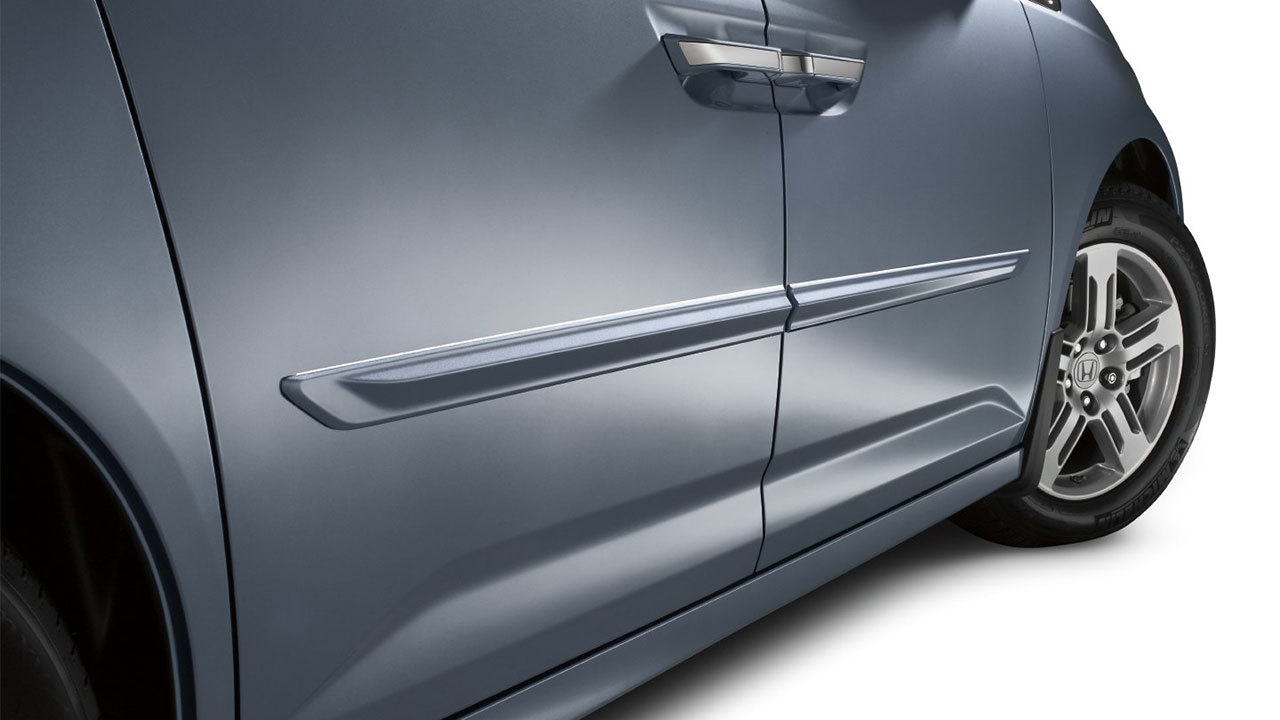
Credit: marsofbillings.com
Popular Styles And Trends
Body side molding adds style and protection to cars. Popular styles and trends focus on making cars look unique while guarding doors from dings and scratches. Many car owners choose moldings that fit their personality and vehicle design. Trends vary from simple, classic looks to bold, eye-catching designs.
Color Options
Body side moldings come in many colors. Some match the car’s paint exactly. Others contrast with the car’s color to stand out. Black and chrome are common choices. Matte and glossy finishes are also popular. Color options let owners customize their cars easily and affordably.
Custom Designs
Custom body side moldings offer unique shapes and patterns. Some feature stripes, curves, or logos. Others have textured surfaces for a rugged look. Custom designs help cars express the owner’s style. They turn standard vehicles into personal statements.
Integration With Other Accessories
Body side moldings often match other car accessories. They pair well with spoilers, roof racks, and bumper guards. This creates a coordinated appearance. Integration improves both style and function. It gives the car a complete, polished look.
Common Issues And Solutions
Body side moldings on cars protect the doors from dents and scratches. Over time, these moldings can face some common problems. Knowing these issues helps keep your car looking good. It also helps avoid costly repairs.
Peeling And Cracking
Peeling happens when the adhesive weakens. This causes the molding to lift from the car’s surface. Cracking appears due to sun damage or cold weather. Small cracks grow bigger if not fixed. To fix peeling, clean the area and reapply strong adhesive. For cracks, replace the molding if damage is severe. Small cracks can be smoothed with plastic filler.
Fading And Discoloration
Sunlight can cause moldings to fade or change color. This makes the car look old and worn. Washing your car regularly can reduce fading. Use a UV protectant spray to keep color bright. If the molding is too faded, consider repainting it. Use paint made for plastic surfaces for best results.
Loose Or Damaged Moldings
Moldings can become loose from bumps or poor installation. Loose moldings might fall off while driving. Check moldings often to ensure they are tight. Tighten screws or clips to secure them. Replace any broken parts quickly to avoid more damage. Proper care keeps moldings in place and protects the car.
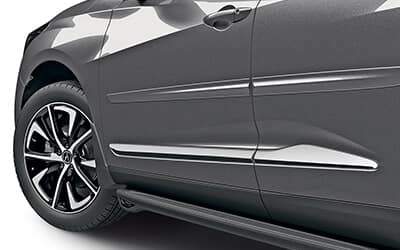
Credit: sliplo.shop
Frequently Asked Questions
What Is Body Side Molding On A Car?
Body side molding is a protective strip on a car’s doors and panels. It prevents dents and scratches from other vehicles or objects. It also adds style and improves the car’s overall appearance by creating a sleek, defined look along the sides.
Why Is Body Side Molding Important?
Body side molding protects your car from minor dings and scratches. It helps maintain your vehicle’s resale value by preventing damage. Additionally, it enhances the vehicle’s aesthetic appeal, making it look more polished and well-maintained.
How Does Body Side Molding Protect My Car?
It acts as a barrier between your car’s paint and external impacts. When another car door or object hits your vehicle, the molding absorbs the force. This reduces the risk of dents, scratches, and paint chips on the side panels.
Can Body Side Molding Be Replaced If Damaged?
Yes, damaged body side molding can be replaced easily. Replacement moldings are available from manufacturers or aftermarket suppliers. Proper installation ensures protection and maintains your car’s appearance after damage.
Conclusion
Body side molding protects your car from scratches and dents. It adds a layer of defense against everyday bumps. Besides protection, it also improves your car’s look. Easy to install and affordable, it suits many car types. Choosing the right molding helps keep your vehicle neat.
A small part that makes a big difference. Consider body side molding to keep your car safe and stylish.


