

Thinking about giving your motorcycle a fresh, new look with vinyl wrap? You’re probably wondering, “How much vinyl do I actually need to cover my bike?” Getting the right amount is crucial—you don’t want to run out halfway or waste money buying too much.
You’ll discover simple ways to measure your motorcycle and calculate the exact amount of vinyl needed. By the end, you’ll feel confident and ready to start your wrapping project without any guesswork. Let’s dive in and make your bike stand out on the road!

Credit: www.carlawrap.com
Factors Affecting Vinyl Quantity
Knowing how much vinyl you need to wrap a motorcycle depends on several factors. These factors help you estimate the right amount of material. Avoid wasting vinyl or running short during the wrap process.
Motorcycle Size And Shape
The size of your motorcycle affects the vinyl quantity. Larger bikes need more vinyl. Small motorcycles require less material. The shape also matters. Curved or irregular surfaces use more vinyl because of extra cuts and overlaps.
Design Complexity
Simple designs need less vinyl. Complex patterns or multiple colors require more material. Extra vinyl is necessary for precise cuts and alignment. Designs with many parts or details increase vinyl use.
Vinyl Roll Width
Vinyl comes in different roll widths. Wider rolls cover more area faster. Narrow rolls need more length to cover the same space. Choose a roll width that fits your motorcycle’s size and shape to reduce waste.
Measuring Your Motorcycle
Measuring your motorcycle is the first step to wrapping it with vinyl. Accurate measurements help you buy the right amount of material. This saves money and avoids waste. Take your time and be precise.
Key Measurement Areas
Focus on the biggest and most visible parts. Measure the fuel tank, fenders, side panels, and fairings. Don’t forget the handlebars and front forks if you plan to wrap them. Add extra length for curves and edges.
Using Measuring Tools
Use a flexible tape measure for curves and rounded surfaces. A ruler or straight edge works for flat parts. Use a cloth tape for better grip. Avoid metal tapes that can scratch the paint.
Recording Accurate Dimensions
Write down each measurement clearly. Double-check each number before moving on. Note down width, height, and length separately. Keep all notes in one place to avoid confusion later.
Calculating Vinyl Requirements
Calculating the right amount of vinyl for a motorcycle wrap is important. It helps avoid buying too little or too much material. This section breaks down how to figure out your vinyl needs accurately. Follow these simple steps to get the best results.
Estimating Surface Area
Measure the main parts of your motorcycle. Include the tank, fenders, and fairings. Use a tape measure for length and width. Multiply these numbers to find the area of each part. Add all areas together for total surface size. This gives a clear idea of the vinyl needed.
Allowing For Overlaps And Errors
Vinyl needs extra length for overlaps at edges. Overlapping secures the vinyl and hides edges. Add about 10-15% more vinyl to the total area. This margin covers mistakes and trimming too. It ensures you have enough material to finish cleanly.
Considering Extra Vinyl For Repairs
Small damages may happen during wrapping or riding. Keep some extra vinyl for quick fixes. Add at least one foot of vinyl beyond your estimate. This helps you fix tears or scratches later. Being prepared saves time and money on repairs.
Types Of Vinyl And Their Coverage
Choosing the right vinyl for wrapping a motorcycle affects coverage and appearance. Different types of vinyl offer varied coverage and finishes. Knowing these can help you estimate how much vinyl you need.
Coverage depends on vinyl type, thickness, and texture. Each type has unique qualities that suit different needs and styles.
Standard Vs. Premium Vinyl
Standard vinyl is affordable and easy to apply. It covers well but may not last long. Premium vinyl costs more but offers better durability. It resists fading and scratches better. Premium vinyl often stretches easier, covering curves smoothly.
Matte, Glossy, And Textured Finishes
Matte vinyl gives a flat, non-shiny look. It hides dirt well but shows scratches more. Glossy vinyl shines and makes colors pop. It needs careful cleaning to keep the shine. Textured vinyl adds patterns or feels, like carbon fiber. This vinyl can use more material due to its surface.
Durability And Thickness Impact
Thicker vinyl lasts longer and protects better. It handles weather and wear with less damage. Thin vinyl is easier to wrap but tears faster. Durability affects how much vinyl you need for full coverage. Stronger vinyl may cover more area with fewer layers.
Tips For Efficient Vinyl Usage
Using vinyl efficiently saves money and reduces waste. Careful planning and smart cutting make wrapping easier. Follow these tips to use your vinyl wisely and get the best results.
Planning The Layout
Start by measuring your motorcycle parts carefully. Note the shape and size of each piece. Draw a layout on paper to organize vinyl pieces. Place larger parts first to fit vinyl better. Keep spare vinyl for small trims or mistakes.
Cutting Strategies
Use sharp tools to cut vinyl cleanly. Cut slightly larger pieces than needed for easy adjustment. Cut straight lines for simple shapes and curves slowly. Work on a flat surface to avoid wrinkles. Cut one piece at a time to stay organized.
Avoiding Waste
Save leftover vinyl for touch-ups or small parts. Use scrap pieces to practice cutting or warming techniques. Avoid cutting too close to edges to prevent tearing. Store vinyl rolls properly to keep them flat and clean. Check your layout twice before cutting to avoid errors.
Common Mistakes To Avoid
Wrapping a motorcycle with vinyl is a popular way to change its look. Many make mistakes that cost time and money. Avoid these common errors for a smooth wrap job. Learn what to watch out for before starting your project.
Underestimating Vinyl Needed
Buy more vinyl than you think you need. Motorcycle shapes are tricky. Small parts and curves use extra material. Not having enough vinyl stops your work halfway. Always add 20% extra for safety.
Ignoring Surface Preparation
Clean the motorcycle well before wrapping. Dirt and oil stop vinyl from sticking. Use soap and water, then dry fully. Rough spots or scratches cause bubbles. Smooth the surface first for best results.
Skipping Test Fits
Place vinyl on parts before sticking. Test fits show how much vinyl is needed. It helps find tricky curves and edges. Adjust your cut to avoid waste. Test fitting saves time and frustration later.
Where To Buy Quality Vinyl
Finding quality vinyl is key to a great motorcycle wrap. The right vinyl lasts longer and looks better. It must be easy to work with and fit your bike’s shape. Knowing where to buy helps avoid poor materials and wasted money.
Recommended Brands
Choose brands known for durability and color options. 3M and Avery Dennison are top choices among riders. Oracal offers good quality for budget-friendly wraps. These brands provide vinyl that sticks well and resists weather.
Online Vs. Local Suppliers
Online stores have a wide range and often better prices. They deliver directly to your door. Local shops let you see the vinyl before buying. You can get advice and avoid shipping delays. Both options have benefits to consider.
Price Vs. Quality Considerations
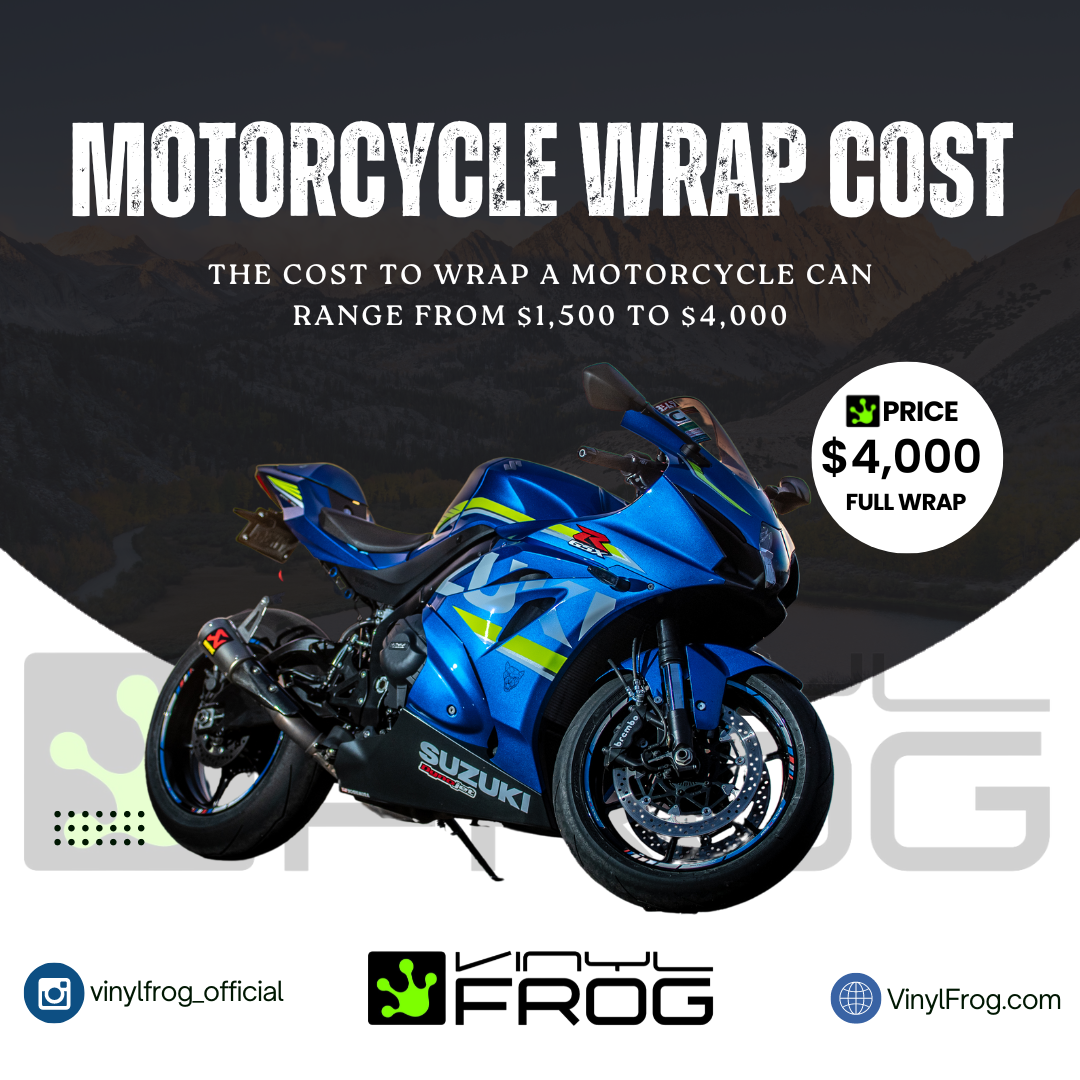
Cheap vinyl might save money but often fades fast. Higher quality costs more but lasts longer and looks sharp. Think about how long you want your wrap to last. Spending a bit more upfront often saves money in the end.

Credit: www.rvinyl.com
Credit: www.vinylfrog.com
Frequently Asked Questions
How Much Vinyl Wrap Is Needed For A Motorcycle?
Typically, 5 to 7 square feet of vinyl wrap covers a motorcycle. Larger bikes or complex designs may need more. Measure your bike carefully for a precise estimate.
Can One Roll Of Vinyl Wrap Cover A Motorcycle?
Yes, a 5×60 inch roll usually covers most motorcycles. However, complex shapes or full coverage might require additional vinyl. Always buy slightly more to avoid shortages.
Does Motorcycle Size Affect Vinyl Wrap Quantity?
Absolutely, larger motorcycles need more vinyl wrap. Smaller bikes or scooters require less material. Measure your specific motorcycle to determine the exact amount needed.
How To Calculate Vinyl Needed For Custom Motorcycle Designs?
Measure each bike section’s length and width. Add a 10-15% margin for errors and overlaps. Sum these to find total vinyl square footage required.
Conclusion
Wrapping a motorcycle with vinyl needs careful planning. Measure your bike’s parts well to avoid mistakes. Buy a little extra vinyl to cover curves and edges. Use the right tools for smooth, bubble-free application. Taking your time makes the wrap look neat and last longer.
Now, you can confidently choose how much vinyl to buy. Enjoy giving your motorcycle a fresh, new look with ease.


