

Are you curious about vinyl wrapping but don’t know where to start? Imagine transforming your car, laptop, or even furniture with vibrant colors and sleek designs—all by yourself.
Vinyl wrapping isn’t just for professionals; with the right guidance, you can master this skill and create eye-catching results. You’ll discover simple steps to get into vinyl wrapping, avoid common mistakes, and unleash your creativity. Ready to dive in and make your ideas stick?
Let’s get started!
What Is Vinyl Wrapping
Vinyl wrapping is a popular way to change the look of cars, bikes, or even furniture. It uses thin sheets of vinyl film to cover surfaces. This method gives a fresh style without paint or permanent changes.
Many people choose vinyl wraps to protect their vehicles or add unique designs. The process is clean and can be reversed. This makes vinyl wrapping a flexible option for customization.
What Is Vinyl Wrapping Made Of?
Vinyl wrap is made from a thin plastic film. It has an adhesive layer that sticks to surfaces. The vinyl can have different finishes like matte, gloss, or satin. It also comes in many colors and patterns.
How Does Vinyl Wrapping Work?
The vinyl film is carefully applied to a clean surface. Professionals use heat guns to stretch and shape the wrap. This helps the film fit curves and edges smoothly. Air bubbles are removed to ensure a perfect finish.
Why Choose Vinyl Wrapping Over Paint?
Vinyl wraps protect the original paint from scratches and sun damage. They are quicker and less messy than painting. Wrapping is also less expensive and easier to change. You can remove or replace the wrap anytime.
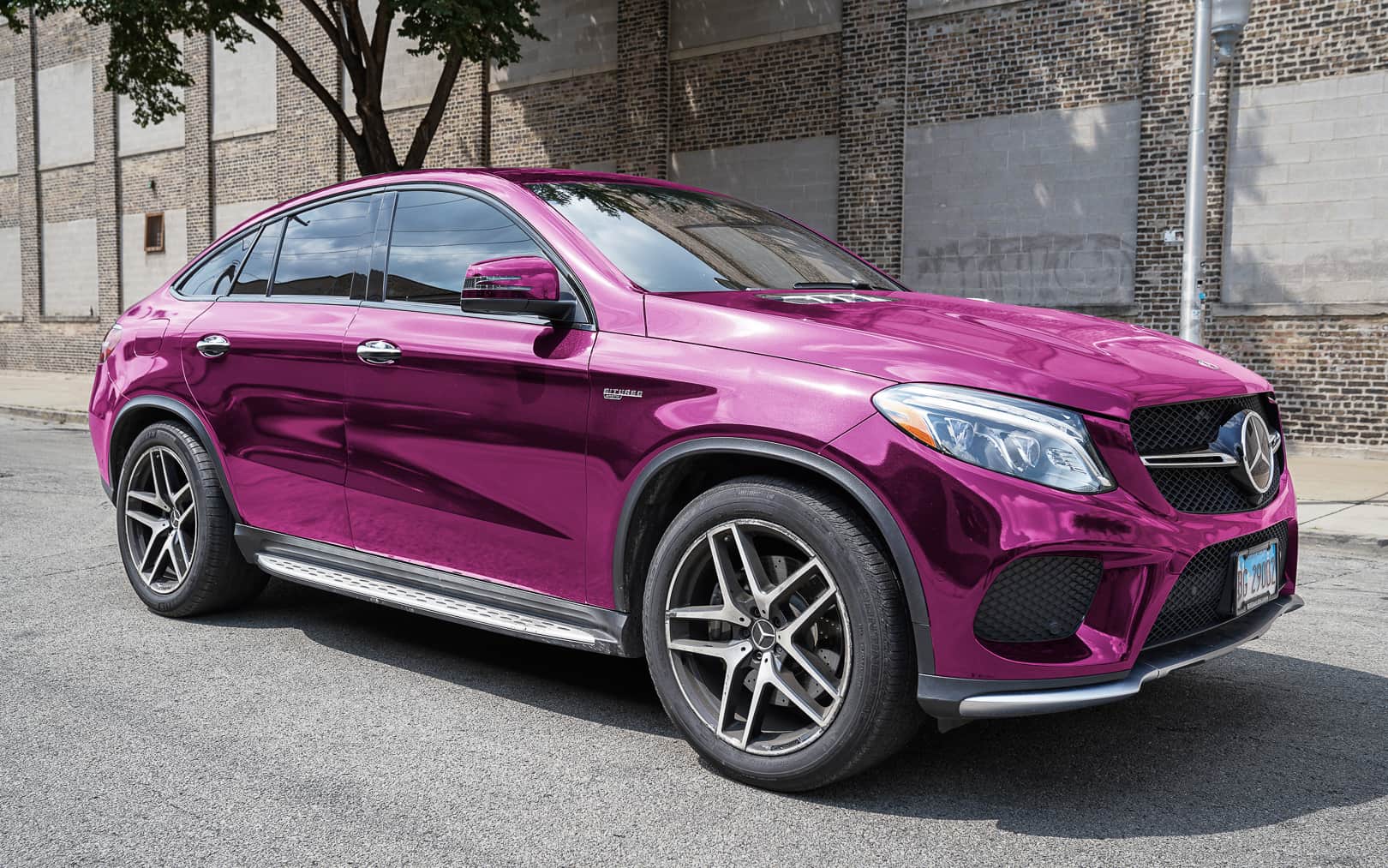
Credit: www.tintingchicago.com
Essential Tools Needed
Starting vinyl wrapping requires the right tools. These tools help you work smoothly and get good results. Knowing what to use makes the process easier and faster.
Types Of Vinyl Wraps
Vinyl wraps come in different types. Glossy wraps give a shiny look. Matte wraps offer a flat, smooth finish. Satin wraps are between glossy and matte. There are also textured wraps like carbon fiber or brushed metal. Choose the type that fits your style and project needs.
Squeegees And Cutters
Squeegees help smooth out air bubbles. They make the vinyl stick well to the surface. Use soft felt edges to avoid scratches. Cutters like utility knives or precision blades cut vinyl cleanly. Sharp blades prevent tearing or jagged edges. Change blades often for the best cuts.
Heat Guns And Accessories
Heat guns soften vinyl for easier shaping. They help wrap curves and corners tightly. Use low heat to avoid damage. Some people use hair dryers, but heat guns work better. Accessories like gloves protect your hands from heat. A heat-resistant tape helps hold vinyl during application.
Preparing The Surface
Preparing the surface is the first step in vinyl wrapping. It ensures the wrap sticks well and looks smooth. Dirt, dust, and old materials can stop the vinyl from holding properly. Taking time to prepare the surface prevents bubbles and peeling later. A clean, smooth surface helps the vinyl last longer and look better.
Cleaning Techniques
Start by washing the surface with soap and water. Use a soft cloth or sponge to remove dust and grime. Avoid harsh chemicals that can damage paint. After washing, dry the surface completely with a clean towel. For extra cleanliness, wipe the area with isopropyl alcohol. This removes oils and leftover dirt. Clean surfaces help the vinyl bond tightly.
Removing Old Wraps And Decals
Peel off any old vinyl wrap or decals carefully. Use a heat gun or hair dryer to warm the material. Warm vinyl becomes softer and easier to remove. Pull slowly to avoid damaging the paint underneath. If adhesive remains, use adhesive remover or rubbing alcohol. Clean the surface again after removal. A fresh surface makes new vinyl stick better.
Surface Inspection
Look closely for scratches, dents, or rust spots. These flaws can show through the vinyl wrap. Fix small dents with filler and sand smooth. Remove rust and treat the area to stop it spreading. Check for any residue or sticky spots left from old wrap. The surface must be smooth and clean. A perfect surface gives the best results for vinyl wrapping.
Basic Wrapping Techniques
Basic wrapping techniques form the foundation of vinyl wrapping. They help you work cleanly and avoid mistakes. Learning these skills saves time and gives better results. Start with simple steps and practice often. This builds confidence and improves your work.
Measuring And Cutting Vinyl
Measure the surface carefully before cutting. Add extra inches to cover edges fully. Use a ruler or tape measure for accuracy. Cut the vinyl slowly with a sharp blade. Straight cuts make the vinyl easier to handle. Avoid cutting too close to the edges.
Applying Vinyl Smoothly
Clean the surface well before applying vinyl. Dust or dirt causes bumps and bubbles. Peel the backing paper slowly. Use a squeegee to press the vinyl down. Work from the center outward. This pushes air out and prevents wrinkles.
Handling Curves And Corners
Heat helps vinyl stretch around curves and corners. Use a heat gun or hair dryer gently. Pull the vinyl slightly while heating. Do not overstretch; it can tear. For sharp corners, cut small slits in the vinyl. This lets the film lay flat and smooth.
Common Challenges And Fixes
Vinyl wrapping can be fun but tricky at times. Many beginners face similar problems. Knowing common challenges helps you avoid mistakes and fix issues quickly. This guide covers typical problems and easy solutions.
Bubbles And Wrinkles
Bubbles and wrinkles appear if the vinyl is not smoothed well. Use a squeegee to press the vinyl from the center outward. Small bubbles can pop if you use a pin carefully. Wrinkles may happen if the vinyl is stretched too much. Work slowly to avoid these issues.
Stretching Issues
Vinyl stretches but can tear if pulled hard. Warm the vinyl with a heat gun to make it more flexible. Stretch gently and evenly across curves. Avoid sharp pulls to keep the vinyl smooth and intact. Practice helps control stretching better.
Trimming And Finishing
Trimming must be precise to avoid lifting edges. Use a sharp blade and steady hand. Cut along edges carefully without cutting the surface below. Finish by pressing edges with a heat gun to seal the vinyl. This makes the wrap last longer and look neat.
Maintaining Wrapped Surfaces
Keeping your vinyl wrap in good shape takes some care. Wrapped surfaces need regular attention to stay fresh and protect the vehicle underneath. Small habits can make a big difference in the look and life of your wrap.
Clean wraps carefully and avoid harsh tools. Guard the vinyl from scratches and sun damage. Fix small tears quickly before they grow. These steps help your wrap look great longer.
Cleaning Tips
Use a soft cloth or sponge with mild soap and water. Rinse with clean water and dry gently with a microfiber towel. Avoid strong chemicals or abrasive brushes that can harm the vinyl. Clean your wrap regularly to prevent dirt buildup.
Protecting The Vinyl
Park in shaded areas to reduce sun damage. Avoid sharp objects near the wrap to prevent scratches. Use a vinyl protectant spray designed for wraps. This helps keep the surface shiny and guards against dirt and UV rays.
Repairing Minor Damage
Small cuts or tears can be fixed with vinyl repair kits. Clean the damaged area before applying the patch or adhesive. Press firmly and smooth out bubbles. Repair spots early to stop damage from spreading and keep your wrap looking neat.
Resources For Beginners
Starting vinyl wrapping can feel tricky. Many beginners need clear guidance and the right tools. Good resources help you learn the basics fast. They also show you tips to avoid common mistakes. Below are some key places to find help and materials.
Online Tutorials And Communities
Videos and step-by-step guides online teach vinyl wrapping techniques. Many creators share easy lessons for beginners. You can watch them anytime and practice at your pace. Forums and social media groups connect you with other beginners and experts. These communities answer questions and share advice. Joining them helps you stay motivated and learn from real experiences.
Recommended Courses
Some websites offer courses designed for beginners. These courses cover tools, surface prep, and application methods. They often include video lessons and printable guides. Structured courses help build your skills step by step. A course may also provide feedback or certification. This can boost your confidence to start wrapping professionally.
Suppliers And Vendors
Finding good vinyl wrap materials is key. Many suppliers sell beginner-friendly kits and tools. Choose vendors with clear product descriptions and support. Some offer samples to test colors and textures first. Buying quality vinyl and tools saves time and money. Reliable suppliers also provide advice on product care and use.

Credit: www.reddit.com

Credit: carlikewrap.com
Frequently Asked Questions
What Tools Do I Need To Start Vinyl Wrapping?
You need a squeegee, heat gun, utility knife, and vinyl wrap film. These tools help apply vinyl smoothly and avoid bubbles. Quality tools ensure a professional finish and ease the wrapping process.
How Long Does Vinyl Wrapping Take For Beginners?
Vinyl wrapping can take 4 to 8 hours for beginners. Practice and patience speed up the process. Complex designs or larger vehicles may require more time.
Can Vinyl Wrapping Damage My Car’s Paint?
Proper vinyl wrapping does not damage paint. It acts as a protective layer against minor scratches and UV rays. Always remove wrap carefully to avoid paint damage.
Is Vinyl Wrapping Cost-effective Compared To Painting?
Vinyl wrapping is generally cheaper and quicker than painting. It offers more design flexibility and is reversible. Maintenance costs are low, making it a cost-effective option.
Conclusion
Vinyl wrapping offers a fun way to change vehicle looks. Start small and practice often to build skills. Use the right tools and watch tutorial videos. Stay patient, as learning takes time and effort. Enjoy the process and create unique designs.
This craft can turn into a rewarding hobby or job. Keep exploring new techniques to improve your work. Your creativity and persistence will bring great results.


