Have you ever wondered how long your car battery will last under the intense Arizona sun? If you live in this hot desert state, you know the heat can be tough on your vehicle’s battery.
Understanding how long your battery can reliably power your car here can save you from unexpected breakdowns and costly replacements. You’ll discover the key factors that affect battery life in Arizona and learn simple tips to extend your battery’s lifespan.
Keep reading to protect your car and avoid those frustrating moments when your engine won’t start.
Car Battery Basics
Understanding the basics of car batteries helps you know how long they last in Arizona. Hot weather affects battery life differently than cold climates. Knowing the types and how they work makes it easier to maintain your battery.
Car batteries are simple but vital parts of your vehicle. They store energy to start the engine and power electrical parts. Learning about them helps you choose and care for the right battery.
Types Of Car Batteries
There are several types of car batteries. The most common is the lead-acid battery. It is affordable and reliable. Another type is the AGM (Absorbent Glass Mat) battery. It handles heat better and lasts longer. Lithium-ion batteries are newer and lighter. They cost more but offer higher performance. Choosing the right type depends on your car and climate.
How Batteries Work
Car batteries store electrical energy in chemical form. When you start the car, the battery sends power to the starter motor. This action turns the engine on. The battery also powers lights and electronics when the engine is off. It recharges by the alternator when the engine runs. Heat speeds up chemical reactions inside. This can wear out the battery faster in hot places like Arizona.
Factors Affecting Battery Life In Arizona
Several factors affect how long a car battery lasts in Arizona. The state’s unique climate and driving conditions play a big role. Understanding these factors helps you care for your battery better. It also helps you avoid unexpected battery failures on hot days.
High Temperatures
Arizona’s high heat stresses car batteries more than cooler climates. Heat speeds up battery fluid evaporation. This causes the battery to dry out and lose power faster. Extreme heat also increases corrosion inside the battery. Batteries in hot areas usually last shorter than those in cooler places.
Driving Habits
Short trips do not fully recharge the battery. Frequent stops and starts can wear out the battery quickly. Long drives keep the battery charged and healthy. Using many electric devices in the car also drains the battery faster. Careful driving habits can extend battery life.
Vehicle Maintenance
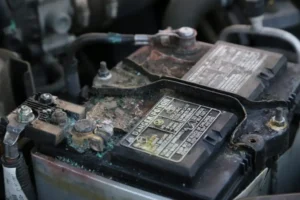
Regular checks help spot battery problems early. Cleaning battery terminals prevents corrosion buildup. Tightening loose connections ensures good power flow. Replacing old or damaged parts supports battery health. Proper maintenance makes the battery last longer.
Battery Quality
Not all batteries are made equal. High-quality batteries resist heat and last longer. Cheaper batteries may fail sooner in Arizona’s climate. Choose a battery designed for hot weather. Investing in a good battery saves money and trouble.
Average Battery Lifespan In Arizona
Car batteries in Arizona face tough conditions. The hot climate affects their lifespan. Knowing how long a battery lasts helps you plan for replacements. This section explores the average battery lifespan in Arizona.
Typical Duration
Most car batteries in Arizona last about 3 to 5 years. The intense heat speeds up chemical reactions inside the battery. This causes faster wear and tear. Proper maintenance can help extend battery life. Regular checks and cleaning battery terminals are important. Avoid leaving lights or electronics on when the car is off.
Comparison With Other States
Car batteries in cooler states often last longer, around 4 to 6 years. Cold weather slows down battery chemical reactions, preserving battery life. In contrast, Arizona’s heat shortens the battery lifespan. Drivers in northern states face different battery challenges like cold starts. Arizona drivers must focus on heat protection and hydration of the battery.
Credit: www.borstautomotive.com
Signs Of A Failing Battery
Car batteries in Arizona face extreme heat that can shorten their life. Recognizing signs of a failing battery helps avoid unexpected breakdowns. Early detection saves time and money. Watch closely for these common signals.
Slow Engine Crank
The engine turns over slowly when starting. This means the battery has less power. You may hear a weak clicking noise. It takes longer to start the car. This is one of the first signs of battery trouble.
Electrical Issues
Lights may dim or flicker while driving. Power windows and radio might work poorly. Electronics drain more battery power in hot weather. These glitches suggest the battery cannot hold enough charge.
Warning Lights
The battery or check engine light appears on the dashboard. These alerts show a battery or charging problem. Ignoring them risks leaving you stranded. Always pay attention to warning lights for safety.
Extending Your Battery’s Lifespan
Car batteries in Arizona face tough conditions. The heat can make batteries wear out faster. Taking steps to extend your battery’s lifespan saves money and hassle. Simple care can keep your battery healthy for longer. Small habits make a big difference.
Regular Maintenance Tips
Check your battery every few months. Look for corrosion on the terminals. Clean the terminals with a mix of baking soda and water. Tighten any loose connections. Test the battery voltage with a multimeter. Replace the battery if voltage drops below 12.4 volts. Regular checks prevent sudden battery failure.
Proper Storage Practices
Store your car in a shaded or covered area. Avoid direct sunlight on the battery. High heat speeds up battery wear. If storing the car for a long time, disconnect the battery. Use a battery maintainer or trickle charger to keep it charged. Proper storage keeps the battery ready to use.
Avoiding Short Trips
Short trips do not fully charge the battery. The alternator needs time to recharge while driving. Frequent short drives drain the battery over time. Take longer drives regularly to recharge the battery fully. This helps maintain battery power and extends its life.
Choosing The Right Battery For Arizona
Choosing the right car battery in Arizona is crucial. The state’s hot climate can shorten battery life. A battery built for heat will last longer and perform better. Understand what features matter most in this environment.
Heat-resistant Options
Pick batteries designed to resist high temperatures. These have thicker plates and special separators. They handle Arizona’s heat without breaking down fast. Heat-resistant batteries reduce the risk of sudden failure. This choice saves money and trouble over time.
Battery Capacity
Capacity shows how much power the battery holds. Higher capacity means longer life and better performance. In hot areas, a bigger capacity helps the battery cope with stress. Check the cold cranking amps (CCA) too. A higher CCA ensures the car starts easily, even in heat.
Warranty Considerations
Look for batteries with solid warranties. A good warranty covers defects and early failure. It shows the maker’s confidence in their product. Longer warranties offer peace of mind. Always read the fine print to understand coverage details.
Battery Replacement And Recycling
Car batteries in Arizona face tough conditions. High heat and frequent use wear them out faster. Knowing when to replace and how to recycle batteries helps the environment and your wallet. Proper care avoids sudden car troubles and pollution.
When To Replace
Watch for slow engine starts and dim headlights. These signs show your battery may be failing. Check the battery age; most last three to five years in Arizona. Frequent jump-starts mean it is time to replace the battery. Also, look for corrosion or leaks on the battery case. Replace it before it completely dies to avoid being stranded.
Safe Disposal Methods
Do not throw old batteries in the trash. They contain harmful chemicals that pollute soil and water. Take old batteries to recycling centers or auto shops. Many places accept used car batteries for free. Recycling recovers valuable metals and keeps toxins out of landfills. Handle batteries carefully to avoid acid spills or damage. Use gloves and store them in a cool, dry place before recycling.

Credit: www.12news.com
Credit: www.sundevilauto.com
Frequently Asked Questions
How Long Does A Car Battery Typically Last In Arizona?
In Arizona, a car battery usually lasts 3 to 5 years. The hot climate can reduce battery life due to heat stress. Proper maintenance and regular checks can help extend its lifespan despite harsh temperatures.
Does Arizona’s Heat Affect Car Battery Performance?
Yes, Arizona’s extreme heat speeds up battery fluid evaporation. This causes internal damage and reduces battery efficiency. High temperatures increase the risk of battery failure, making regular inspections essential in this region.
What Maintenance Helps Extend A Car Battery’s Life In Arizona?
To extend battery life, keep terminals clean and check fluid levels monthly. Avoid short trips that prevent full charging. Park in shaded areas to reduce heat exposure and consider a battery insulation kit for extra protection.
How Can I Tell If My Car Battery Is Failing In Arizona?
Signs include slow engine cranking, dim headlights, and warning lights on the dashboard. Frequent jump-starts and corrosion on terminals also indicate a weak battery. Early detection helps avoid unexpected breakdowns in hot weather.
Conclusion
Car batteries in Arizona usually last about 3 to 5 years. Hot weather can shorten their life. Regular checks help catch problems early. Keep your battery clean and tight. Avoid leaving lights or electronics on when parked. Replace your battery at the first sign of trouble.
A well-maintained battery keeps your car running smoothly. Stay aware of your battery’s health for safer drives. Simple care can save you from unexpected breakdowns. Remember, good habits extend your battery’s life in Arizona heat.