

Have you ever wondered how much water goes into pressure washing your car? It might seem like a simple task, but the amount of water used can surprise you.
Knowing this can help you save water, protect the environment, and even lower your water bill. You’ll discover exactly how much water pressure washing uses and learn smart tips to wash your car efficiently. Keep reading to find out how to keep your car sparkling clean without wasting a drop.

Credit: www.amazon.com
Water Use In Pressure Washing
Pressure washing a car uses water to clean dirt and grime quickly. Knowing the water use helps save resources and costs. This section explains how much water pressure washing uses and what affects this amount.
Average Water Consumption
Pressure washers use water at different rates. On average, a pressure washer uses about 2 to 5 gallons of water per minute. Washing a car usually takes 10 to 15 minutes. This means a total of 20 to 75 gallons of water is used for one car wash.
Some pressure washers have water-saving features. These models use less water without losing cleaning power.
Factors Affecting Water Usage
Water use depends on the pressure washer’s settings. Higher pressure uses more water. Lower pressure uses less water but may take longer to clean.
The size of the car also matters. Bigger cars need more water to wash fully. Dirt level affects water use too. A very dirty car needs more water and time.
The nozzle type changes water flow. Some nozzles spray water wide and use more water. Others focus water in a narrow stream, saving water.
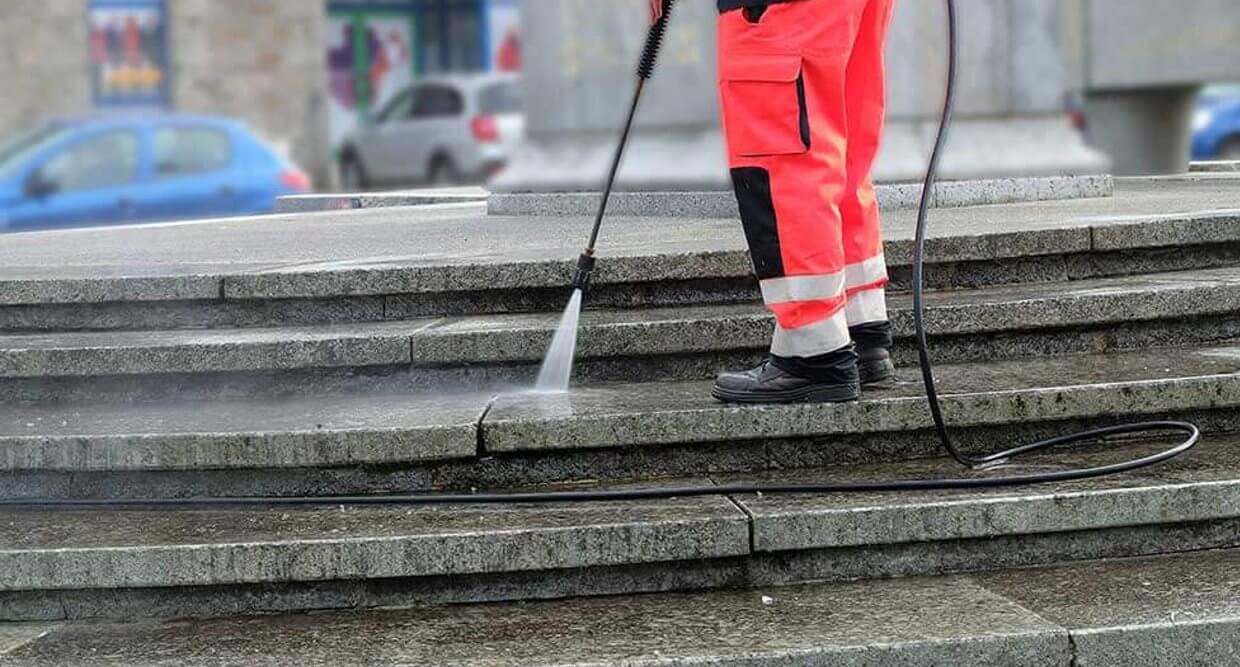
Credit: www.hotsyab.com
Comparing Washing Methods
Choosing how to wash your car affects water use and cleaning results. Different methods use different amounts of water. Understanding this helps save water and protect the environment. Let’s compare hand washing and pressure washing.
Hand Washing Water Usage
Hand washing a car often uses a bucket and a hose. People usually keep the hose running. This wastes a lot of water, sometimes over 100 gallons per wash. Using a bucket can save water if done carefully. But many still use more water than needed.
Pressure Washing Efficiency
Pressure washing uses a strong water spray to clean. It cleans faster and with less water. A typical pressure washer uses about 15 to 25 gallons per minute. This is less water than hand washing with a running hose. Pressure washing also removes dirt better without scrubbing hard.
Techniques To Save Water
Saving water during car washing is important. Pressure washing can use a lot of water quickly. Small changes in how you wash can make a big difference. Here are some easy ways to save water while pressure washing your car.
Adjusting Pressure Settings
Lowering the pressure reduces water flow. Use just enough pressure to clean dirt and grime. Too high pressure wastes water and may harm your car’s paint. Adjust settings based on how dirty the car is.
Using Nozzles Wisely
Different nozzles control water spray size and force. Choose a nozzle that covers a larger area. This helps clean faster and uses less water. Avoid wide sprays for tough spots; use narrow ones carefully instead.
Limiting Wash Time
Shorter wash times save water and energy. Focus on dirty areas only. Turn off the pressure washer while soaping or scrubbing. This simple step cuts water use without losing cleaning power.
Eco-friendly Washing Tips
Saving water during car washing helps the environment. Small changes reduce water waste and keep your car clean. Follow these eco-friendly washing tips to use less water and protect nature.
Choosing Water-efficient Equipment
Select pressure washers with low water use. Some models use less water but still clean well. Look for tools labeled as water-efficient. These save water and energy. A good nozzle also controls water flow. It reduces water waste while washing your car.
Recycling And Reusing Water
Collect water runoff during washing. Use buckets or containers to catch used water. This water can clean tires or rinse the driveway. Some systems filter and recycle water automatically. Reusing water cuts down total water consumption. It helps save money and protects the environment.
Cost Benefits Of Saving Water
Saving water while pressure washing your car offers clear cost benefits. It helps lower monthly bills and supports a healthier planet. Using less water means spending less money and protecting natural resources. These benefits affect your wallet and the environment.
Reducing Water Bills
Pressure washing a car with less water cuts your water bill. Using a pressure washer uses far less water than a garden hose. Less water means lower utility costs every month. This savings adds up over time, especially with regular car washes. Smart water use keeps money in your pocket.
Long-term Environmental Impact
Saving water reduces strain on local water supplies. It helps preserve clean water for future use. Using less water cuts energy needed to treat and deliver water. This lowers pollution and reduces carbon footprints. Small steps in water saving create big benefits for the environment.

Credit: contractorssupplyllc.com
Frequently Asked Questions
How Much Water Does Pressure Washing A Car Use?
Pressure washing a car uses approximately 10 to 15 gallons of water. This is less than a typical garden hose wash. It makes pressure washing a water-efficient cleaning method for cars.
Is Pressure Washing Better For Water Conservation?
Yes, pressure washing uses less water than traditional car washing. It delivers water at high pressure, reducing the amount needed. This method conserves water while effectively cleaning the car’s surface.
Can Pressure Washing Waste Water If Overused?
Yes, excessive pressure washing can waste water. Using the correct pressure and duration minimizes water use. Avoid prolonged washing sessions to keep water consumption low.
Does Water Temperature Affect Car Pressure Washing?
Warm water enhances cleaning efficiency but does not increase water use. Using warm water with pressure washing improves dirt removal. It helps reduce cleaning time and water consumption.
Conclusion
Pressure washing a car uses less water than you might think. It saves time and cleans well. Using a pressure washer helps reduce water waste. You can keep your car shiny without using too much water. Choosing the right pressure washer and nozzle matters a lot.
Small changes make a big difference in water use. Clean your car carefully and water wisely. This keeps your car bright and protects the environment. Simple steps lead to smart washing every time.


