

Want to give your car a sparkling clean without wasting water? Knowing exactly how much water to use when pressure washing your car can save you time, money, and help protect the environment.
If you’re wondering how to get the best results while using just the right amount of water, you’re in the right place. Keep reading to discover simple tips and smart tricks that will make your car shine without overusing water.
Your car—and your water bill—will thank you!
Credit: www.hotsyab.com
Water Usage Basics
Understanding water usage is important when pressure washing a car. It helps save water and money. Knowing how much water you need keeps your wash efficient and eco-friendly. Water use depends on several key points. These basics guide you to use just the right amount.
Average Water Consumption
Pressure washing a car uses between 8 and 15 gallons per minute. A typical wash lasts about 10 minutes. This means you might use 80 to 150 gallons each time. Using a pressure washer saves water compared to a garden hose. Hoses can waste up to 100 gallons in just 10 minutes. So, pressure washing is a better option for water savings.
Factors Affecting Water Use
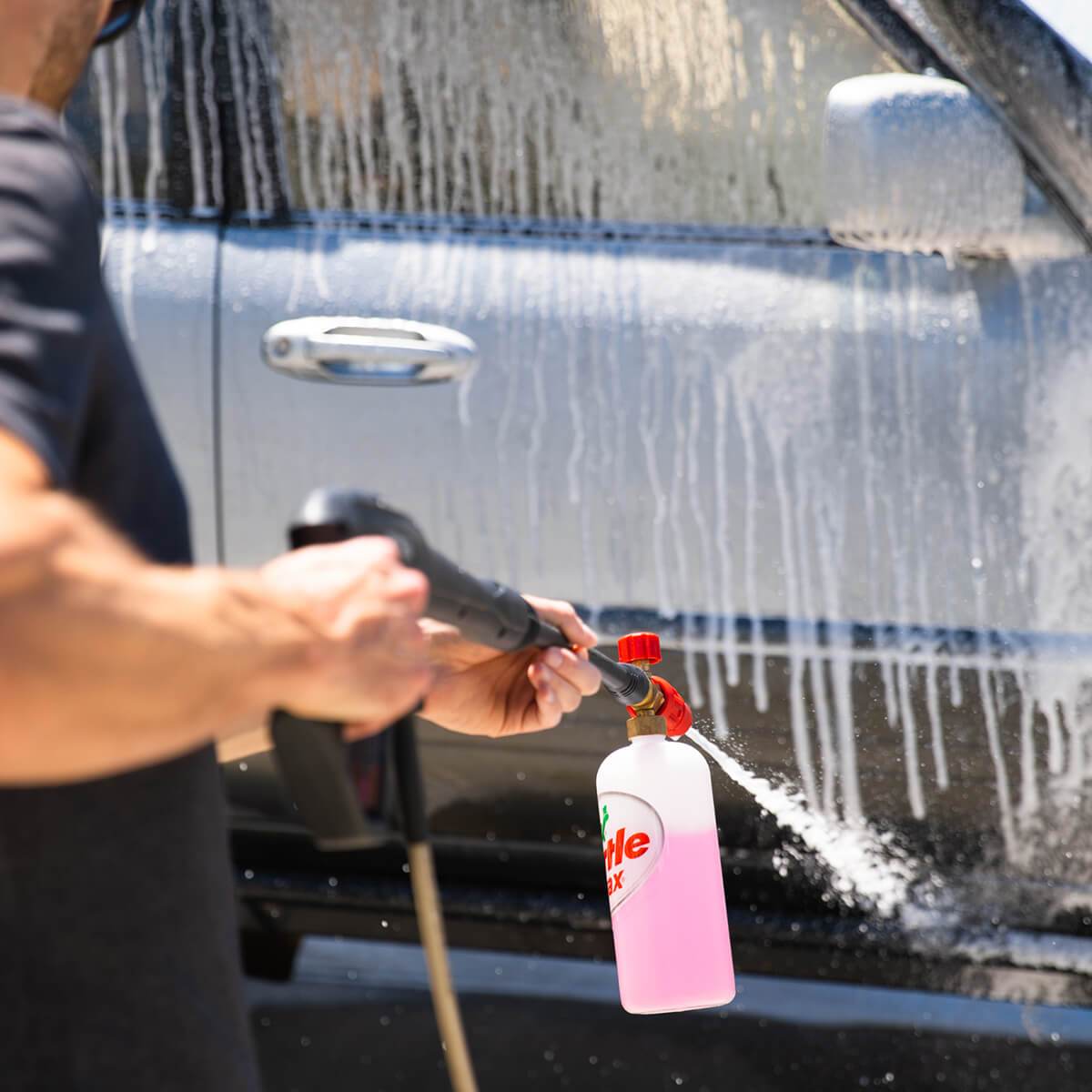
The water amount depends on the pressure washer’s flow rate. Higher flow rates use more water. Low-pressure washers use less water but take longer to clean. The car’s dirt level also matters. Heavily soiled cars need more water to rinse off grime. The washing method plays a role too. Using a foam cannon or bucket reduces water use. Rinsing thoroughly ensures no soap stays on the car. This may increase water use slightly but protects the paint.

Credit: www.amazon.com
Pressure Washer Types
Choosing the right pressure washer is important for washing your car efficiently. Different types of pressure washers use different amounts of water and power. Understanding these types helps you pick the best one for your needs.
Electric Vs Gas Models
Electric pressure washers are quieter and lighter. They use less water and are good for small jobs like washing cars. These models need a power outlet to work.
Gas pressure washers are stronger and use more water. They are better for tough cleaning tasks and large areas. These models run on gasoline and can be used anywhere.
Water Flow Rates
Water flow rate shows how much water a pressure washer uses. It is measured in gallons per minute (GPM). Higher GPM means more water and faster cleaning.
Electric models usually have a flow rate of 1.2 to 1.8 GPM. Gas models range from 2 to 4 GPM. For washing cars, a flow rate around 1.5 to 2 GPM is enough.
Calculating Water Needed
Calculating the amount of water needed for pressure washing a car helps save water and ensures a proper clean. Water use depends on several factors like how long you wash and the pressure you use. Knowing these details helps plan the water supply and avoid waste.
Duration Of Wash
The longer you wash, the more water you use. A typical car wash takes about 10 to 15 minutes. During this time, water flows continuously. For example, if your pressure washer uses 2 gallons per minute, a 15-minute wash uses about 30 gallons. Shorter washes save water and energy.
Pressure Settings Impact
Pressure settings control water flow and cleaning power. Higher pressure often means less water needed because it cleans faster. Lower pressure may use more water as you spend more time washing. Most pressure washers have flow rates between 1.5 to 2.5 gallons per minute. Adjust pressure to balance cleaning and water use.
Water Conservation Tips
Saving water while pressure washing your car helps protect the environment. It also lowers your water bills. Small changes in your washing method can make a big difference. Using water smartly keeps your car clean without waste.
Focus on techniques that use less water and work well. Choose the right detergent amount for better cleaning with less rinsing.
Efficient Washing Techniques
Start by rinsing your car quickly to remove loose dirt. Use a low-pressure setting to wet the surface first. Apply soap and let it sit for a few minutes. Use a brush or sponge to scrub areas gently. Rinse off the soap thoroughly but briefly. Avoid running water continuously. Turn off the pressure washer between rinses to save water. Work section by section to avoid overuse.
Using Detergents Wisely
Choose detergents made for pressure washers. Use the correct amount as per the label. Too much soap means more rinsing and more water. Dilute strong detergents to avoid waste and damage. Soap helps break down dirt faster, reducing water needed. Avoid harsh chemicals that require extra rinsing. Test detergents on a small area to check effectiveness.
Environmental Considerations
Pressure washing a car uses a lot of water. This can affect the environment if not done carefully. Thinking about water use and its impact helps protect nature. Small changes make a big difference for the planet.
Water Waste Management
Water waste happens when you use more water than needed. Pressure washers can use up to 2 gallons per minute. Managing water waste means using only what is necessary. Turn off the washer during breaks. Use a nozzle that controls water flow. Collect runoff water to stop chemicals from reaching soil or drains. These steps reduce water waste and protect the environment.
Eco-friendly Alternatives
Eco-friendly methods reduce harm to nature. Use water-saving pressure washers designed to use less water. Try waterless car wash products. These clean cars with little or no water. Use biodegradable soaps that break down easily. Wash cars on grass or gravel to filter runoff naturally. These alternatives save water and keep the environment safe.
Credit: www.turtlewax.com
Common Mistakes To Avoid
Pressure washing a car needs care and control. Many make mistakes that waste water or damage the paint. Avoid these common errors to clean your car well and save water. Proper use of water and pressure is key for a good wash.
Overusing Water
Using too much water can flood the area around your car. It wastes water and can cause muddy spots. Too much water also means longer drying time. Use only the amount needed to rinse dirt off. A controlled spray works better and saves water.
Incorrect Pressure Settings
Setting the pressure too high can harm your car’s paint. High pressure may cause scratches or peel the paint. Low pressure might not remove dirt effectively. Find the right pressure for your car’s surface. Check the pressure guide on your washer before starting.
Frequently Asked Questions
How Much Water Is Used To Pressure Wash A Car?
Pressure washing a car typically uses 5 to 8 gallons of water. The exact amount depends on water pressure and washing time.
Is Pressure Washing Better Than Hand Washing For Water Use?
Yes, pressure washing uses less water than hand washing. It efficiently cleans with concentrated water flow, saving water overall.
Can Using Too Much Water Damage My Car’s Paint?
Yes, excessive water pressure or volume can damage paint. Use moderate pressure and avoid prolonged spraying in one spot.
How Long Does It Take To Pressure Wash A Car?
Pressure washing a car usually takes 10 to 15 minutes. This duration balances thorough cleaning and water efficiency.
Conclusion
Knowing how much water to use helps save both water and money. Pressure washing a car needs enough water to clean well but not waste. Use a moderate flow to protect your car’s paint. Always check your pressure washer’s settings and water use.
Small efforts make a big difference for the environment. Keep your car shining without using too much water. Simple steps lead to smart and eco-friendly car washing. Try these tips next time you clean your car.


