

Are you wondering how much pressure is needed to wash your car without causing damage? Using too little pressure might leave dirt behind, while too much can harm your paint and delicate parts.
Finding the right balance is key to getting that perfect, sparkling clean finish. You’ll discover the ideal pressure levels to safely and effectively wash your car every time. Keep reading to learn how to protect your vehicle while making it shine like new!
Car Washing Pressure Basics
Understanding the basics of car washing pressure helps protect your vehicle. Using the right pressure cleans well without causing damage. Too much pressure can harm paint and trim. Too little pressure might leave dirt behind. Knowing the key terms and their effects helps you choose the correct settings for your car wash.
Psi And Gpm Explained
PSI means pounds per square inch. It measures how strong the water pushes out. Higher PSI means more force to remove dirt. GPM stands for gallons per minute. It shows how much water flows out. More GPM means more water rinsing off dirt and soap. Both PSI and GPM work together to clean your car well.
Impact On Cleaning Efficiency
Strong pressure cleans tough dirt and grime fast. But too much force can damage paint and decals. Low pressure protects paint but might need extra scrubbing. Good water flow helps rinse soap and dirt away. Balance pressure and water flow for best results. Safe pressure keeps your car shiny and clean.
Credit: www.capitalone.com
Ideal Pressure For Different Car Surfaces
Different parts of a car need different water pressures for washing. Using the right pressure keeps your car safe and clean. Too much pressure can damage paint or glass. Too little pressure might not remove dirt well. Knowing the ideal pressure helps protect your car’s surfaces while cleaning effectively.
Paint And Clear Coat
Use low pressure for paint and clear coat. Around 1200 to 1900 PSI works best. This pressure cleans dirt without harming the finish. High pressure can strip the clear coat or scratch the paint. Keep the nozzle at least 12 inches away from the surface. Gentle spraying protects the color and shine.
Glass And Mirrors
Glass and mirrors need medium pressure. About 1300 to 2000 PSI is enough. This removes water spots and grime well. Strong pressure can crack or scratch glass. Spray evenly and avoid holding the nozzle too close. Clean glass improves visibility and safety.
Wheels And Tires
Wheels and tires handle higher pressure. Use 2000 to 3000 PSI to remove brake dust and dirt. Tough grime requires stronger water flow. Stay careful around painted wheel parts. Focus on rubber and metal areas. Proper cleaning keeps wheels looking good and lasting longer.
Pressure Washer Types For Car Washing
Choosing the right pressure washer for car washing matters a lot. Different types offer different power and control. The right choice cleans your car well without damage. Understanding the types helps you pick the best option for your needs.
Electric Vs Gas Models
Electric pressure washers are lighter and quieter. They work well for small to medium jobs like car washing. These models usually have lower pressure, which is safe for car paint.
Gas pressure washers are stronger and more powerful. They suit large jobs or heavy dirt. But strong pressure can harm your car’s paint if not used carefully. Gas models need more maintenance and can be noisy.
Nozzle Options And Effects
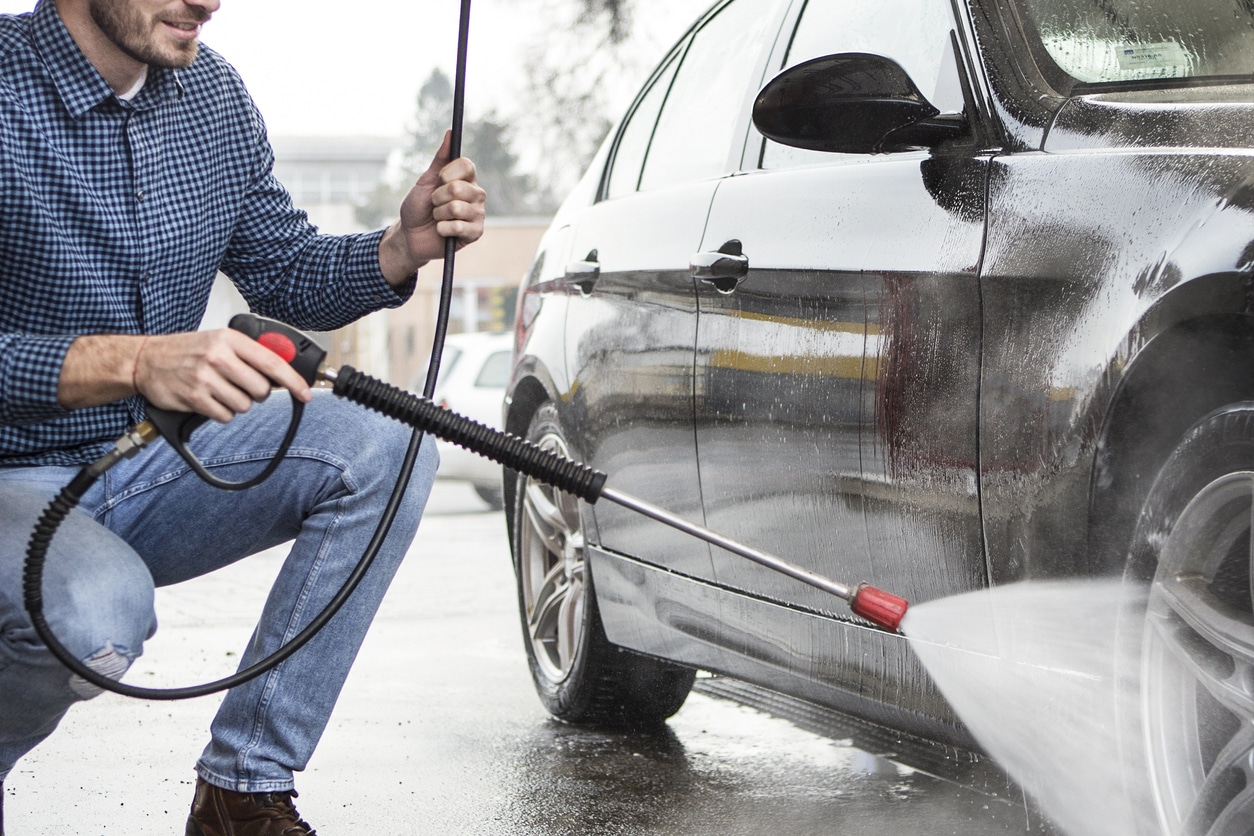
Nozzles control water flow and pressure. A 25-degree nozzle sprays water in a wide fan, good for rinsing. A 40-degree nozzle is even gentler, best for delicate surfaces like car paint.
A 0-degree nozzle gives a narrow, strong spray. It can damage your car’s surface if used too close. Use the right nozzle to clean without scratching or peeling paint.
Credit: www.simoniz.uk
Risks Of Excessive Pressure
Using too much pressure while washing a car can cause serious problems. It may seem like a good idea to blast dirt away quickly. Yet, high pressure can harm your vehicle and create safety issues. Knowing the risks helps you avoid costly damage.
Paint Damage
Strong water pressure can strip the car’s paint. This leaves the surface dull and uneven. Scratches may appear if dirt and grit are pushed hard against the paint. Over time, the clear coat can peel away. This weakens protection against rust and weather.
Water Intrusion
High pressure can force water into tight spaces. Doors, windows, and seals might leak. Water inside the car can cause mold and bad smells. Electronic parts may short circuit or fail. This leads to expensive repairs and inconvenience.
Safety Concerns
Power washers with excessive force can cause injuries. The strong spray can hurt skin or eyes. Slippery surfaces increase the risk of falls. Untrained users might lose control of the equipment. Always use the correct pressure and take safety measures.
Tips For Safe And Effective Car Washing
Washing a car needs care to protect its surface. Using the right pressure is key for cleaning well without harm. Follow simple tips to keep your car safe and shiny after every wash.
Proper Distance And Angle
Keep the pressure washer nozzle about 12 to 18 inches from the car. Hold it at a slight angle to avoid direct hits. This stops paint damage and water from pushing dirt inside parts.
Pre-wash Preparation
Remove loose dirt with a soft brush or cloth before using water. Check for cracks or weak spots on the car’s surface. Cover sensitive areas like mirrors and lights to protect them from strong water jets.
Post-wash Care
Dry the car with a clean microfiber towel to prevent water spots. Check for any missed dirt and clean gently by hand. Apply a wax layer to protect the paint and keep the shine longer.
Pressure Settings For Different Wash Stages
Understanding the right pressure settings for each car wash stage helps protect your vehicle. Each step needs a specific pressure level to clean well without damage. Using the wrong pressure can cause scratches or miss dirt spots. This guide breaks down pressure settings for initial rinse, soap application, and final rinse.
Initial Rinse
Start with a low to medium pressure, around 1200 to 1500 PSI. This removes loose dirt and dust gently. Strong pressure can push dirt into the paint and cause scratches. Keep the nozzle at least 12 inches from the car surface. This step prepares the car for soap and deeper cleaning.
Soap Application
Use low pressure, about 1000 PSI or less. The goal is to cover the car with soap evenly. High pressure can wash soap away too fast. Use a foam cannon or soap dispenser if possible. Let the soap sit for a few minutes to break dirt down before rinsing.
Final Rinse
Increase pressure slightly to 1500 to 1900 PSI for rinsing soap off. Strong enough to remove soap but gentle on paint. Keep the nozzle moving to avoid damage in one spot. Hold the nozzle 12 to 18 inches from the surface. This rinse leaves the car clean and streak-free.
Common Mistakes To Avoid
Washing a car might seem simple, but many people make common mistakes. These errors can harm your vehicle’s paint and parts. Avoiding these mistakes keeps your car safe and clean.
Knowing the right pressure for washing helps avoid damage. Use the correct tools and follow simple rules for the best results.
Using Too High Pressure
High pressure can strip paint and cause scratches. It can also force water into sensitive parts. Use moderate pressure to protect your car’s surface. Always test a small area first.
Ignoring Manufacturer Guidelines
Car makers provide instructions on washing and pressure. Ignoring these can void warranties or damage paint. Check your owner’s manual for pressure limits. Follow their advice for safe cleaning.
Skipping Protective Measures
Skipping protection can lead to broken mirrors or cracked lights. Cover sensitive parts with plastic or tape before washing. Use foam or soap to soften dirt before rinsing. These steps reduce damage risk.
Credit: washh.com
Frequently Asked Questions
What Pressure Is Ideal For Washing A Car Safely?
The ideal pressure for washing a car is between 1200 to 1900 PSI. This range cleans effectively without damaging paint or decals.
Can Too Much Pressure Damage My Car’s Paint?
Yes, pressures above 2000 PSI can chip or strip paint. Always use moderate pressure to protect your car’s finish.
How Does Pressure Affect Dirt Removal Efficiency?
Higher pressure removes stubborn dirt faster but risks damage. Moderate pressure balances cleanliness and surface protection effectively.
Is A Pressure Washer Necessary For Car Washing?
No, a pressure washer is helpful but not necessary. Gentle hand washing can also maintain your car’s appearance safely.
Conclusion
Using the right pressure helps clean your car safely and well. Too much pressure can damage paint and parts. Too little pressure may leave dirt behind. Around 1200 to 1900 PSI works best for most cars. Always test the pressure on a small spot first.
Choose the right nozzle and keep it moving. This way, your car stays clean without harm. A good wash keeps your car looking fresh and new. Easy steps, great results. Simple and smart.


