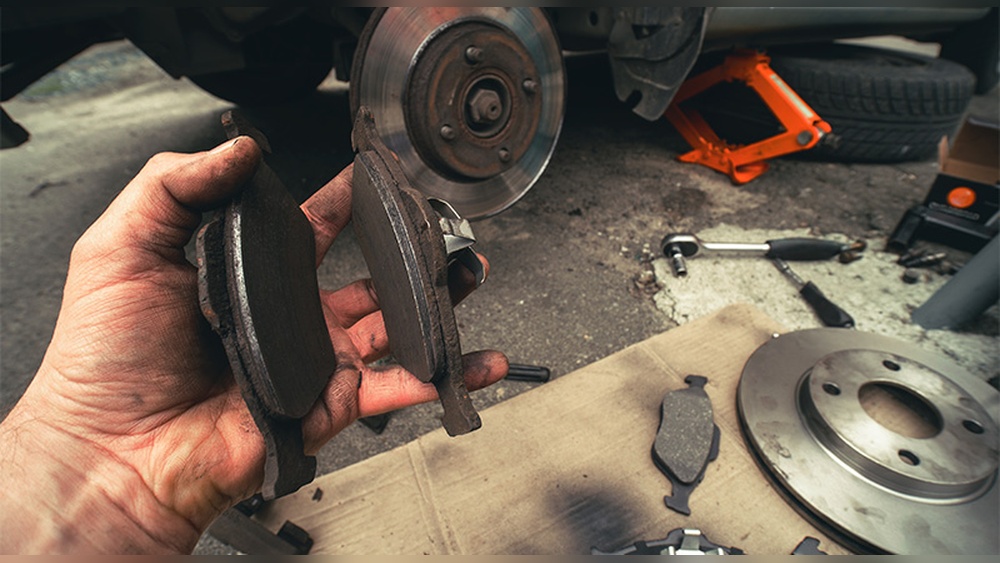
Are you wondering how much it will cost to replace your brakes and rotors? Knowing the price beforehand can save you from unexpected expenses and help you plan your budget.
Whether you’re hearing squeaky sounds or feeling vibrations when you brake, understanding the cost is the first step to keeping your car safe and running smoothly. You’ll discover the key factors that influence brake and rotor prices, and learn how to get the best value without compromising quality.
Keep reading to make sure you’re ready when it’s time for a brake upgrade.
Brake System Basics
The brake system is one of the most important parts of a car. It helps you stop safely and avoid accidents. Understanding how brakes and rotors work can help you know why they cost what they do. A basic knowledge of the brake system makes it easier to maintain your vehicle and keep it running smoothly.
Brakes and rotors work together to slow down or stop your car. Each part has a special job. Knowing these roles helps you see why repairs and replacements may cost different amounts.
Types Of Brakes
There are two main types of brakes: disc brakes and drum brakes. Disc brakes use a flat rotor and pads to stop the car. Drum brakes have a drum and brake shoes inside it. Most modern cars use disc brakes on the front wheels. Some cars use disc brakes on all wheels. Drum brakes are usually found on older or smaller vehicles. Disc brakes are better at stopping quickly and handling heat. Brake type affects the cost of parts and repairs.
Role Of Rotors
Rotors are the flat, round parts attached to the wheels. When you press the brake pedal, brake pads squeeze the rotors. This action creates friction. Friction slows down the wheel and stops the car. Rotors must be smooth and strong. If they get worn or damaged, braking becomes unsafe. Rotors can be resurfaced or replaced, depending on damage. Their condition impacts the price of brake repairs.
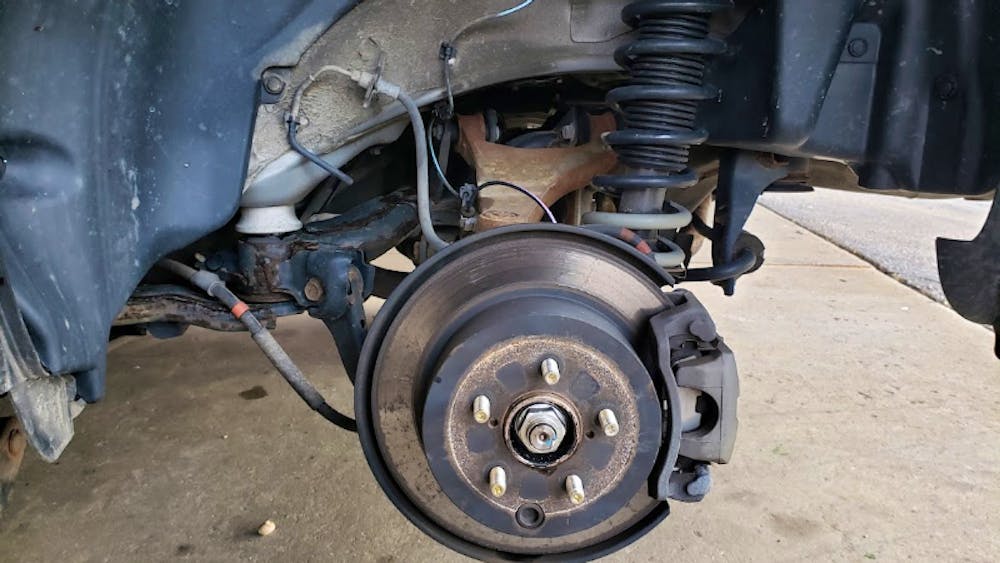
Credit: www.cartalk.com
Factors Influencing Cost
Several factors affect the cost of brakes and rotors. These parts vary in price depending on specific details. Understanding these factors helps you estimate the total expense.
Each element plays a role in the final cost. Knowing them can guide your choice and budget planning.
Vehicle Make And Model
Different cars need different brake parts. Luxury or rare models often have pricier components. Common cars use standard parts that cost less. The size and type of the vehicle also matter. Bigger vehicles usually require larger, more expensive brakes and rotors.
Quality Of Parts
Brakes and rotors come in various qualities. OEM parts match the car maker’s standards but cost more. Aftermarket parts may be cheaper but vary in durability. High-quality parts last longer and perform better. Choosing quality affects safety and long-term expenses.
Labor Charges
Installing brakes and rotors needs skilled work. Labor costs depend on the mechanic’s hourly rate. Some shops charge more for complex vehicles. Time needed for replacement also changes the price. Always consider labor fees along with parts cost.
Price Breakdown
Understanding the price breakdown helps you plan for brake and rotor replacements. Costs vary based on parts and labor. Knowing each part’s cost gives clear insight into the total expense.
Cost Of Brake Pads
Brake pads usually cost between $30 and $100 per set. Prices depend on material quality and brand. Organic pads are cheaper but wear out faster. Ceramic pads cost more but last longer and create less dust. Semi-metallic pads fall in the middle for price and performance.
Cost Of Rotors
Rotors generally cost from $40 to $150 each. The price depends on size and material. Standard rotors are less expensive. Performance or drilled rotors cost more. Sometimes, rotors need machining, which adds extra fees. Replacing rotors often improves braking quality and safety.
Additional Parts And Supplies
Other parts may be needed, like calipers or brake fluid. Caliper replacements can range from $50 to $150 each. Brake fluid costs around $10 to $20 per bottle. Labor charges vary but usually add significantly to the total. Small parts like clips and grease also add minor costs.
Diy Vs Professional Service
Deciding between fixing brakes and rotors yourself or hiring a professional can be tough. Both options have costs and benefits. Understanding these can help you save money and keep your car safe.
DIY repair might seem cheaper but requires tools and knowledge. Professional service costs more but offers expertise and safety. Let’s explore the pros and cons of each choice.
Pros And Cons Of Diy
Doing brake and rotor work yourself saves labor costs. Parts only, no extra fees. You learn new skills and gain confidence in car care.
DIY needs special tools like a jack and brake caliper tool. Mistakes can cause serious safety risks. It takes time and patience to do it right.
Some people find DIY rewarding but others get frustrated. Check your skill level before starting. Watch tutorials and follow instructions carefully.
When To Hire A Mechanic
Call a mechanic if you lack tools or experience. Professional shops ensure brakes and rotors are installed correctly. They check for hidden problems too.
Complex brake systems or unusual noises need expert attention. Mechanics offer warranties for their work. This protects you from future costs.
Choose a professional if safety is your top priority. They save time and avoid guesswork. A small extra cost can prevent big repair bills later.
Saving On Brake Repairs
Saving money on brake repairs is possible with smart choices. Brakes and rotors are essential for safety, but costs can add up fast. Knowing where to cut costs helps keep your car safe and your wallet happy.
Aftermarket Vs Oem Parts
Choosing the right parts affects the price a lot. OEM parts come from the car maker. They fit perfectly but cost more. Aftermarket parts are made by other companies. They cost less and work fine for many cars.
Check reviews and quality before buying aftermarket parts. Some offer good performance at a lower price. This choice can save you hundreds on brake repairs.
Seasonal Discounts And Coupons
Many shops offer discounts at certain times of the year. Winter and spring often have sales on brake services. Use coupons found online or in local ads to lower costs.
Call local mechanics to ask about current deals. Plan repairs during discount seasons to save more. Small savings add up over time, making brake care affordable.
Signs You Need Brake Replacement
Brakes are one of the most important parts of your car. They keep you safe on the road. Knowing the signs that your brakes need replacement can prevent accidents.
Ignoring brake problems can lead to costly repairs. It can also put your safety at risk. Watch for common symptoms that show your brakes need attention.
Common Brake Issues
Squeaking or grinding noises mean brake pads are worn out. A soft or spongy brake pedal may show air in the brake lines. Your car pulling to one side during braking is a sign of uneven brake wear. Vibration or shaking when braking points to warped rotors.
Rotor Wear Indicators
Rotors have small grooves or ridges called wear indicators. These help you know when rotors need replacement. If you feel pulsing in the brake pedal, the rotors might be warped. Visual checks can show if rotors are thin or cracked. Thin rotors reduce braking power and must be replaced.
Maintaining Brake Health
Keeping your brakes in good shape is very important for safety and cost savings. Healthy brakes stop your car quickly and smoothly. They also last longer, which means fewer repairs. Simple care steps can protect your brakes and rotors. These steps help you avoid big expenses and keep your car safe on the road.
Regular Inspections
Check your brakes regularly to spot problems early. Look for noises, vibrations, or a soft brake pedal. These signs show wear or damage. Visit a mechanic every 10,000 to 15,000 miles. They can measure rotor thickness and pad wear. Early fixes prevent bigger, expensive repairs later.
Driving Habits To Extend Brake Life
Drive gently to protect your brakes. Avoid hard stops and sudden braking. Use engine braking by shifting to a lower gear on hills. Keep a safe distance from other cars to brake less often. Smooth driving reduces heat and wear on brake parts. This helps rotors and pads last longer.

Credit: www.ryannissan.com
Credit: blog.napacanada.com
Frequently Asked Questions
How Much Do Brake Pads Typically Cost?
Brake pads usually cost between $30 and $75 per axle. Prices vary based on brand and vehicle type. Labor costs may add $80 to $150 if professionally installed.
What Is The Average Cost For Brake Rotors Replacement?
Replacing brake rotors generally costs $200 to $400 per axle. High-performance or specialty rotors may increase the price. Labor fees can add $100 to $150.
Can I Replace Brakes And Rotors Myself To Save Money?
Yes, DIY replacement saves labor costs but requires tools and skills. Incorrect installation risks safety and may cause damage. Consider professional help if unsure.
How Often Should Brakes And Rotors Be Replaced?
Brake pads usually need replacement every 30,000 to 70,000 miles. Rotors last about 50,000 to 70,000 miles but depend on driving habits. Regular inspection ensures timely replacement.
Conclusion
Brake and rotor costs vary by car type and part quality. Labor fees also affect the total price. Regular checks help avoid sudden, costly repairs. Choosing the right parts saves money and ensures safety. Always compare prices from different shops before deciding.
Good brakes keep you and others safe on the road. Understanding costs helps you plan your car maintenance better. Don’t wait until brakes fail; act early to protect your vehicle.