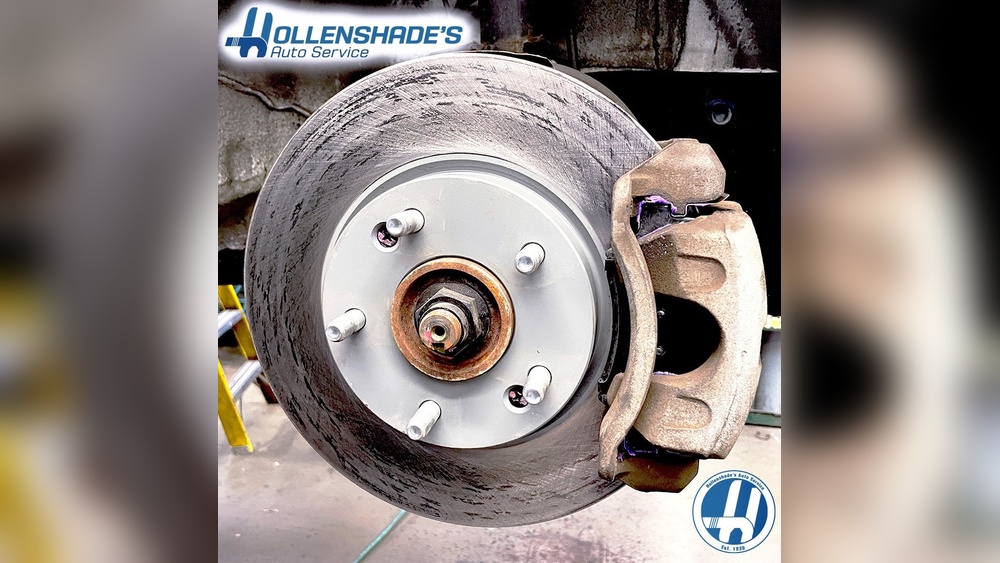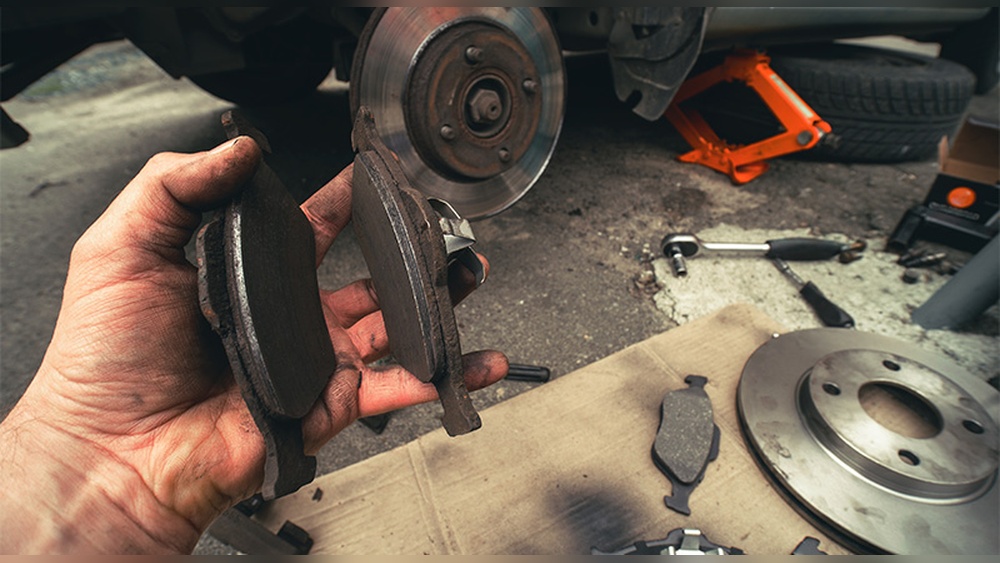
Are you hearing strange noises when you brake or feeling your car pull to one side? It might be time to replace your brakes and rotors.
But before you make a decision, you probably want to know one thing: How much is brake and rotor replacement going to cost you? Understanding the price can help you avoid surprises and make the best choice for your safety and budget.
Keep reading to discover the real costs, what affects them, and how to get the most value for your money. Your car—and your wallet—will thank you.

Credit: www.youtube.com
Brake Replacement Costs
Brake replacement is a common car repair. It keeps your vehicle safe and stops it well. Knowing the cost helps you plan for this service. Prices vary widely based on many things. Understanding these factors can save you money and stress.
Average Price Range
Brake replacement usually costs between $150 and $300 per axle. This price includes new brake pads and labor. Luxury cars and trucks may cost more. The final bill depends on your car type and service center. Simple brake jobs can be cheaper, but expect to pay around $200 on average.
Factors Affecting Brake Costs
Several things change the price of brake replacement. The car’s make and model are important. High-end cars need special parts that cost more. Labor rates differ by location and shop type. The condition of your rotors also matters. If rotors need replacing, expect a higher bill. Sometimes, extra work like cleaning or hardware changes adds to the cost.
Brake Pad Types And Pricing
Brake pads come in several types, affecting price and performance. Organic pads cost less but wear faster. Semi-metallic pads balance price and durability. Ceramic pads last longest and cost the most. Your choice depends on driving style and budget. Cheaper pads save money now but may wear out quickly. Premium pads offer better stopping power and longer life.
Credit: omegaautocare.com
Rotor Replacement Expenses
Rotor replacement costs vary depending on several factors. Knowing these expenses helps plan your car maintenance budget better. Rotors are key parts of your braking system. Worn or damaged rotors can cause poor brake performance and safety risks.
Typical Rotor Prices
Most rotors cost between $30 and $75 each. Luxury or high-performance cars may have rotors priced above $100. Prices depend on the car model and rotor quality. Labor charges for replacement usually add $80 to $150. Buying rotors and brake pads together can sometimes lower total costs.
Impact Of Rotor Material
Rotors come in different materials. Cast iron is common and affordable. It lasts long but weighs more. Carbon composite rotors are light and strong. They cost much more and are used in sports cars. Steel rotors offer good durability at a medium price. Material choice affects the rotor price and performance.
When To Replace Rotors
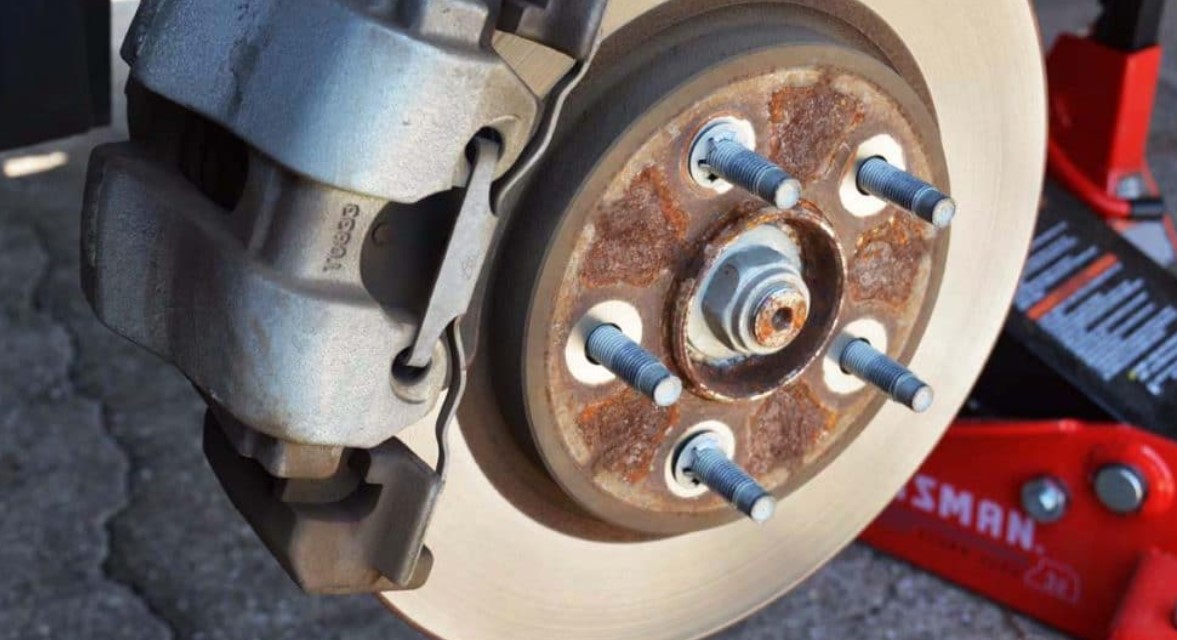
Rotors need replacement if they are warped or cracked. Deep grooves or rust also signal replacement time. Brake vibration or noise can mean rotor issues. Always check rotor thickness during brake service. Thin rotors cannot cool well and can fail quickly.
Labor Charges And Additional Fees
Labor charges and extra fees make a big part of the total cost for brake and rotor replacement. These costs vary depending on the workshop, the car model, and the type of service. Knowing about these charges helps you plan your budget better.
Workshop Labor Rates
Labor rates differ from one workshop to another. Some shops charge by the hour, usually between $70 and $120. Others may offer a flat fee for brake and rotor replacement. Luxury or specialty cars often have higher labor rates due to complexity.
The time to replace brakes and rotors usually takes 1 to 2 hours. This means labor alone can cost $70 to $240 or more. Always ask the workshop about their hourly rate before booking.
Hidden Costs To Watch For
Extra fees can add up quickly. Some shops charge for disposal of old parts. You might also pay for brake fluid replacement or hardware kits. Sometimes taxes or shop supplies fees apply. These charges are often not included in the initial quote.
Ask for a full breakdown of costs. This helps avoid surprises on your bill. Watch out for charges on unnecessary services or parts.
Diy Vs Professional Service
Doing brake and rotor replacement yourself can save labor costs. You only pay for parts and tools. Yet, this job requires skill and the right tools. Mistakes can cause safety issues or damage.
Professional service costs more but ensures proper work. Mechanics have experience and equipment to do the job right. You also get a warranty on parts and labor. Choose carefully based on your skill level and budget.
Ways To Save On Brake And Rotor Replacement
Brake and rotor replacement can be costly. Saving money on this service helps keep your car safe without spending too much. There are smart ways to lower costs. Understanding these tips will help you make better choices. Spend less and get good quality work done.
Using Quality Aftermarket Parts
Aftermarket parts often cost less than original parts. They can be just as reliable when chosen well. Many brands offer high-quality brake pads and rotors. These parts meet safety standards and last long. Choosing quality aftermarket parts saves money and keeps your car safe.
Routine Maintenance Tips
Regular car maintenance helps avoid big repair bills. Check brake pads every few months for wear. Keep brake fluid clean and topped up. Clean rotors to prevent damage and rust. Small checks catch problems early, saving money on full replacements.
Finding Reliable Mechanics
Choose mechanics with good reviews and fair prices. Experienced professionals do the job right the first time. Ask for quotes from several shops before deciding. Reliable mechanics explain the work and parts clearly. Trustworthy service saves money by avoiding repeat repairs.
Signs You Need Brake And Rotor Service
Brakes and rotors work together to keep your car safe. Over time, they wear out. Knowing the signs helps you avoid bigger problems. Early service saves money and keeps driving smooth.
Watch for changes in how your brakes feel or sound. These clues tell you when to check your brake system. Paying attention helps you act before damage gets worse.
Common Warning Symptoms
Squeaking or grinding noises mean brake pads may be worn down. A soft or spongy brake pedal shows air or fluid issues. Vibrations in the brake pedal or steering wheel suggest rotor problems. Longer stopping distances also warn you to check brakes soon.
Effects Of Delayed Replacement
Ignoring brake and rotor issues makes damage worse. Rotors can warp, causing shaking and poor braking. Worn pads damage rotors faster, raising repair costs. Brake failure risk grows, threatening your safety. Timely replacement protects your car and your life.

Credit: shop.advanceautoparts.com
Frequently Asked Questions
How Much Does Brake And Rotor Replacement Cost?
Brake and rotor replacement costs range from $250 to $500 on average. Prices vary by vehicle type, parts quality, and labor fees. Luxury or performance cars typically incur higher costs. Always get a detailed estimate from your mechanic before proceeding.
What Factors Affect Brake And Rotor Replacement Price?
The main factors are vehicle make, part quality, and labor rates. OEM parts cost more than aftermarket alternatives. Labor fees differ by location and shop reputation. Additional repairs, like caliper replacement, can also increase the total price.
How Often Should Brakes And Rotors Be Replaced?
Brake pads usually need replacing every 30,000 to 70,000 miles. Rotors can last 50,000 to 70,000 miles but vary by driving habits. Signs like vibration or noise indicate it’s time for replacement. Regular inspections help maintain optimal brake performance.
Can I Replace Brake Pads Without Changing Rotors?
Yes, but it depends on rotor condition. If rotors are warped or worn below thickness, replacement is necessary. Smooth, undamaged rotors can often be reused with new brake pads. Your mechanic can assess and advise the best option.
Conclusion
Brake and rotor replacement costs vary by car and location. Parts and labor affect the total price. Regular checks help avoid expensive repairs later. Choose quality parts for safety and durability. Timely replacement keeps your vehicle running smoothly. Always ask for a clear price estimate before work starts.
Taking care of brakes protects you and others on the road. Stay informed and maintain your vehicle well.