

If you drive a diesel vehicle, you might not realize how important your fuel filter is. It works quietly behind the scenes, keeping your engine running smoothly by catching dirt and impurities before they cause damage.
But how often should you change your diesel fuel filter? Ignoring this simple maintenance step could lead to costly repairs and poor engine performance. You’ll discover the right timing to replace your fuel filter, how to spot the signs it’s time for a change, and why staying on top of this can save you money and headaches.
Keep reading to protect your engine and keep your diesel running at its best.
Role Of Diesel Fuel Filters
Diesel fuel filters play a key role in keeping your engine safe and running well. They clean the fuel before it reaches the engine. This process helps avoid damage and keeps the engine working smoothly. Understanding their role helps you know why changing them regularly matters.
Protecting The Engine
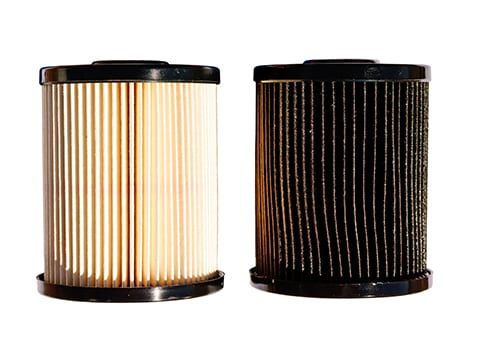
The diesel fuel filter stops dirt and debris from entering the engine. Dirt can cause wear and tear on engine parts. The filter acts as a barrier to protect these parts. Without a clean filter, the engine may get damaged quickly. This can lead to costly repairs and downtime.
Filtering Contaminants
Fuel can have water, rust, and other harmful particles. These contaminants reduce engine efficiency and cause clogging. The fuel filter traps these particles before they reach the engine. Clean fuel helps the engine burn fuel better. It also stops fuel injectors from getting blocked.
Impact On Performance
A clean fuel filter improves engine performance and fuel efficiency. It helps the engine get the right amount of fuel smoothly. A clogged filter limits fuel flow and makes the engine work harder. This lowers power and increases fuel consumption. Regular filter changes keep the engine running strong and save fuel.
Credit: www.waynesautocenter.com
Signs Fuel Filter Needs Replacement
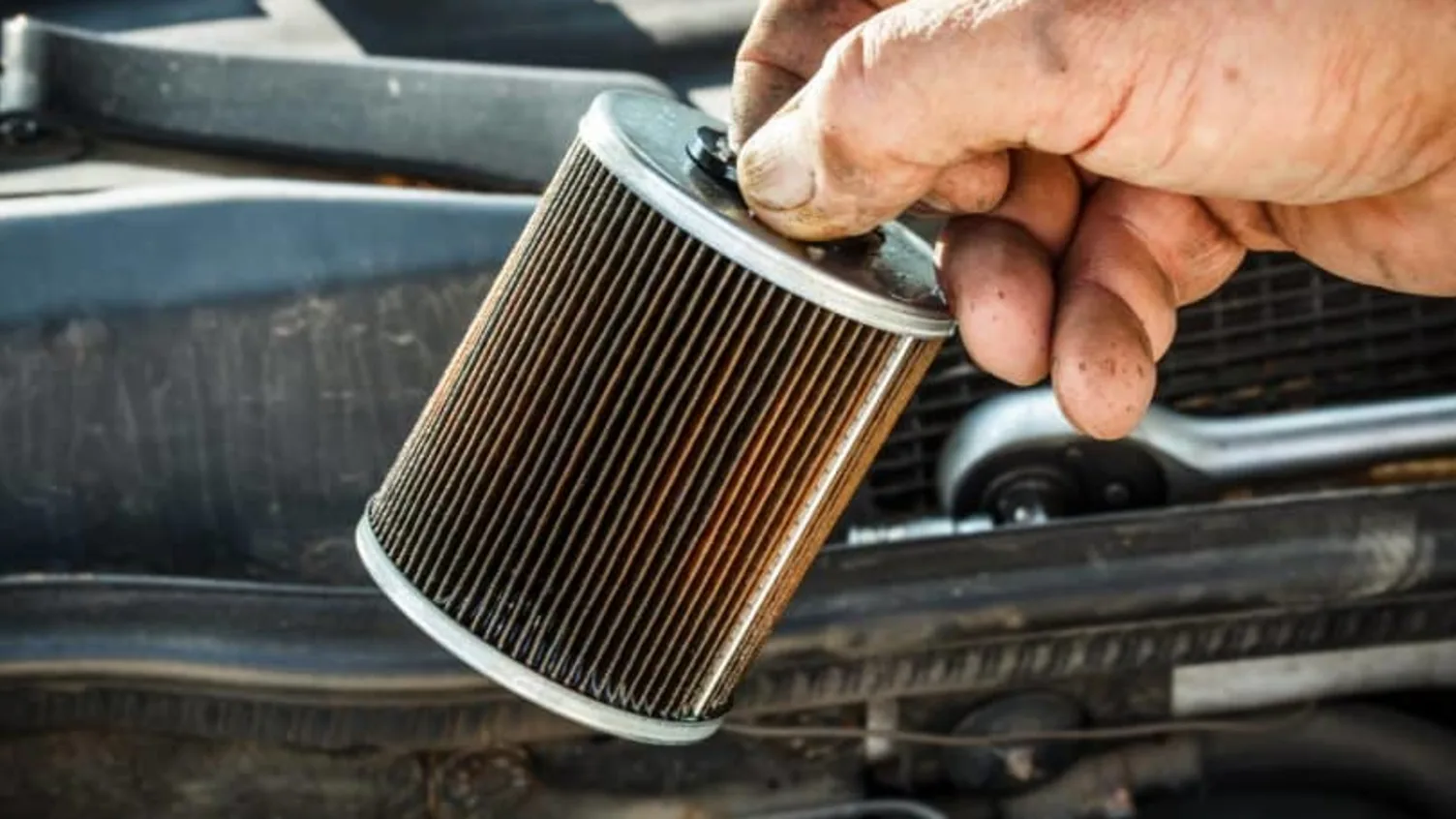
A diesel engine’s fuel filter keeps dirt and debris out of the fuel system. Over time, this filter gets clogged and stops working well. The engine may show signs that the fuel filter needs changing. Recognizing these signs early can save you from bigger repairs and poor engine performance.
Reduced Engine Power
A clogged fuel filter limits fuel flow to the engine. The engine runs weaker and loses power. You may notice slower acceleration or trouble climbing hills. This drop in power means the fuel filter is blocking fuel supply.
Difficulty Starting
Dirty fuel filters make it hard to start the engine. The fuel flow is not steady or strong enough. The engine may crank longer before starting or fail to start at all. This shows the fuel filter needs replacement soon.
Unusual Engine Noises
A blocked fuel filter causes the engine to make strange sounds. You might hear knocking or sputtering noises. These noises occur because the fuel supply is irregular. Changing the fuel filter can stop these unwanted sounds.
Poor Fuel Efficiency
The engine uses more fuel if the filter is dirty. It struggles to burn fuel properly. This leads to increased fuel consumption and higher costs. Replacing the fuel filter helps improve fuel economy and engine health.
Recommended Replacement Intervals
Knowing when to change your diesel fuel filter helps keep your engine healthy. The right replacement intervals stop dirt and debris from damaging the fuel system. This section explains how often to replace the filter based on different factors.
Manufacturer Guidelines
Car makers suggest specific times to change the fuel filter. This advice comes from tests and engine design. Check your vehicle’s manual for exact intervals. Following these guidelines protects your engine and maintains warranty coverage.
Influence Of Driving Conditions
Driving in dusty or rough areas clogs filters faster. Frequent short trips or stop-and-go traffic also increase wear. In harsh conditions, change the fuel filter more often than usual. Clean fuel keeps your engine running smoothly and avoids costly repairs.
Mileage Vs Time
Fuel filters wear out with use and age. Some recommend replacement every 20,000 to 40,000 miles. Others suggest changing the filter every 1 to 2 years, even if mileage is low. Replace the filter whichever comes first to avoid problems.
Credit: www.bigboxcars.com.au
Step-by-step Fuel Filter Replacement
Replacing the diesel fuel filter is important for engine health. It keeps fuel clean and prevents damage. This step-by-step guide shows how to change the fuel filter safely and effectively. Follow each step carefully to ensure the job is done right.
Gathering Tools And Materials
Prepare all tools before starting. You need a new fuel filter, wrenches, screwdrivers, and rags. Have a container ready to catch spilled fuel. Wear gloves and eye protection for safety.
Locating The Fuel Filter
Find the fuel filter under the hood or near the fuel tank. It usually looks like a small canister with fuel lines attached. Check your vehicle’s manual if you cannot locate it.
Removing The Old Filter
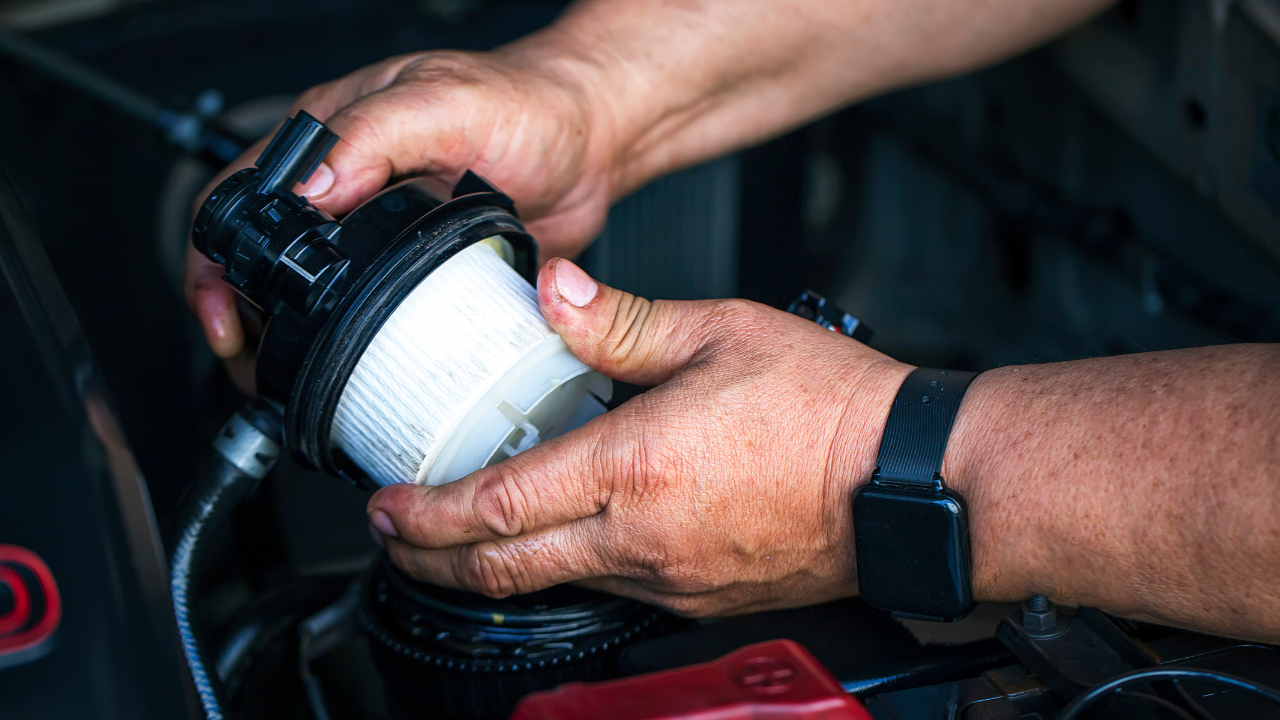
Turn off the engine and relieve fuel system pressure. Loosen the clamps or bolts holding the filter. Carefully disconnect the fuel lines. Remove the old filter and dispose of it properly.
Installing The New Filter
Compare the new filter with the old one to ensure a match. Attach the new filter in the correct direction. Tighten clamps or bolts securely. Reconnect the fuel lines without leaks.
Bleeding The Fuel System
Remove air trapped in the fuel system for smooth engine start. Use the bleed screw or pump the fuel primer. Repeat until fuel flows steadily without air bubbles. Check for leaks before starting the engine.
Preventive Measures For Fuel System Care
Taking care of the fuel system in a diesel engine is key to its long life. Dirt and water in fuel can harm engine parts. Regular care helps keep the system clean and working well. This section explains simple steps to protect your fuel system and change the fuel filter at the right time.
Using Quality Diesel Fuel
Good diesel fuel protects the engine from damage. It has fewer impurities and less water. Always buy fuel from trusted stations. Clean fuel lowers the risk of clogging the fuel filter. It also helps the engine run smoothly and saves money on repairs.
Regular Fuel System Inspections
Check the fuel system often to spot problems early. Look for leaks, cracks, or dirt around the filter and pipes. Regular inspections help catch issues before they get worse. Replace the fuel filter as recommended by the vehicle maker. This keeps the fuel flow clean and steady.
Avoiding Contaminated Fuel
Contaminated fuel causes many engine problems. Dirt, water, and other particles can enter the tank during refueling. Use clean containers when storing diesel. Avoid filling fuel in dusty or wet places. Keeping fuel clean extends the life of the fuel filter and the engine.
Common Mistakes To Avoid
Changing the diesel fuel filter is important for engine health. Many people make mistakes that harm their vehicle’s performance. Avoiding these errors saves money and keeps the engine running smoothly. Below are common mistakes to watch out for.
Ignoring Warning Signs
Warning signs show when the fuel filter needs attention. Weak engine power, rough idling, or hard starting are signals. Ignoring these signs can cause serious engine damage. Check the filter at the first sign of trouble. Acting early prevents costly repairs.
Delaying Replacement
Fuel filters wear out over time and need regular changes. Delaying the replacement lets dirt build up inside the filter. This blocks fuel flow and reduces engine efficiency. Follow the manufacturer’s schedule for changing the filter. Staying on time keeps the engine clean and strong.
Incorrect Installation
Installing the fuel filter the wrong way causes leaks and poor fuel flow. Use the right tools and follow instructions carefully. Make sure the filter fits tightly and is installed in the correct direction. Double-check your work to avoid engine problems later.
Benefits Of Timely Fuel Filter Changes
Changing the fuel filter on time brings many benefits. It keeps the diesel engine running smoothly. Clean fuel reaches the engine without dirt or rust. This simple step helps avoid major engine problems and saves money on repairs.
Improved Engine Longevity
A clean fuel filter protects the engine parts. Dirt and debris do not enter the fuel system. This reduces wear and tear on engine components. The engine lasts longer and stays reliable. Regular filter changes prevent early engine failure.
Enhanced Fuel Efficiency
Clean fuel flows easily through the system. The engine burns fuel better and uses less fuel. This means better mileage and lower fuel costs. A clogged filter makes the engine work harder. Changing the filter keeps fuel use efficient.
Reduced Emissions
A clean fuel filter helps the engine burn fuel fully. This lowers harmful smoke and gases from the exhaust. Reduced emissions protect the environment and meet regulations. Timely filter changes contribute to cleaner air.
Credit: universalautospares.com.au
Frequently Asked Questions
How Often Should You Change A Diesel Fuel Filter?
A diesel fuel filter should be changed every 10,000 to 25,000 miles. This varies by vehicle and driving conditions. Regular changes prevent clogs and engine damage. Always check your vehicle’s manual for specific recommendations.
What Are Signs Of A Clogged Diesel Fuel Filter?
Signs include engine misfires, reduced power, rough idling, and difficulty starting. A clogged filter restricts fuel flow, causing poor performance. If you notice these symptoms, inspect and possibly replace the fuel filter promptly.
Can A Dirty Fuel Filter Damage A Diesel Engine?
Yes, a dirty filter can cause fuel starvation, leading to engine stalling or damage. It strains the fuel pump and injectors, reducing engine efficiency. Timely replacement protects engine components and maintains optimal performance.
Does Diesel Fuel Quality Affect Filter Lifespan?
Absolutely. Poor-quality diesel contains more contaminants, clogging the filter faster. Using clean, high-quality fuel extends filter life and improves engine health. Always source fuel from reputable suppliers to reduce filter issues.
Conclusion
Changing your diesel fuel filter regularly keeps your engine healthy. Dirty filters block fuel and reduce performance. Check your vehicle’s manual for the right change interval. Usually, changing it every 10,000 to 25,000 miles works well. Watch for signs like rough idling or poor acceleration.
Clean fuel means better mileage and fewer repairs. Don’t wait too long to replace the filter. Stay on schedule to avoid costly engine problems. Simple steps protect your diesel engine and save money. Keep your fuel filter fresh and your engine running smooth.


