Is your vehicle struggling to start or losing power unexpectedly? A blocked fuel filter might be the hidden culprit causing these frustrating problems.
If you want to keep your engine running smoothly and avoid costly repairs, knowing how to fix a blocked fuel filter is essential. You’ll discover simple, clear steps to identify and clear the blockage, saving you time and money. Keep reading to take control of your vehicle’s performance and get back on the road with confidence.
Signs Of A Blocked Fuel Filter
A blocked fuel filter can cause many problems in your vehicle. It stops fuel from reaching the engine properly. Knowing the signs helps you fix it early. Catching issues fast can save time and money.
Notice changes in how your car runs. Listen for strange sounds. Watch how the engine starts. These clues tell you if the fuel filter needs attention.
Engine Performance Issues
The engine may run rough or lose power. It might hesitate during acceleration. The car can stall or jerk while driving. Poor fuel flow starves the engine, causing these problems.
Starting Problems
The engine may crank but not start easily. It can take longer to turn on. Sometimes, the engine may not start at all. A clogged filter blocks fuel from reaching the engine.
Unusual Noises
You might hear sputtering or coughing sounds. The engine can make knocking noises. These sounds come from fuel supply issues. A blocked filter can cause the engine to struggle.
Credit: www.inmonauto.com
Tools And Materials Needed
Fixing a blocked fuel filter requires the right tools and materials. Having everything ready makes the job easier and faster. Safety is important, so prepare well before starting.
Basic Tools
You need a wrench set to loosen fuel lines. A screwdriver helps remove clamps or covers. Pliers come in handy for gripping and pulling parts. A container can catch fuel spills during removal. Clean rags help wipe away dirt and fuel.
Replacement Parts
Buy a new fuel filter that fits your vehicle model. Use fresh fuel-resistant clamps to secure the filter. Keep some extra fuel hose in case the old hose is damaged. Check your vehicle manual for the exact parts needed.
Safety Gear
Wear gloves to protect your hands from fuel. Safety glasses shield your eyes from splashes. Work in a well-ventilated area to avoid fuel fumes. Keep a fire extinguisher nearby in case of emergencies.
Locating The Fuel Filter
Finding the fuel filter is the first step in fixing a blocked one. It filters dirt and debris from the fuel. Knowing its location helps in quick removal and replacement. Each vehicle has a different setup. Some filters are easy to spot, while others hide deep inside. Understanding where to look saves time and effort.
Common Fuel Filter Positions
The fuel filter often sits along the fuel line. Many vehicles place it near the fuel tank. Others mount it under the car, close to the engine. Some filters are inside the fuel pump assembly. Look for a small, cylindrical part connected to fuel hoses. Check under the hood or beneath the vehicle’s body. Dirt and grime may cover it, so clean the area first.
Consulting The Vehicle Manual
The vehicle manual is a reliable source. It shows exact locations of parts like the fuel filter. Manuals include diagrams and step-by-step instructions. Check the section about fuel system maintenance. Using the manual reduces the risk of damaging other parts. It helps identify tools needed for the job. Always keep the manual handy during repairs.

Credit: erautocare.com
Steps To Remove The Blocked Filter
Removing a blocked fuel filter is a key step to fix fuel flow issues. The process involves careful handling to avoid fuel spills and damage. Follow these clear steps to remove the old filter safely and correctly.
Relieving Fuel System Pressure
Start by relieving the pressure in the fuel system. This stops fuel from spraying when you disconnect the filter. Locate the fuel pump fuse and remove it. Then, start the engine and wait for it to stop. This uses up leftover fuel pressure.
Disconnecting Fuel Lines
Next, find the fuel lines connected to the filter. Use a wrench or quick-connect tool to loosen them. Be ready with a cloth or container to catch any fuel leaks. Work slowly to avoid damaging the lines or connectors.
Removing The Old Filter
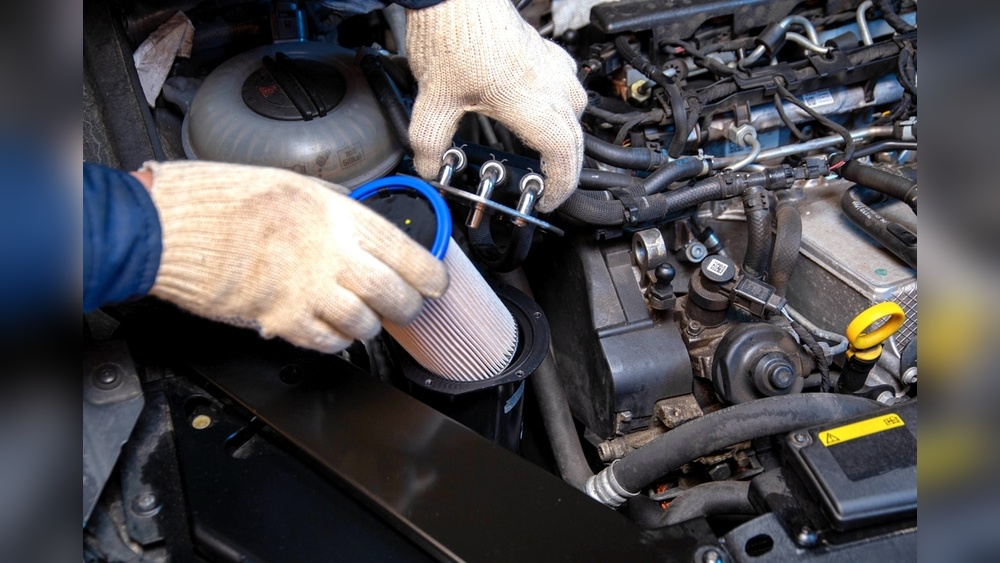
Finally, remove the old fuel filter from its mounting bracket. Some filters twist off, others have bolts. Keep track of the filter’s direction for correct installation of the new one. Dispose of the old filter safely, following local rules.
Cleaning Vs Replacing The Filter
Deciding between cleaning and replacing a blocked fuel filter depends on several factors. Both methods have pros and cons. Understanding when to clean or replace helps keep your vehicle running smoothly.
When To Clean
Cleaning a fuel filter saves money and time. It works well if the filter is only slightly dirty. Remove the filter and rinse it with a suitable cleaner. Check for visible dirt or debris. Cleaning helps restore flow without buying a new part.
When To Replace
Replace the fuel filter if it is heavily clogged or damaged. Filters have a limited lifespan. Old filters reduce engine performance and fuel efficiency. Replacement ensures clean fuel reaches the engine. Use a new filter designed for your vehicle model.
Choosing The Right Filter
Pick a filter that matches your vehicle’s specifications. Look for quality and durability. Using the correct filter prevents future blockages. Check the filter’s compatibility with your fuel type. A good filter protects the engine and improves performance.
Installing The New Or Cleaned Filter
Installing the new or cleaned fuel filter is a key step in fixing a blocked fuel filter. This process ensures your engine gets clean fuel. Proper installation helps avoid leaks and engine problems. Follow each step carefully for the best results.
Proper Orientation
Check the direction arrow on the fuel filter. It shows the flow of fuel. Install the filter so the arrow points toward the engine. Wrong orientation can block fuel flow. This can cause engine damage or poor performance.
Reconnecting Fuel Lines
Attach the fuel lines to the filter ends securely. Push the hoses fully onto the filter’s connectors. Use clamps to hold the lines tight. Loose connections can cause fuel leaks. Take care to avoid twisting or bending the lines.
Securing The Filter
Place the filter in its holder or bracket. Tighten any screws or clamps to keep it stable. A loose filter can vibrate and disconnect. This may stop fuel from reaching the engine. Ensure the filter is firm but not over-tightened to avoid damage.
Testing After Replacement
After replacing a blocked fuel filter, testing is important. It helps confirm the fix and ensures the vehicle runs smoothly. This step prevents future problems and keeps the engine safe. Follow simple checks to verify the job is done right.
Checking For Leaks
Inspect the fuel filter area carefully for leaks. Look for any signs of fuel dripping or wet spots. Tighten connections if you spot leaks. No leaks mean fuel flows properly and safely.
Starting The Engine
Turn the ignition key to start the engine. Listen closely for smooth engine sounds. The engine should start without hesitation or sputtering. A quick start shows the fuel filter works well.
Monitoring Performance
Drive the vehicle and watch how it performs. Notice if the engine runs steadily without stalls. Check for improved acceleration and power. Good performance means the fuel filter is fixed and fuel flows freely.
Preventing Future Blockages
Preventing future blockages in your fuel filter helps keep your engine running smoothly. Dirt and debris cause blockages that reduce fuel flow. Taking simple steps can stop these issues before they start. Here are key ways to protect your fuel system.
Regular Maintenance Tips
Change the fuel filter as recommended by your vehicle’s manual. Regular checks catch problems early. Clean or replace parts if you notice dirt or clogging. Keep your fuel tank clean and avoid running low on fuel. Dirt from the bottom of the tank can clog the filter.
Using Quality Fuel
Choose fuel from trusted stations only. Poor quality fuel has more dirt and water. These impurities can block the filter faster. Using good fuel reduces the risk of damage to the fuel system. It also improves engine performance and saves money on repairs.
Fuel System Additives
Additives help clean the fuel system and prevent deposits. Use products designed to remove dirt and prevent rust. Follow the instructions on the product label carefully. Regular use keeps the fuel lines and filter cleaner. This reduces the chance of blockages and engine problems.

Credit: www.youtube.com
Frequently Asked Questions
What Are The Signs Of A Blocked Fuel Filter?
A blocked fuel filter causes engine misfires, poor acceleration, and difficulty starting. You may notice reduced fuel efficiency and unusual engine noises. These signs indicate restricted fuel flow needing immediate attention.
How Do You Safely Replace A Blocked Fuel Filter?
Turn off the engine and relieve fuel system pressure. Wear safety gloves and eyewear. Disconnect the fuel lines carefully, remove the old filter, and install a new one following the vehicle manual instructions.
Can A Blocked Fuel Filter Damage The Engine?
Yes, a blocked filter restricts fuel flow, causing engine strain. This can lead to overheating, stalling, and potential engine damage. Timely replacement prevents costly repairs and maintains engine health.
How Often Should You Change The Fuel Filter?
Most manufacturers recommend changing the fuel filter every 20,000 to 30,000 miles. Check your vehicle manual for specifics. Regular replacement ensures optimal engine performance and fuel efficiency.
Conclusion
A blocked fuel filter can cause many car problems. Cleaning or replacing the filter helps the engine run better. Always check your fuel filter regularly to avoid issues. Using clean fuel also keeps the filter clear. Taking care of this small part saves time and money.
Your car will drive smoother and use fuel more efficiently. Simple steps can prevent bigger repairs later. Keep your vehicle in good shape by watching the fuel filter closely. Easy maintenance makes a big difference on the road.