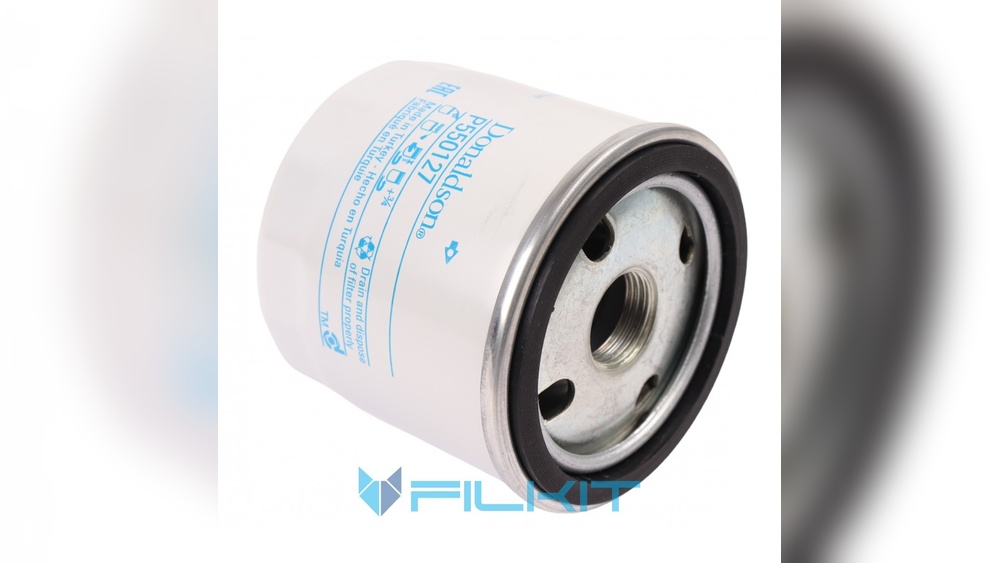
If you drive a diesel vehicle, you might wonder, “How often do I need to change my fuel filter?” This small part plays a big role in keeping your engine running smoothly. Ignoring it could lead to costly repairs or poor performance.
You’ll discover exactly when and why you should replace your diesel fuel filter. Keep reading to protect your engine and save money in the long run.
Fuel Filter Basics
Understanding the basics of fuel filters helps keep your diesel engine healthy. Fuel filters clean the diesel before it reaches the engine. Clean fuel means better engine performance and longer engine life. Knowing the role and types of fuel filters guides you on maintenance and replacement.
Role In Diesel Engines
Fuel filters trap dirt, rust, and other particles from diesel fuel. This prevents damage to engine parts like injectors and pumps. Clean fuel helps the engine run smoothly and reduces wear. A clogged fuel filter can cause engine problems and reduce fuel efficiency. Changing the fuel filter regularly protects your engine and saves repair costs.
Types Of Fuel Filters
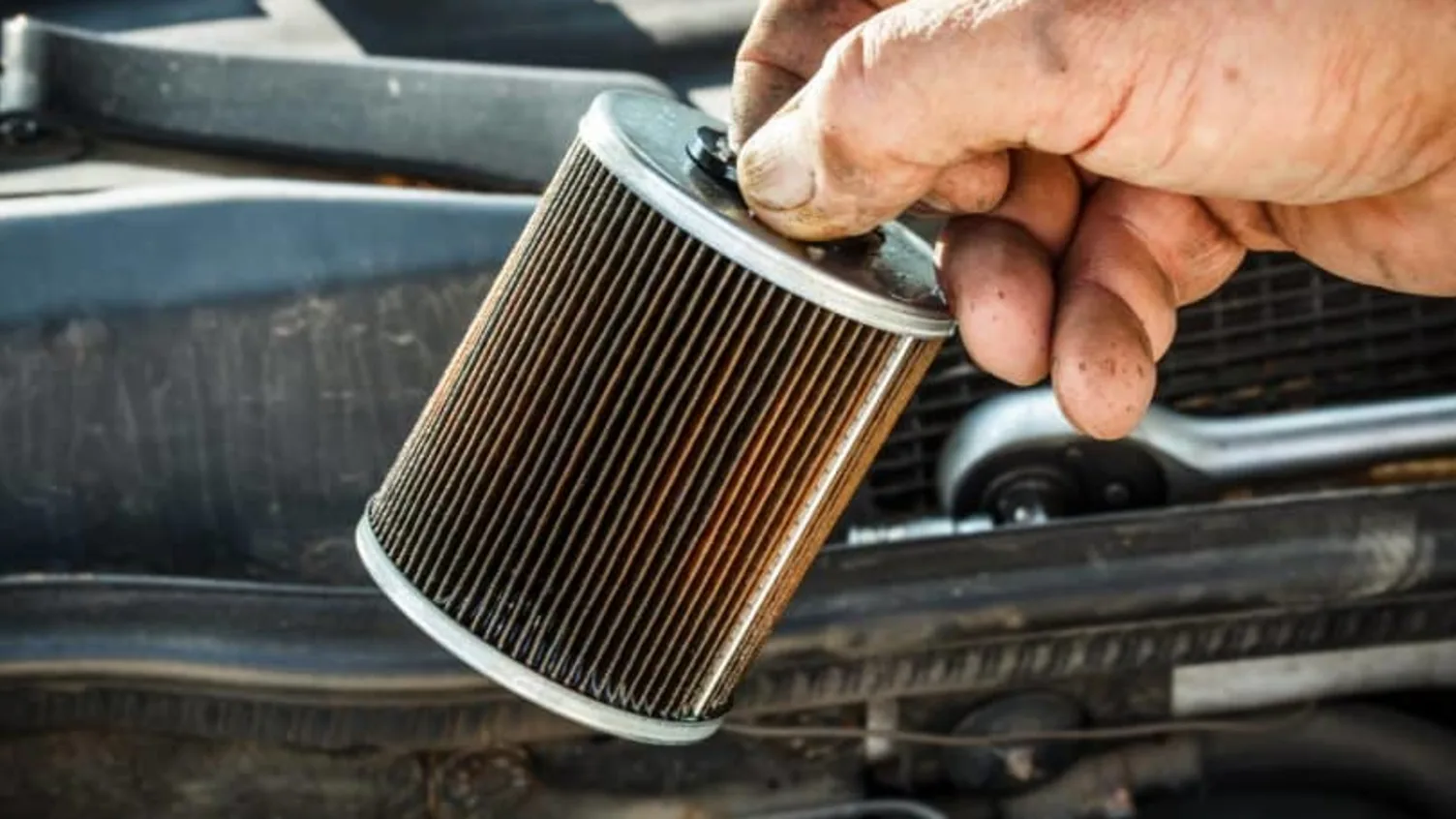
There are several types of fuel filters for diesel engines. The most common is the cartridge filter, which is easy to replace. Another type is the spin-on filter, similar to an oil filter. Some engines use a combination of pre-filters and main filters for better cleaning. Water separators are also important to remove water from diesel fuel. Knowing the type of filter in your vehicle helps with proper care.
Credit: www.bigboxcars.com.au
Signs Of A Clogged Fuel Filter
A clogged fuel filter in a diesel engine causes several noticeable problems. It blocks the flow of fuel to the engine. This makes the engine work harder and less efficiently. Recognizing the signs early can save you from costly repairs and keep your vehicle running smoothly.
Engine Performance Issues
The engine may hesitate or stall during acceleration. You might feel a loss of power while driving uphill or carrying heavy loads. Rough idling or misfires can also occur. These happen because the engine does not get enough clean fuel.
Fuel Efficiency Drops
A blocked fuel filter reduces fuel flow to the engine. The engine burns more fuel to maintain power. This leads to higher fuel consumption. You will notice more frequent trips to the gas station. Fuel economy drops without any other visible cause.
Starting Problems
The engine may take longer to start or fail to start at all. A clogged filter restricts fuel from reaching the engine quickly. This causes hard starting, especially in cold weather. Repeated starting attempts can wear out your battery and starter motor.
Recommended Change Intervals
Knowing the right time to change your diesel fuel filter keeps your engine running smoothly. The fuel filter stops dirt and water from damaging the engine. Changing it at the right time helps avoid costly repairs and keeps your vehicle reliable.
Manufacturer Guidelines
Most diesel vehicle makers give clear advice on when to change the fuel filter. This advice is in the owner’s manual. It usually suggests changing the filter every 20,000 to 40,000 miles. Following these rules helps your engine stay clean and efficient. Each brand might have different rules, so always check your manual.
Impact Of Driving Conditions
Driving in tough conditions can wear out your fuel filter faster. Dusty roads, extreme cold, or heavy traffic add stress to the filter. If you drive in these conditions, changing the filter more often is smart. This prevents dirt and water from causing engine problems. Adjust your filter change schedule based on your driving habits.
Credit: bostechauto.com
Changing The Fuel Filter
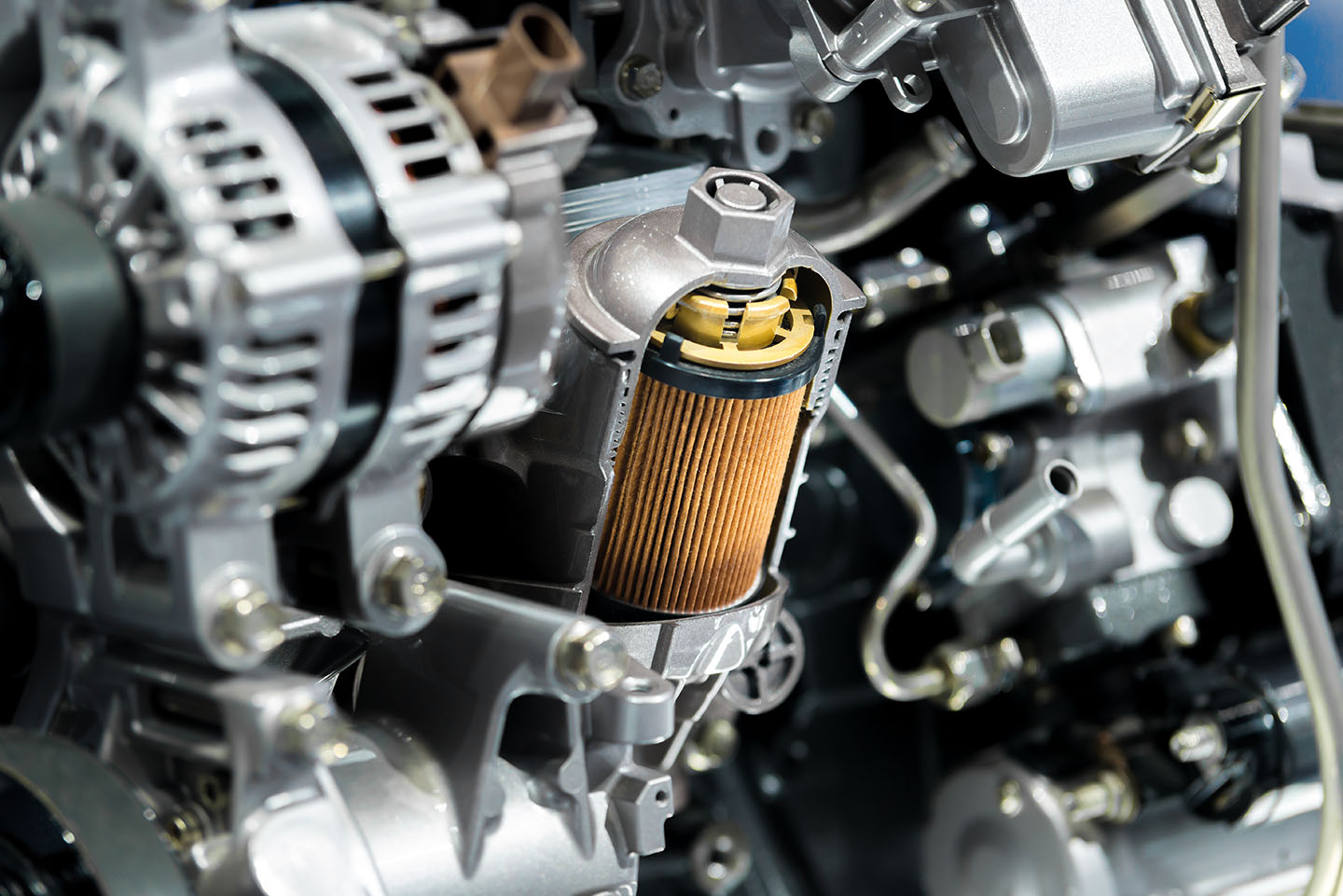
Changing the fuel filter in a diesel engine is essential for smooth performance. Over time, dirt and debris block the filter. This can cause poor engine running and lower fuel efficiency. Regular replacement keeps the fuel system clean and prevents damage.
Knowing how to change the fuel filter yourself saves time and money. The process is simple with the right tools and safety steps. Follow these instructions carefully to do the job right.
Tools Needed
- New diesel fuel filter compatible with your engine
- Wrenches or socket set
- Screwdrivers
- Drain pan to catch fuel
- Clean rags or paper towels
- Gloves to protect your hands
- Safety glasses
Step-by-step Process
- Park your vehicle on a flat surface and turn off the engine.
- Locate the fuel filter; check your vehicle manual if unsure.
- Place the drain pan below the filter to catch fuel spills.
- Loosen and remove the fuel lines connected to the filter.
- Remove the old filter carefully; avoid spilling fuel.
- Install the new filter in the same position as the old one.
- Reconnect the fuel lines tightly to prevent leaks.
- Start the engine and check for leaks around the filter.
- Dispose of the old filter and fuel safely.
Safety Precautions
- Always work in a well-ventilated area to avoid fumes.
- Wear gloves and safety glasses to protect skin and eyes.
- Avoid open flames or sparks near the fuel system.
- Keep a fire extinguisher nearby for emergencies.
- Clean any spilled fuel immediately to reduce fire risk.
- Follow your vehicle’s manual instructions carefully.
Consequences Of Neglect
Neglecting to change the fuel filter in a diesel engine can cause serious problems. Dirt and debris build up in the filter, blocking fuel flow. This leads to poor engine performance and can cause major damage. Understanding the consequences helps keep your vehicle running smoothly and avoids costly repairs.
Engine Damage Risks
A clogged fuel filter reduces fuel flow to the engine. This causes the engine to run lean and overheat. Fuel injectors may get damaged due to dirt and debris. Engine parts wear out faster without clean fuel. In worst cases, the engine can fail completely.
Increased Repair Costs
Ignoring the fuel filter leads to bigger engine problems. Repairing or replacing engine parts costs much more than changing the filter. Fuel system repairs are often expensive and time-consuming. Regular filter changes save money by preventing major damage early.

Credit: www.youtube.com
Tips For Maintaining Fuel Filters
Maintaining fuel filters in diesel engines helps keep the engine clean and running well. Clean filters stop dirt and water from reaching the engine. This prevents damage and saves money on repairs. Simple care steps extend the filter’s life and keep your vehicle reliable.
Follow these tips to keep your fuel filters in good shape. Regular attention prevents problems before they start.
Regular Inspections
Check fuel filters often for dirt and damage. Look for cracks or leaks in the filter housing. A dirty filter blocks fuel flow and reduces engine power. Inspecting early helps spot issues fast. Replace the filter if it looks worn or clogged. Keep a maintenance schedule for checks.
Using Quality Fuel
Use clean diesel fuel from trusted sources only. Poor fuel contains dirt and water that harm filters. Bad fuel clogs filters faster and causes engine trouble. Filling up at reliable stations keeps fuel clean. Avoid old or contaminated fuel. Good fuel helps filters last longer and protects your engine.
Frequently Asked Questions
How Often Should I Change A Diesel Fuel Filter?
Change your diesel fuel filter every 10,000 to 15,000 miles. Check the vehicle manual for exact intervals. Frequent changes improve engine performance and fuel efficiency.
What Happens If I Don’t Change The Fuel Filter?
A clogged fuel filter restricts fuel flow, causing poor engine performance. It can lead to engine misfires, reduced power, and potential damage over time.
Can I Change A Diesel Fuel Filter Myself?
Yes, you can change it yourself with basic tools. Follow safety precautions and refer to the vehicle manual for the correct procedure.
Does Fuel Quality Affect Fuel Filter Lifespan?
Yes, low-quality or contaminated fuel clogs filters faster. Using clean, high-quality diesel extends the fuel filter’s life and protects the engine.
Conclusion
Changing your diesel fuel filter regularly keeps your engine healthy. Most experts suggest replacing it every 10,000 to 15,000 miles. Dirt and water can clog the filter, causing engine problems. Clean fuel means better performance and fewer repairs. Check your vehicle’s manual for exact timing.
Watch for signs like rough idling or slow acceleration. Taking care of the fuel filter saves money and time. Don’t wait until your engine shows trouble. Small steps keep your diesel running smoothly. Simple maintenance goes a long way.