
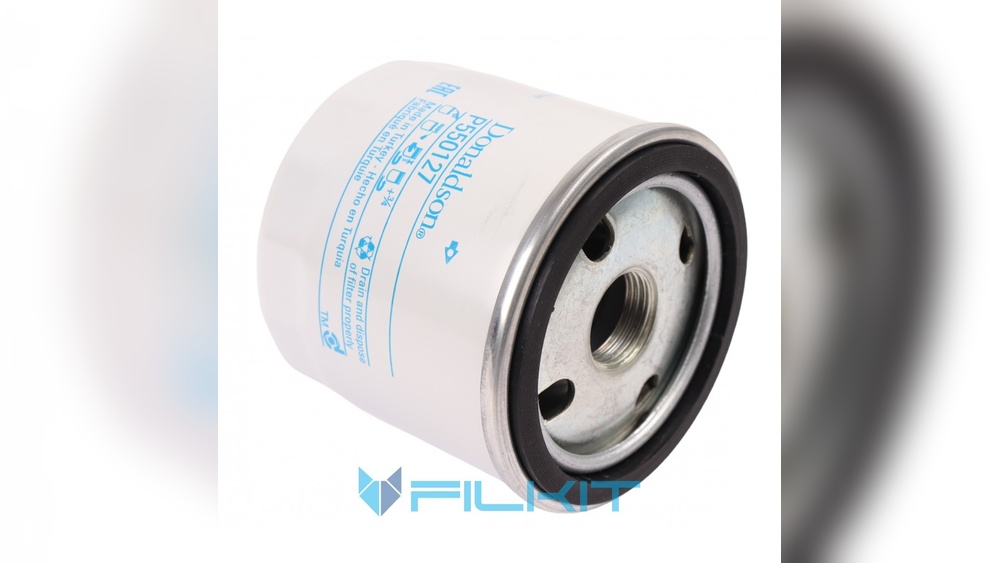
You might not think much about your fuel filter until it’s time to replace it. But once you do, the question arises: how do you safely and properly dispose of your old fuel filter?
If you’re wondering about the best way to handle this, you’re in the right place. Disposing of fuel filters incorrectly can harm the environment and even cause safety hazards. You’ll discover simple, effective steps to get rid of your fuel filter the right way.
Keep reading to protect yourself, your community, and the planet.
Why Proper Disposal Matters
Proper disposal of fuel filters is important for many reasons. These small parts contain harmful substances that can damage the environment and affect health. Throwing them away carelessly leads to pollution and risks for people and animals. Knowing why proper disposal matters helps encourage safe habits and protect our surroundings.
Environmental Risks
Fuel filters hold leftover fuel and chemicals. These substances can leak into soil and water. Contaminated soil harms plants and animals. Polluted water affects fish and drinking supplies. Oil and fuel also create fire hazards in landfills. Proper disposal prevents these dangers. It keeps nature clean and safe for everyone.
Health Hazards
Used fuel filters contain toxic materials. These chemicals can cause skin irritation and breathing problems. People who handle filters without care face health risks. Children and pets are especially vulnerable. Burning or breaking filters releases dangerous fumes. Safe disposal reduces exposure to harmful substances. It protects the health of workers and families.
Types Of Fuel Filters
Fuel filters play a vital role in keeping engines clean. They stop dirt and debris from reaching the fuel system. Choosing the right type of fuel filter matters. It affects how you maintain and dispose of it. Fuel filters come in two main types. Each type has unique features and disposal needs.
Disposable Filters
Disposable fuel filters are made for one-time use. They trap contaminants and must be replaced regularly. These filters are usually made of paper or synthetic materials. After use, they cannot be cleaned or reused. Proper disposal is important to avoid environmental harm. Used filters may contain fuel residues and pollutants. Check local rules for safe disposal methods.
Reusable Filters
Reusable fuel filters can be cleaned and used again. They often have metal or plastic parts with a washable element inside. These filters reduce waste by lasting longer than disposable types. Cleaning involves removing dirt and debris carefully. Reusable filters still need disposal after many uses. Follow guidelines to handle any fuel or dirt inside safely.
Preparation Before Disposal
Proper preparation is key before disposing of a fuel filter. It helps avoid spills and environmental harm. Take time to prepare the filter carefully. This keeps the process safe and clean.
Draining Residual Fuel
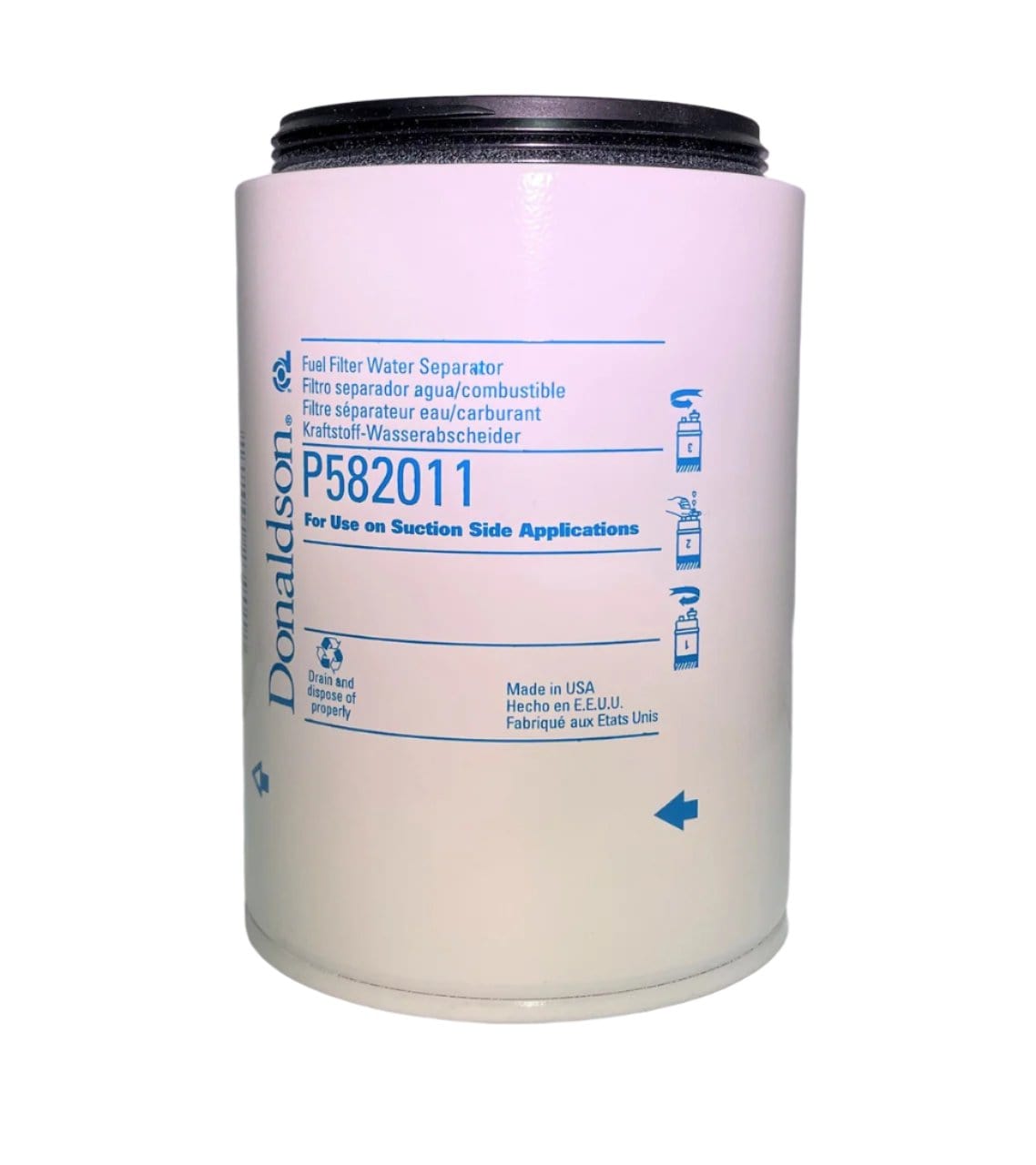
First, drain any leftover fuel inside the filter. Place the filter over a container to catch the fuel. Let all the liquid drain out completely. This step reduces the risk of fire or pollution. Wear gloves to protect your hands from fuel.
Cleaning The Filter
After draining, clean the outside of the filter. Use a rag or paper towel to wipe off dirt and oil. Avoid using water, as it can spread fuel residue. Cleaning keeps the filter safe for handling and disposal. It also prevents leaks during transport.
Credit: firsttruckparts.com
Safe Disposal Methods
Proper disposal of fuel filters is essential to protect the environment and human health. Fuel filters contain harmful substances that can pollute soil and water if not handled correctly. Safe disposal methods reduce risks and ensure these materials do not cause damage.
Local Hazardous Waste Facilities
Local hazardous waste facilities accept used fuel filters. These centers have the tools to handle toxic materials safely. Take your used filter to the nearest facility for proper disposal. They follow rules that protect the environment and public health. Contact your local waste management office to find the closest hazardous waste facility. Many areas offer free drop-off days for hazardous waste items.
Authorized Recycling Centers
Authorized recycling centers process fuel filters to recover usable materials. They separate harmful parts from recyclable components. This reduces waste and prevents pollution. Locate a certified recycling center in your area that accepts fuel filters. Ensure the center follows government guidelines for hazardous waste. Using these centers supports safe recycling and lessens landfill waste.
Eco-friendly Alternatives
Disposing of fuel filters safely helps protect the environment. Using eco-friendly options reduces waste and pollution. Many people want better ways to handle old fuel filters. Choosing green methods makes a big difference for the planet.
Using Recyclable Filters
Recyclable fuel filters are a smart choice. They are made from materials that break down or get reused. Some filters have metal parts you can recycle easily. Always check if your filter brand offers recyclable options. Recycling keeps harmful chemicals out of landfills.
Filter Maintenance Tips
Taking care of your fuel filter extends its life. Clean or replace it at the right time. Avoid letting dirt build up inside the filter. Proper maintenance means fewer replacements and less waste. Regular checks save money and help the environment.
Credit: powertechparts.com
Legal Regulations And Guidelines
Proper disposal of fuel filters is not just about safety. It is also about following the law. Many places have rules about handling waste that contains fuel or oil. These rules protect the environment and public health. Understanding these regulations helps avoid trouble and fines.
Regional Disposal Laws
Each region has its own laws for disposing of fuel filters. Some areas require taking used filters to special recycling centers. Others may allow disposal at hazardous waste sites. Local governments provide clear instructions on how to handle fuel filters. Following these laws prevents pollution and keeps communities safe.
Penalties For Improper Disposal
Throwing away fuel filters incorrectly can lead to fines. Penalties vary from warnings to heavy charges. Some regions may even impose legal action for repeated offenses. Improper disposal harms the environment and water supplies. Authorities take these violations seriously to protect public health.
Common Mistakes To Avoid
Disposing of a fuel filter requires care. Many people make mistakes that harm the environment or cause safety risks. Avoiding these errors helps keep your home and nature safe.
Dumping In Regular Trash
Throwing fuel filters in regular trash is dangerous. Fuel filters often contain leftover fuel or harmful materials. These can leak and cause fires or pollution. Always use proper disposal methods. Check local hazardous waste sites for guidance.
Ignoring Fuel Residue
Fuel filters usually have fuel residue inside. Ignoring this residue can create risks. Residue may leak and cause fires or soil contamination. Before disposal, drain or soak the filter in a safe container. This step reduces danger and helps the environment.
Credit: powertechparts.com
Frequently Asked Questions
How Should I Safely Dispose Of A Used Fuel Filter?
Dispose of used fuel filters at local hazardous waste centers. Avoid regular trash to prevent environmental contamination. Always drain fuel before disposal and store filters in sealed containers for safe transport.
Can I Recycle An Old Fuel Filter?
Most fuel filters cannot be recycled due to fuel residue. Check with your local recycling facility for specific guidelines. Proper disposal is crucial to avoid pollution and health hazards.
Why Is Proper Fuel Filter Disposal Important?
Proper disposal prevents soil and water pollution from harmful fuel residues. It protects wildlife and public health. Following disposal regulations also avoids legal penalties.
What Steps Prepare A Fuel Filter For Disposal?
Drain all fuel completely before removing the filter. Place the filter in a sealed, leak-proof container. Label it clearly and transport it to a certified disposal site.
Conclusion
Proper fuel filter disposal protects the environment and keeps people safe. Always follow local rules and guidelines for handling hazardous waste. Use sealed containers to avoid spills or leaks. Take old filters to designated recycling or disposal centers. Never throw fuel filters in regular trash bins.
Small steps make a big difference in pollution control. Stay responsible and help keep communities clean. Safe disposal also prevents health risks and fire hazards. Remember, careful action today saves trouble tomorrow.


