
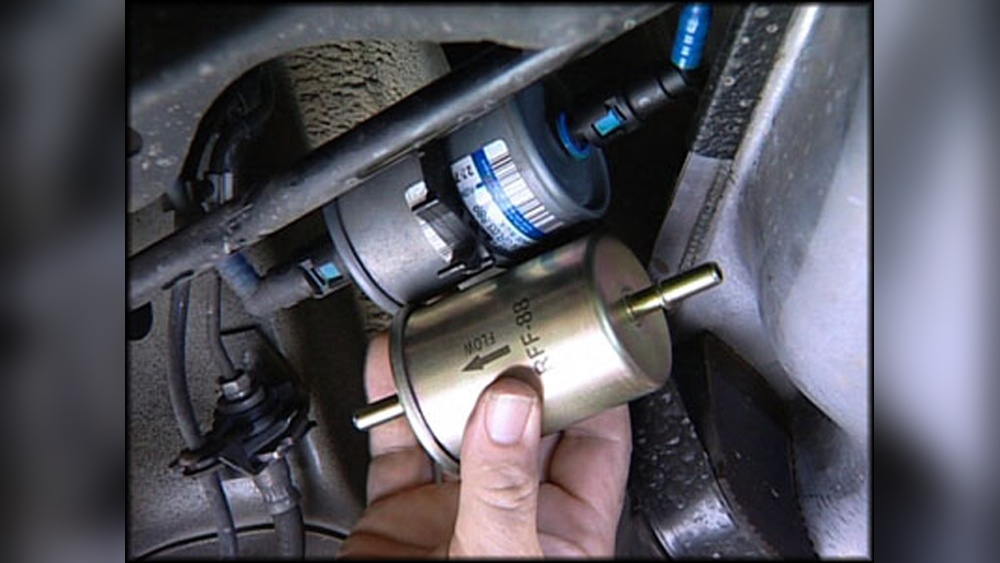
Have you ever wondered how often you should change your fuel filter? It’s a simple question, but the answer can save you from costly repairs and keep your vehicle running smoothly.
Your fuel filter plays a crucial role in protecting your engine from dirt and debris. Ignoring it can lead to poor performance, higher fuel costs, or even engine damage. You’ll discover the signs that tell you it’s time for a change and how to keep your fuel filter in top shape.
Keep reading—you’ll learn exactly what your vehicle needs to stay healthy and save money in the long run.
Role Of A Fuel Filter
The fuel filter plays a key role in protecting your vehicle’s engine. It stops dirt, rust, and other tiny particles from entering the fuel system. Clean fuel means better engine health and longer vehicle life.
A clogged fuel filter can cause fuel flow problems. This may lead to poor engine performance or even engine damage. Understanding the fuel filter’s role helps you keep your vehicle running smoothly.
Fuel Filter Function
The fuel filter acts like a sieve for your fuel. It catches harmful particles before they reach the engine. Without this filter, dirt could clog fuel injectors or damage engine parts.
Fuel flows through the filter before reaching the engine. The filter traps contaminants and lets clean fuel pass. This process protects the engine from wear and tear.
Impact On Engine Performance
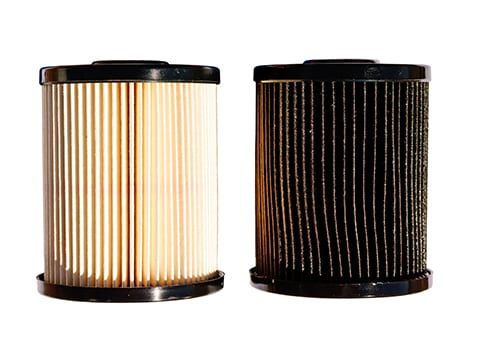
A dirty or clogged fuel filter reduces fuel flow. This causes the engine to run poorly or stall. The engine may hesitate or lose power during acceleration.
Clean fuel filters improve fuel efficiency and engine smoothness. They help maintain steady engine power and reduce emissions. Regular filter changes keep your car running strong.
Credit: www.waynesautocenter.com
Signs Of A Clogged Fuel Filter
A clogged fuel filter affects your vehicle’s performance and fuel system. Recognizing the signs early helps avoid bigger problems. Watch for these common symptoms. They often indicate a fuel filter that needs changing.
Engine Hesitation
The engine may hesitate or stall during acceleration. This happens because fuel flow is blocked. The engine does not get enough fuel to run smoothly. You might feel a delay in power when pressing the gas pedal.
Reduced Fuel Efficiency
Your car uses more fuel than usual. A clogged fuel filter makes the engine work harder. This reduces fuel efficiency and increases fuel consumption. You will notice more visits to the gas station.
Starting Problems
The engine struggles or fails to start. Fuel flow is limited, so the engine starves. You may hear the engine crank but not start. This is a clear sign the fuel filter is dirty or blocked.
Recommended Replacement Intervals
Knowing the right time to change your fuel filter helps keep your vehicle running smoothly. Following recommended replacement intervals prevents engine problems and saves money. These intervals depend on the car maker’s advice, how many miles you drive, and your driving style.
Manufacturer Guidelines
Car makers provide clear instructions for fuel filter changes. These guidelines appear in the owner’s manual. They suggest when and how often to replace the filter. Following these rules keeps your warranty valid and your engine safe.
Mileage-based Recommendations
Many experts suggest changing the fuel filter every 20,000 to 40,000 miles. This range suits most vehicles on the road. Regular replacement stops dirt from clogging the fuel system. It also helps maintain good fuel flow and engine power.
Driving Conditions Impact
Harsh driving conditions can shorten fuel filter life. Dusty roads, heavy traffic, and frequent stops add strain. Drivers in these conditions may need to change filters more often. Checking the filter regularly can avoid sudden engine troubles.
Diy Vs Professional Replacement
Changing your fuel filter is important for your vehicle’s health. You can choose to do it yourself or hire a professional. Each option has its own benefits and challenges. Knowing the difference helps you decide what works best for you.
Tools Needed For Diy
To replace your fuel filter at home, you need a few tools. A wrench set helps loosen bolts. Screwdrivers are useful for clamps or covers. A container to catch fuel is also needed. Safety gloves protect your hands from fuel. Having rags nearby helps clean spills. A jack may be necessary to lift your car.
When To Seek A Mechanic
If you are unsure about the process, a mechanic is better. Complex fuel systems need special skills and tools. Signs like fuel leaks or engine trouble mean you should ask for help. Mechanics can also check for other problems. They save time and reduce risks of mistakes. Let a professional handle the job if you lack experience.
Additional Maintenance Tips
Keeping your fuel filter in good shape is important for your vehicle’s health. Along with changing the fuel filter, there are other simple steps you can take. These extra tips help your engine run smoothly and last longer.
Fuel Quality Considerations
Always use clean and good quality fuel. Poor fuel can clog the filter faster. It can also cause damage to the engine. Avoid filling up at places with dirty or low-quality fuel. Check the fuel before filling to avoid debris and water. Using quality fuel reduces the need for frequent filter changes.
Regular Engine Checkups
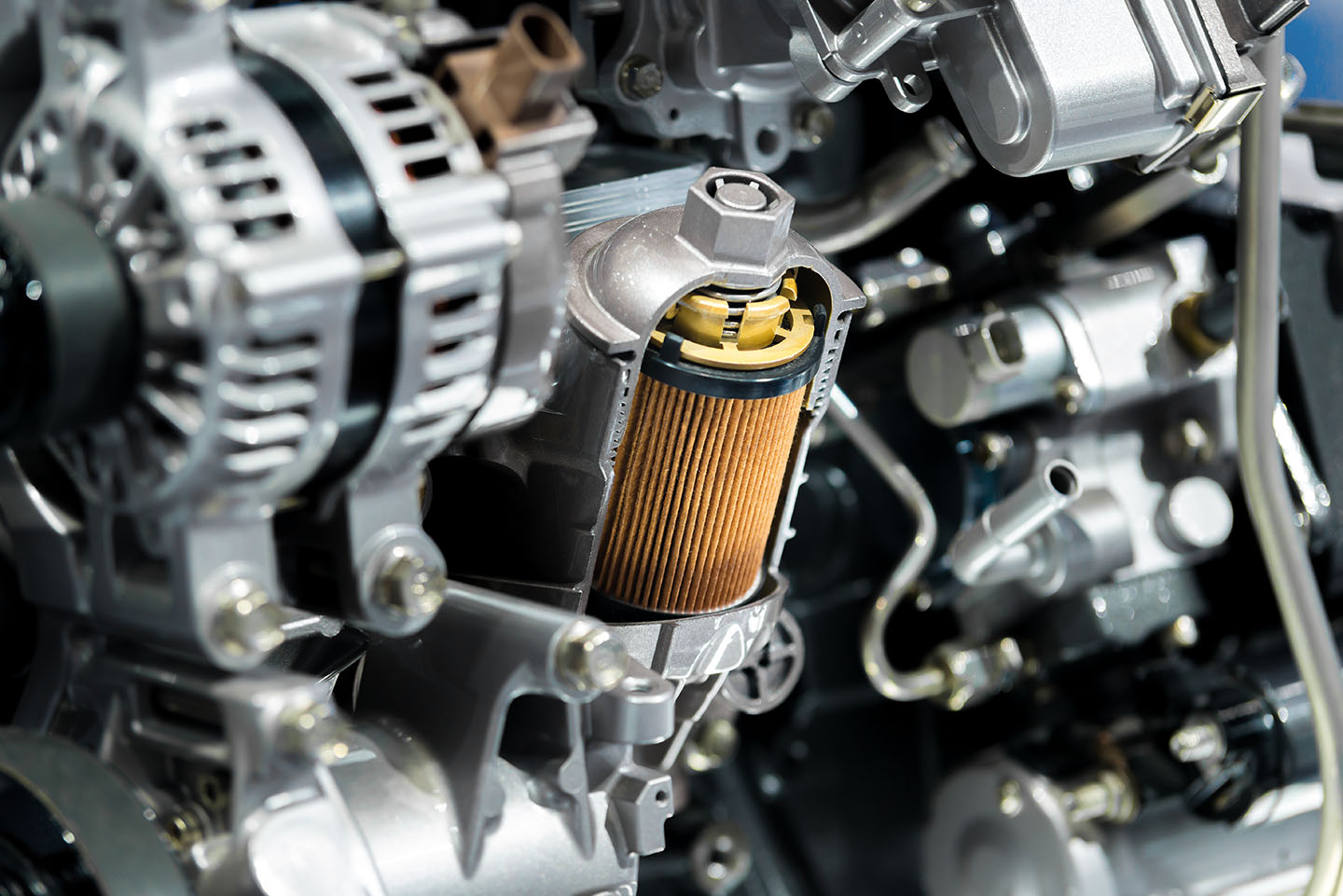
Schedule regular checkups for your engine. A professional can spot problems early. They can check the fuel filter and fuel system. Regular checks help catch issues before they become serious. Keep your engine and fuel filter in top condition with routine inspections.
Credit: bostechauto.com
Credit: www.ievilenergy.com
Frequently Asked Questions
How Often Should You Change Your Fuel Filter?
Typically, change your fuel filter every 20,000 to 40,000 miles. Check your vehicle’s manual for specific intervals. Regular changes keep fuel clean, protecting the engine and improving performance.
What Are Signs Of A Clogged Fuel Filter?
Common signs include engine misfires, poor acceleration, and difficulty starting. You may also notice reduced fuel efficiency. These symptoms indicate restricted fuel flow needing filter replacement.
Can A Dirty Fuel Filter Damage The Engine?
Yes, a dirty filter limits fuel flow, causing engine strain. This can lead to poor performance and possible engine damage over time. Timely filter changes prevent costly repairs.
Is Fuel Filter Replacement Diy Or Professional Job?
Replacing a fuel filter can be done DIY if you have tools and skills. However, professional service ensures correct installation and safety, especially for modern vehicles.
Conclusion
Changing your fuel filter helps keep your car running smooth. A clean filter stops dirt from reaching the engine. Most experts suggest changing it every 20,000 to 40,000 miles. Check your car manual for the best advice. Regular changes save money on repairs later.
Don’t wait for problems to appear. Keep your fuel system healthy and your car strong. Simple steps make a big difference. Stay on top of maintenance and enjoy a reliable ride.


