

Wondering how much a fuel filter replacement will cost you? You’re not alone.
Keeping your car running smoothly means staying on top of maintenance, and the fuel filter plays a key role in that. But the price can vary, and you want to make sure you’re getting a fair deal without breaking the bank.
You’ll find clear, straightforward answers about the costs involved, why this part matters, and how to avoid common pitfalls. Keep reading to protect your car and your wallet.
Credit: www.invidiavoices.co.uk
Fuel Filter Basics
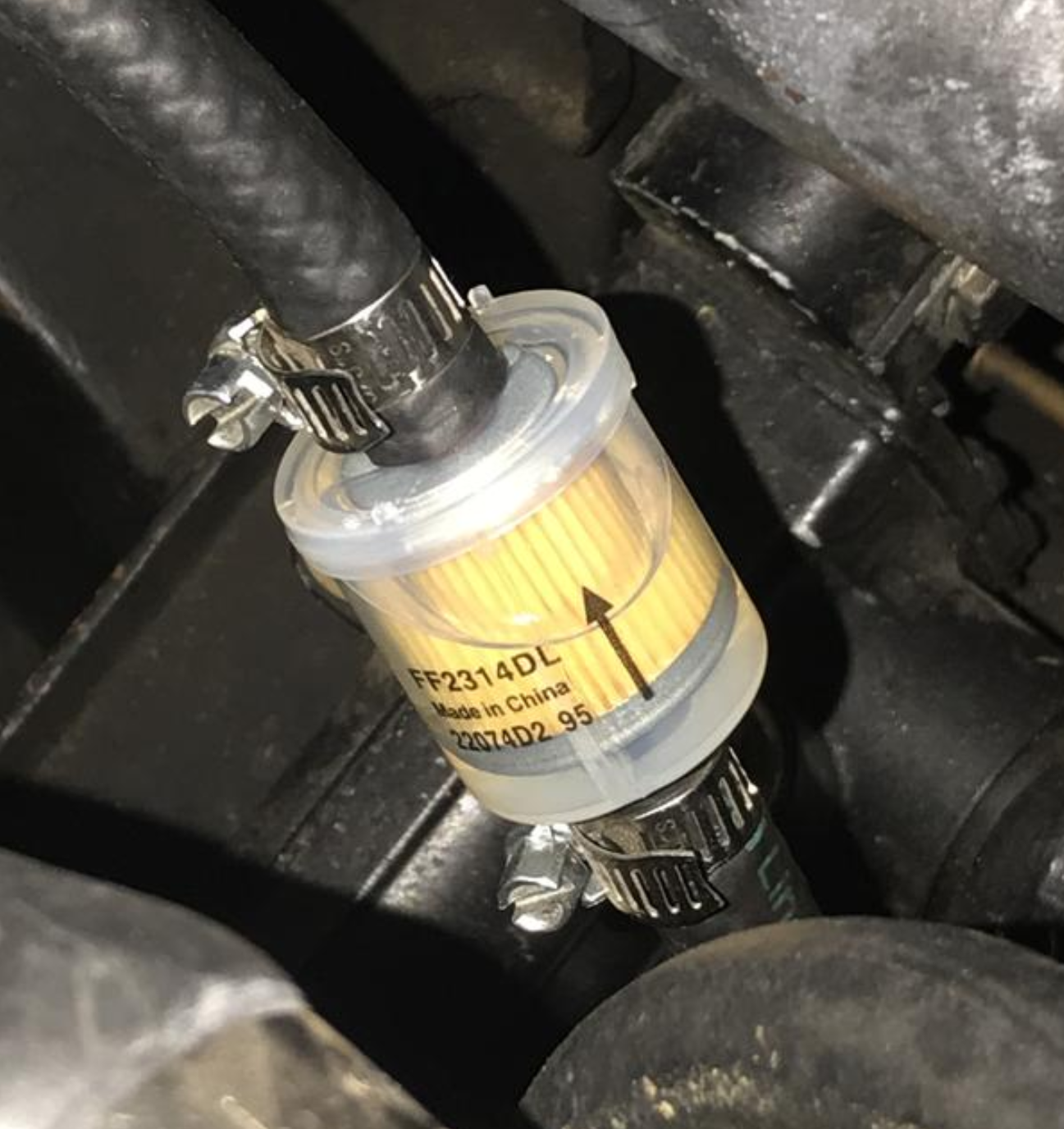
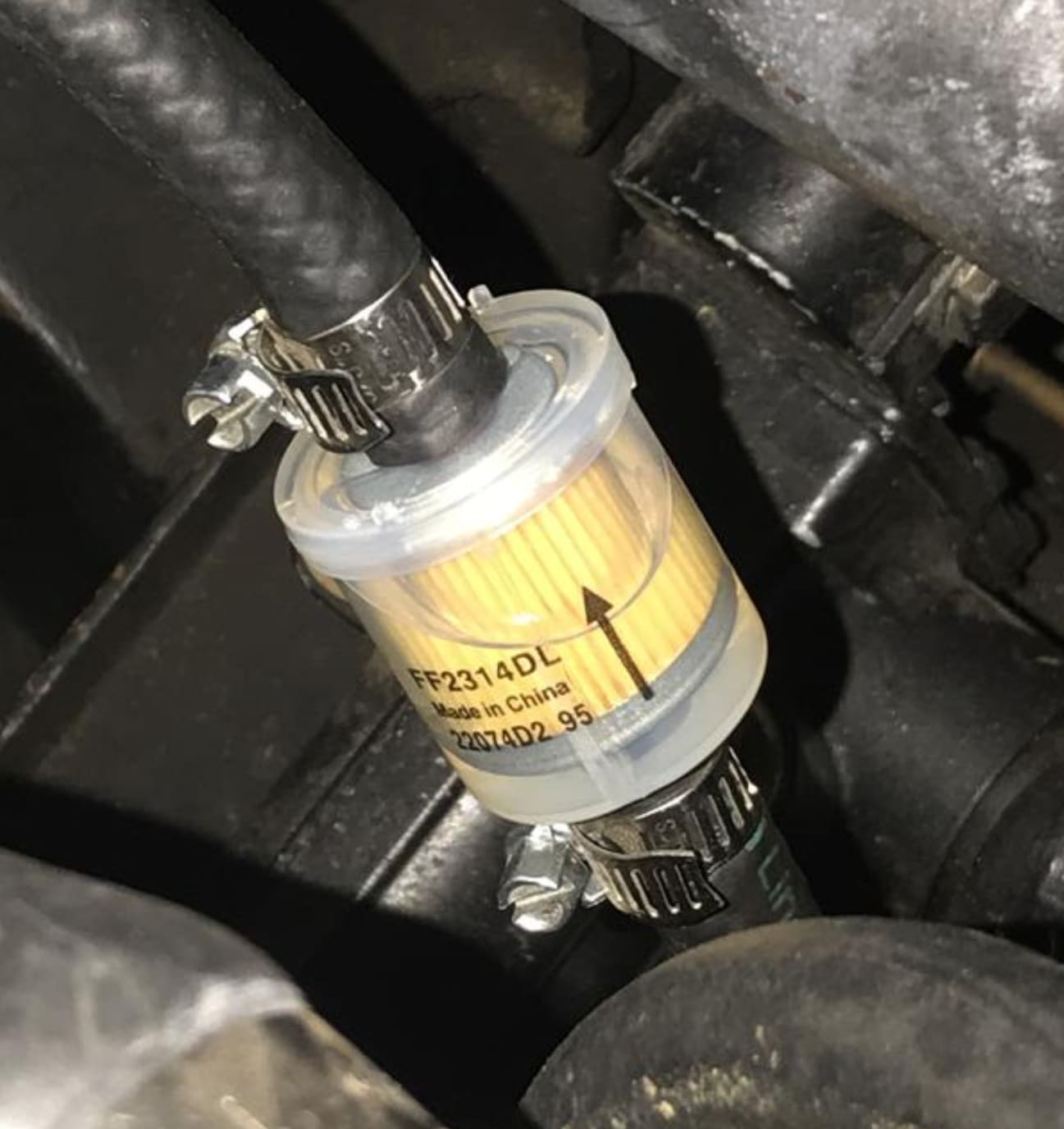
A fuel filter is a small but important part of your vehicle. It cleans the fuel before it reaches the engine. Dirt, rust, and other particles can damage the engine if not removed.
Replacing the fuel filter helps your car run smoothly. It can improve fuel efficiency and prevent engine problems. Understanding the fuel filter can help you know why replacement costs vary.
Role In Vehicle Performance
The fuel filter stops dirt and debris from reaching the engine. Clean fuel means better engine performance. A clogged filter can cause poor acceleration and rough idling.
It protects fuel injectors and other parts from damage. A healthy fuel filter helps maintain strong engine power. It also reduces the risk of stalling and misfires.
Types Of Fuel Filters
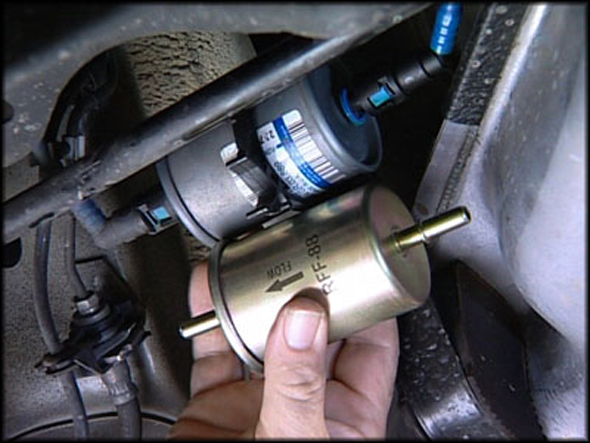
There are different types of fuel filters. Some are inside the fuel tank, while others are outside the engine. Each type has a specific design and function.
Car manufacturers choose filters based on engine type and fuel system. Paper filters are common and cost-effective. Metal filters last longer but may cost more.
Knowing the type of filter helps estimate replacement costs. The location of the filter also affects labor time and price.
Credit: www.autozone.com
Factors Affecting Replacement Cost
Several factors influence the cost of replacing a fuel filter. These factors affect both parts and labor expenses. Understanding them helps you plan your budget better.
Vehicle Make And Model
Different vehicles use different fuel filters. Some filters are simple and cheap. Others are complex and costly. Luxury and rare car models often have higher parts prices. Also, some vehicles need more time to replace the filter. This increases labor costs.
Filter Quality And Brand
Fuel filters come in various qualities. Original Equipment Manufacturer (OEM) parts usually cost more. They fit perfectly and last longer. Aftermarket filters are cheaper but may wear out faster. Choosing a well-known brand ensures better performance. Low-cost filters might save money now but cause issues later.
Labor Charges
Labor costs depend on the mechanic and location. Dealerships often charge more than local shops. Some vehicles have easy-to-reach fuel filters, lowering labor time. Others require removing parts, which takes longer. Labor rates vary by region and shop reputation. Always ask for an estimate before service.
Average Price Range In 2025
Fuel filter replacement costs vary in 2025. Prices depend on how you choose to get the job done. Knowing the average price range helps plan your budget. You can save money by doing it yourself or pay for professional help. Location also plays a role in the final cost. Below, find a breakdown of typical expenses for each option.
Diy Replacement Costs
Doing the fuel filter replacement yourself can cost between $20 and $50. This price covers the filter part only. Tools like wrenches or screwdrivers may be needed if not already owned. A simple job for those with basic car skills. Saves money but requires time and care to avoid mistakes.
Professional Service Costs
Hiring a mechanic usually costs from $80 to $200. Labor fees make the price higher than DIY. Professionals offer quick, reliable service with warranty. Prices depend on the car model and shop rates. A good choice if unsure about doing it yourself.
Regional Price Variations
Costs differ by region and city. Urban areas often have higher prices due to shop expenses. Rural locations may charge less but have fewer service centers. Check local rates to get an accurate estimate. Adjust your budget based on where you live or travel.
Credit: germanformula.com
Signs You Need A New Fuel Filter
Knowing the signs of a bad fuel filter saves time and money. The fuel filter cleans dirt and rust from your fuel. Over time, it gets clogged and stops working well. This causes problems in your car’s engine and fuel system. Watch for these signs to know when to replace it.
Engine Performance Issues
A dirty fuel filter can cause your engine to run rough. You might feel hesitation or stalling while driving. The engine may also lose power during acceleration. These are clear signs the fuel filter is not letting enough fuel pass through.
Fuel Efficiency Drop
Fuel filter problems reduce fuel flow. This forces the engine to work harder. Your car will use more gas than usual. You will notice a drop in miles per gallon. Lower fuel efficiency often points to a clogged fuel filter.
Starting Problems
A bad fuel filter can stop your car from starting. It blocks fuel from reaching the engine. You may hear the engine crank but not start. This issue is common when the fuel filter is completely blocked.
Steps To Replace A Fuel Filter
Replacing a fuel filter helps keep your engine clean and running smoothly. The process is simple and can save money on repairs. Follow clear steps to change the fuel filter safely and correctly. This guide breaks down the task into easy parts.
Safety Precautions
Work in a well-ventilated area to avoid inhaling fumes. Wear gloves to protect your hands from fuel. Keep a fire extinguisher nearby in case of sparks. Avoid smoking or open flames near the fuel system. Disconnect the car battery to prevent electrical hazards.
Required Tools
Gather these tools before starting: a new fuel filter, wrenches, screwdrivers, and safety gloves. You may also need a container to catch fuel spills. A jack and stands might help access the filter under the car. Having all tools ready speeds up the job.
Step-by-step Process
First, relieve fuel system pressure by loosening the gas cap. Then, disconnect the battery to avoid sparks. Locate the fuel filter; it is usually along the fuel line or near the fuel tank. Use wrenches to loosen the fuel lines connected to the filter. Remove the old filter carefully to prevent spills. Install the new filter in the same position, ensuring the flow direction matches. Tighten the fuel lines securely to avoid leaks. Reconnect the battery and check for leaks by starting the engine. Dispose of the old filter and any fuel safely.
Tips To Save On Replacement
Saving money on fuel filter replacement is possible with smart choices. Small steps can reduce costs and keep your car running well. Focus on quality and timing to avoid extra expenses. Use these tips to get the best value for your money.
Choosing The Right Filter
Select a fuel filter that fits your car’s model exactly. Using the wrong part can cause damage and cost more later. Look for filters with good reviews and reliable brands. Sometimes, generic filters work fine but check their quality first.
Finding Reliable Mechanics
Pick a mechanic who offers fair prices and honest work. Ask friends or read online reviews to find trusted shops. Avoid very cheap services that may use poor parts. A good mechanic saves money by doing the job right the first time.
Scheduling Regular Maintenance
Replace the fuel filter before it causes problems. Regular checks prevent engine damage and costly repairs. Follow your car’s manual for the recommended service schedule. Staying on time helps keep your car efficient and saves money long-term.
Frequently Asked Questions
How Much Does A Fuel Filter Replacement Cost?
Fuel filter replacement typically costs between $50 and $150. Price varies by vehicle make, model, and labor rates. Parts usually cost $20 to $60, while labor ranges from $30 to $90. Always get a detailed quote from your mechanic.
How Often Should You Replace A Fuel Filter?
Most manufacturers recommend replacing the fuel filter every 20,000 to 40,000 miles. This helps maintain engine performance and fuel efficiency. Check your vehicle’s manual for exact intervals. Regular replacement prevents clogging and fuel system damage.
Can I Replace The Fuel Filter Myself?
Yes, if you have basic mechanical skills and the right tools. Always follow your vehicle’s manual instructions carefully. Take safety precautions, such as relieving fuel system pressure. If unsure, consult a professional to avoid damage or injury.
What Are Signs Of A Clogged Fuel Filter?
Common signs include engine misfires, poor acceleration, and rough idling. You may also notice difficulty starting or stalling. Reduced fuel efficiency and engine hesitation are other indicators. If these occur, consider having your fuel filter inspected.
Conclusion
Fuel filter replacement costs depend on your car and location. Parts and labor affect the total price. Regular changes keep your engine running smoothly. Clean fuel prevents damage and saves money later. Always check prices from trusted mechanics near you.
A well-maintained fuel filter improves performance and fuel efficiency. Don’t wait until problems appear. Stay proactive for a healthier vehicle and fewer repairs. Simple steps can protect your car’s heart—its fuel system.


