

Have you ever been stuck with a car that just won’t start? One of the most common culprits is a dead car battery.
But how often do you really need to replace your car battery before it leaves you stranded? Understanding the signs and timing can save you from unexpected troubles and costly repairs. You’ll discover exactly when and why your car battery needs replacing, helping you stay in control and keep your vehicle running smoothly.
Keep reading to find out how to avoid battery problems and make your car dependable every time you turn the key.
Credit: www.warrantywise.co.uk
Signs Your Battery Needs Replacement
Knowing when your car battery needs replacement can save you from unexpected breakdowns. Batteries lose power over time. Watch for clear signs to avoid trouble on the road.
Some signs show your battery is weak. Spotting these early helps you act fast. This keeps your car running smoothly and safely.
Slow Engine Crank
When you turn the key, the engine should start quickly. A slow or weak start means the battery is losing power. It struggles to give the engine enough energy. This is a common sign of a dying battery.
Dim Lights And Electrical Issues
Car lights and other electrical parts need steady power. Dim headlights or dashboard lights can mean a weak battery. Power windows and radio might also work poorly. These problems often point to battery trouble.
Check Engine Light
The check engine light can signal many issues. Sometimes, a failing battery triggers this warning. The car’s system senses low voltage. Don’t ignore this light; it might mean battery replacement is near.
Corroded Battery Terminals
Look under the hood for white or green powder on battery terminals. This corrosion stops good electrical contact. It can cause starting problems and reduce battery life. Cleaning or replacing the battery may be necessary.
Average Lifespan Of Car Batteries
Car batteries do not last forever. Knowing their average lifespan helps plan for replacement. This keeps your car reliable and avoids sudden breakdowns. Battery life depends on many factors. Understanding these can extend your battery’s use.
Typical Battery Life Span
Most car batteries last between three and five years. Some last shorter, others longer, depending on use and care. Newer batteries often come with warranties for about three years. Regular checks help track battery health and predict failure.
Factors Affecting Battery Life
Driving habits affect battery life a lot. Short trips drain the battery faster than long drives. Leaving lights or electronics on can kill the battery quickly. Poor battery maintenance also lowers lifespan. Regular cleaning and secure connections help the battery last longer.
Climate Impact On Battery Performance
Extreme temperatures reduce battery life. Heat speeds up chemical reactions, causing faster wear. Cold weather makes it harder for the battery to start the engine. Batteries in mild climates usually last longer. Protect your battery from harsh weather when possible.
Testing Battery Health
Testing battery health helps you know when to replace your car battery. It saves time and avoids unexpected breakdowns. Simple tools and methods show your battery’s condition clearly. Regular checks keep your car running smoothly.
Using A Multimeter
A multimeter measures the battery’s voltage easily. Set it to DC voltage and connect the probes to the battery terminals. A healthy battery shows about 12.6 volts or more when the car is off. Below 12.4 volts means the battery may need charging or replacement.
This test is quick and affordable. It gives a good idea of battery life at home or on the road.
Load Testing
Load testing checks the battery under real working conditions. It applies a load to the battery and measures its response. This test shows how well the battery holds power during use.
Many auto shops offer load testing. It gives a clearer picture than just voltage. A weak battery will fail this test even if voltage looks okay.
Professional Battery Testing Services
Experts use advanced tools to test battery health. They check voltage, load, and charging system together. This thorough test finds hidden problems early.
Professional testing is best before long trips or cold seasons. It ensures your battery is reliable and ready to perform.
Best Practices To Extend Battery Life
Extending the life of a car battery saves money and prevents unexpected breakdowns. Simple habits and regular care keep the battery strong. Follow easy steps to avoid early battery failure and enjoy a reliable ride longer.
Regular Maintenance Tips
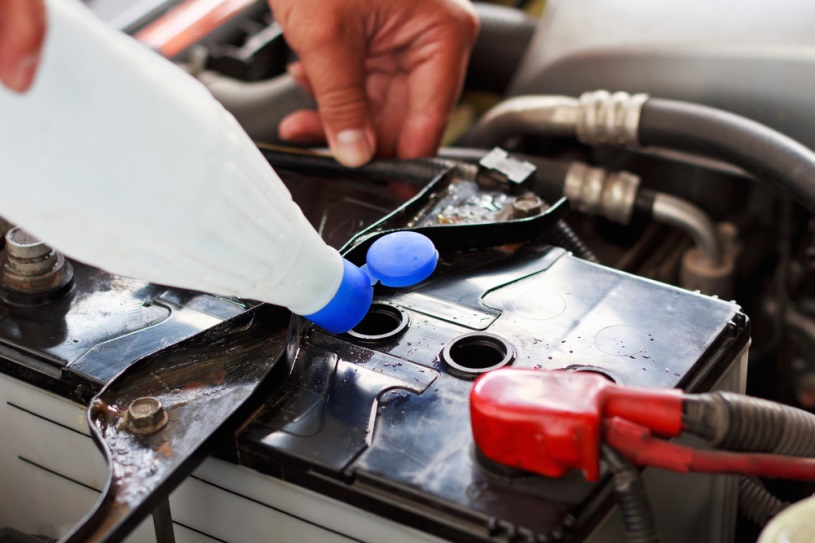
Check the battery terminals often. Clean off any dirt or corrosion. Tighten loose connections carefully. Use a wire brush to remove buildup. Keep the battery case dry and clean. Test the battery voltage every few months. Replace worn-out parts quickly to avoid damage.
Avoiding Short Trips
Short trips do not fully charge the battery. The engine does not run long enough to recharge it. Drive longer distances regularly to keep the battery healthy. Avoid using many electrical devices while the engine is off. This practice helps the battery keep its power.
Proper Battery Storage
Store the battery in a cool, dry place if not in use. Avoid freezing temperatures that can harm the battery. Keep the battery charged to prevent it from dying. Use a battery maintainer or trickle charger for long storage. Disconnect the battery from the car to stop power drain.
When To Replace Your Car Battery
Knowing when to replace your car battery saves time and stress. A battery that fails suddenly can leave you stranded. Watch for signs that your battery is losing power. Replace it before it stops working completely.
Battery Age Guidelines
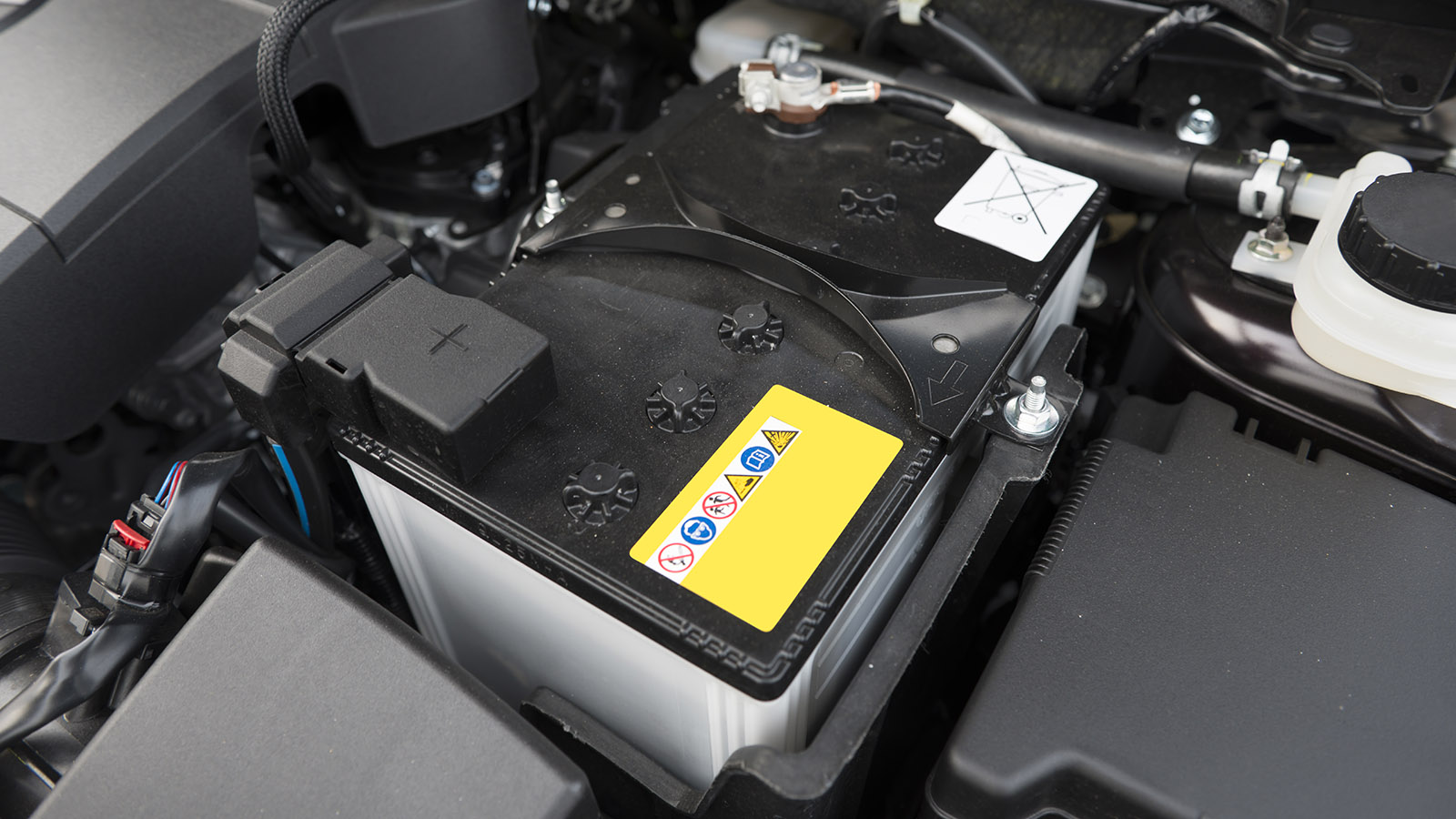
Most car batteries last between three and five years. Check the battery’s manufacture date, usually on a sticker or label. After five years, the battery may lose strength and reliability. Older batteries are more prone to failure, especially in extreme weather.
Performance Decline Indicators
Slow engine crank is a key sign of a weak battery. Dimming headlights or electrical issues also show battery problems. If the battery needs frequent jump-starts, it is time to replace it. Strange smells or corrosion around battery terminals signal trouble.
Preventive Replacement Benefits
Replacing your battery before it dies avoids unexpected breakdowns. It helps maintain your car’s performance and reliability. Early replacement can save money by avoiding costly towing or repairs. Regular checks keep you aware of your battery’s health and needs.
Credit: auto.howstuffworks.com
Choosing The Right Replacement Battery
Choosing the right replacement battery is key to keep your car running smoothly. A good battery matches your car’s needs and lasts longer. Understanding battery types, matching the battery to your vehicle, and checking warranties helps make a smart choice.
Battery Types And Specifications
Car batteries come in different types. The most common are lead-acid and AGM (Absorbent Glass Mat). Lead-acid batteries are affordable and work well for most cars. AGM batteries last longer and handle more power but cost more. Check your car’s manual for the recommended battery size and cold cranking amps (CCA). The CCA shows how well the battery starts the engine in cold weather. Choose a battery that meets or exceeds your car’s CCA needs.
Matching Battery To Vehicle Needs
Each vehicle needs a battery that fits its engine size and electrical system. Small cars need smaller batteries with lower power. Large trucks or SUVs need bigger batteries with higher power. Consider your driving habits too. Short trips and stop-and-go traffic can drain batteries faster. Choose a battery with higher reserve capacity if you drive in these conditions. Always pick a battery that fits securely in your car’s battery tray.
Warranty And Quality Considerations
Check the warranty length before buying a battery. Longer warranties often mean better quality. Warranties typically range from one to three years. Some batteries offer free replacement within the warranty period. Choose a battery from a trusted brand with good customer reviews. A quality battery saves money on repairs and replacements over time. Avoid very cheap batteries as they may fail sooner.
Diy Vs Professional Battery Replacement
Choosing between DIY and professional car battery replacement depends on your skills and tools. Replacing a battery yourself can save time and money. It gives control over the process. But it also carries risks without proper knowledge.
Professional replacement offers safety and expertise. Technicians have the right tools and training to handle batteries safely. They can check for other car issues at the same time.
Safety Precautions
Car batteries contain acid and can cause sparks. Always wear gloves and safety glasses. Avoid smoking or open flames nearby. Disconnect the negative terminal first to reduce shock risk. Keep metal objects away from battery terminals. Work in a well-ventilated area to avoid gas buildup.
Step-by-step Replacement Guide
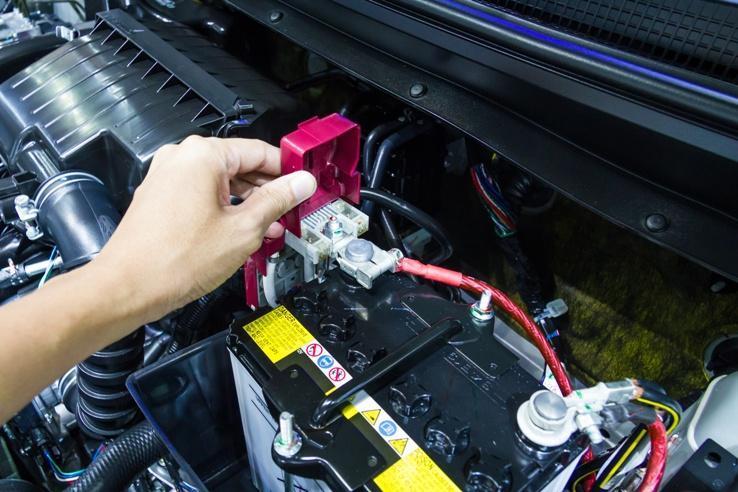
First, turn off the car and remove keys. Locate the battery, usually under the hood. Use a wrench to loosen the negative terminal clamp. Remove the negative cable and then the positive one. Take out any hold-down clamp securing the battery. Lift the battery carefully; it can be heavy.
Place the new battery in the tray. Attach the positive cable first, then the negative. Tighten the clamps securely but avoid over-tightening. Clean any corrosion from terminals with a wire brush. Check the battery connections are firm before closing the hood.
When To Seek Professional Help
Call a professional if you lack tools or experience. Battery removal can be tricky in some cars. If corrosion or leaks are severe, experts should handle it. Professionals can test your car’s electrical system too. Avoid risks if you feel unsure or unsafe. A pro ensures correct installation and peace of mind.
Credit: www.cannonautorepair.com
Frequently Asked Questions
How Long Does A Car Battery Typically Last?
A car battery usually lasts between 3 to 5 years. Factors like climate and usage affect this lifespan. Regular checks help prevent unexpected failures.
What Are Signs That A Car Battery Needs Replacing?
Signs include slow engine crank, dim headlights, and electrical issues. If your battery is older than 3 years, consider testing it.
Can Extreme Weather Affect Car Battery Life?
Yes, extreme heat or cold can shorten battery life. Heat evaporates battery fluid, while cold reduces starting power. Protect your battery accordingly.
How Often Should I Test My Car Battery?
Testing every 6 months is ideal, especially for older batteries. Regular tests ensure your battery remains reliable and helps avoid surprises.
Conclusion
Car batteries usually last about three to five years. Regular checks help spot problems early. Cold weather or short trips can shorten battery life. Clean terminals and avoid leaving lights on to save power. Replace the battery if your car struggles to start.
A well-maintained battery keeps your car running smoothly. Staying aware helps avoid unexpected breakdowns on the road. Keep an eye on your battery’s health for peace of mind. Simple care goes a long way in extending battery life.


